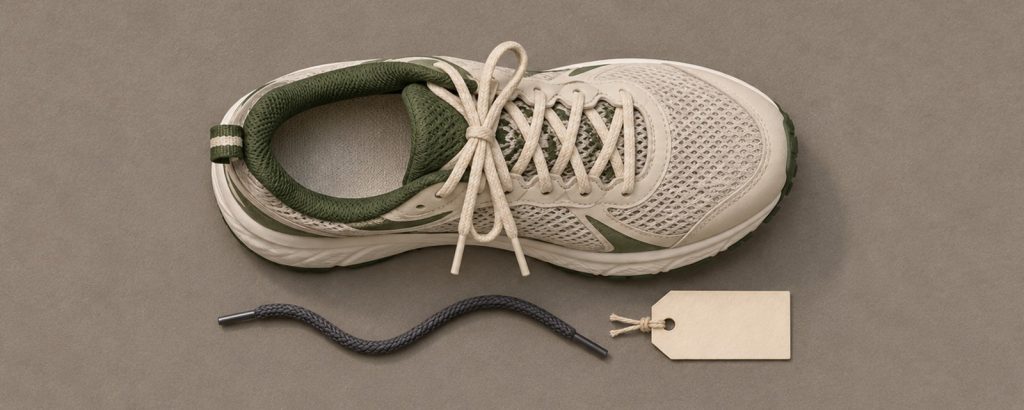
If a footwear specification calls for SATRA testing, start with the decision you need to make about the sample. Then identify the property to measure and the item the lab should test. Once you know the question, you can use the SATRA catalog to find a candidate method, verify its scope and edition, and give the lab enough information to test your sample.
What a SATRA Test Method Tells You
A SATRA test method describes how to evaluate a property under defined conditions. The method number, usually written as SATRA TM followed by a number, identifies the document. Look for the method number and the product requirement it supports.
In a test request, give the method and the acceptance requirement their own fields. SATRA explains that its methods generally describe the procedure, with some offering suggested performance levels in an appendix. For a pass or fail decision, identify the criterion that applies to your shoe, such as a limit in the agreed product specification.
Start With the Test Item and the Question
Decide what you want the result to describe. A material test can help you compare two upper fabrics. A component test can help you evaluate a shoelace. For a question about the assembled shoe, look for a method whose scope includes the relevant construction. Describe the part or assembly you want to evaluate, then confirm with the lab that it fits the method’s scope.
Say a lace stays intact during a wear trial, but the knot keeps loosening. Write the question as “How well does the tied lace resist slipping?” That gives you a property and a component to look up. If the lace itself breaks, the lab needs a different description of the problem.
Find the Method in the SATRA Catalog
Start with SATRA’s online test method list. Choose how to browse based on what you already know.
- You have a method number. Look it up in the numbered list and open its detail page to confirm the title.
- You know the test item. Browse by material, component, or product. You can narrow the list to a category such as laces and eyelets or whole shoes.
- You know the property. Browse by test type, such as abrasion or water resistance. Check each candidate’s scope to see which specimens the method covers.
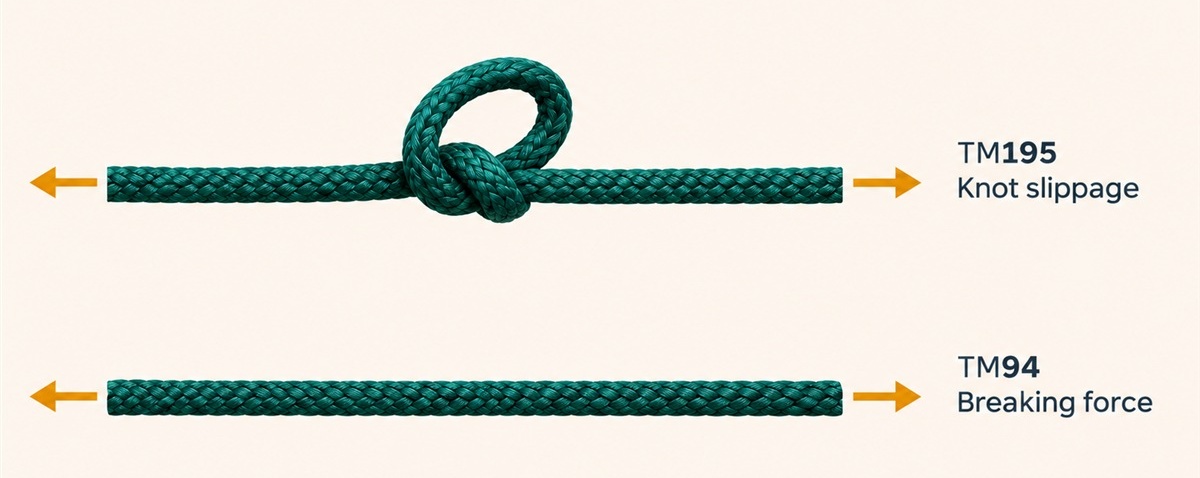
For the loosening knot, open Laces and eyelets and find TM195, the knot slippage test. The scope describes the resistance to slipping of a tied cord or lace and identifies shoelaces as its main application. The same category lists TM94, which measures a shoelace’s breaking force and can also record its extension at break. Matching the title and scope to the problem helps you choose between two methods listed under the same component.
Check the Scope, Edition, and Full Method
Use the detail page to verify the number, title, scope, and edition. If the catalog and detail page show different dates, check SATRA’s revision notice and confirm which edition your specification calls for. For example, one SATRA catalog page lists TM183, a shoe cushioning method, with a March 2018 date. The method detail page shows January 2025, and SATRA published a notice describing the 2025 revision.
If the specification cites an earlier edition and the lab proposes a different one, ask the organization responsible for the specification to confirm which edition it will accept. Record the agreed edition in the request and check that the report identifies the edition actually used.
Use the catalog PDF to locate a method. Ask SATRA or the lab how to obtain the full edition your project calls for. Use that edition to confirm specimen preparation, test conditions, and reporting requirements.
Confirm the Test Request Before Sending Samples
Give the lab the sample ID, construction, and part or assembly to test. Include the method and edition, the conditions you have agreed to, and the result you need reported. For instance, SATRA uses TM230, a whole footwear water penetration test, to illustrate why a method reference can leave details for the specification to define, including water depth and the required number of flexing cycles.
If you’re comparing prototypes, confirm with the lab that the method, edition, and relevant conditions are consistent across samples. Ask for results in a common format. If you need a pass or fail decision, give the lab the applicable specification and point to the criterion to use. Confirm these details before the samples ship so the report answers the question you started with.
FAQ
Can you substitute a similar SATRA test method?
SATRA describes TM77 as a faster alternative for evaluating whole footwear water resistance and identifies TM230 as its preferred method for that purpose. SATRA notes that longer immersion can reveal weaknesses a faster test may miss. Compare the specimens, exposure conditions, and results each method produces. Ask the organization responsible for the specification to confirm that it will accept results from the alternate method.
Does testing to a SATRA method certify the shoe?
A test report covers the samples tested and records the method and results. Product certification follows the applicable scheme. For a footwear PPE example, see how testing and certification differ. Laboratory accreditation covers a defined scope, so check whether it includes the method you want the lab to perform. If your project requires a certificate, check which scheme applies and whether the certificate covers the footwear model you intend to supply.
Conclusion
Before your next sample review, write down what you need to learn, which part or assembly you need to test, and the method and edition that fit the question. Confirm the conditions and any acceptance criterion with the lab and the team responsible for the specification. That gives you a test request you can use to make a decision about the sample.