Request Quote

OEM / ODM · Private Label Development

Training Shoes Manufacturer

Develop gym and cross-training shoes for your brand with HEVA. We support OEM and ODM projects through our own factory, from design review and sampling to production and quality control.

Start with a sketch, reference sample, tech pack, or product brief. We’ll discuss the workouts the shoe is intended for, the fit and construction you want, and the details needed to plan development.

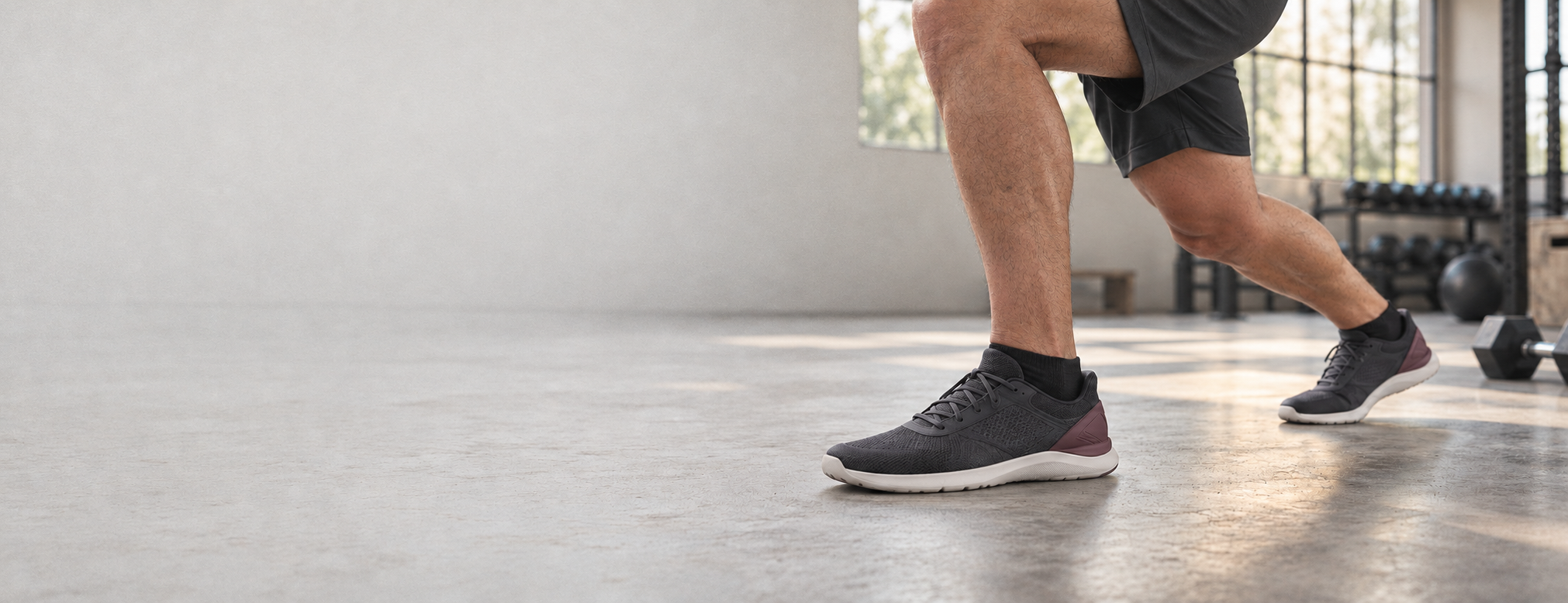
Athlete wearing training shoes during a gym lunge, cropped below the waist

Build Your Gym and Cross-Training Range

A useful training shoe brief starts with how the shoe will be used. Tell us about the main movements, the training environment, and the shoe’s role in your collection.

Everyday Gym and Cross-Training

For a range built around mixed gym sessions, describe the balance of strength exercises, lateral movements, and circuit work. These priorities help us discuss upper reinforcement, forefoot flexibility, sole construction, and the underfoot feel you’re looking for.

Strength-Focused Training

If strength work is the main focus, make that clear in the brief. Discuss how firmly you want the shoe to hold the foot, the support and feel you want under the heel, and where the forefoot needs to flex. A general gym shoe and a dedicated weightlifting shoe call for different development decisions.

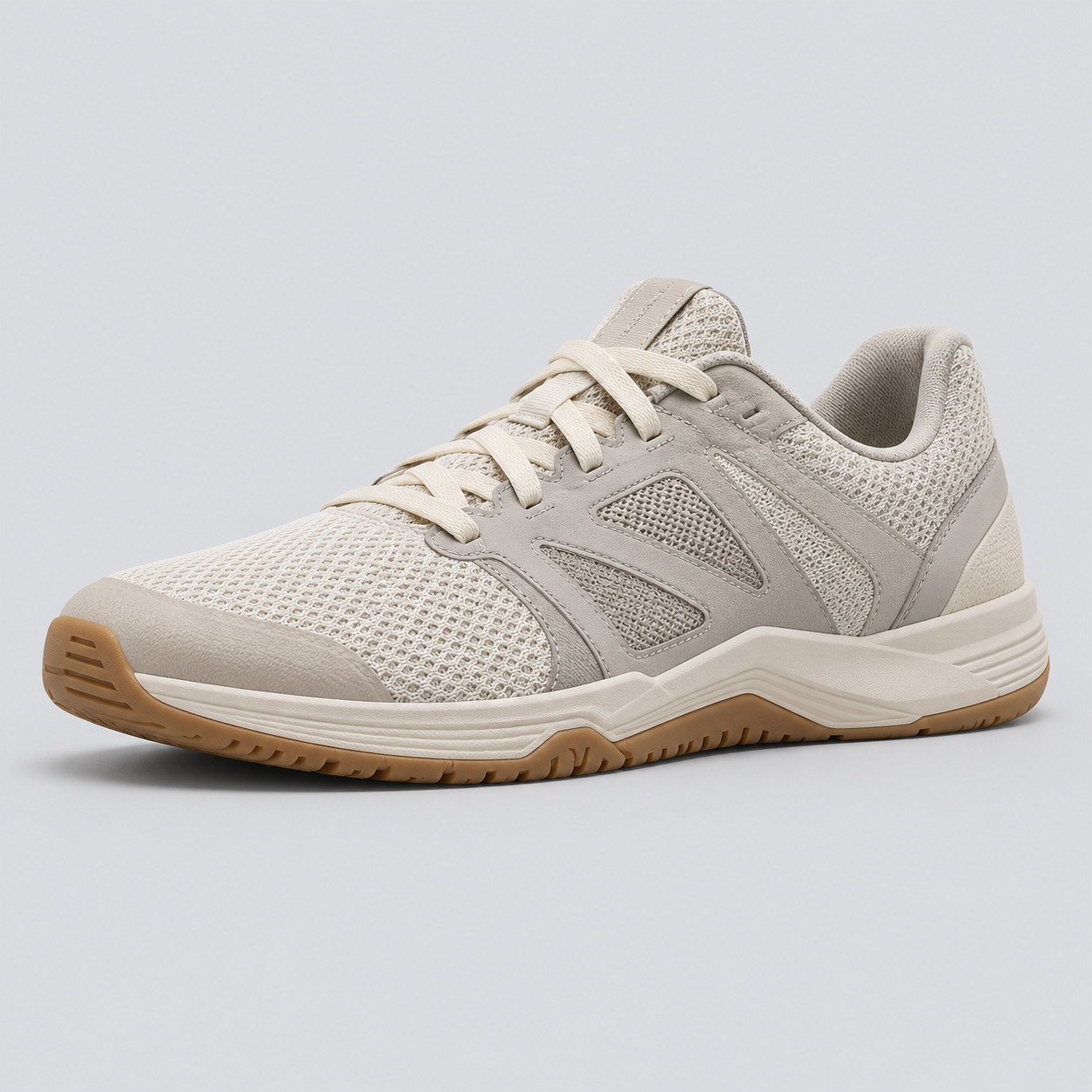
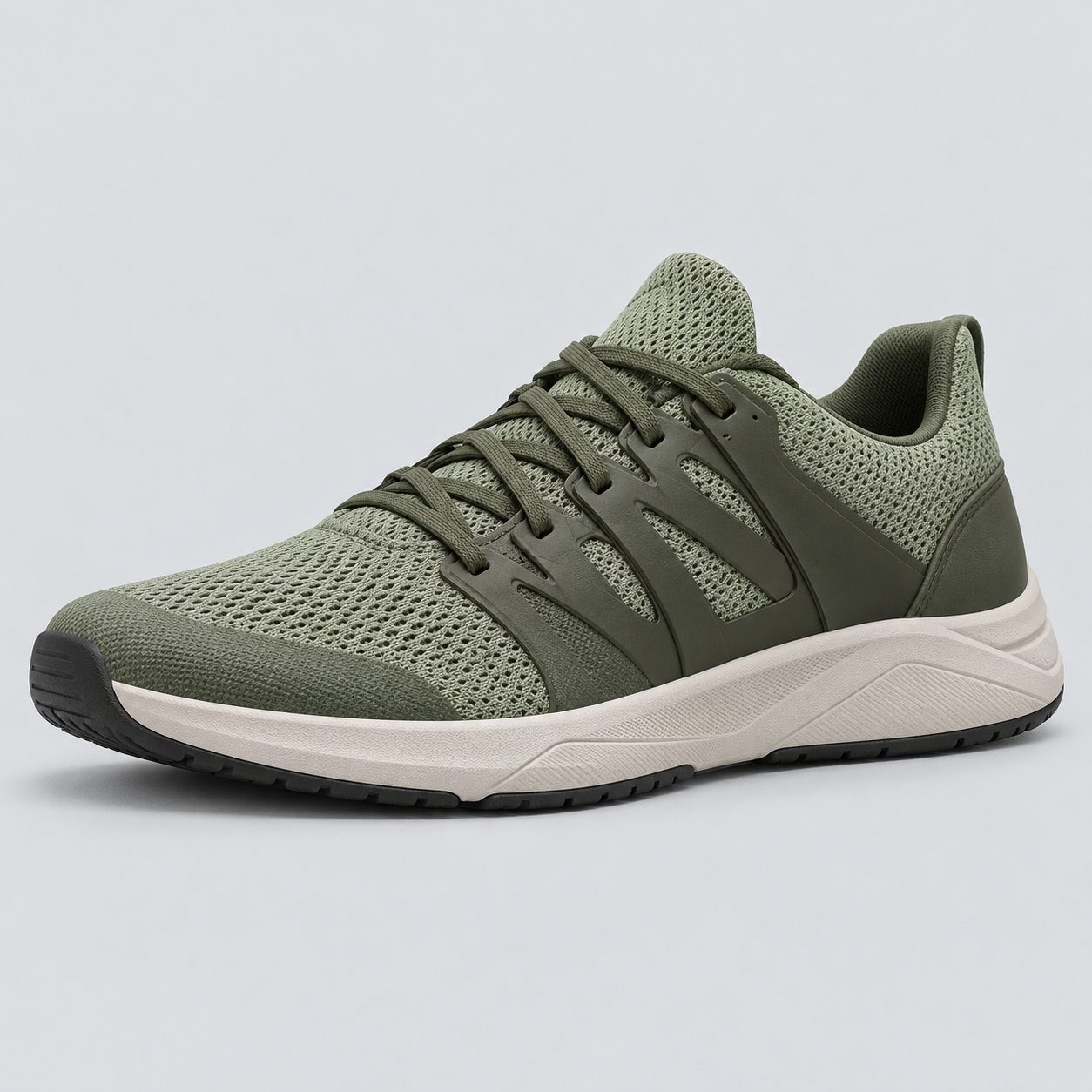
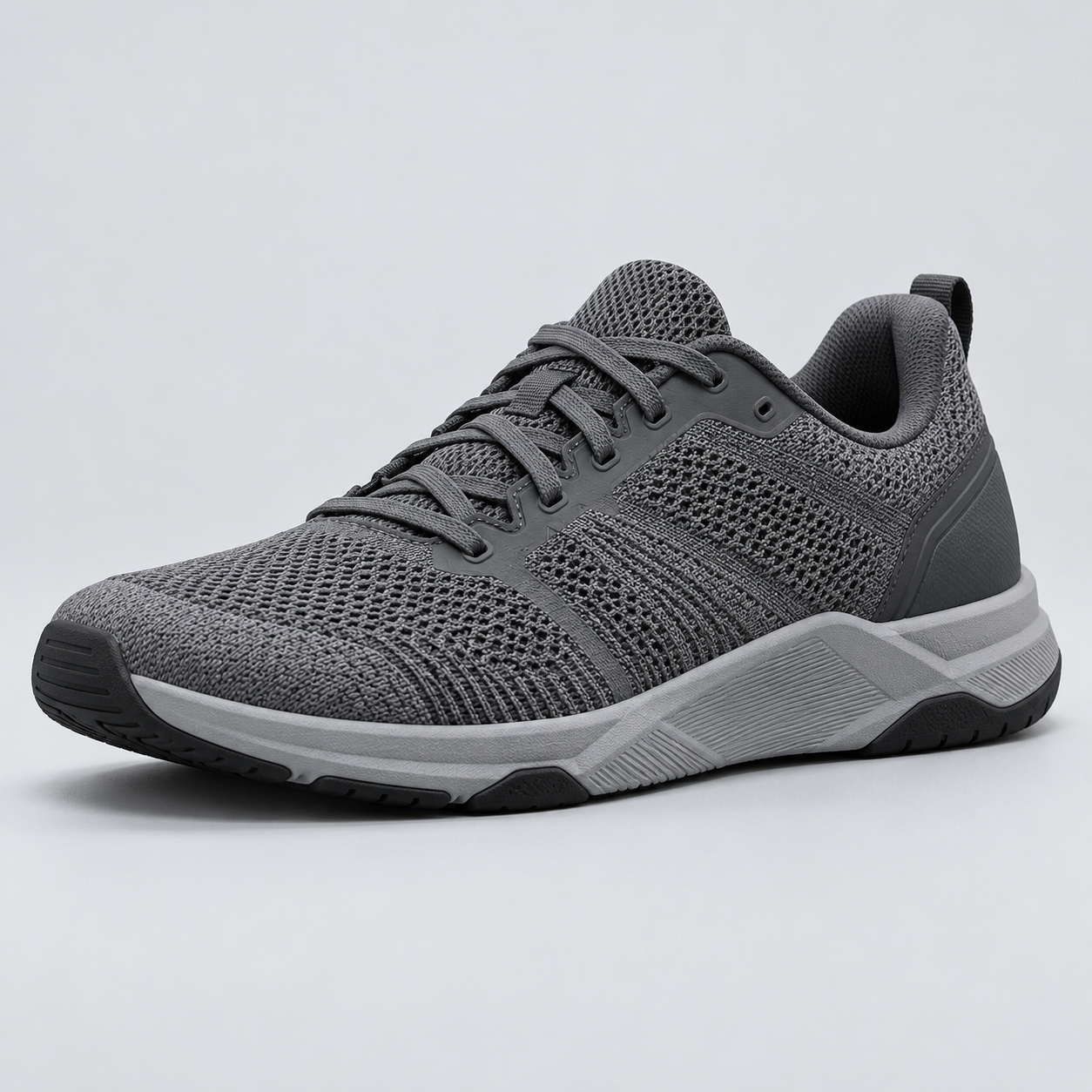
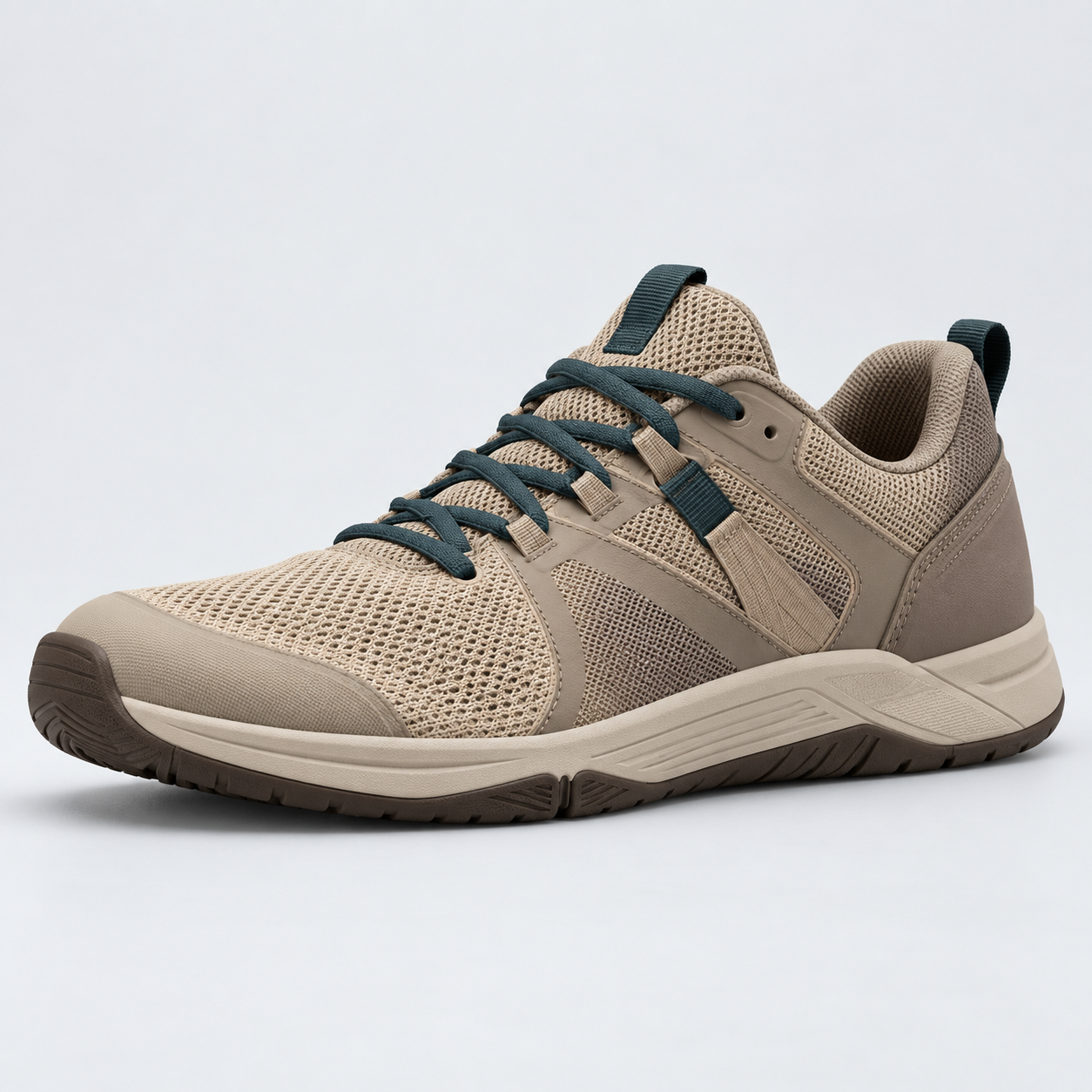
Use these directions as starting points for your project. We’ll assess the proposed construction for your intended use. For regular running sessions or longer distances, discuss a running shoe brief separately.

AI-generated design references for discussion. These images do not represent confirmed stock, manufactured samples, or tested performance. Final materials, construction, availability, and specifications are confirmed for each project.
Start with Your Design or a Product Direction

If you have a design or reference sample, send the specifications and explain which details are essential. If you’re starting from a style direction, describe the intended use, target market, appearance, and cost target. You don’t need a complete tech pack to begin the conversation.

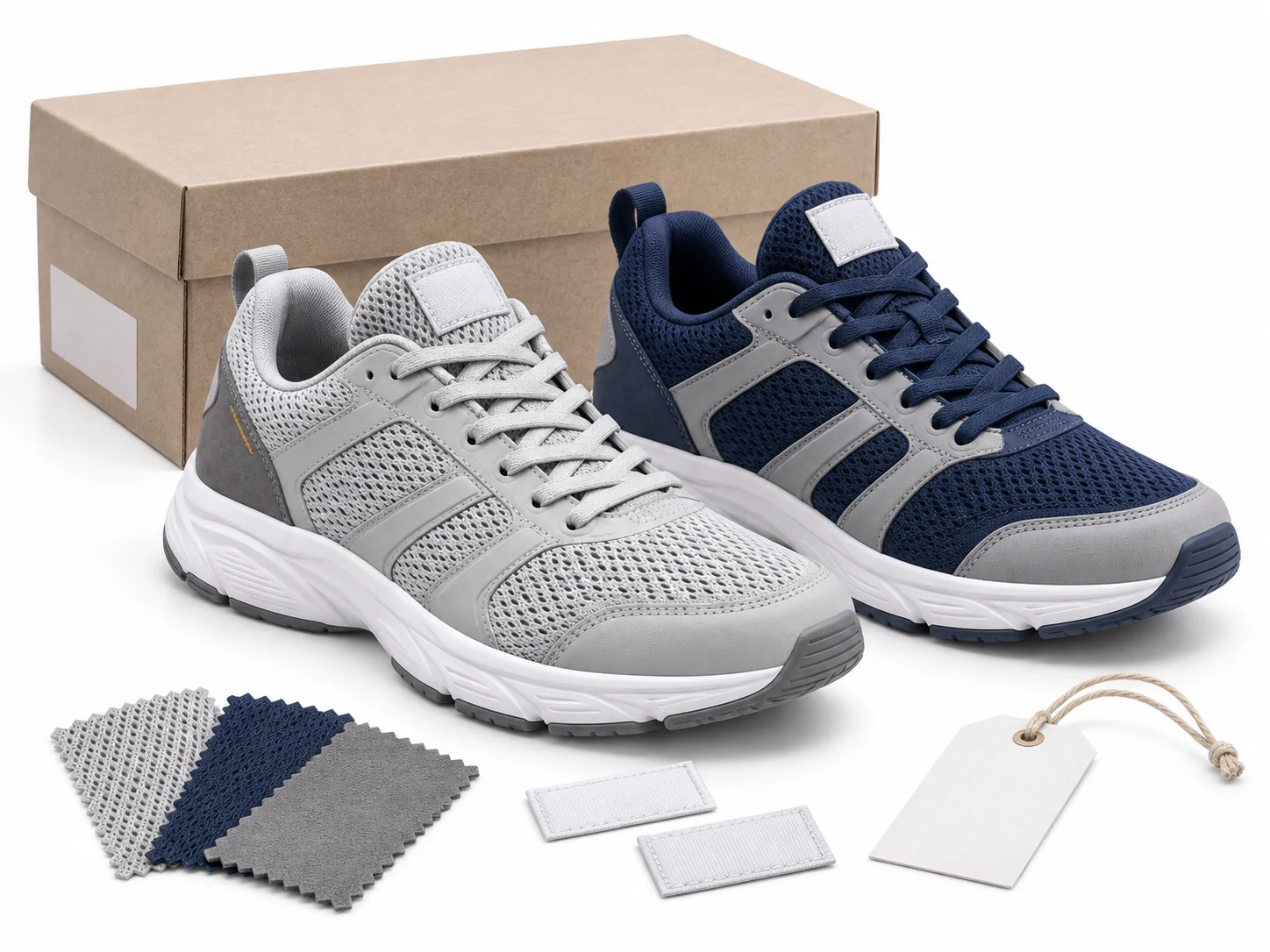
Shoe design, color, branding and packaging illustration
Design reference illustration — not a photograph of a HEVA product or facility.

Your Design or Reference Sample

Shoe upper materials and construction illustration
Design reference illustration — not a photograph of a HEVA product or facility.

Your Product Direction

Specify Your Training Shoe Design

When planning custom training shoes, define what each change needs to achieve. A color update and a new sole design involve different work, so identify the details you want to retain as well as those you want to change.

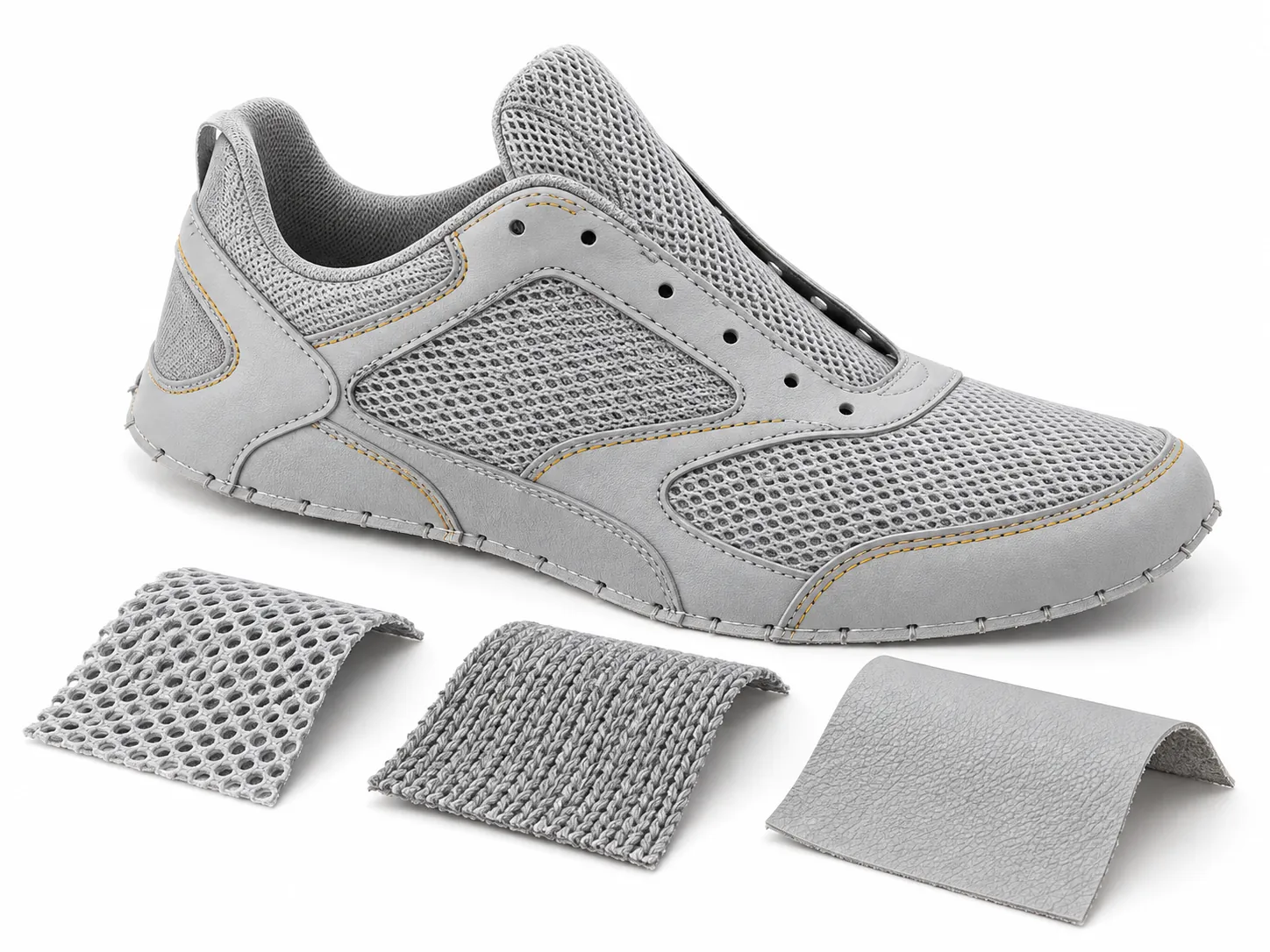
Shoe upper materials and construction illustration
Design reference illustration — not a photograph of a HEVA product or facility.

Upper Construction and Reinforcement

Discuss the upper material, lining, tongue, collar, lacing, and reinforcement together. Mesh, knit, or another construction may be a starting point, depending on your design. Tell us how you want to balance breathability and upper support.

Identify where you want the upper to flex and where it needs to hold the foot more firmly. During sample review, pay attention to heel movement, pressure around the laces, and how the upper holds the foot during the intended movements.

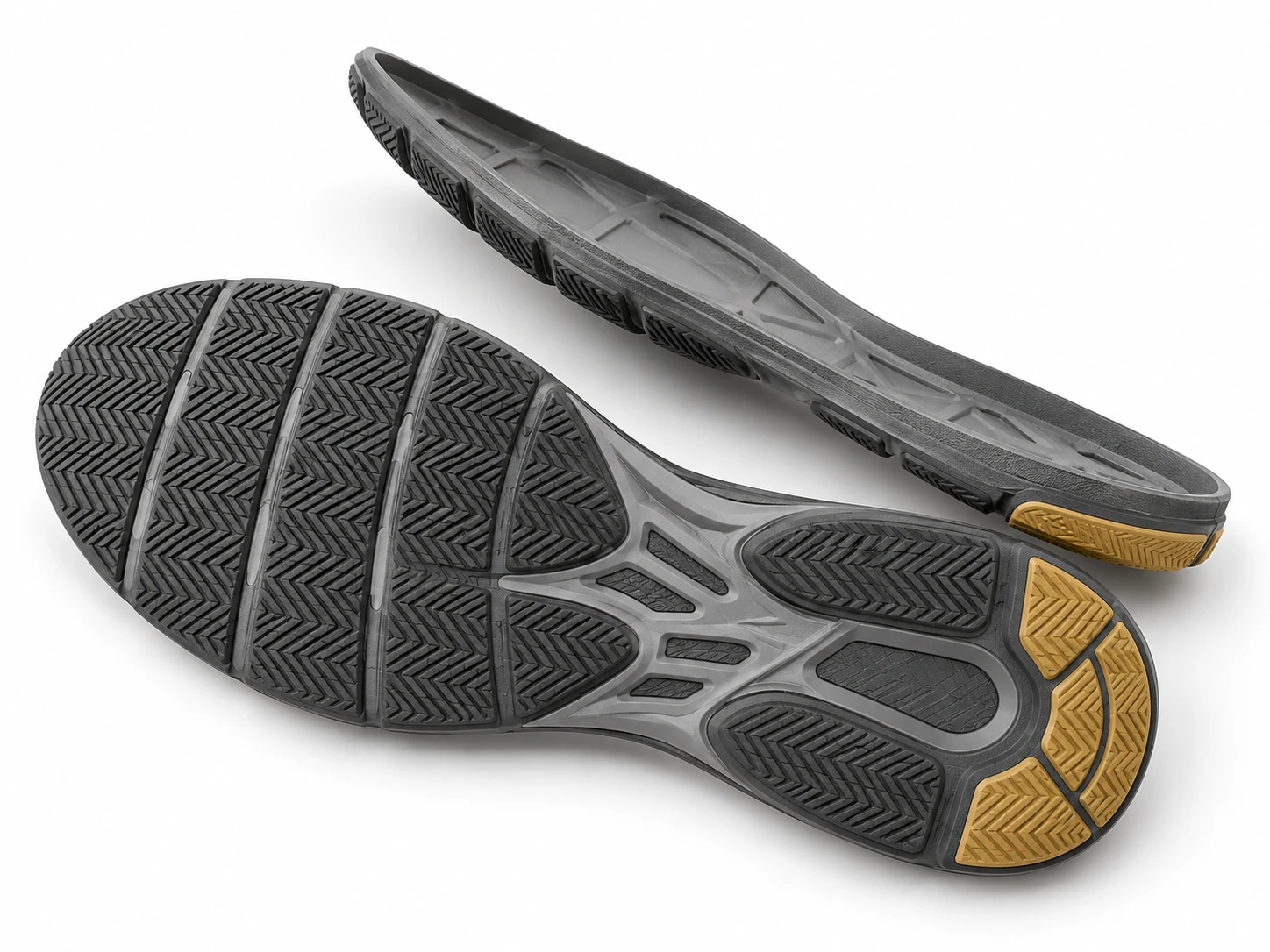
Outsole construction and tread design illustration
Design reference illustration — not a photograph of a HEVA product or facility.

Sole Construction and Underfoot Feel

Describe the training surface and the balance of cushioning, firmness, flexibility, grip, and lateral stability you want to evaluate. Share any preferences for the sole shape or base width, along with tread references or component specifications.

We’ll review the available construction options and assess whether your changes require new tooling. Agree on relevant performance requirements before approving the sole; its appearance alone cannot establish how it will perform.

Chalk panel gym training shoe design reference
Design reference illustration — not a photograph of a HEVA product or facility.

Colors

Discuss your color references for the upper, sole, lining, and laces.

Shoe design, color, branding and packaging illustration
Design reference illustration — not a photograph of a HEVA product or facility.

Logo

Share your logo artwork and intended placement for sample review.

Shoe design, color, branding and packaging illustration
Design reference illustration — not a photograph of a HEVA product or facility.

Labels

Include labels and identification details in your project requirements.

Shoe design, color, branding and packaging illustration
Design reference illustration — not a photograph of a HEVA product or facility.

Packaging

Include packaging requirements and review the relevant sample or artwork.

Share your target size chart and any existing fit reference. Discuss the toe area, midfoot hold, heel fit, and intended size range together.

Record sample feedback in specific terms: where the shoe feels tight, where the foot moves, and which areas need adjustment. We’ll use that feedback to review the last and construction before you approve the fit.

Colors, Logos, Labels, and Packaging

Specify your color references, logo artwork and placement, labels, and packaging requirements. Check these details on the relevant sample or artwork so the production instructions reflect what you approved.

For private label training shoes, branding can be part of a wider development project. Changes to the upper pattern, last, sole, or tooling need a separate assessment of feasibility, cost, minimum order quantity, and timing.

From Your Brief to an Approved Sample

01

Share Your Requirements

Share your design, reference sample, or product brief.

02

Confirm Options & Quotation

Agree on the development scope, quotation, and sample arrangements.

03

Review and Approve the Sample

Review fit, construction, appearance, and brand details.

04

Confirm the Production Reference

Approve the sample and agreed written specifications.

05

Check & Ship

Complete the agreed checks and confirm packing and handover.

Shoe design, color, branding and packaging illustration
Design reference illustration — not a photograph of a HEVA product or facility.

We’ll review the starting point, identify open decisions, and agree on the development scope, quotation, and sample arrangements. Materials, components, sizing, and branding should be clear enough for both teams to assess the sample against the same requirements.

When reviewing the sample, bring fit feedback together with comments on upper hold, sole construction, appearance, and brand details. Identify the sample version when listing your requested changes so revisions stay clear.

Shoe design, color, branding and packaging illustration
Design reference illustration — not a photograph of a HEVA product or facility.

Once you approve the sample, we use that version and the agreed written specifications as the production reference. Any later change needs review before it is added to the order.

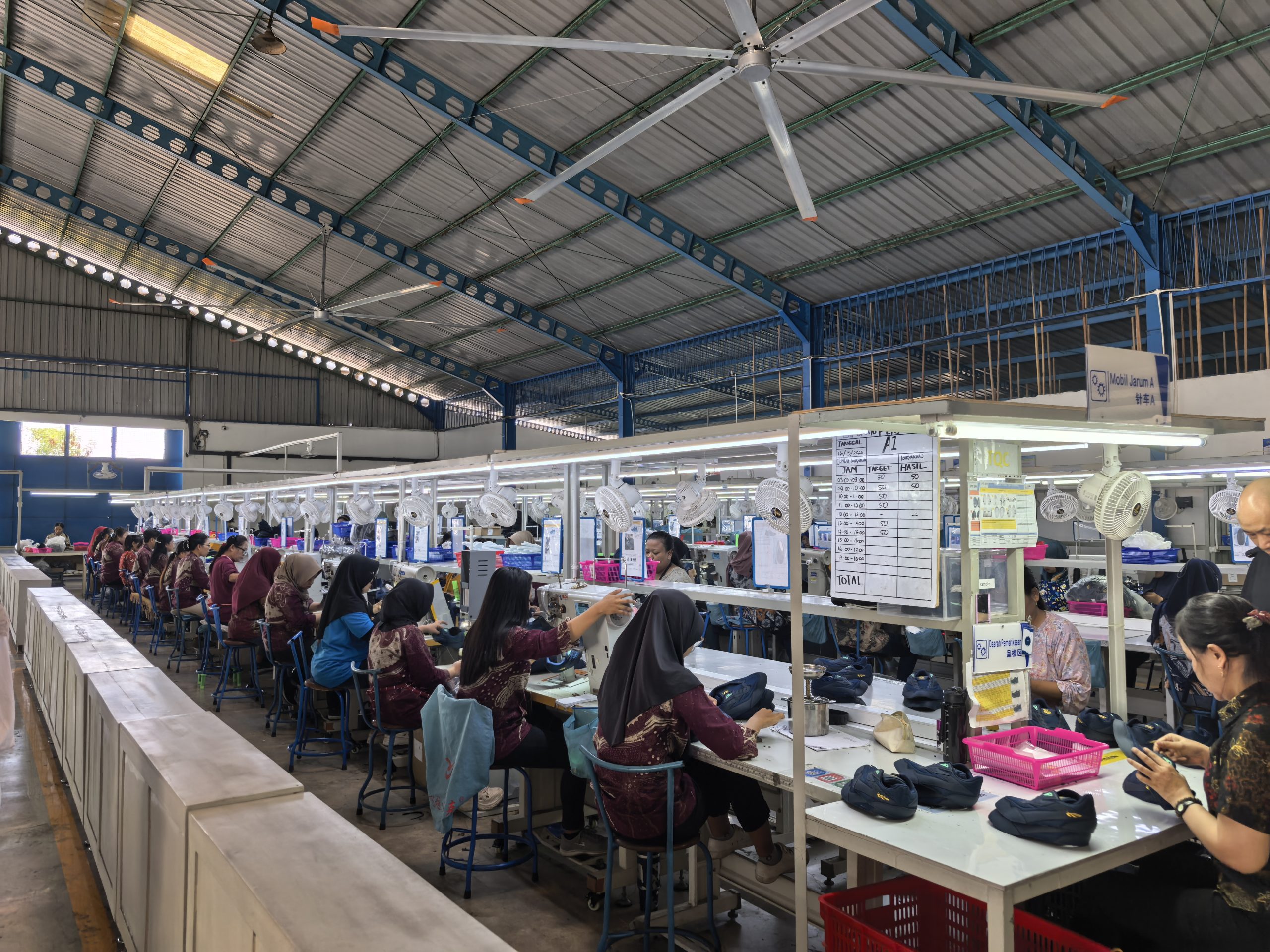
Workers checking footwear along a real production line
Footwear production line photograph

Bulk Production and Quality Checks

Your approved sample and order specifications guide production and quality checks. The inspection plan sets out the checkpoints and requirements for your particular shoe.

Materials and Components

We compare the selected materials, components, and colors with the approved references. If a substitution is proposed, it needs review against the order requirements before use.

Upper Assembly and Sole Connection

Checkpoints can cover panel placement, stitching, lining, upper-to-sole alignment, and the finish where the upper joins the sole. The relevant details depend on the construction selected for your training shoes.

Pairing, Sizing, and Branding

Finished-pair checks cover the agreed sizing requirements, left-right consistency, visible workmanship, and branding details. These checks help identify differences from the approved reference before the order is prepared for shipment.

Visual and dimensional checks serve a different purpose from performance testing. If your project requires tests for sole bonding, flexing, abrasion, traction, or another property, we’ll discuss the test scope, methods, acceptance criteria, and reporting arrangements with you separately.

Plan Your Order and Shipment

Shoe design, color, branding and packaging illustration
AI-generated design concept

Order Breakdown

Set out your estimated quantity by style, color, and size early in the discussion. Include your cost target and preferred delivery window so we can assess the proposal in context.

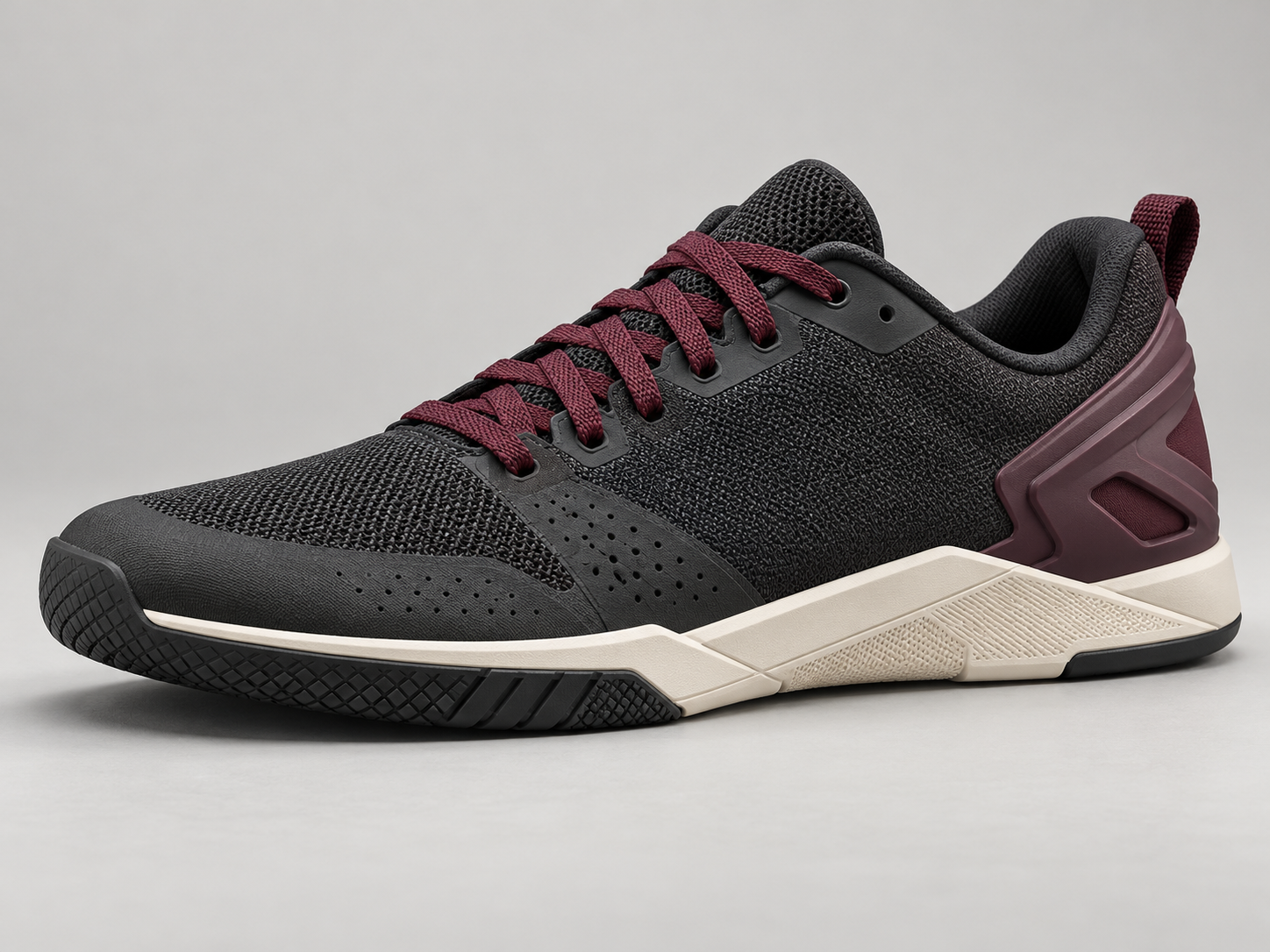
Charcoal and plum low-profile training shoe design reference
AI-generated design concept

MOQ and Timing

MOQ and timing depend on the development scope, materials, colorways, size assortment, and production schedule. Sample revisions and approval dates also affect the plan. We’ll confirm the terms for your project after reviewing these details.

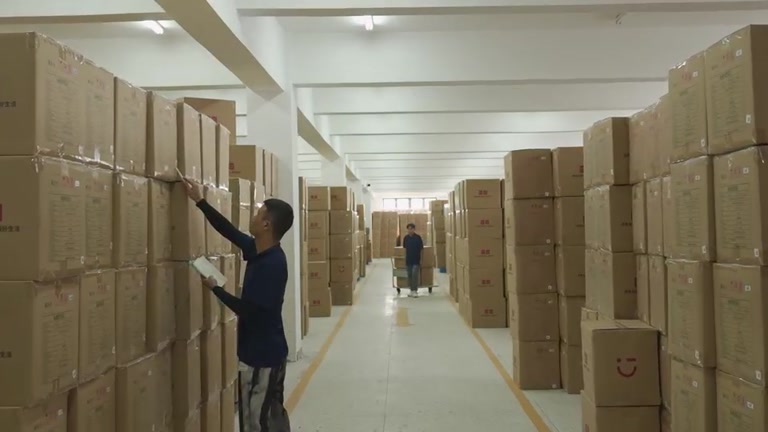
Packed cartons in a warehouse aisle
Warehouse photograph

Packing and Delivery

Before shipment, we check the order breakdown, pairing, labels, shoe boxes, and carton markings against the agreed instructions. We also confirm which inspection records or other documents the order requires, along with the shipping details and handover arrangements. We agree on payment terms, fees, and release requirements with you for each order.

Training Shoe Manufacturing FAQs

Can I customize an existing training shoe design?

Share the starting design and the changes you want. We’ll assess the available construction and customization scope, including whether the changes affect materials, tooling, or sampling.

Yes. Send your design, reference sample, or brief for an initial review. We’ll identify the specifications and open decisions needed to assess feasibility and plan sample development.

MOQ is confirmed for the selected style and specifications. Include your planned colors, size range, and estimated quantity when you inquire so we can review the order requirements.

Timing depends on the design, material readiness, tooling needs, sample revisions, and production schedule. Share your target date so we can review the development and production stages with you.

Training shoes are developed around a wider range of movements, including lateral work and strength exercises. Running shoe design focuses primarily on forward motion and cushioning over distance. Define the main activity before choosing a construction.

Tell us the intended activities, the market where you plan to sell, and any known test requirements. We’ll discuss the relevant tests, methods, acceptance criteria, and reporting arrangements with you before agreeing on the testing specifications.

Start Your Training Shoe Project

Tell us what you want to add to your training shoe range. For an initial review, share:

  • Your design, reference sample, or product brief.
  • The main training activities and target market.
  • Estimated quantity, size range, and proposed colors.
  • Branding and packaging requirements.
  • Your target timing and any known testing needs.

If you’re still defining the product, start with the direction you have. We’ll review it with you and identify what is needed for the next development step.

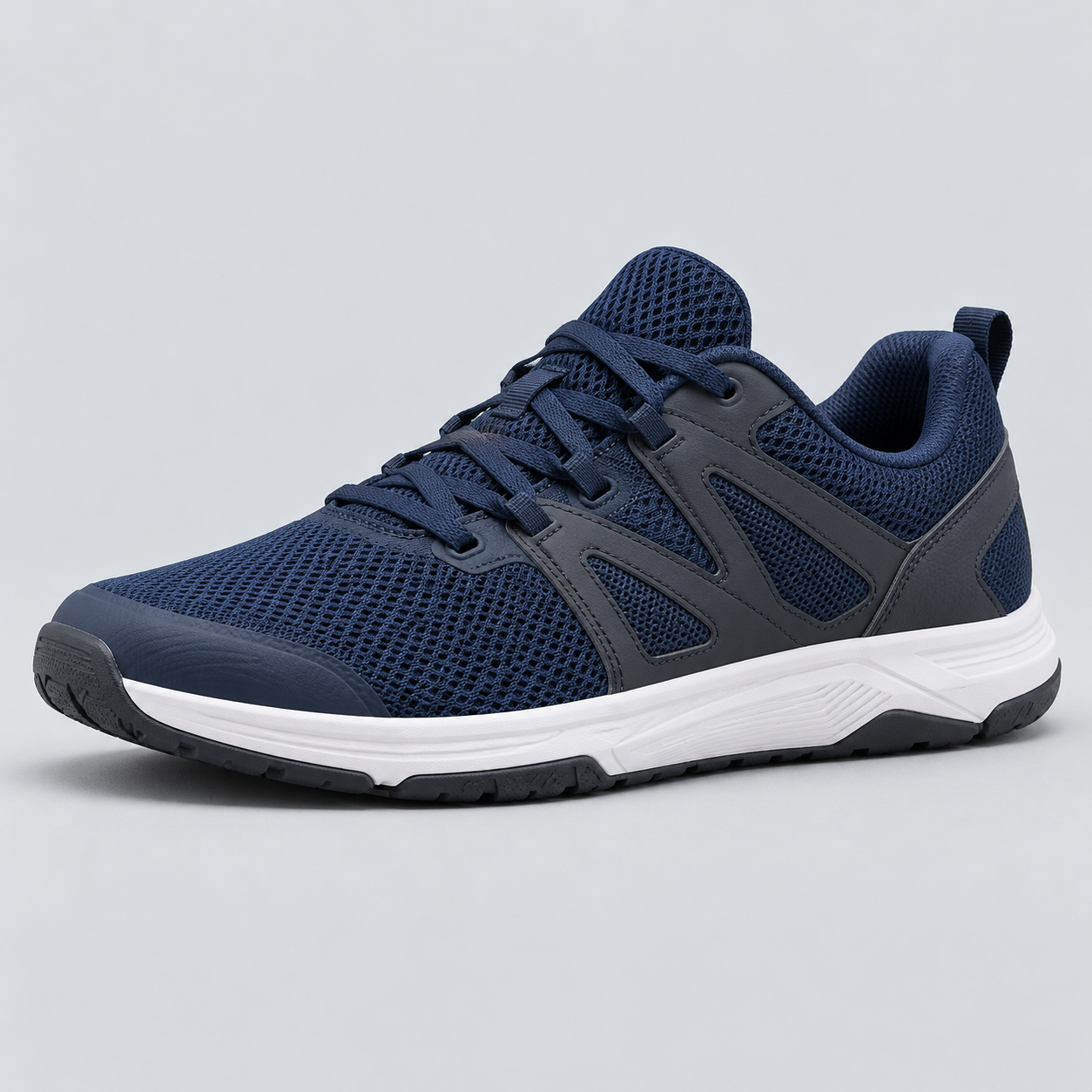
Navy mesh gym training shoe design reference