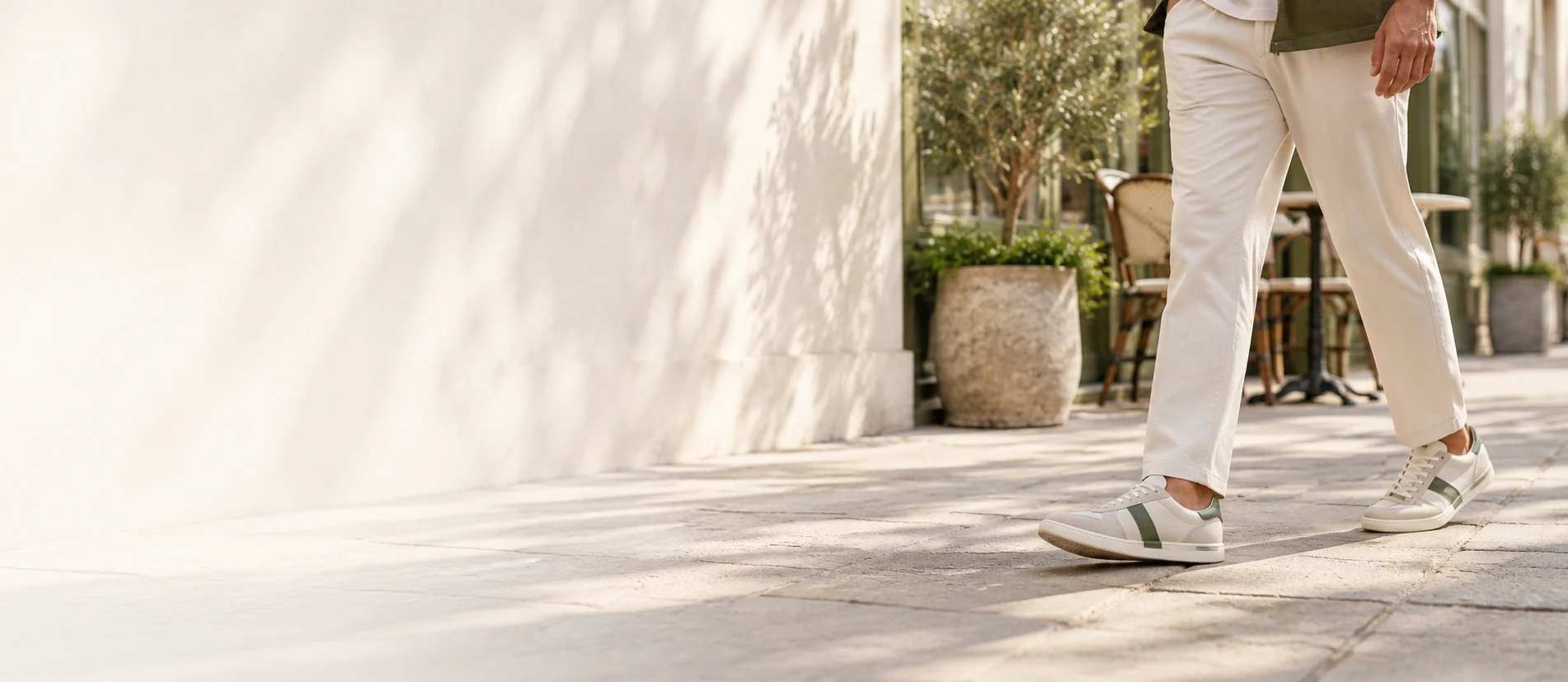
Build your casual shoe collection around the styles, fit, and everyday feel you want to offer. HEVA is a casual shoe manufacturer supporting OEM and ODM projects for men’s and women’s footwear, including lace-up sneakers and slip-on shoes.
We develop samples and manufacture footwear in our own factory. Bring your design, reference sample, or product idea, and we’ll work through the construction, customization, and order requirements with you before production.
Start with the role each shoe will play in your range. You may want a simple everyday sneaker, a style with more visible panel detailing, or a slip-on that complements your existing collection. Share the look you’re aiming for and the sizes you want to develop.
Design reference — final materials and details are confirmed for each project.
LACE-UP
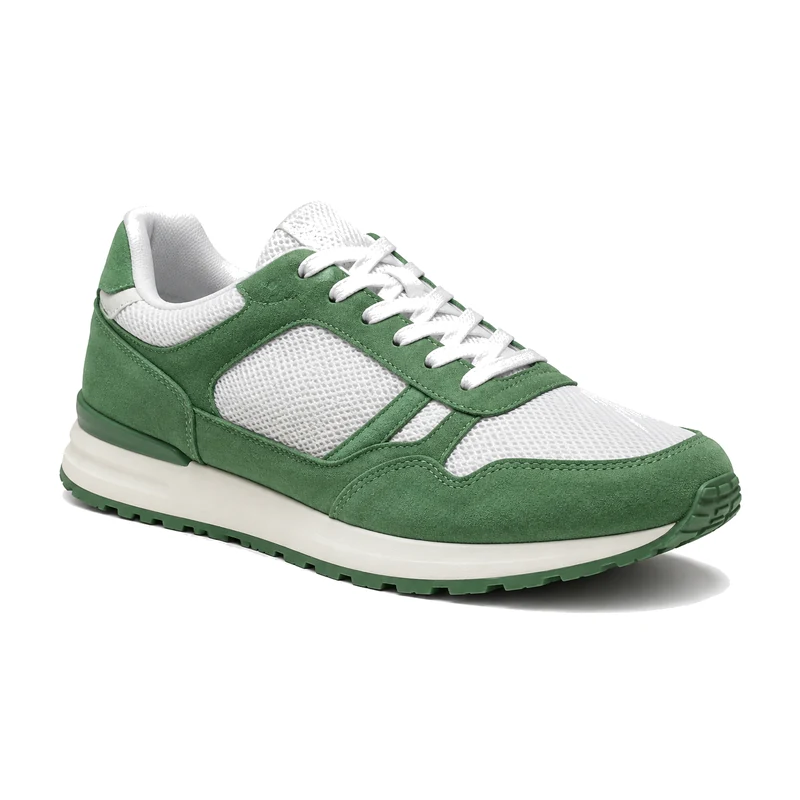
Lace-Up Casual Sneakers
For a lace-up style, define the upper shape, panel lines, tongue, collar, and lacing details you want to keep or change. If you have a reference shoe, point out what you like about it and where you want a different fit or appearance. These notes give us specific design and fit requirements to review.
AI-generated design reference — not a manufactured sample or stock item.
SLIP-ON
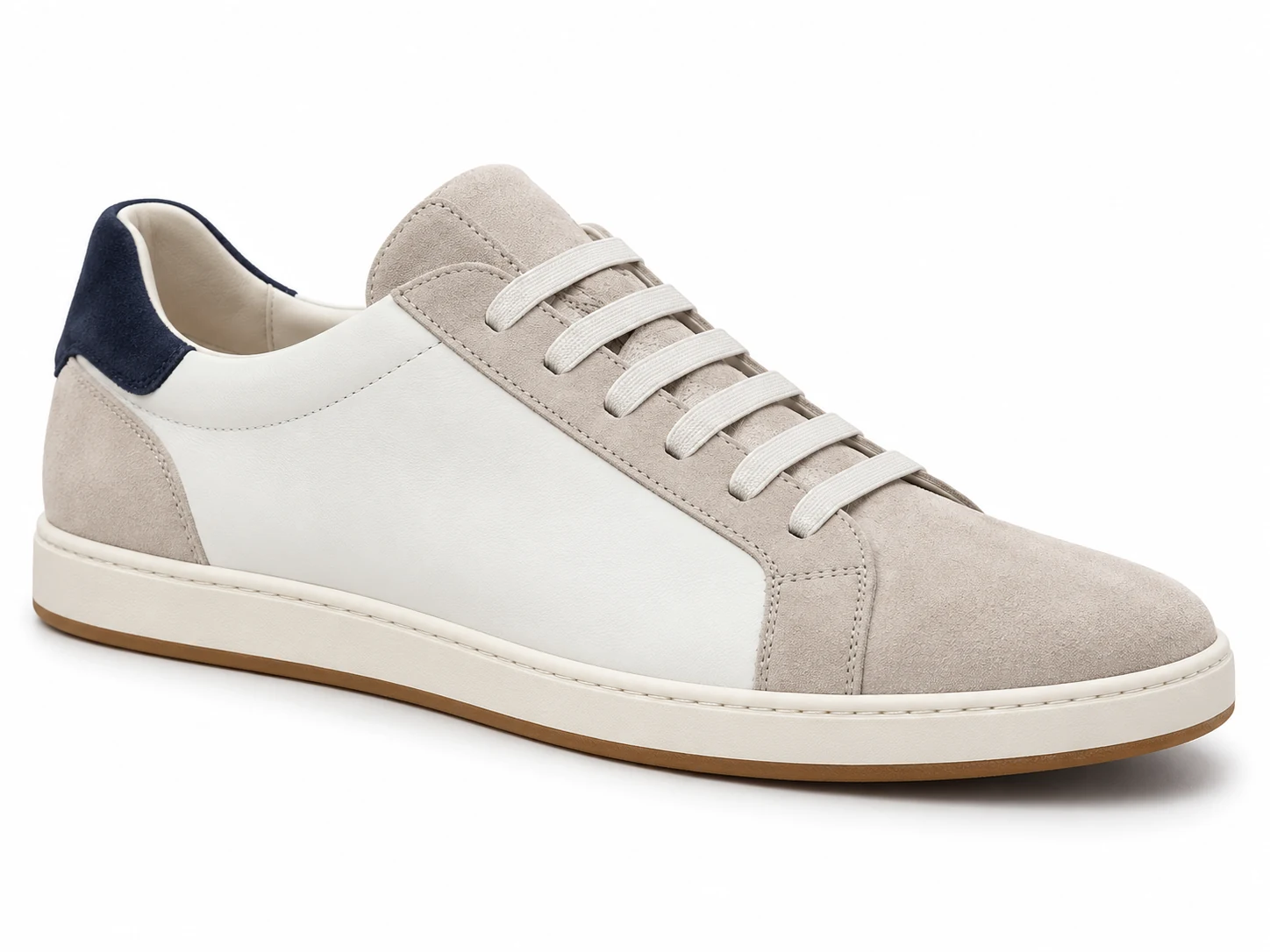
Slip-On Casual Shoes
For a slip-on, discuss the opening, collar shape, and how you want the shoe to fit around the foot. During sampling, let us know how easily the shoe goes on, whether the heel stays in place, and how the shoe fits overall. This feedback helps us evaluate the proposed construction. We’ll assess the materials and any elastic or closure details for the design you want to make.
These are casual styles for everyday wear. If your project also requires a shoe for running or gym training, tell us at the brief stage so we can review those requirements separately.
Define Materials, Fit, and Sole Construction
A reference can show the look you want. To develop the sample, we also need a clear brief on materials and construction. Tell us which details matter most to your collection, from the upper’s texture to the feel underfoot.
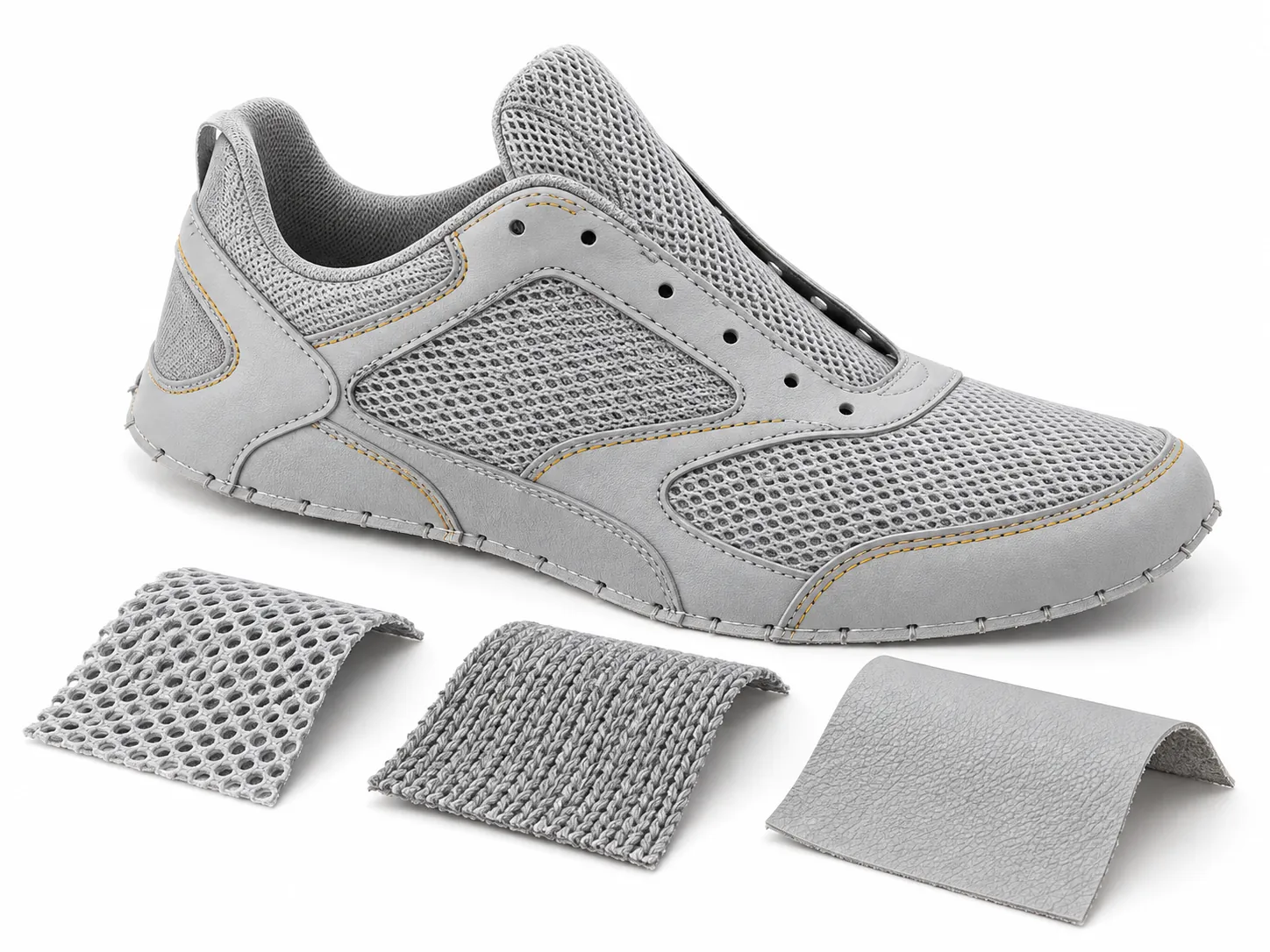
Illustrative reference — not a photograph of a HEVA product or facility.
Upper and Lining
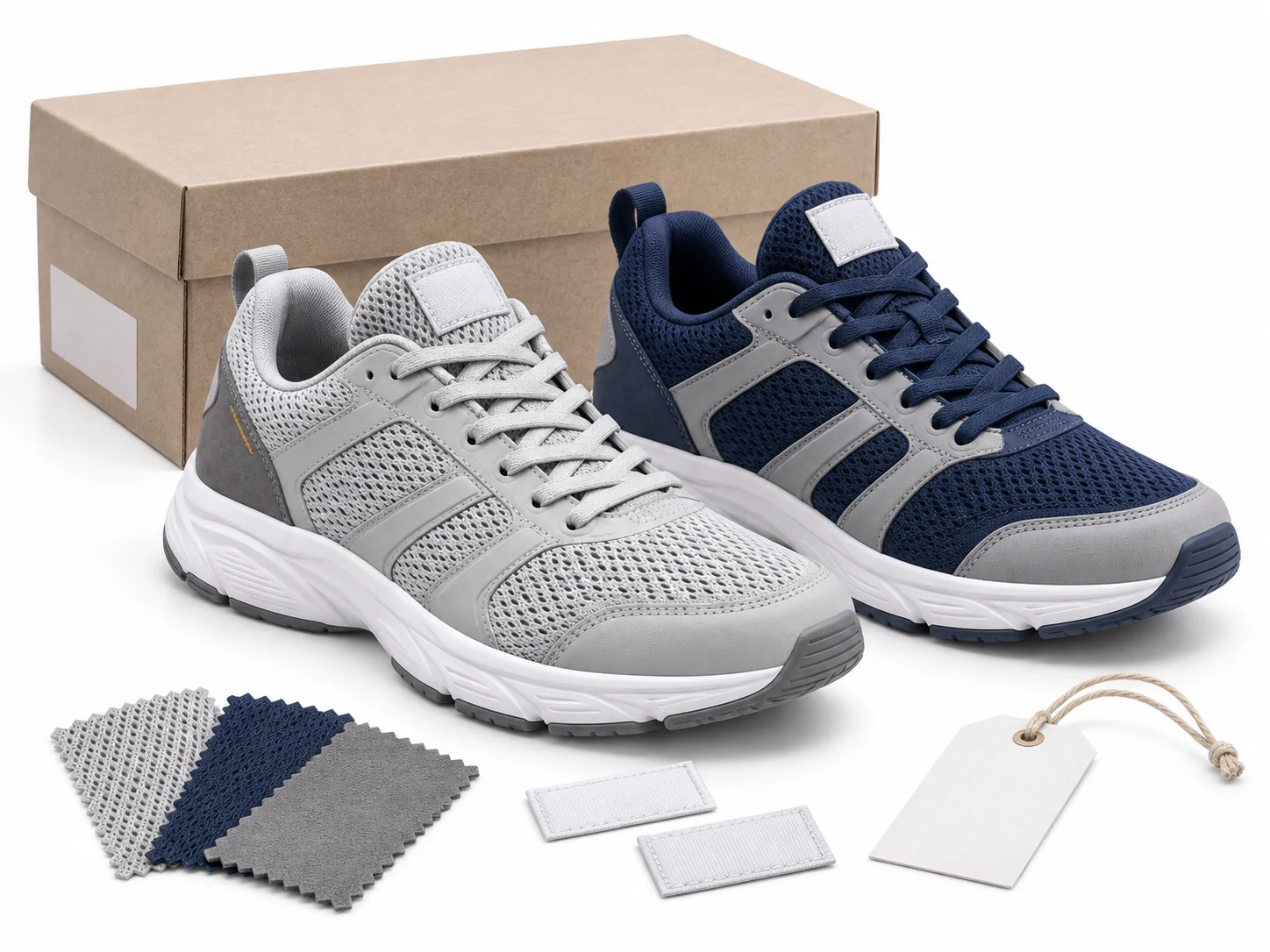
Upper and lining: We can start by discussing mesh, knit, and synthetic materials. We’ll review their suitability for your design, including panel construction, lining, and collar details, then confirm the final material combination with you.
Illustrative reference — not a photograph of a HEVA product or facility.
Sole Construction
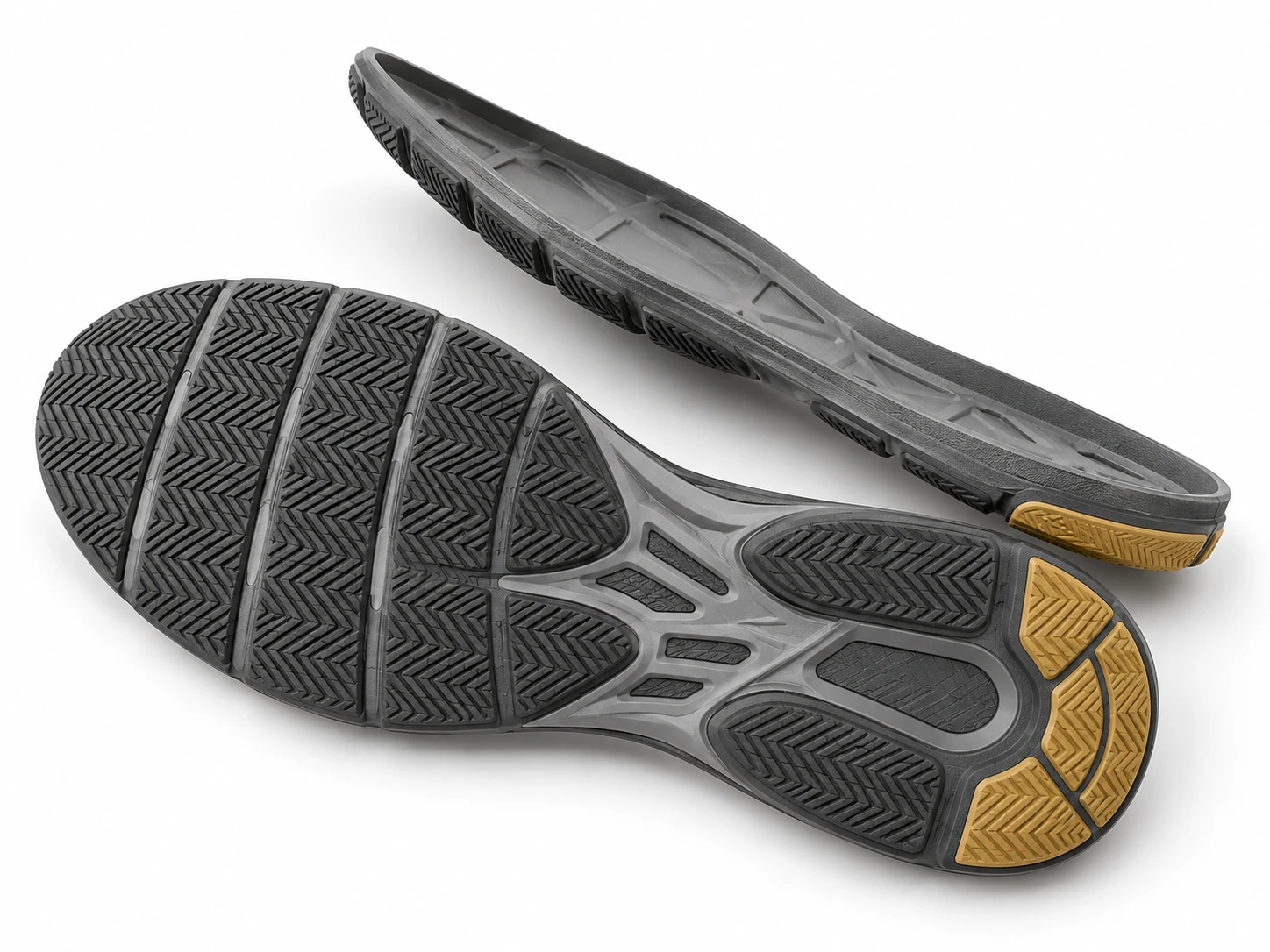
Sole construction: Tell us the sole profile, flexibility, and cushioning feel you want. We’ll review how the sole’s shape and construction work with the upper and suit the overall design.
Fit and sizing: Share your intended size range, any fit reference you use, and what you want to evaluate in the sample. Feedback about toe space, heel fit, or pressure around the opening gives us specific points to review with you. Let us know whether you plan to use U.S. men’s or women’s sizing, and share your size chart if you have one.
Customize the Details for Your Brand
Illustrative reference — not a photograph of a HEVA product or facility.
Decide which details you want to carry into your private label casual shoes. Your project may include adapting an existing style or developing a design with different panels, materials, and sole requirements. We’ll review the changes you want and identify what needs to be confirmed before sampling.
Customization can cover color combinations, logo placement, upper details, insoles, labels, and packaging, subject to the selected construction. Share artwork and color references where you have them, including any details that need to stay consistent across your collection.
If you want to change the last or sole, we’ll assess that separately from changes to colors or branding. New components or tooling need their own feasibility, cost, and timing review. We’ll confirm the agreed scope with you before development proceeds.
From Your Design or Reference to an Approved Sample
You can start with a developed design or an early idea. If you have a tech pack, sketch, or reference sample, send the information you have and highlight the changes you want. If you’re still choosing a direction, describe the intended style, market, size range, and estimated quantity.
01
Review the brief
We’ll discuss the upper, sole, materials, sizing, and branding requirements, then identify what still needs to be decided. With that information, we can assess feasibility, prepare a quotation, and discuss MOQ and sample arrangements.
02
Develop and evaluate the sample
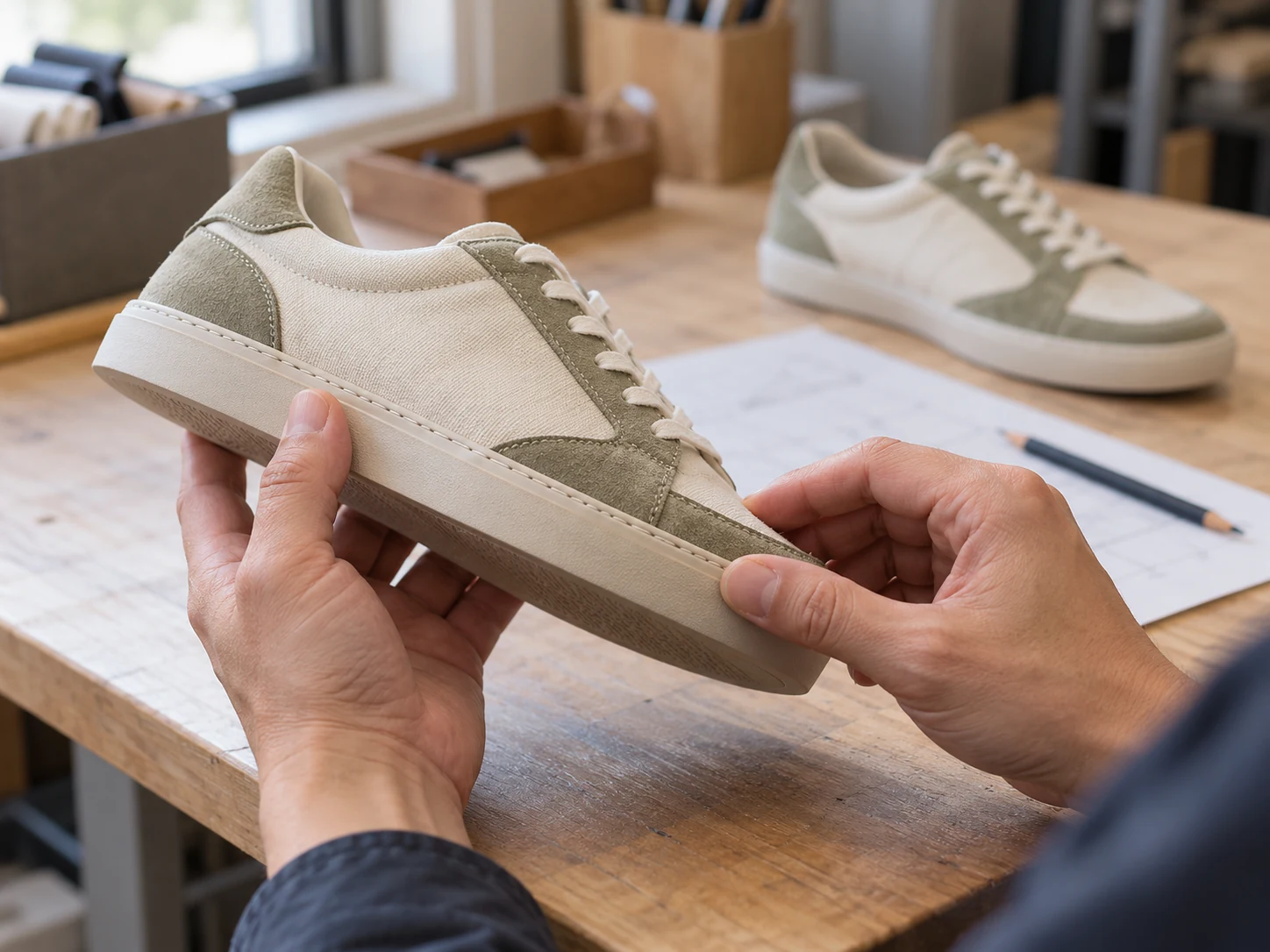
Once the development details are agreed, we’ll prepare the sample for your review. Compare its appearance and fit with your brief, including the collar, fastening details, color combinations, and logo placement. Describe any changes you want as specifically as you can.
03
Confirm revisions and approval
We’ll review your feedback and agree on the necessary revisions. Before bulk production, approve the sample and confirm the related specifications. These include details the sample pair alone cannot show, such as the full size range, order quantities, and packing requirements.
Illustrative reference — not a photograph of a HEVA product or facility.
Keep Production Aligned with Your Approved Sample
Your approved sample and agreed order specifications provide the reference for production and quality control. We review the applicable details for your casual shoe design, including upper panel placement, stitching, upper-to-sole alignment, visible finish, and consistency between the left and right shoes.
Color, branding, size labels, and packing information also need to match the order requirements. If a material or construction change is proposed, we’ll review it with you before it becomes a production change.
Let us know about any testing or documentation requirements during development so we can assess them. We’ll agree on the checks and acceptance requirements for your specific shoe and order.
As we prepare your shipment, we’ll confirm the shoe box, labels, carton markings, and quantity breakdown with you. Packaging and delivery arrangements are planned around the agreed order details.
MOQ depends on the selected style, material and component requirements, customization scope, and the way your order is divided across colors and sizes. Share your estimated quantity and proposed range so we can review the requirements and confirm an MOQ for your project.
How are sample and production lead times confirmed?
We’ll discuss the sample schedule once the development scope is clear, including material sourcing, any new tooling, and the revisions your design may need. We’ll confirm production timing separately, based on the approved sample, order specifications, quantity, and material availability. Tell us your target date early so we can assess the proposed schedule with you.
Can I use an existing sole or request a new one?
We can assess either route for your design. For an existing sole, we’ll review suitability, available sizes, and compatibility with the proposed upper. A new sole requires a separate development and tooling assessment. The route we agree on will depend on the shoe you want to make and your project requirements.
Tell Us About Your Casual Shoe Project
Share your design, reference sample, or style direction with HEVA. Include your target market, men’s or women’s range, intended sizes, estimated quantity, and any materials, colors, or branding details you have in mind. You can also include a target purchase price per pair and a delivery window, if you have them.
You don’t need every detail settled to get started. Send what you have, and we’ll review the next development step with you.