OEM / ODM · Private Label Development
Develop everyday road running shoes and daily training shoes for your brand with HEVA. We support OEM and ODM projects through development, sampling, manufacturing, and quality control, with own and partner factory resources arranged according to the project.
Bring your design, reference sample, or product brief. We’ll review what you want to make, assess the construction, and confirm the development route, quotation, minimum order quantity, and sample arrangements with you.
Start with how you want the shoe to fit into your range. Tell us about its intended road use, target market, size range, appearance, and expected underfoot feel. These details give the development brief a clearer starting point than a reference image alone.
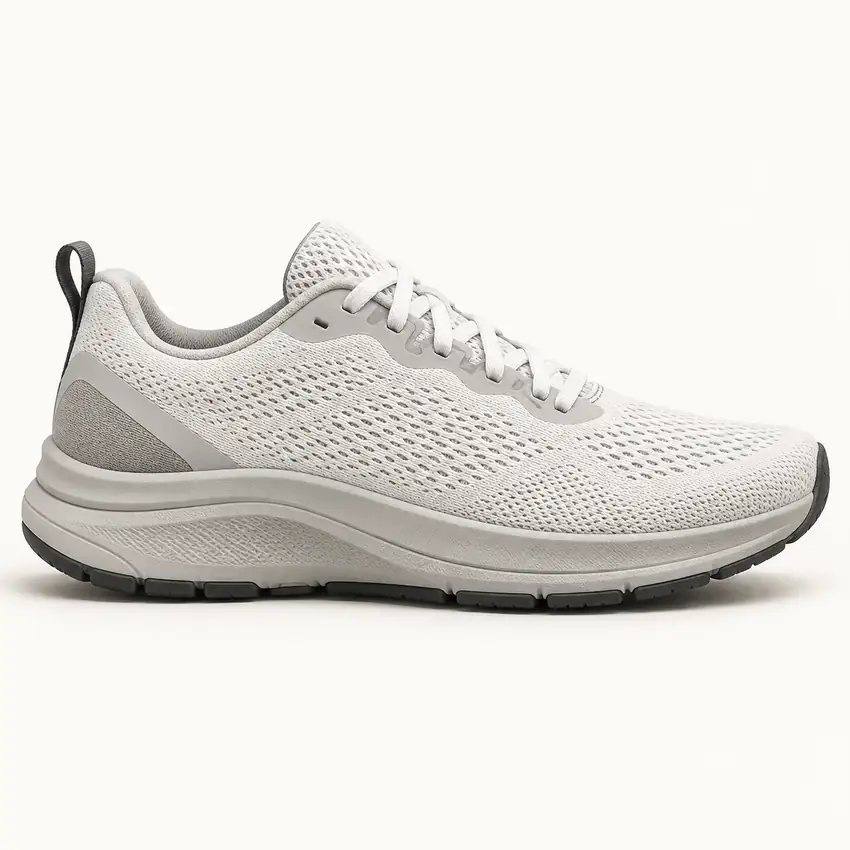
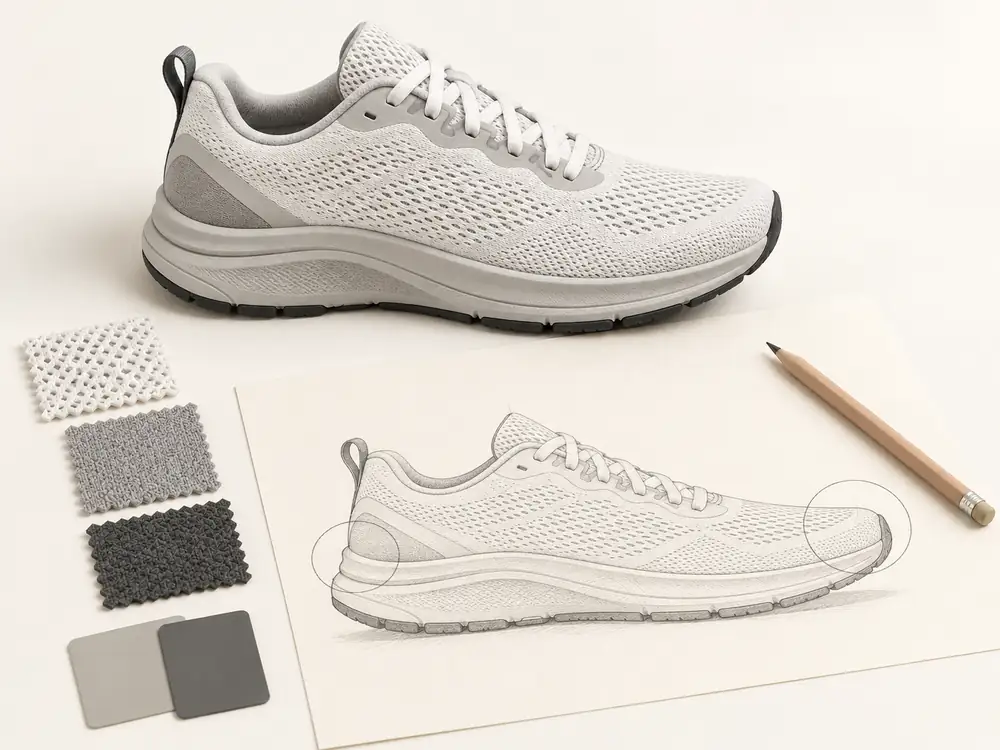
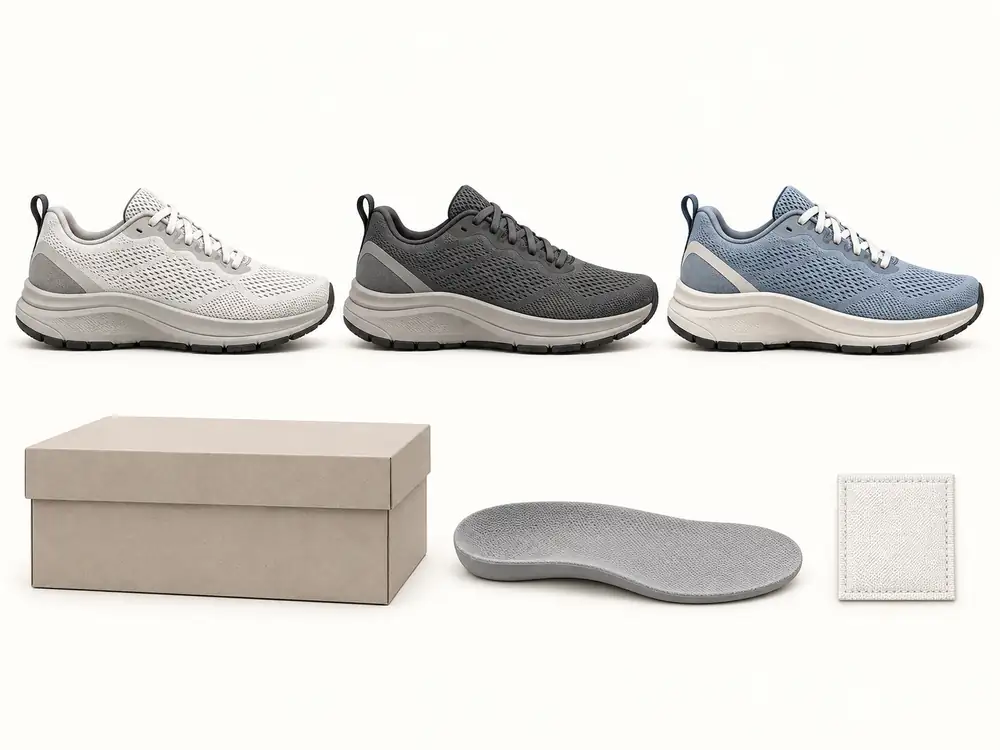
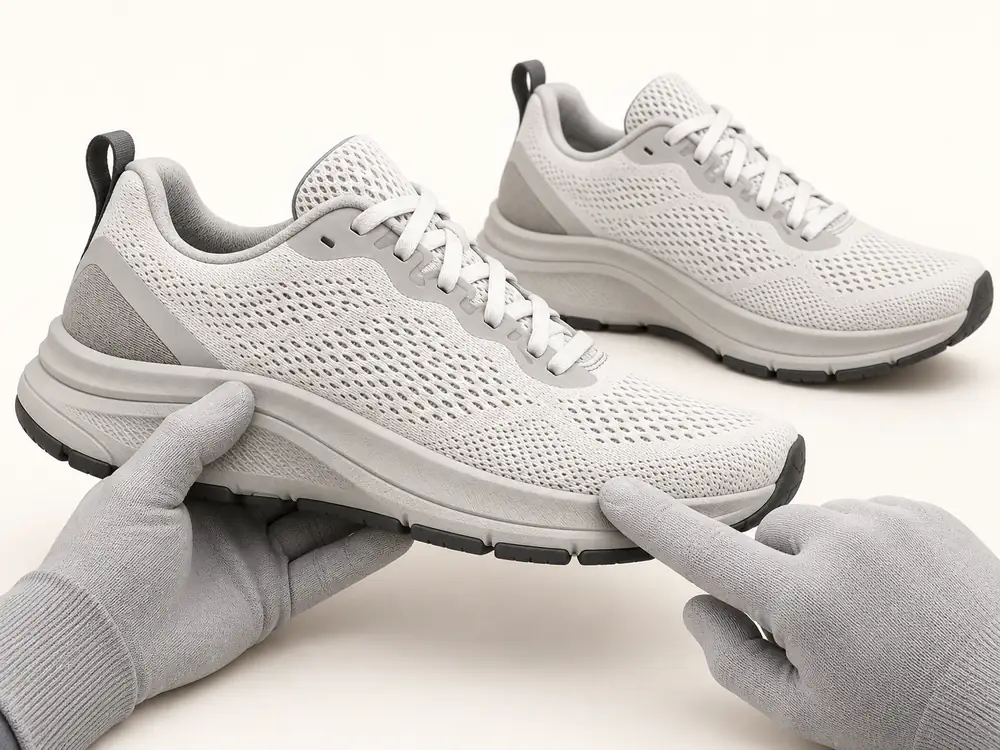
A white mesh-look running shoe concept with a tonal upper and contrasting outsole. Use this reference to discuss your preferred fit, colors, and branding.
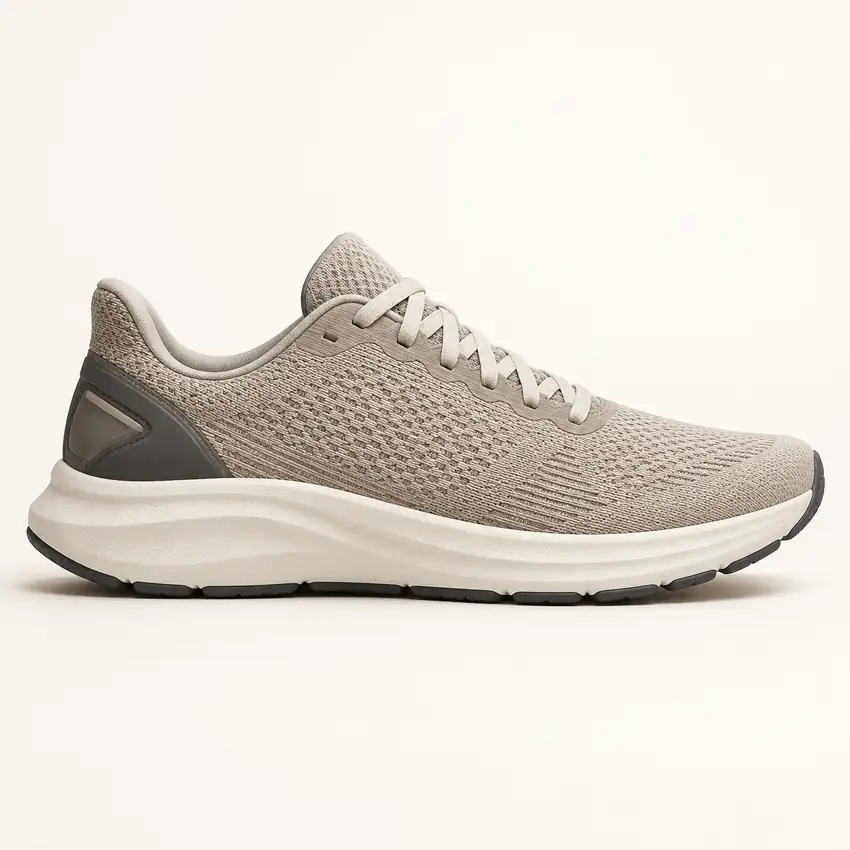
A taupe running shoe concept with a textured upper and contrasting heel panel. Share the upper construction and sole specifications you want to develop.
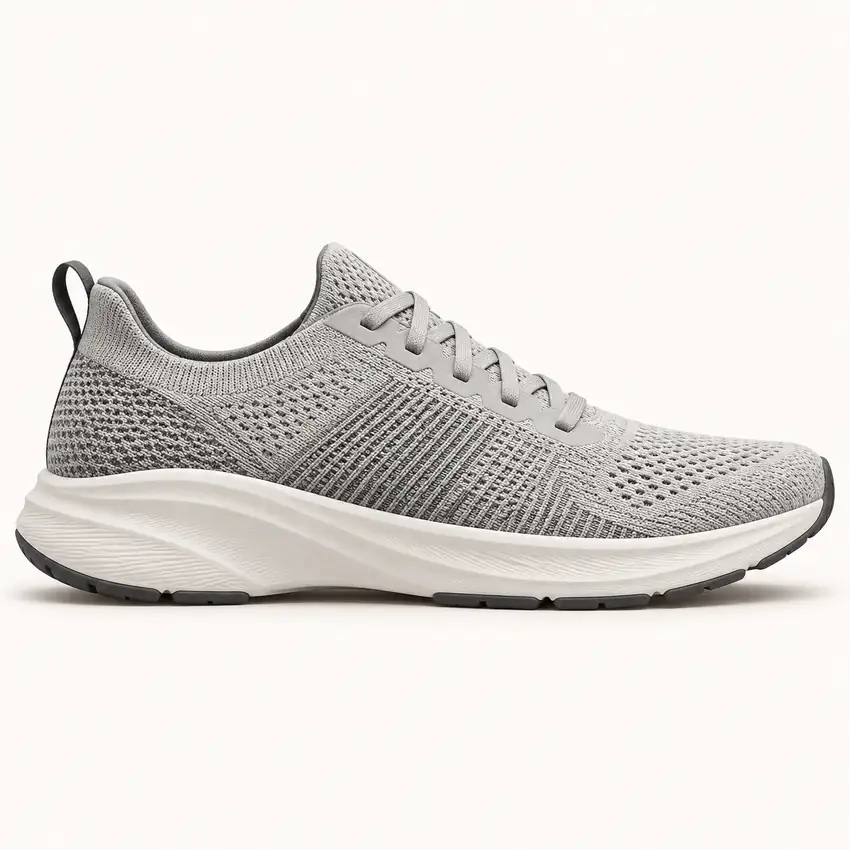
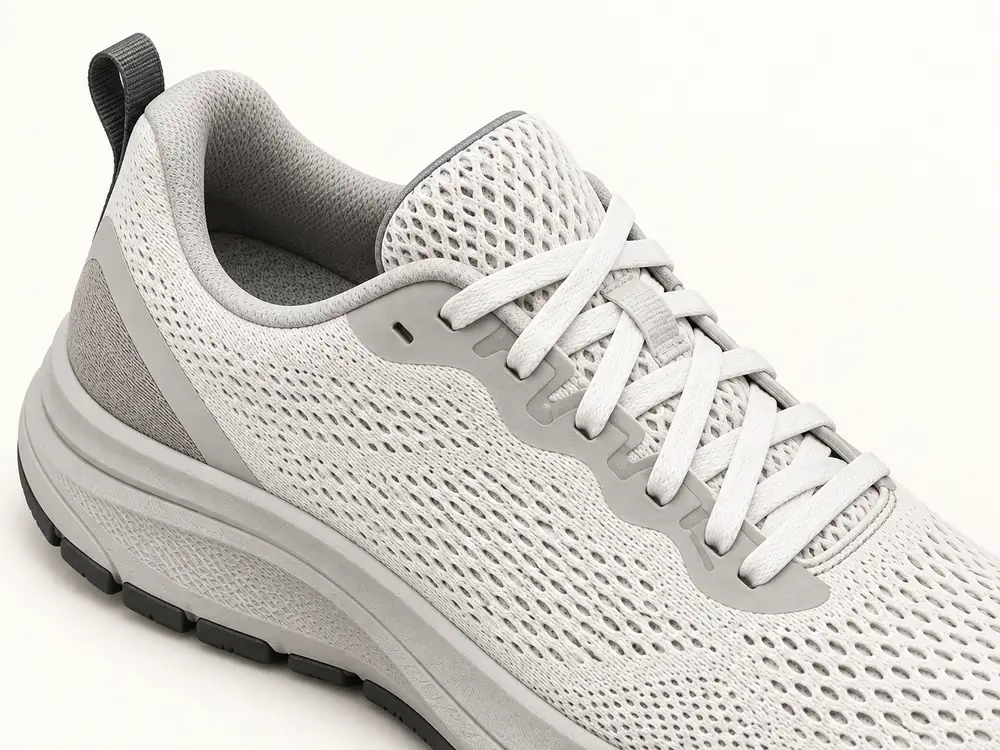
A grey running shoe concept with zoned knit-look textures and a clean upper profile. Discuss your preferred textile pattern, collar details, and color combinations.
For a shoe intended for regular running sessions, set priorities for fit, flexibility, cushioning, and durability. If you’re adding it to an existing collection, share the fit and design details you want to carry forward, along with anything you want to change.
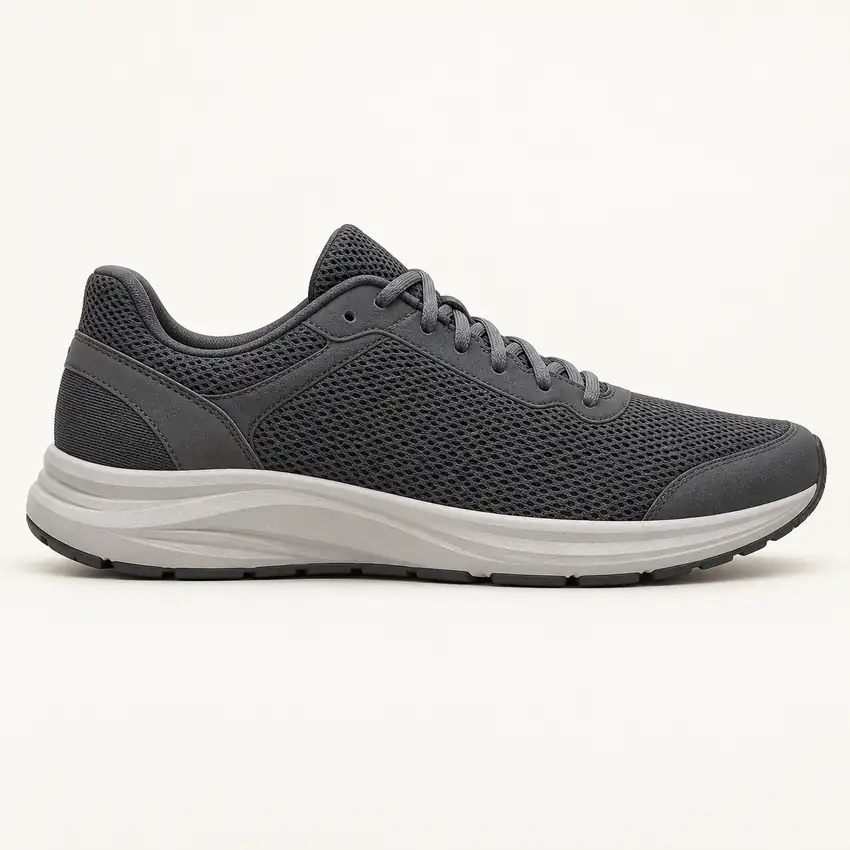
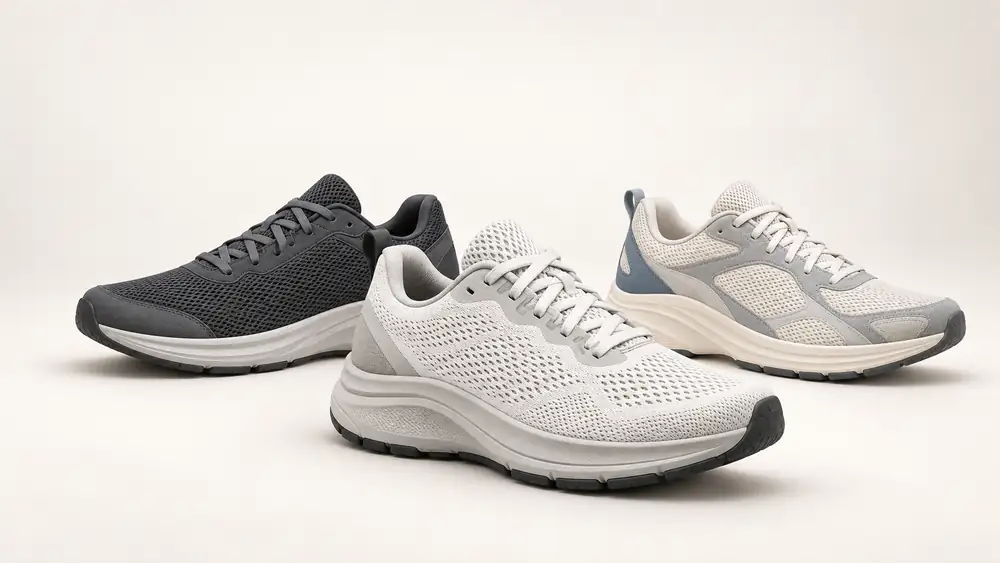
A charcoal daily trainer concept with a mesh-look upper and tonal overlays. Use this design to discuss fit, upper detailing, and your intended training use.
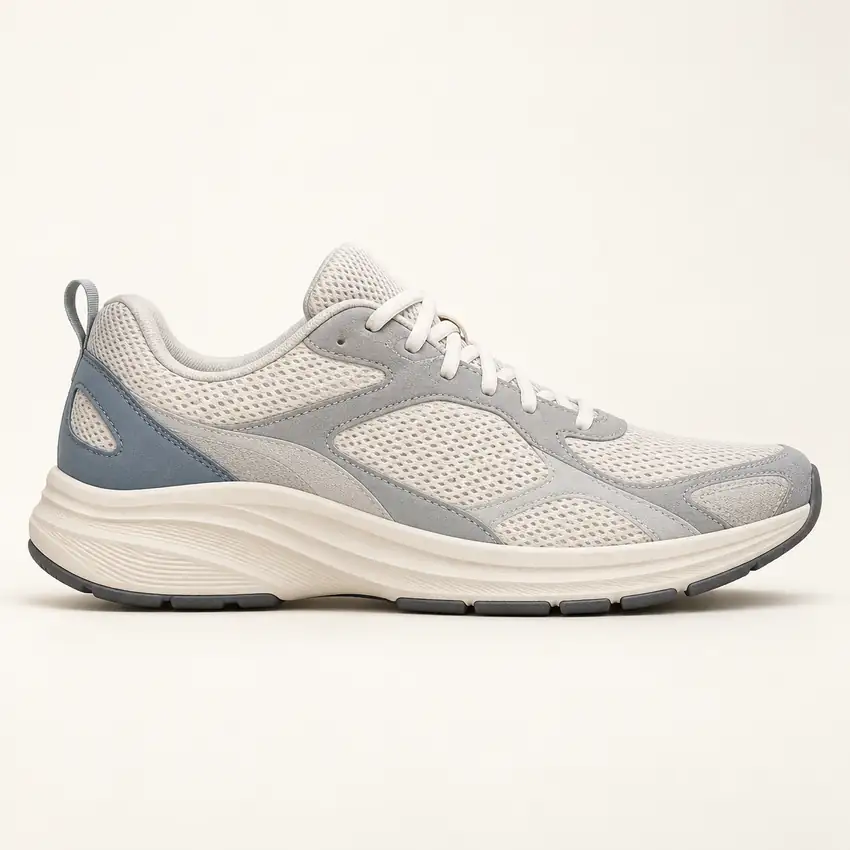
A light-colored daily trainer concept with layered panels and a contrasting heel detail. Discuss panel materials, color combinations, and logo placement for your range.
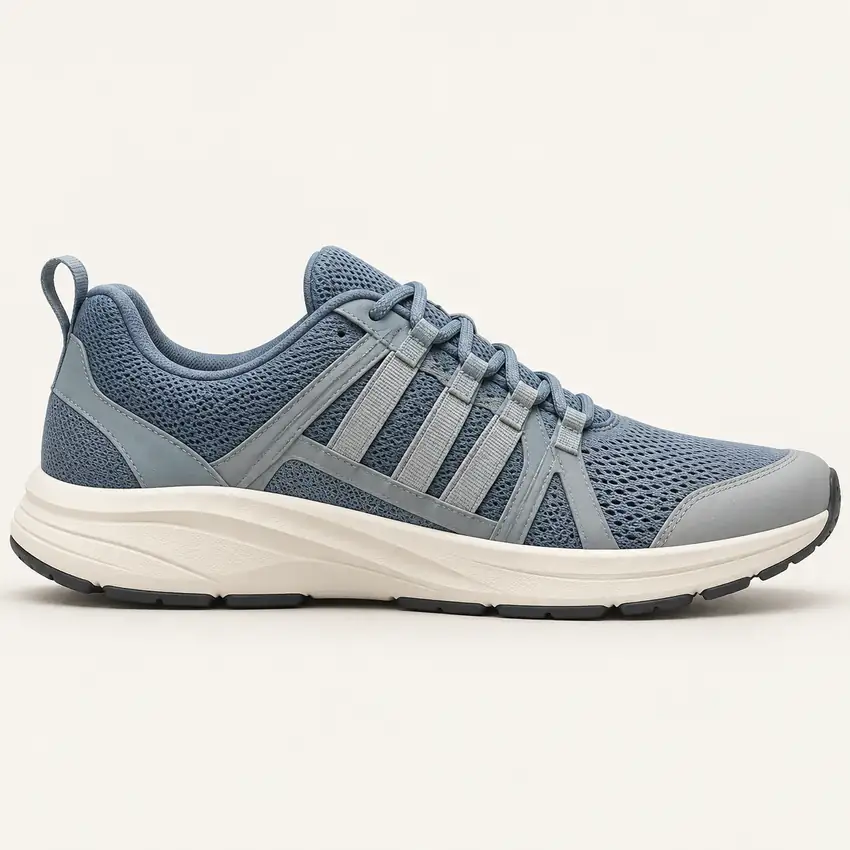
A slate-blue daily trainer concept with fabric lace loops and contrasting grey panels. Explore lace-loop detailing, toe overlays, and branding for your collection.
These categories can overlap. Before sampling, we’ll define the model with you based on its intended use and your specifications.
Design references are starting points for discussion. Final materials, construction, availability, and specifications are confirmed for each project.
Your private label project may involve adapting an existing design or developing a shoe from a new design. We’ll assess the starting point and proposed changes before confirming what can be made.
Select existing styles and discuss current stock or made-to-order supply. Availability, quantities, and timing are confirmed for your selected styles.
A useful running shoe brief connects each component to what you want from the finished shoe. We’ll review your priorities and assess material and construction options for the project.
Tell us whether your design calls for mesh, knit, or another upper construction. Include the lining, tongue, collar padding, and reinforcement details you have in mind. Consider moisture management, fit, and appearance together when discussing the options.
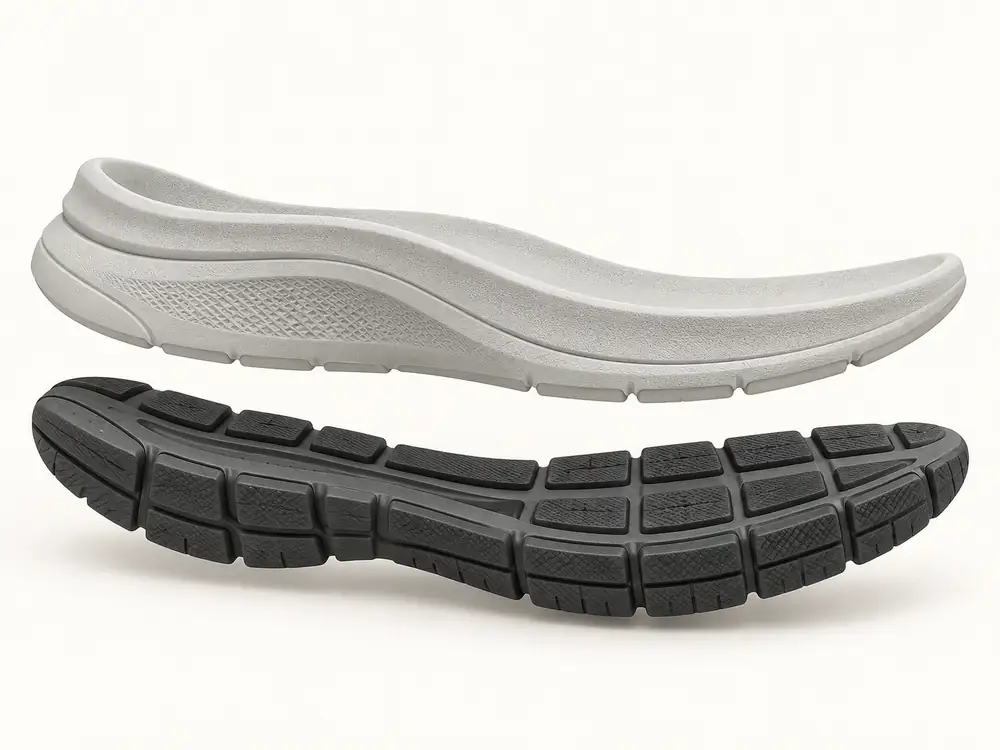
Describe your priorities for cushioning, flexibility, weight, and the sole profile. Review the proposed midsole material, outsole material, and tread as part of the complete construction. If you have specific abrasion, flexing, or traction requirements, include them in the brief so we can discuss how to assess them.
Colors for the upper, sole, lining, laces, and other visible components.
Logo artwork, placement, size, and the proposed application method.
Insole branding and label content.
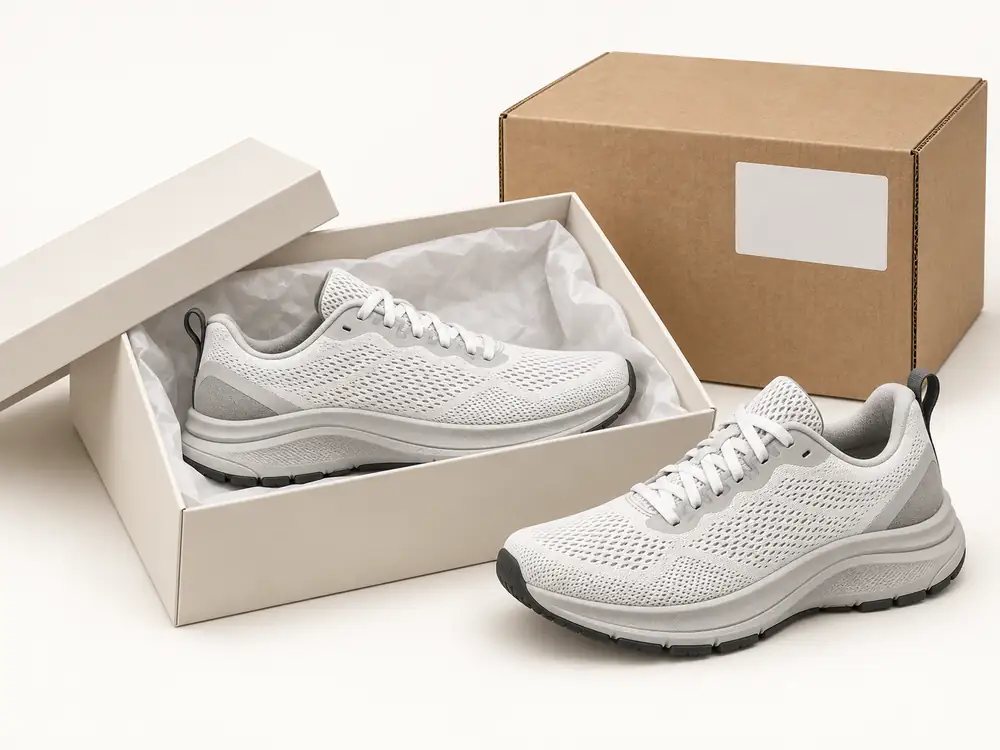
Shoe box artwork, packaging, and any required identification details.
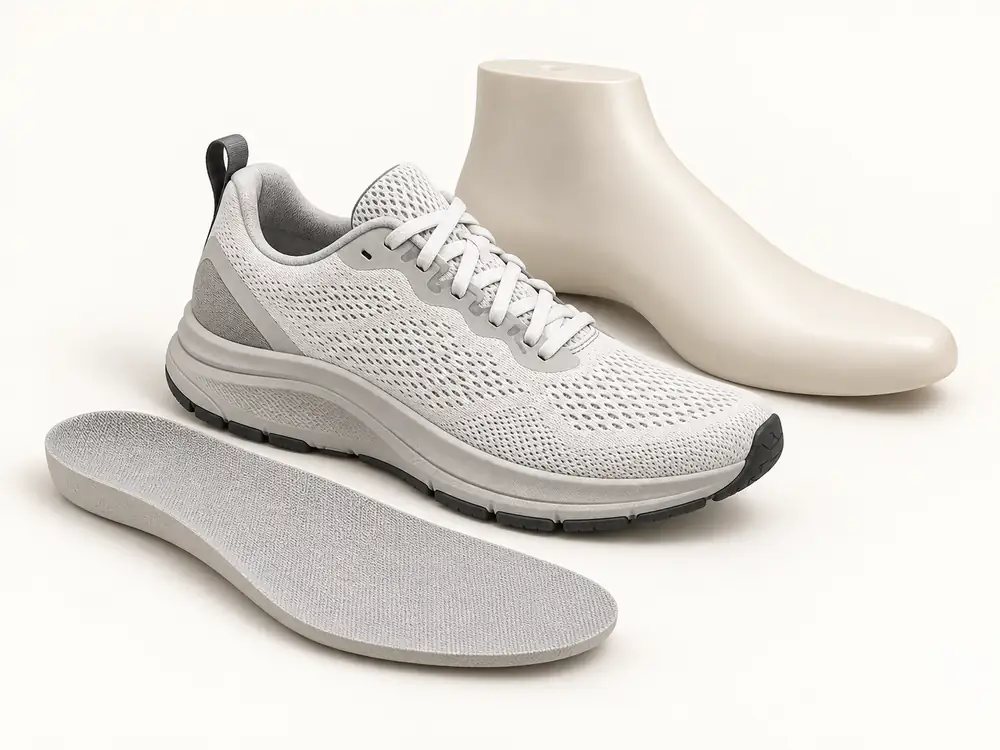
Confirm the insole specification, reference size, size range, and fit expectations. Specify the size system and width you’re targeting. If you need fit checks across several sizes, agree on the sample sizes and review method before approving production. The last (the form used to shape the shoe) should be considered alongside the upper and sole. Use sample feedback to describe where you need more room, a closer fit, or a different feel.
Set your cost target early so we can review proposed changes in context. Final materials and specifications are confirmed through the project assessment and sample approval.
Changes to the upper pattern, last, sole structure, or tooling need a separate development review. Let us know which details are essential to your design and where you’re open to alternatives. We’ll discuss how the proposed scope affects cost, MOQ, and timing before sample development begins.
Send your design or reference, intended use, market, size range, and estimated quantity.
Review construction, materials, development scope, quotation, and sample arrangements.
Review the sample and confirm any revisions against the agreed requirements.
Confirm availability or approve the production reference and written order specifications.
Complete the agreed inspections and confirm packing, quantities, and delivery arrangements.
Send your tech pack, drawings, reference sample, or initial brief. We’ll review the intended use, construction, size range, branding, and quantity, then identify the details needed to assess feasibility and prepare a quotation.
Before sampling, agree on the proposed materials, components, colors, reference size, and branding details, together with the sample fee and schedule. If your design requires new tooling or further development, that work needs to be included in the plan.
When you review the sample, separate comments on appearance, fit, construction, and branding. Photos with marked areas and clear descriptions help explain the changes you want. If you assess the sample for fit, note toe room, heel hold, and any pressure areas, and include the sample size with your comments. We’ll review the feedback with you and confirm the revisions.
Before bulk production, approve the sample and confirm the written order specifications. Document any agreed changes so the production reference reflects your final decisions.
To prepare a useful quote, we need the proposed style, material and construction requirements, estimated quantity, color options, size breakdown, branding, and packaging details. If some decisions are still open, mark them in the brief so we can identify what needs to be resolved.
MOQ, sample fees, sample timing, and the bulk production schedule are confirmed for the project. Material sourcing, customization, tooling, and sample revisions can affect the plan. Share your target launch or delivery date at the start so we can assess it alongside the development work.
Before we prepare your order for delivery, confirm the destination, carton and label requirements, packing instructions, and agreed delivery arrangements. Check that the final order specifications and quantities match the approved production details.
We use the approved sample and order specifications as the reference for bulk production and QC. Before production begins, we confirm the materials, components, size assortment, colors, and branding details for the order.
Color, logo placement, and other details across the production batch.
Upper assembly and finish, including stitching, lining, and visible workmanship.
Size markings, dimensions, and consistency between the two shoes in each pair, all checked against the agreed specifications.
The connection between the upper and sole, including visible gaps or separation.
Pairing, labels, packaging, and the style, color, size, and quantity breakdown for shipment.
Our internal team handles routine quality checks. Specialized testing is arranged with third parties when required for the project.
Visual inspection and performance testing serve different purposes. If the project requires sole bond, flexing, abrasion, or other tests, we’ll review the requirements with you and confirm the methods, acceptance criteria, arrangements, and report needs separately. The agreed inspection plan defines the checks for your order.
Review designs, proposed materials, and sample requirements before confirming the development scope.
Own and partner factory resources are arranged according to the project. The production route is confirmed against construction, quantity, and scheduling needs.
Coordinate sample approvals, specifications, production follow-up, inspection requirements, and delivery arrangements.
Share the design and the changes you want, from colors and branding to materials or structure. We’ll review the available starting design and your requested changes before confirming the scope.
We’ll confirm the MOQ with your quotation after reviewing the style, proposed materials, customization, and estimated quantity, including the color and size breakdown.
Your private label project may involve adapting an existing design or developing a shoe from a new design. We’ll assess the starting point and proposed changes before confirming what can be made.
Colors, logo artwork, insole branding, label content, shoe box artwork, and packaging can be included in your brief.
We confirm the schedule after reviewing the development scope, materials, tooling needs, and order details. Sample revisions and approval also affect the timeline. Include your target date in the initial inquiry.
MOQ, sample fees, sample timing, and the bulk production schedule are confirmed for the project. Material sourcing, customization, tooling, and sample revisions can affect the plan. Share your target launch or delivery date at the start so we can assess it alongside the development work.
Visual inspection and performance testing serve different purposes. If the project requires sole bond, flexing, abrasion, or other tests, we’ll review the requirements with you and confirm the methods, acceptance criteria, arrangements, and report needs separately. The agreed inspection plan defines the checks for your order.
Yes. Send your design, tech pack, reference sample, or initial brief for assessment. We’ll review the construction and project requirements, then confirm feasibility and the proposed sample development steps.
Share the intended use, sales channels, and any required test specifications or reports at the start. We’ll review these with you and confirm the applicable testing plan, criteria, and arrangements for the project.
Tell us what you want to develop and where you plan to sell it. For an initial review, send:
You can start with a brief if you don’t have a complete tech pack. We’ll review the information with you and confirm what is needed for a quotation and sample development.
Tell us about your footwear project. Share your requirements and our team will review your inquiry.