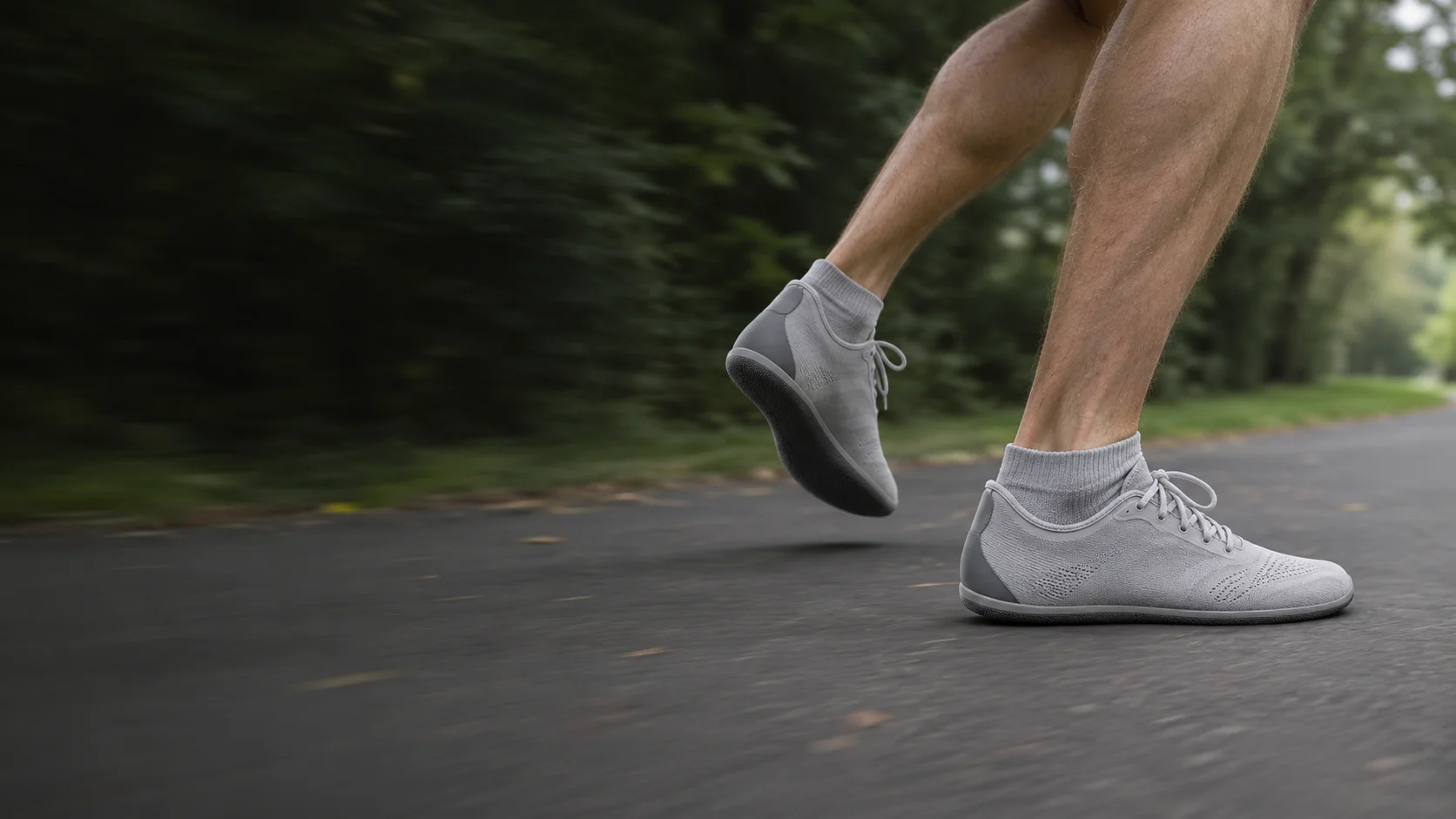
Barefoot Running Shoes Manufacturer
Develop adult barefoot running shoes for your road running collection, or discuss a version for light trails. Start by defining the fit, sole feel, and running surfaces you want to design for.
Share your design, reference shoe, or initial concept. For your OEM or ODM project, we’ll work through the specifications and sampling with you, then coordinate production and quality follow-up.
Choose the Terrain for Your Running Shoe
Describe where the shoe will be used before choosing its upper and outsole. Pavement, maintained paths, and loose gravel can call for different tread patterns, areas of outsole contact, and levels of protection.
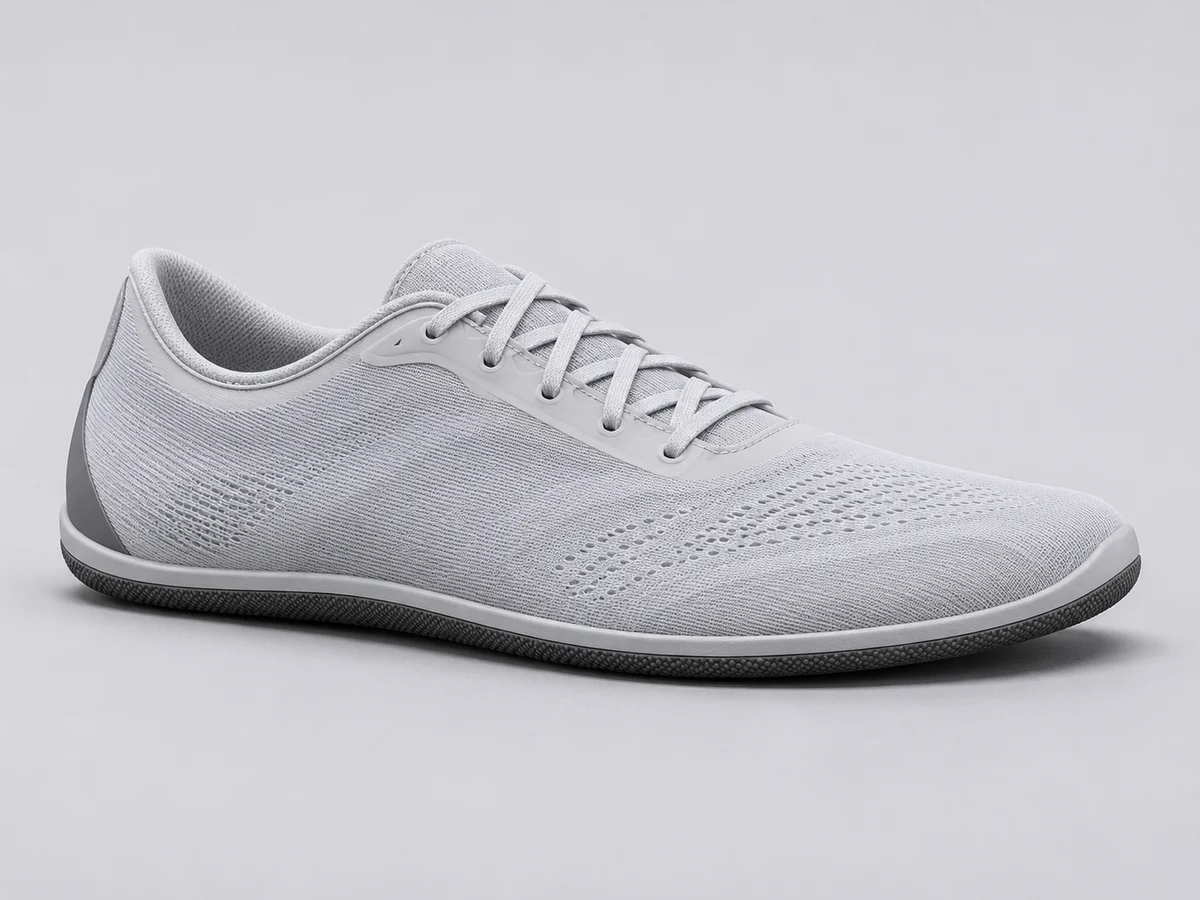
Road running
For barefoot road running shoes, consider outsole coverage and tread alongside flexibility and the way the upper holds the foot. Your brief should describe the intended surfaces and the balance of ground feel and underfoot protection you want to explore.
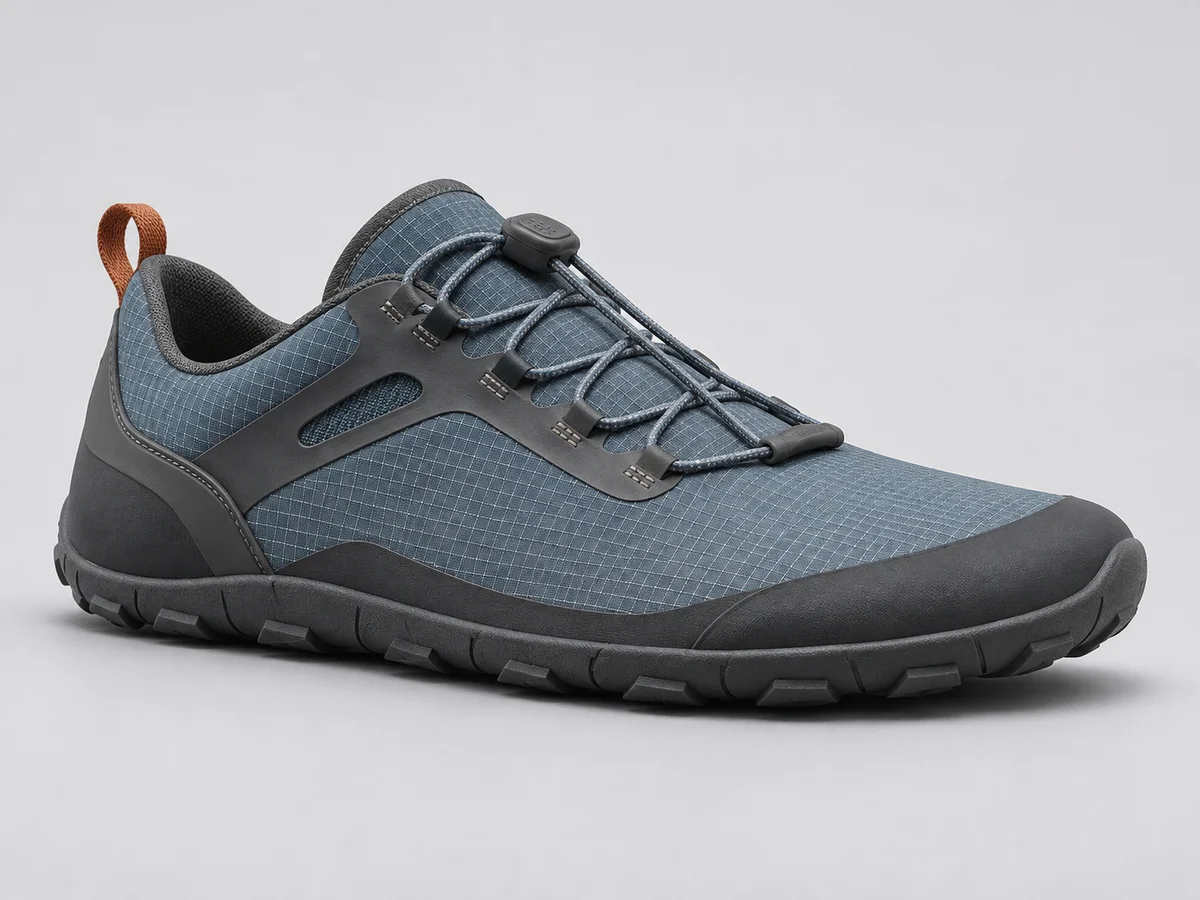
Light trails and mixed routes
If your range includes barefoot trail running shoes for maintained trails or routes that mix pavement and gravel, discuss tread shape and spacing, exposed upper areas, and the protection needed around the toe. Review these changes together: adding outsole material or upper reinforcement can also change how the shoe bends and fits.
For a broader choice of terrain and construction, explore our trail running shoe range.
Define the Fit and Sole Construction
Barefoot running shoes typically combine room for the toes, a thin, flexible sole, and zero heel-to-toe drop. Minimalist running shoes vary in cushioning and construction, so the category name alone won’t give you a complete specification.
Toe room and a secure fit
Define the shape and volume you need across the forefoot, including the space above the toes. Review the midfoot, lacing, and heel fit together so you can assess both toe room and how securely the upper holds the foot during running.
Use the foot shapes and adult sizes you’re targeting to guide the choice or development of the last—the form that shapes the shoe’s fit. Plan the fit and sizing for each men’s, women’s, or unisex range.
Drop, stack height, and the insole
Heel-to-toe drop describes the difference in height between the heel and forefoot. Stack height describes the thickness underfoot. A zero-drop design can still have cushioning, and a wide toe box alone does not define a barefoot shoe.
Agree on the measurement locations and which layers count toward the stated thickness, including whether the insole is included. Use that same basis to compare samples, and record any changes to the sole or insole in the specification.
Flexibility and protection
Consider how the shoe bends with the selected upper, outsole, and insole in place. Connect those choices to the intended terrain, then identify what needs sample review or testing. This gives you a basis for discussing sole feel and protection without relying on labels such as “thin” or “flexible” alone.
Customize the Details of Your Running Shoe
Your custom barefoot running shoes can start from a design or a suitable style reference. We review the selected construction and available components with you to establish which changes are practical.
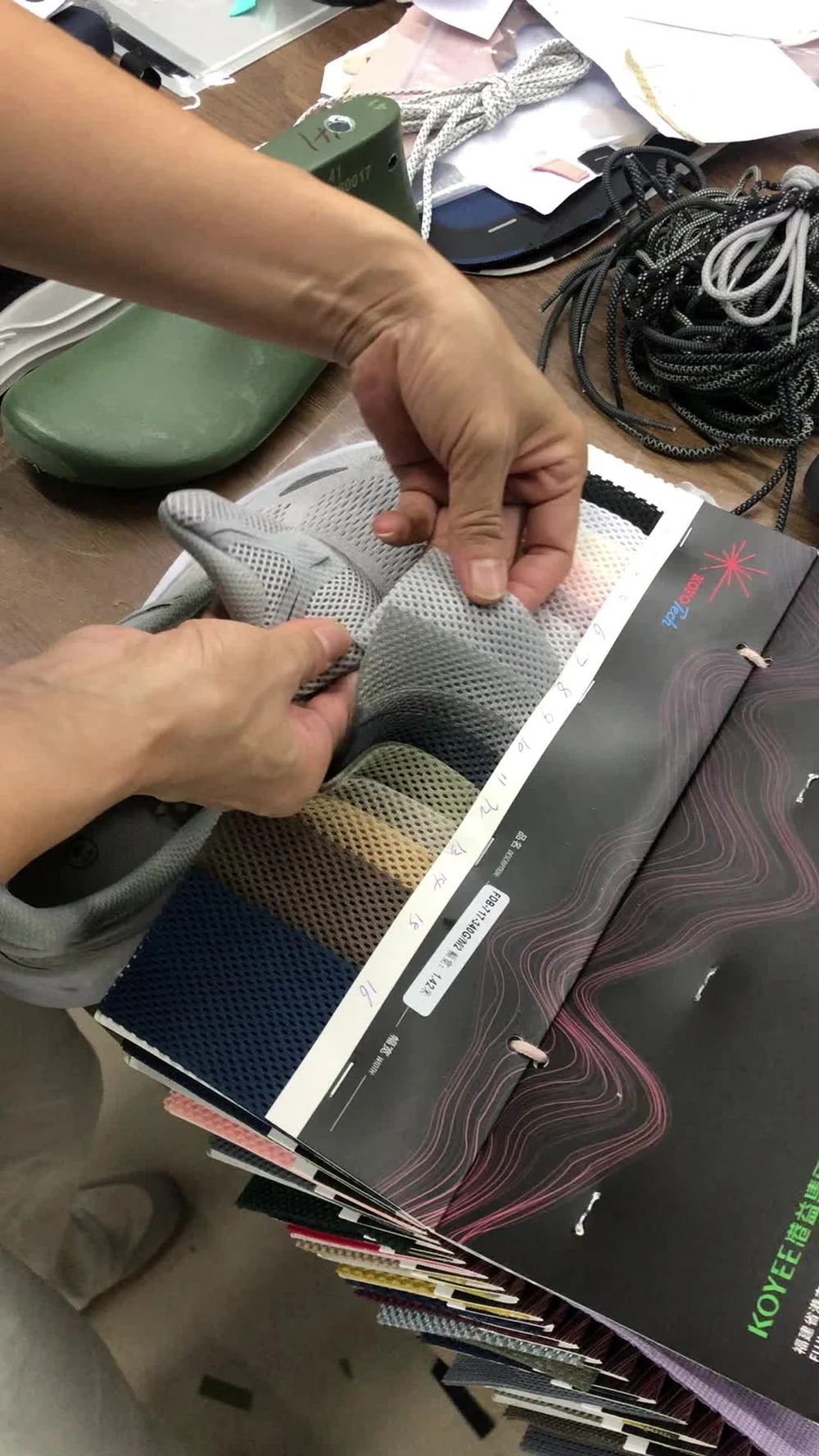
Upper and fastening details
Discuss textile options, panel placement, lining, and the lacing arrangement. For a road shoe, your brief may emphasize ventilation and midfoot hold. For light-trail use, identify exposed areas where you want to consider reinforcement. Material selection and construction need to be reviewed together.
Last, outsole, and insole
Compare the fit and sole you want with the available components. The last shape, outsole geometry, and how the parts fit together may call for additional development or tooling. We’ll assess what’s needed before finalizing the sample plan.
Color, branding, and packaging
Define color references, logo placement, labels, and packaging for your private label collection. We review how these details fit the chosen materials and construction, then include the agreed requirements in the project specifications.
Review the Sample Before Production
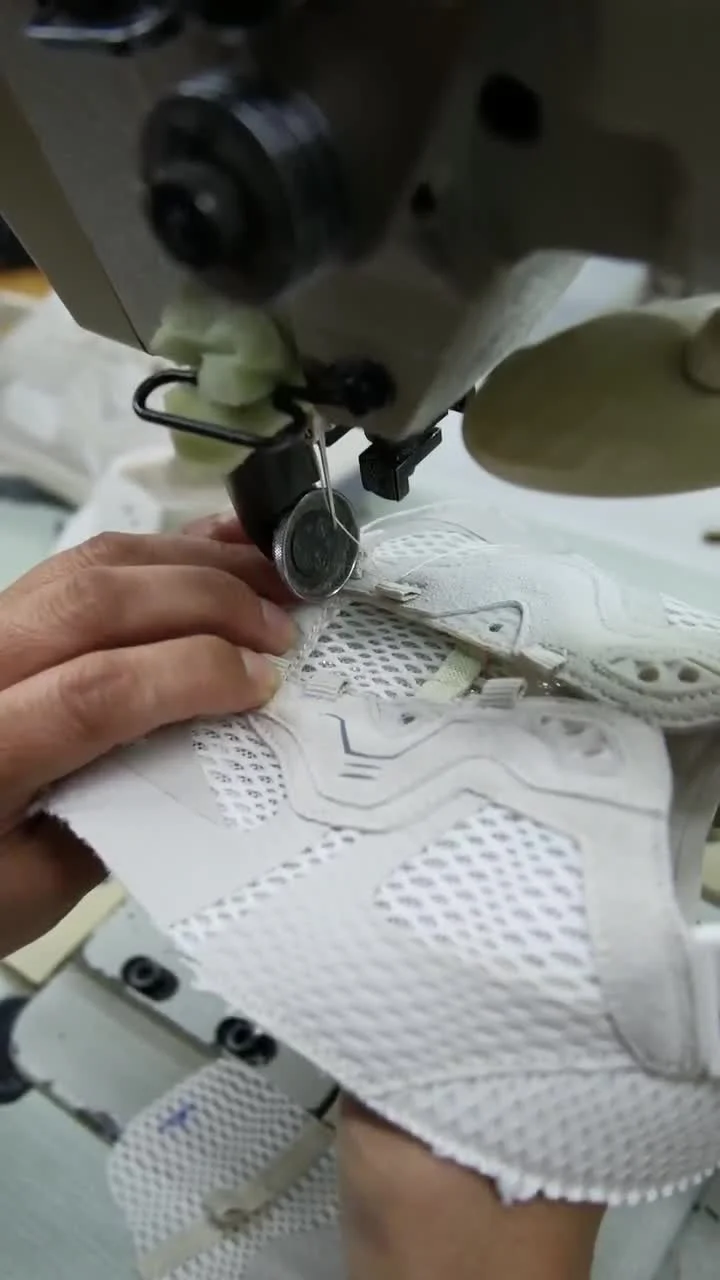
Before sampling, we review your intended use, size plan, materials, construction, and customization requirements. We use these details to define the development work and discuss your quote, MOQ, and timing.
When you review the sample, record what works and what needs to change. Useful points to cover include:
- Forefoot and toe space, heel fit, and the way the lacing holds the foot.
- Upper seams, lining, and any pressure or movement noticed during fitting.
- The agreed sole and insole combination, measurements, and bending feel.
- Left-right consistency, color, logo placement, and labels.
Record the sample size and fitting conditions, including the socks and insole used. Keep comments tied to a sample version so revisions can be compared on the same basis.
If a lightweight design is part of your brief, agree on a target weight and reference size. Compare samples on the same basis, noting whether the weight is for one shoe or a pair and whether the insole is included.
We coordinate the agreed changes and review the revised requirements with you. Before production, confirm the approved sample version, specifications, and any outstanding order or testing requirements. A sample’s appearance and fit are part of that approval; performance testing is arranged according to the project’s needs.
Keep Production Aligned with the Approved Sample
HEVA uses your shoe specifications and order requirements to identify suitable partner factories and coordinate production follow-up. Quality checks use the approved sample and written specifications as their reference.
Checkpoints can cover incoming materials and colors, upper stitching and fastening details, upper-to-sole alignment, and the visible finish of the completed pair. Finished-shoe checks also address left-right consistency, size identification, and branding.
Before shipment, we coordinate the review of quantities, size breakdowns, shoe boxes, carton markings, and the documents agreed for the order. Inspection methods, acceptance criteria, and any additional tests are defined for your project.
Questions About Your Barefoot Running Shoe Project
Can I start with a reference shoe instead of a tech pack?
Yes. Share the reference and explain what you want to keep or change. We’ll review its construction, your intended use, and the information still needed to define the project. An early sketch or product brief can also start the discussion.
How do you plan men’s, women’s, and unisex sizing?
Start with the wearers and size range you want to serve. We’ll review the last shape, forefoot volume, and heel fit with you, then confirm which sizes suit the selected construction and whether further development is needed.
When would my project need a new last or outsole mold?
New tooling may be needed when the fit shape or outsole design you want cannot be achieved with suitable existing options. We review the proposed changes, upper and sole compatibility, and development scope before confirming the tooling requirements and related costs.
How are MOQ and development timing confirmed?
They depend on the construction, material availability, colors, size range, order quantity, and production schedule. New tooling and sample revisions can also affect development timing. Send your estimated quantity and target schedule so we can review the conditions for your project.
Can we discuss testing requirements for the U.S. market?
Yes. Tell us how the shoe will be used, where it will be sold, and any testing or documentation requirements you already have. We’ll discuss the test scope, methods, samples, required documents, and who will handle each step before confirming arrangements for your shoe and order.
Tell Us About Your Barefoot Running Shoe Project
Share your design or reference shoe, target market, and adult sizing plans. Tell us whether the shoe is for roads, light trails, or mixed routes, along with the details you want to change. If available, include your estimated quantity and planned schedule.
If you’re still working through the idea, start with what you know. We’ll review your brief and help identify the next development step.