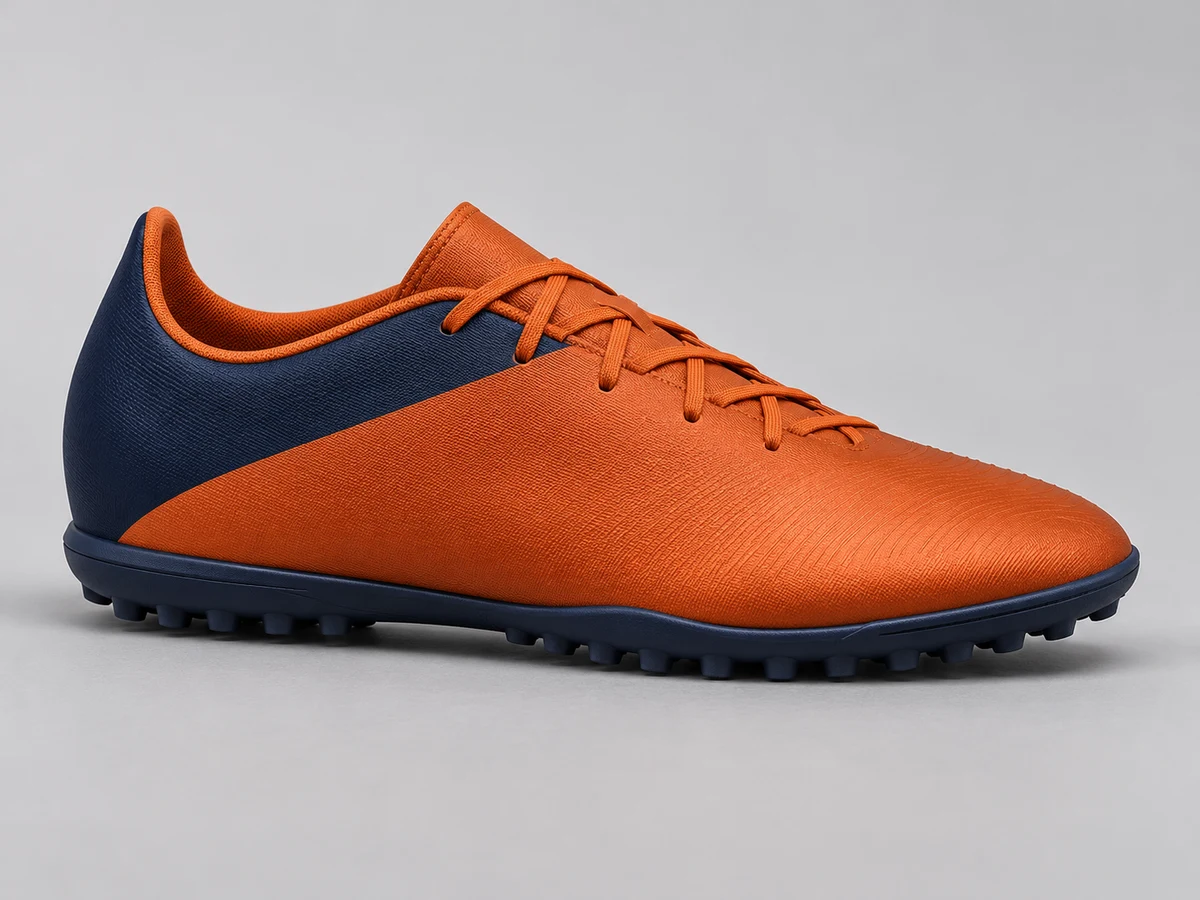
Turf Soccer Shoes Manufacturer
Develop turf soccer shoes around the playing surfaces, fit, and brand requirements of your collection. HEVA supports OEM and ODM projects, from reviewing your product brief and developing samples to coordinating production, quality checks, and packing.
You can bring us a design, a reference shoe, or an initial concept. We’ll help you define the construction, materials, and size requirements before sampling.
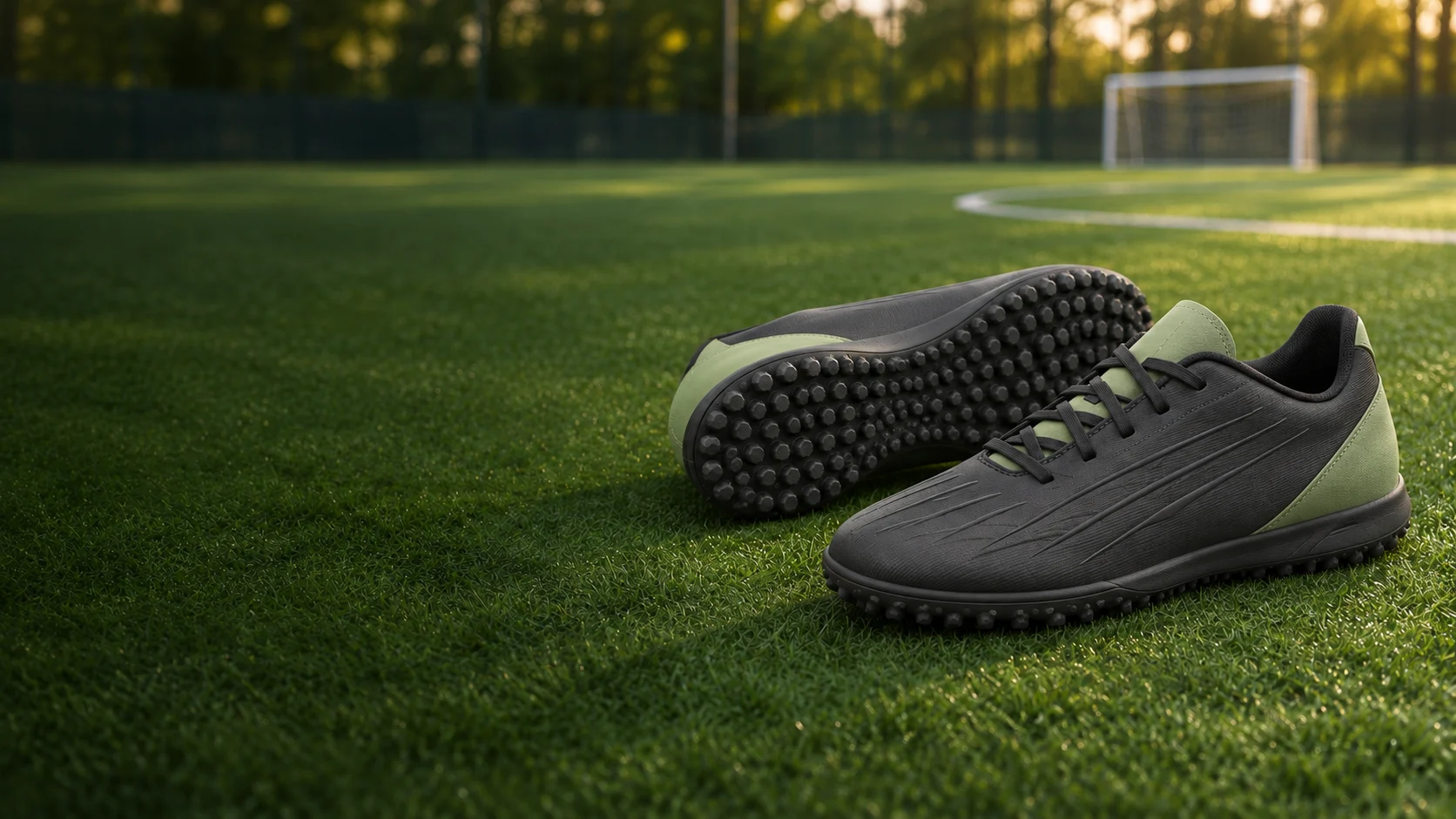
Choose a Turf Soccer Shoe Direction
Start with how you want the shoe to fit and feel, as well as how it should look. A reference pair can help you explain the forefoot shape, heel fit, upper flexibility, and lacing arrangement you have in mind.
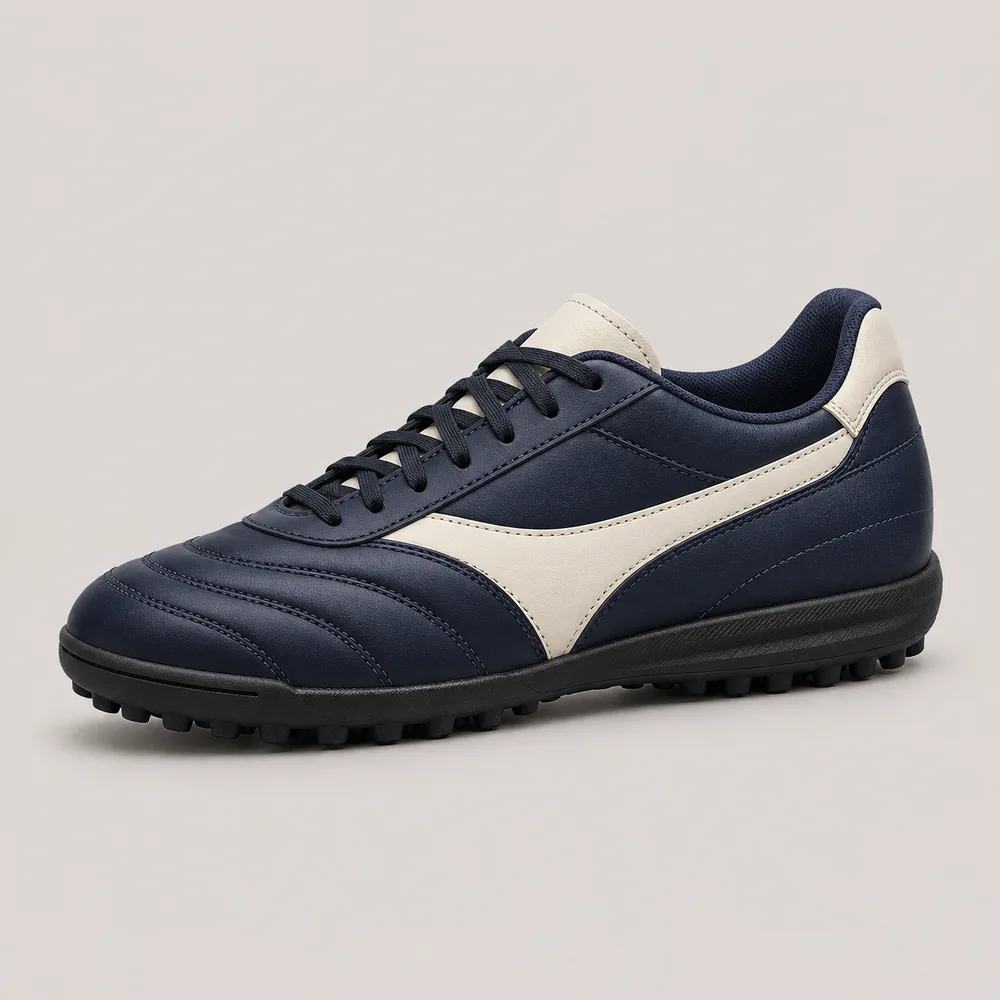
Classic Paneled Upper
Start with how you want the shoe to fit and feel, as well as how it should look. A reference pair can help you explain the forefoot shape, heel fit, upper flexibility, and lacing arrangement you have in mind.
Bring: Forefoot shape, heel fit, and lacing preferences.
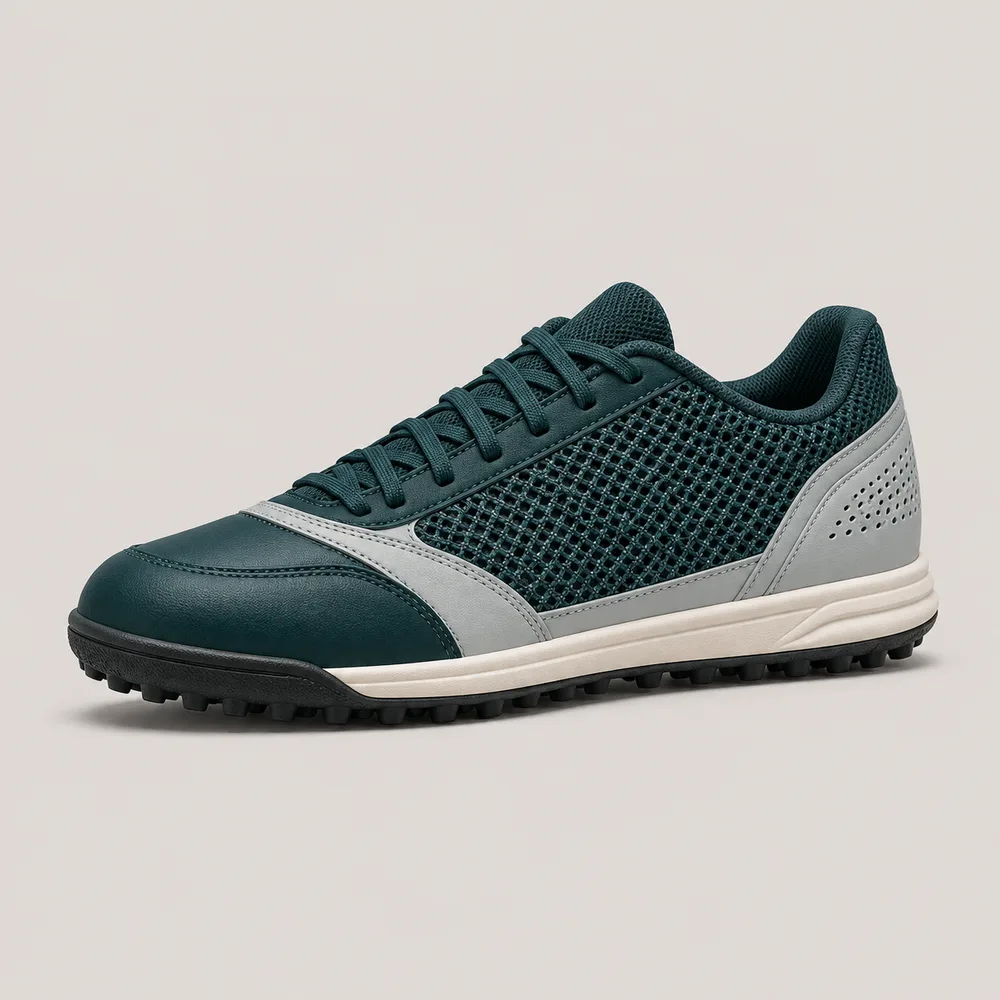
Textile and Overlay Upper
For the upper, you can discuss synthetic materials, textile panels, or a combination of materials. Review the lining and supporting layers together with the outer material: a panel’s appearance alone does not show how the assembled upper will bend or feel against the foot.
Bring: Upper and lining references, plus your intended material combination.
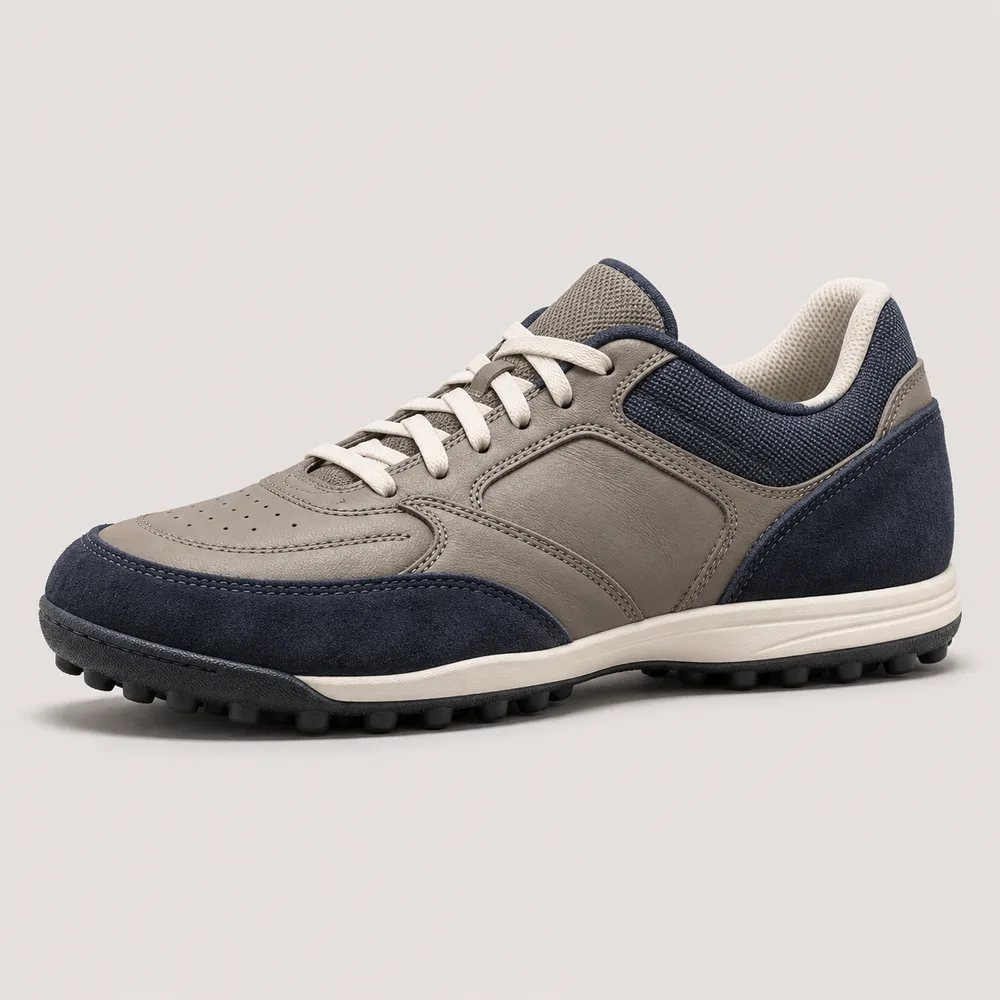
Reinforced Toe Construction
Toe reinforcement is another detail to consider. Its coverage, thickness, and attachment can affect the finished shoe’s flexibility and shape. Include the tongue, collar, and lace adjustment in the same review so the parts work together in the sample.
Bring: Toe coverage, flexibility, and reinforcement requirements.
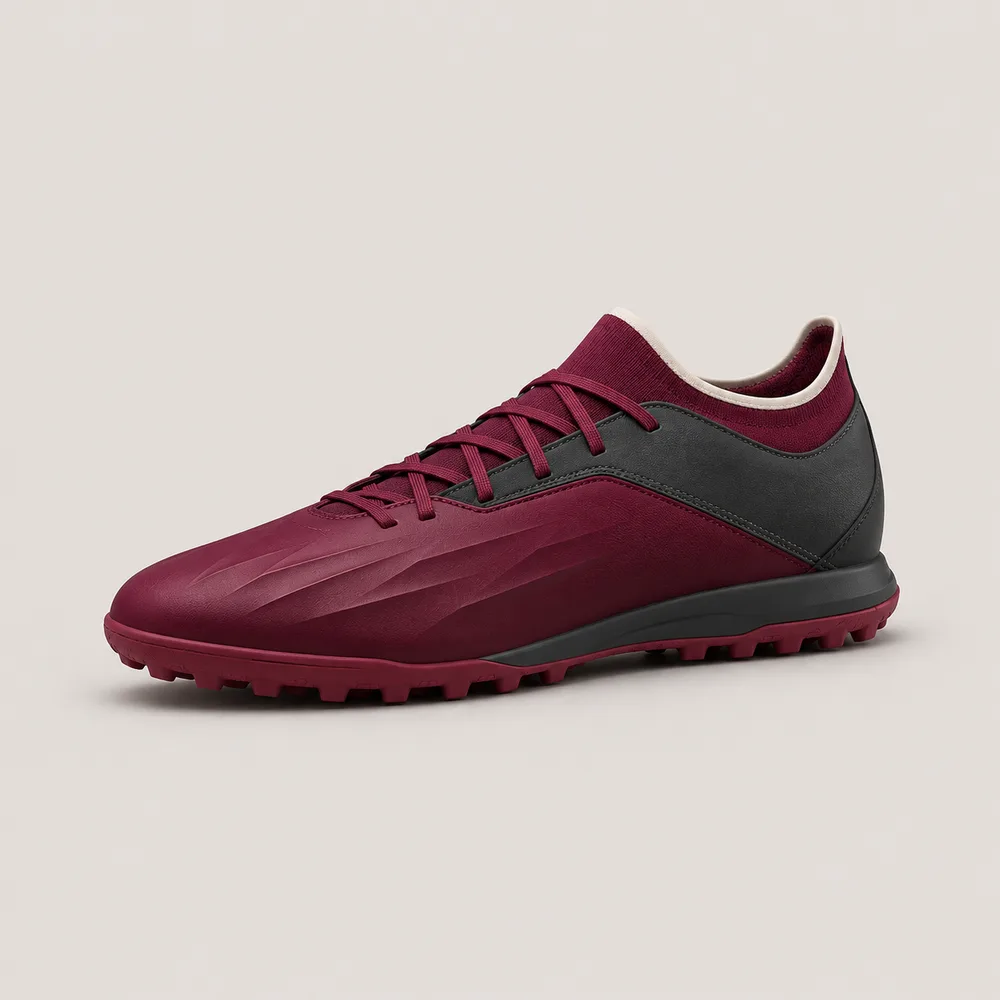
Raised Soft Collar
Discuss the underfoot feel you want, including the sockliner and any midsole cushioning the selected construction can support. Review these components together in the sample.
Bring: Collar fit, closure preferences, and underfoot feel.
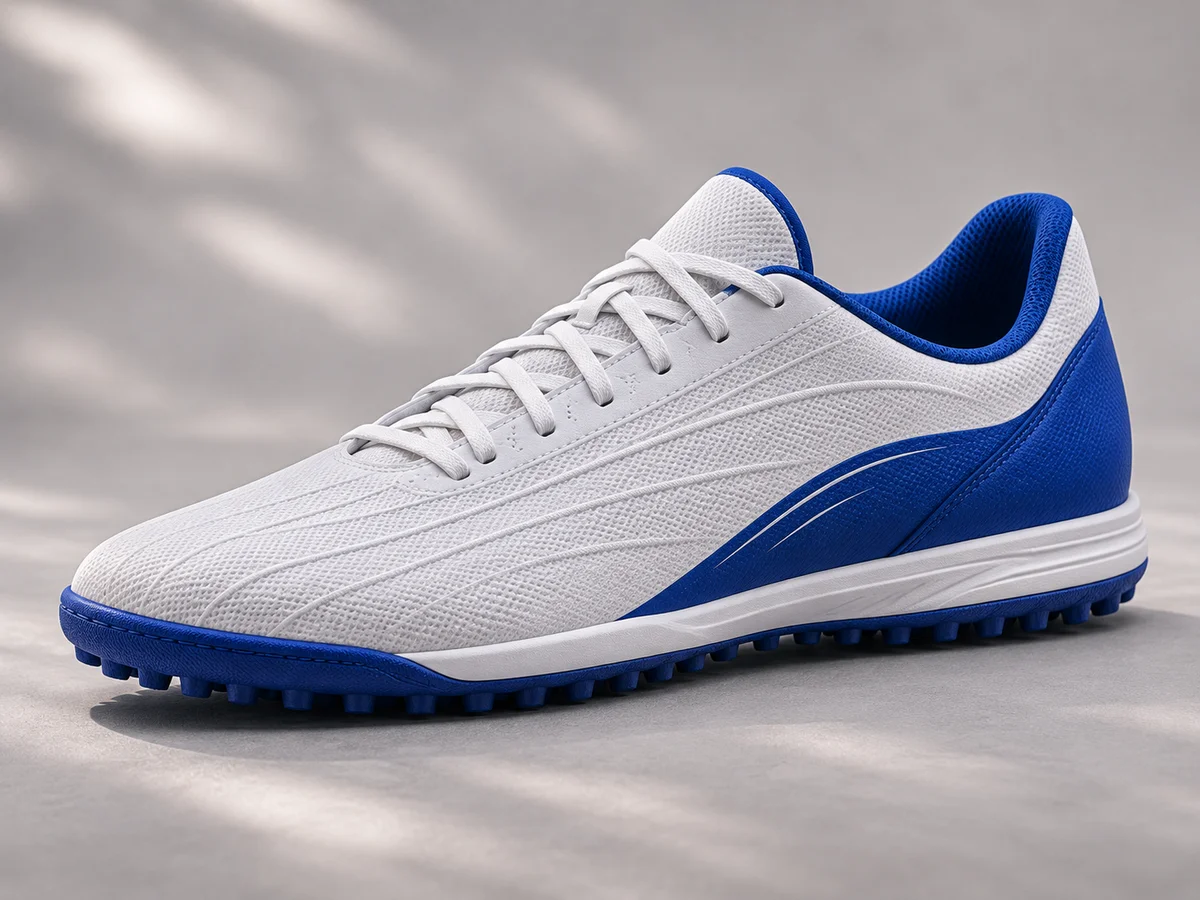
Textured Low-Cut Upper
If you’re planning different size ranges, tell us who will wear the shoes and which sizing system you use. For a wide-fit project, explain where more room is needed. We assess the last, upper, and outsole together before confirming the development scope for your soccer turf shoes.
Bring: Target size range, sizing system, and fit references.
Customize Materials, Branding, and Packaging
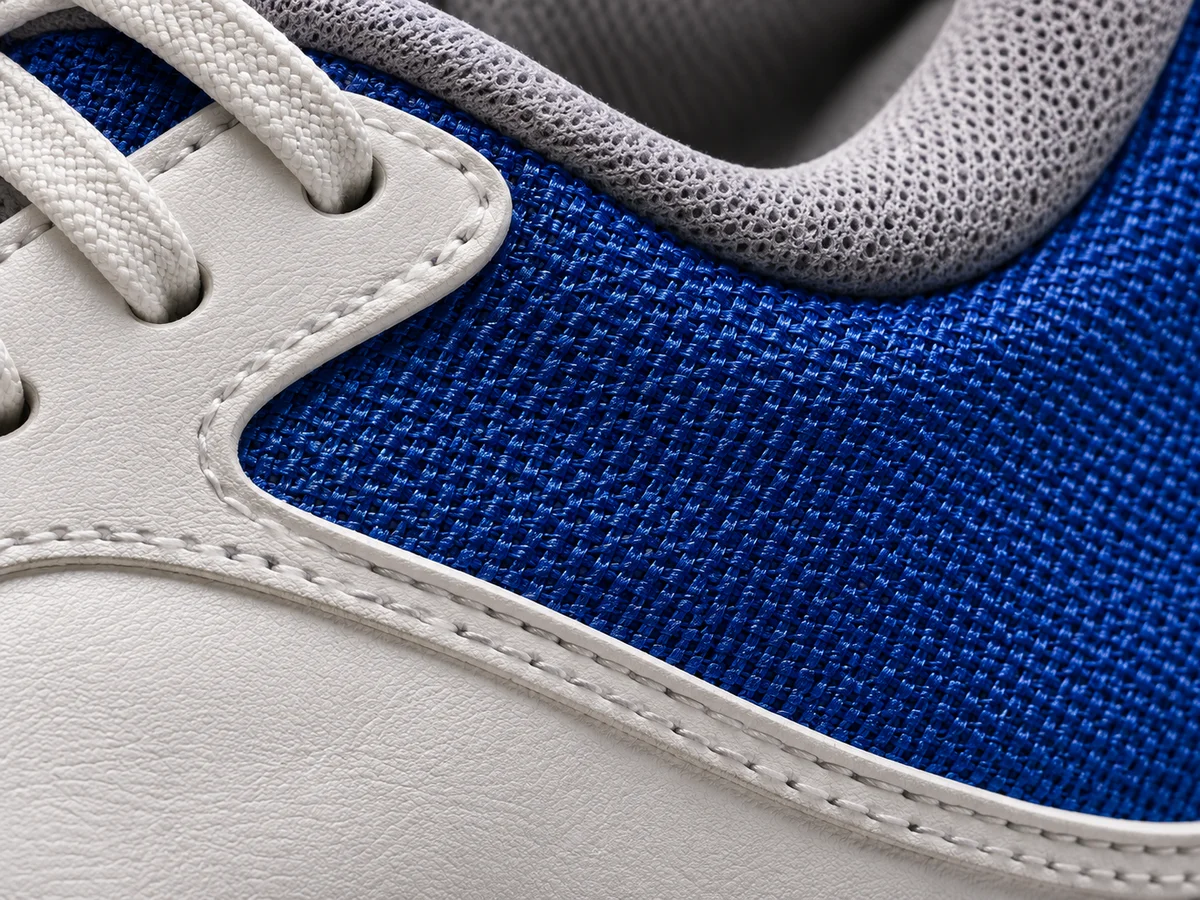
Upper Materials
Once you’ve selected a product direction, we can review which changes the construction can support. For custom turf soccer shoes, this may include upper and lining materials, panel details, colorways, logo placement, and finishing.
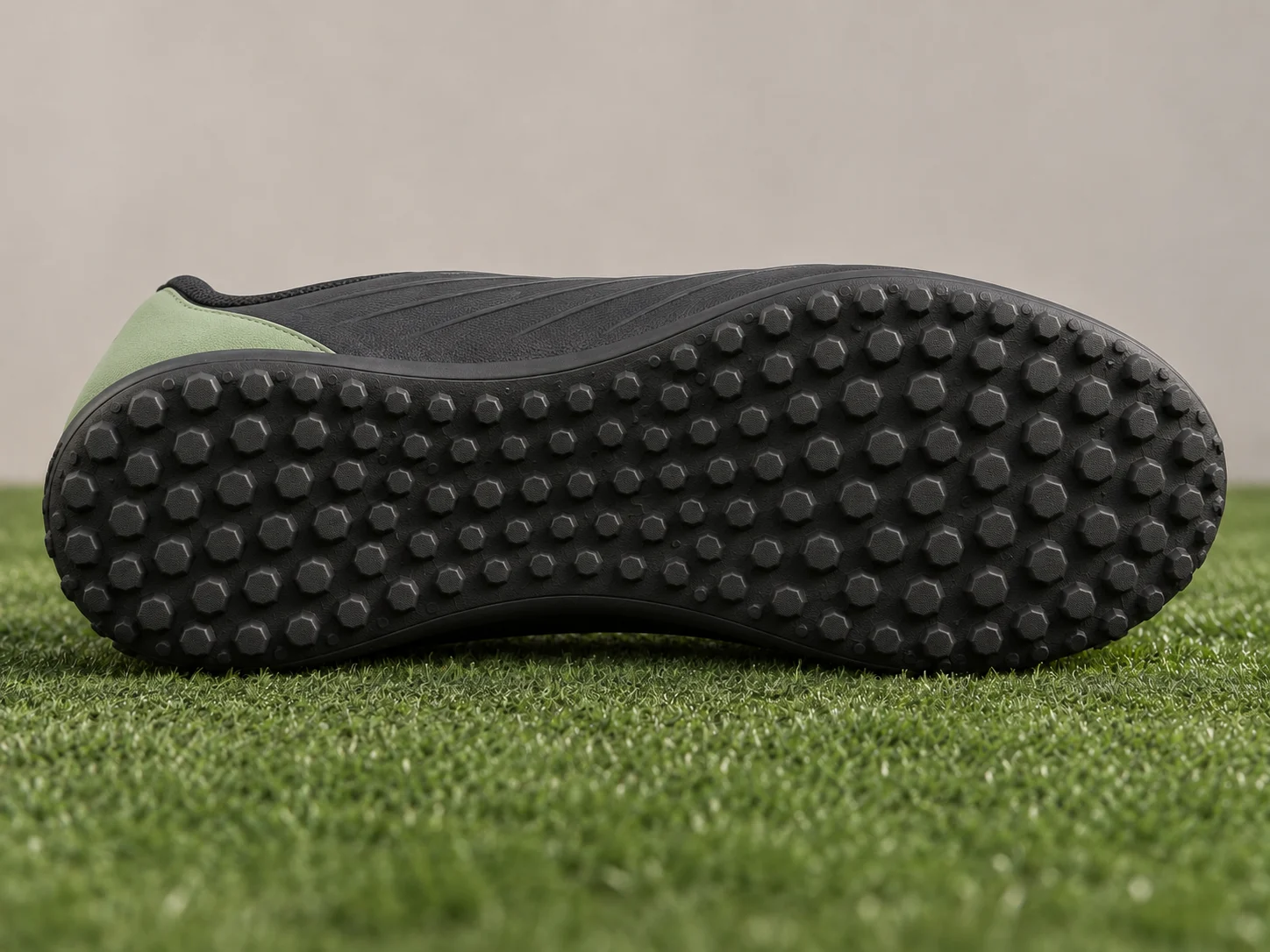
Sole Construction
Turf soccer cleats, often called TF shoes, commonly have numerous small rubber nubs rather than a conventional studded soleplate. This type of outsole is typically considered for short-pile, firmer turf. It is not interchangeable with every outsole designed for artificial grass.
AG cleats are generally intended for artificial-grass fields, including longer-bladed surfaces, while indoor hard-court shoes use a relatively flat tread. The appropriate choice depends on the particular outsole and the field conditions.
Tell us about the grass length, infill, surface firmness, and any footwear requirements at the venue. If you have a reference shoe, include a clear view of its outsole and details of where it will be used.
Choose footwear for the playing surface, even when the field is indoors. If your collection covers both indoor turf and futsal courts, discuss the outsole requirements separately for each style.
Compare football shoe options for different playing surfaces.
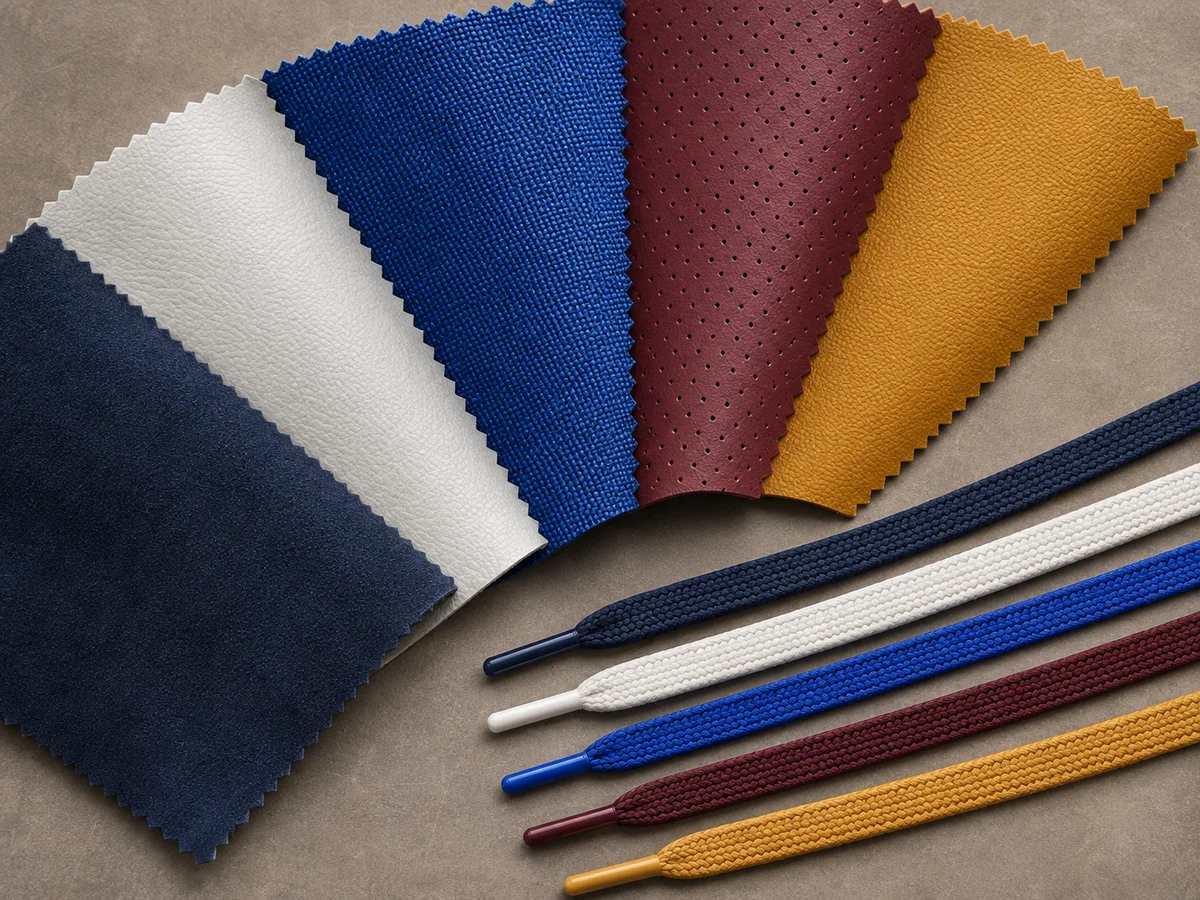
Colors
Provide your artwork, intended logo size and position, and color references. We’ll review these details alongside the proposed materials, then check the sample against your artwork and color references. Insole branding, size labels, shoe boxes, and carton markings can be included in the project specifications.
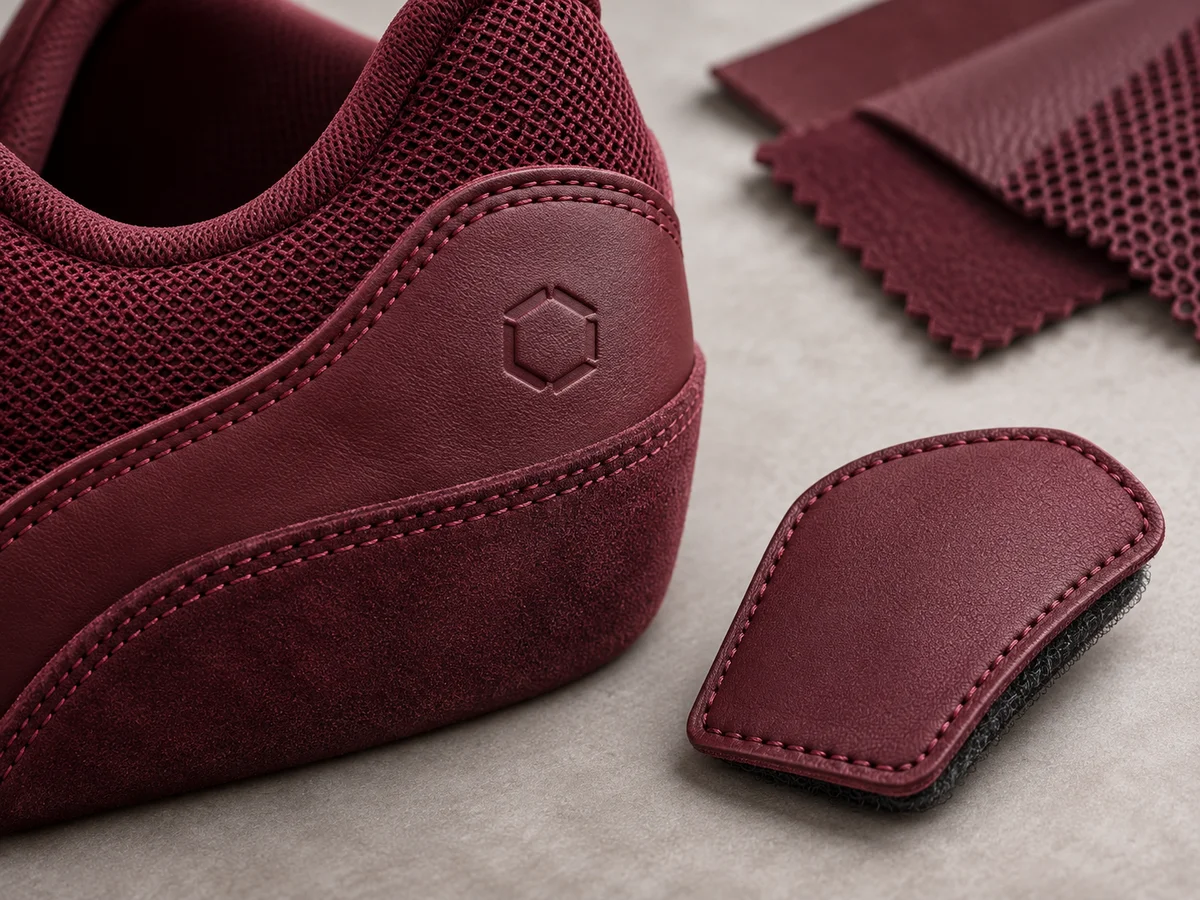
Logo
Provide your artwork, intended logo size and position, and color references. We’ll review these details alongside the proposed materials, then check the sample against your artwork and color references. Insole branding, size labels, shoe boxes, and carton markings can be included in the project specifications.
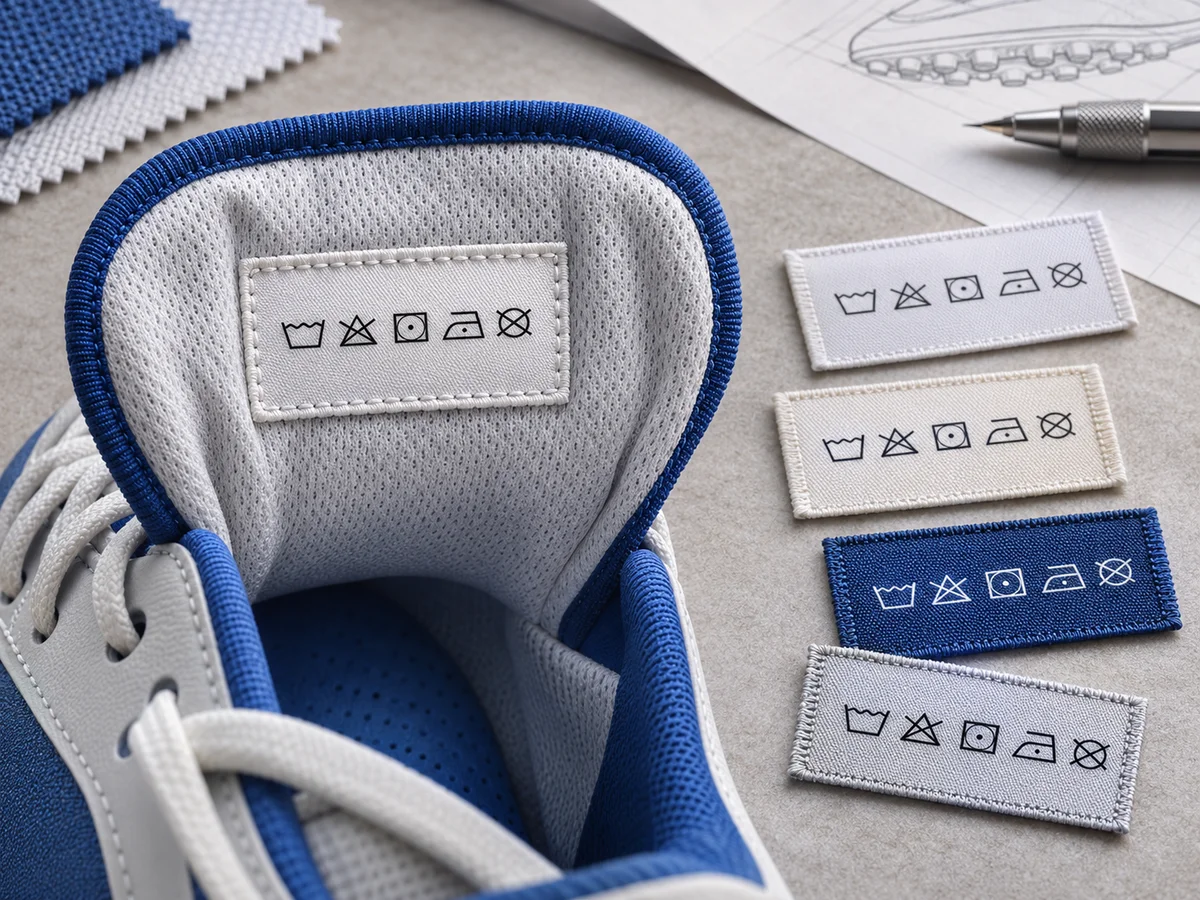
Labels
Provide your artwork, intended logo size and position, and color references. We’ll review these details alongside the proposed materials, then check the sample against your artwork and color references. Insole branding, size labels, shoe boxes, and carton markings can be included in the project specifications.
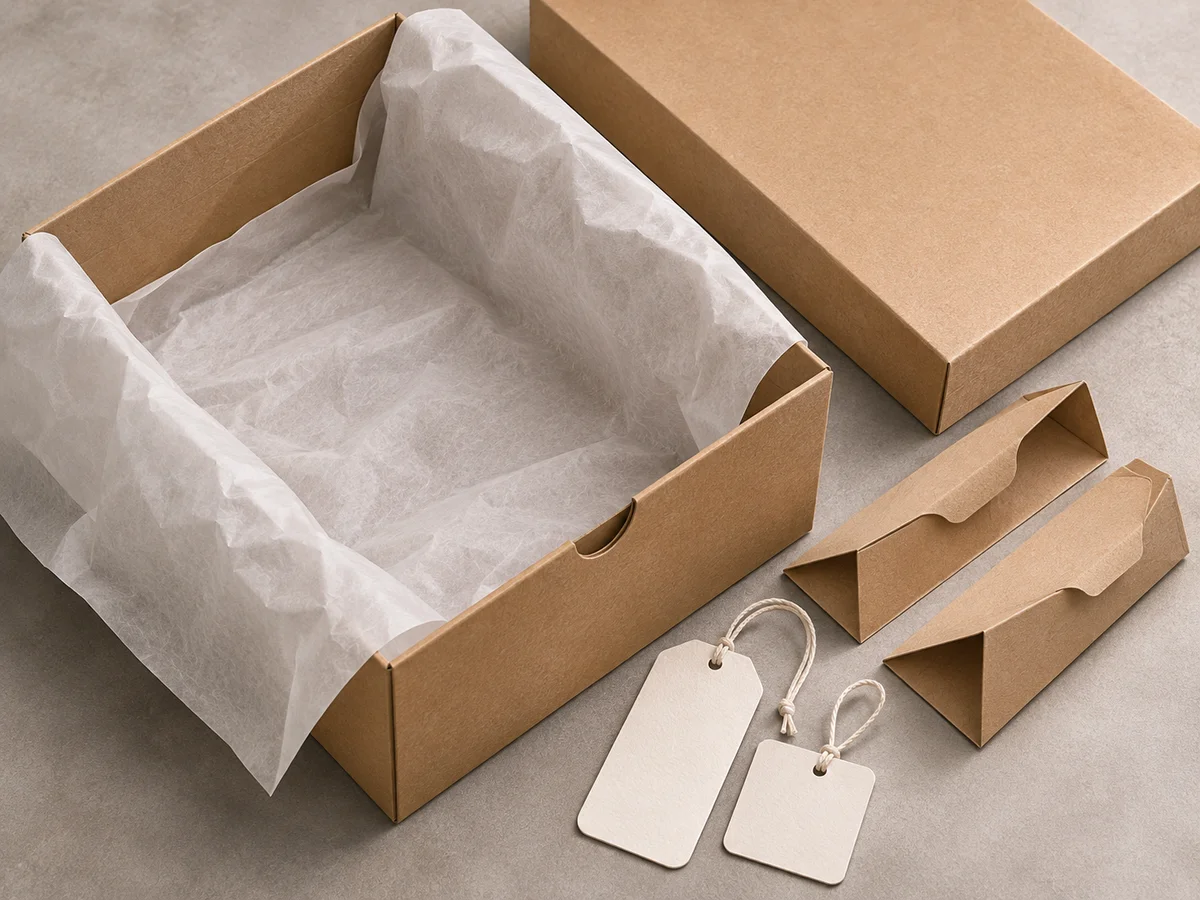
Packaging
Provide your artwork, intended logo size and position, and color references. We’ll review these details alongside the proposed materials, then check the sample against your artwork and color references. Insole branding, size labels, shoe boxes, and carton markings can be included in the project specifications.
Changes to the last, outsole shape, or tread may require new components or tooling. We assess those changes separately from color and branding adjustments so you can understand the development work and costs before proceeding.
For your private label turf soccer shoes, we also clarify which existing designs and dedicated tooling the project will use, and what new development is needed. Confidentiality terms and any requested exclusive-use rights are discussed before development and recorded in the project agreement.
From Inquiry to Delivery
Share Your Requirements
You can begin with a tech pack, sketches, a reference sample, or a short product brief.
Confirm Options & Quotation
We review the information with you and identify the decisions still needed before sampling, including materials, construction, sizes, colors, and branding.
Review Samples
Keep your feedback specific. Note the location of each requested change and describe the result you want.
Start Production
The approved sample version and written specifications then provide the reference for bulk production.
Check & Ship
Before shipment, we follow up on the agreed quantity and size assortment, labels, boxes, carton markings, and required documents. MOQ, sample costs, production timing, and delivery arrangements are confirmed against your project scope.
Sample Review Details
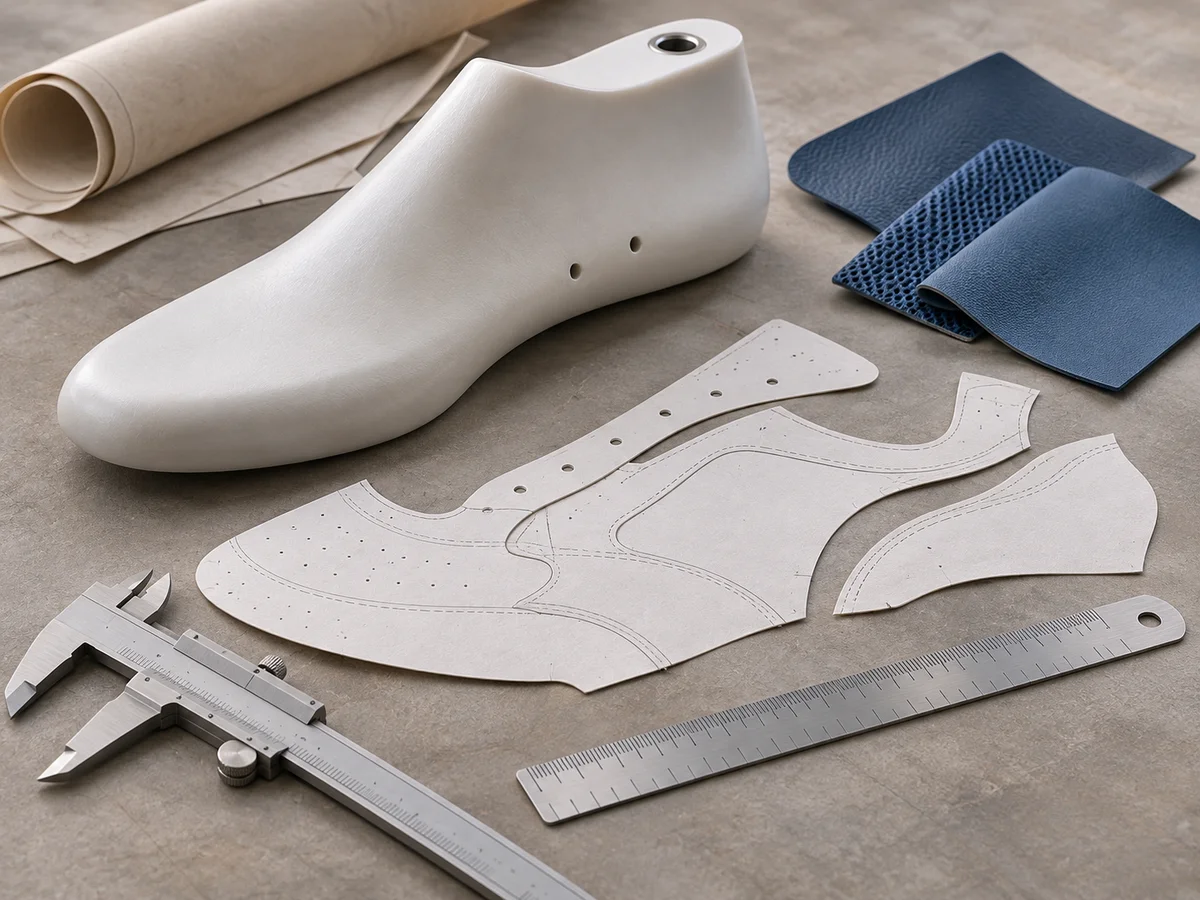
You can begin with a tech pack, sketches, a reference sample, or a short product brief. We review the information with you and identify the decisions still needed before sampling, including materials, construction, sizes, colors, and branding.
When you evaluate the sample, check toe space, forefoot width, heel hold, and closure adjustment. Review upper flexibility, outsole construction, visible finishing, and the placement of logos and labels. If your range includes different fits or size groups, agree on which samples are needed to assess them.
Keep your feedback specific. Note the location of each requested change and describe the result you want. The approved sample version and written specifications then provide the reference for bulk production.
Fit and appearance reviews do not replace performance testing. Share any testing requirements early so the scope, methods, and acceptance criteria can be agreed for the proposed shoe.
Order and Delivery Details
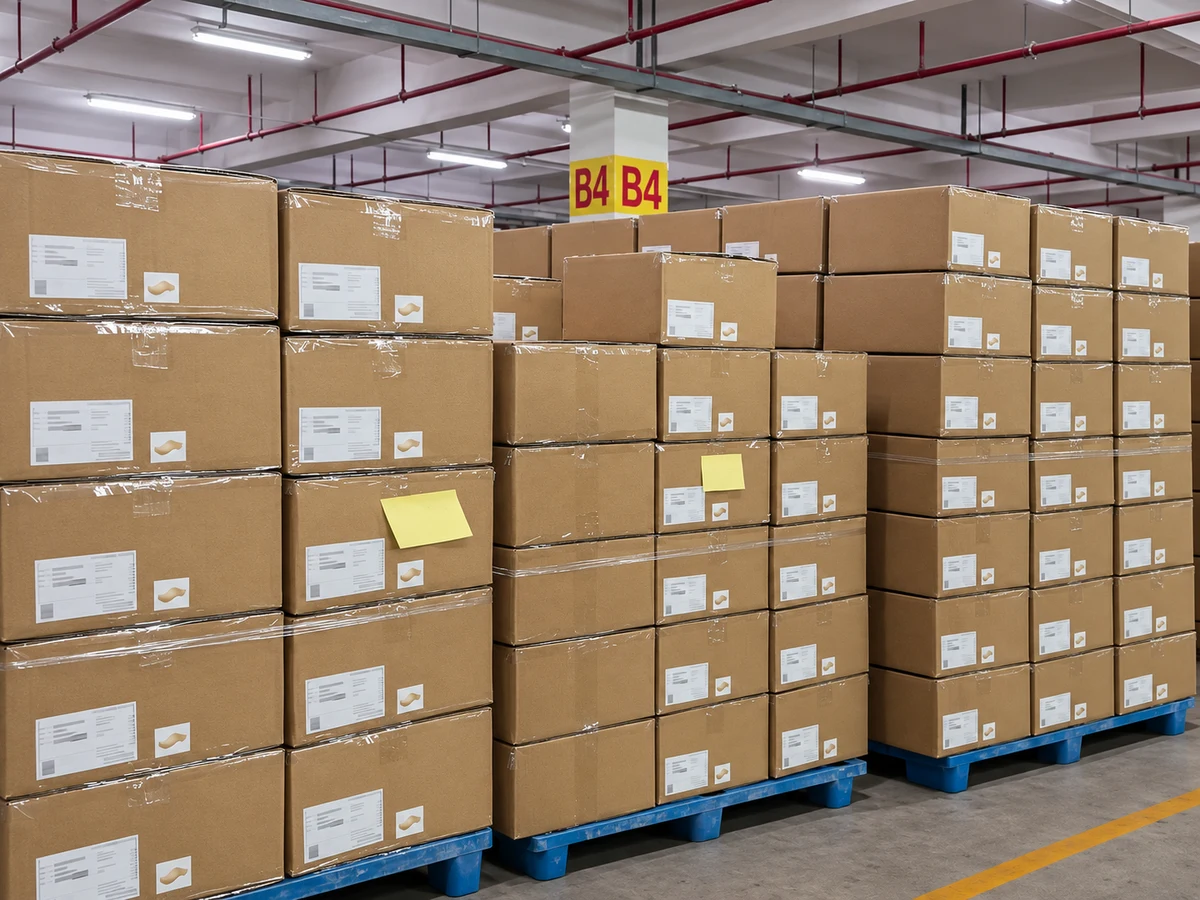
Before shipment, we follow up on the agreed quantity and size assortment, labels, boxes, carton markings, and required documents. MOQ, sample costs, production timing, and delivery arrangements are confirmed against your project scope.
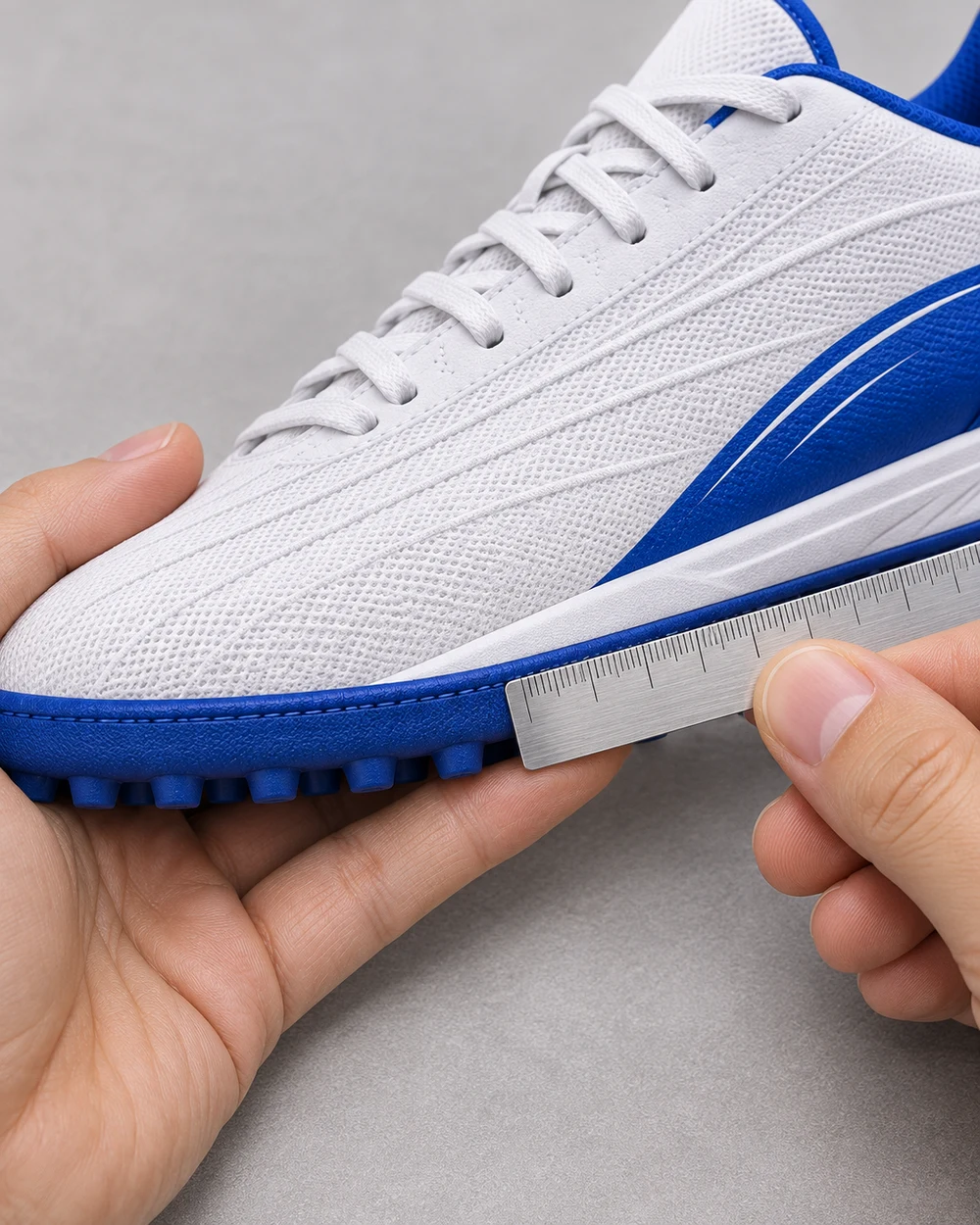
Plan Bulk Production and Quality Checks
An approved pair is one part of the production brief. Your order also needs the material and color references, quantity by style and size, branding details, packing instructions, and agreed inspection requirements.
Materials & Appearance
For turf shoes, quality checks can cover upper materials and color consistency, panel and stitching placement, upper-to-outsole alignment, visible finishing, and left-right consistency. Size markings, logos, and packaging are checked against the agreed order information. Outsole tread and components should match the approved version.
Sizing & Workmanship
We review your shoe construction and order requirements before coordinating production with suitable partner factories. Component availability, tooling, order quantity, and the proposed schedule all affect that production plan.
Construction & Performance
If you require assessments of traction, abrasion resistance, flexing, or bond strength, we discuss the applicable methods, conditions, and acceptance criteria separately. A visual inspection alone cannot establish these performance results.
Order & Packaging
Before shipment, we follow up on the agreed quantity and size assortment, labels, boxes, carton markings, and required documents. MOQ, sample costs, production timing, and delivery arrangements are confirmed against your project scope.
MOQ, sample costs, production timing, and delivery arrangements are confirmed against your project scope.
Turf Soccer Shoes FAQ
What are turf soccer shoes?
Turf soccer shoes commonly use a rubber outsole with many small nubs for play on suitable turf surfaces. They differ from hard-court shoes and conventional studded cleats. Check the specific outsole’s intended use against the actual field and venue requirements.
Can turf shoes be used for indoor soccer?
First identify the surface. An indoor artificial-turf field and an indoor hard court call for different outsole choices. Do not assume a TF outsole is suitable for futsal courts, or that a hard-court outsole is suitable for turf.
How do I choose between TF and AG soccer shoes?
Start with the grass length, infill, and surface condition. TF shoes commonly have low rubber nubs for shorter, firmer turf, while AG designs use a different stud arrangement for artificial grass. Share the field details and a photo or sample of the reference outsole so we can review the options with you.
Can I develop turf soccer shoes for different size ranges?
Tell us your target age group, sizing system, and fit requirements. We assess the last, upper, outsole, and any additional development needed for the proposed range. Different size groups should not be assumed to use the same construction or tooling.
What affects the MOQ and lead time?
Materials, components, colorways, size assortment, tooling, and order quantity affect the order plan. Timing also depends on sample revisions, approval, and production scheduling. We confirm sampling and bulk production arrangements separately after reviewing your requirements.
Can I customize an existing construction?
We first check whether the selected construction can support your proposed changes. Materials, colors, branding, and packaging can be discussed; changes to the last or outsole may involve additional development or tooling.
Discuss Your Turf Soccer Shoe Project
Send us your design, reference sample, or product brief, along with the intended playing surface and target market. Include the size range, estimated quantity, branding and packaging requirements, and target timing you have already defined.
You can start with the information you have. We’ll review it with you, work through the details still to be decided, and discuss the next step for your turf soccer shoe project.