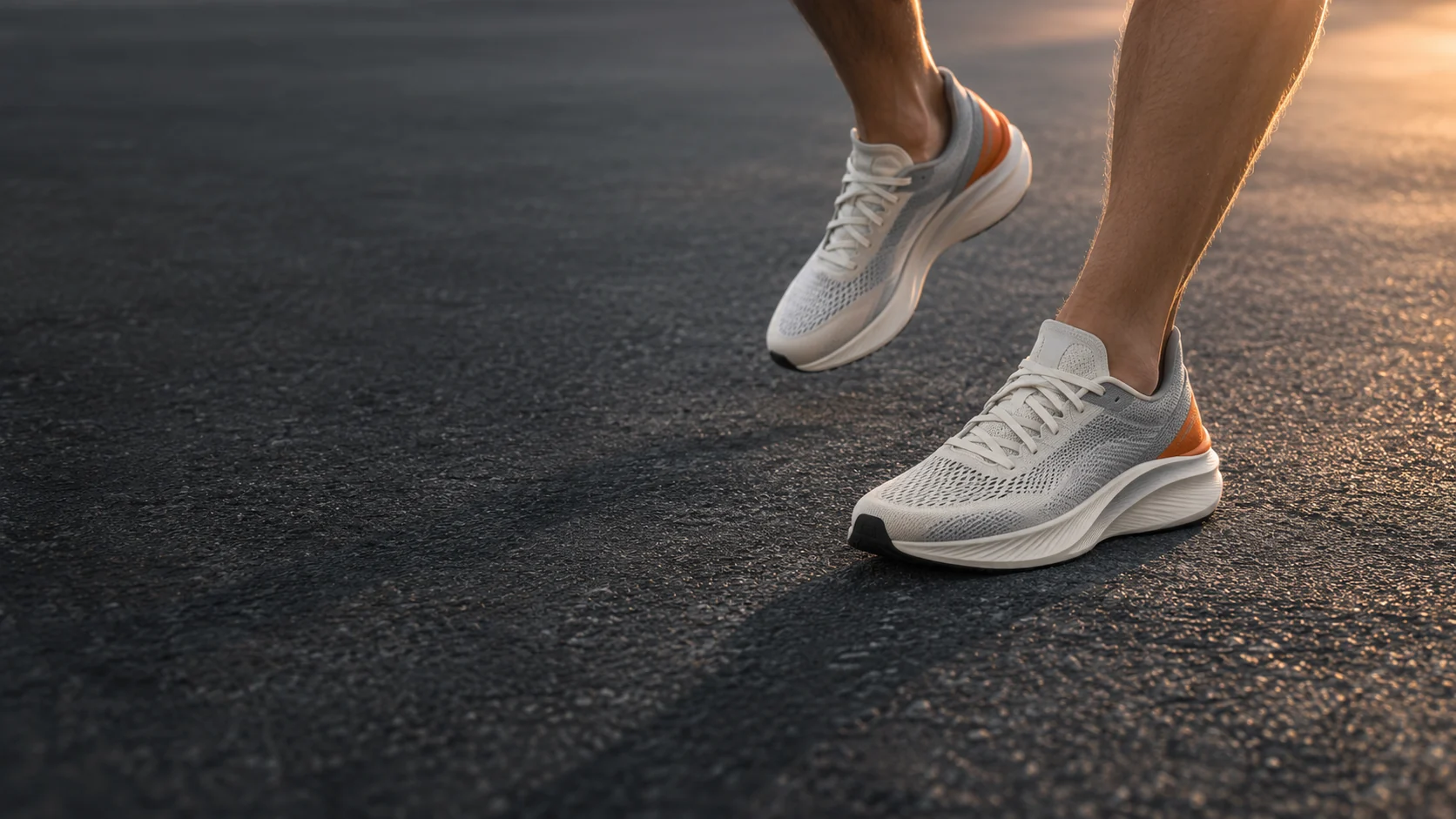
Carbon Plate Running Shoes Manufacturer
Bring your carbon plate running shoe project to HEVA with a design, reference sample, or product brief. We’ll review your road training or racing requirements and define the development work needed for your brand.
Our OEM/ODM services support your private label project through assessment, sampling, revisions, production coordination, quality control, and packaging. Start with the information you have; we’ll help identify the specifications and decisions needed before sampling.
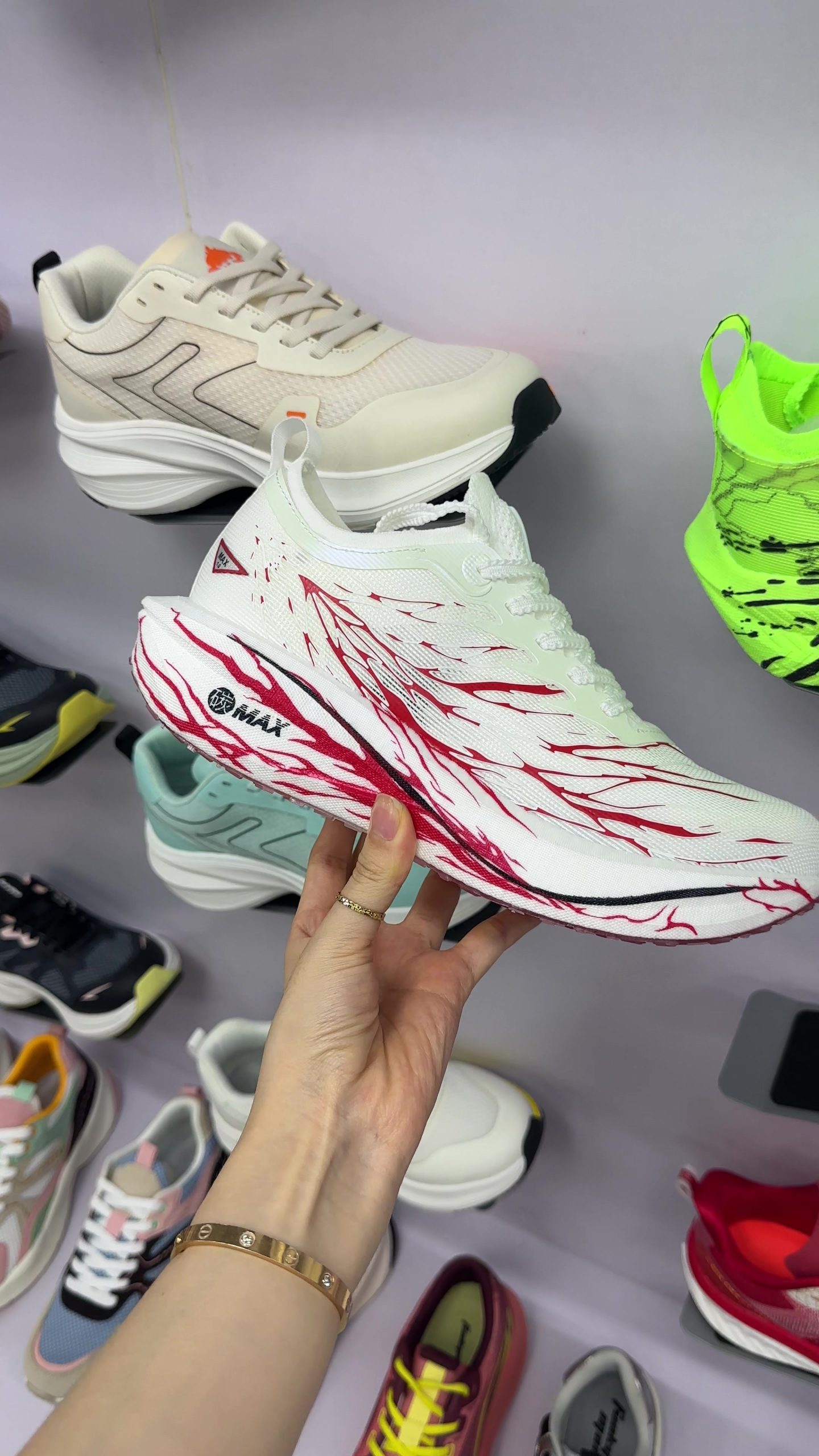
Define the Training or Race-Day Brief
Start with how you want the shoe to be used. Your priorities for fit, cushioning, weight, durability, and cost may differ between a training shoe and a race-day shoe.
For road training, describe the intended sessions and your priorities for underfoot feel, stability, and durability. For racing, specify the distance—for example, a marathon—along with your weight and fit goals.
Share who you’re designing for, your target market, and your intended price range. These details give us a basis for reviewing the construction and deciding which requirements need attention during sample development.
For everyday road running and daily training projects, explore our broader running shoe range.
Plan the Plate, Midsole, and Fit
Carbon-plated running shoes incorporate a carbon-fiber plate into the sole construction. The plate increases resistance to lengthwise bending, but the finished shoe also depends on its foam and geometry. Review these elements together when defining your shoes.
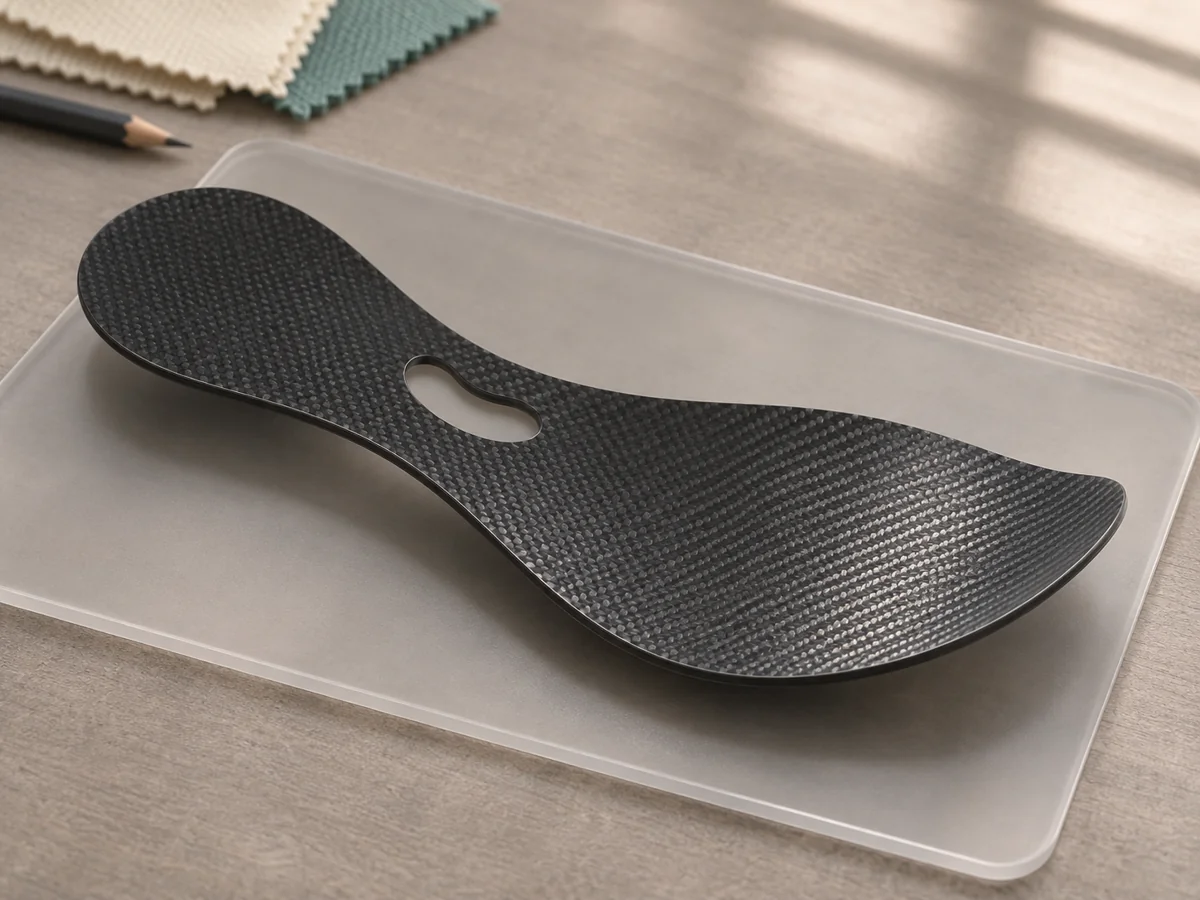
Plate construction
Specify the plate material, shape, length, placement, and stiffness requirements where you have them. Where available, include a construction drawing showing the plate’s position relative to the midsole foam. If your brief calls for a full-length plate, include that requirement for assessment alongside the sole design and size range.
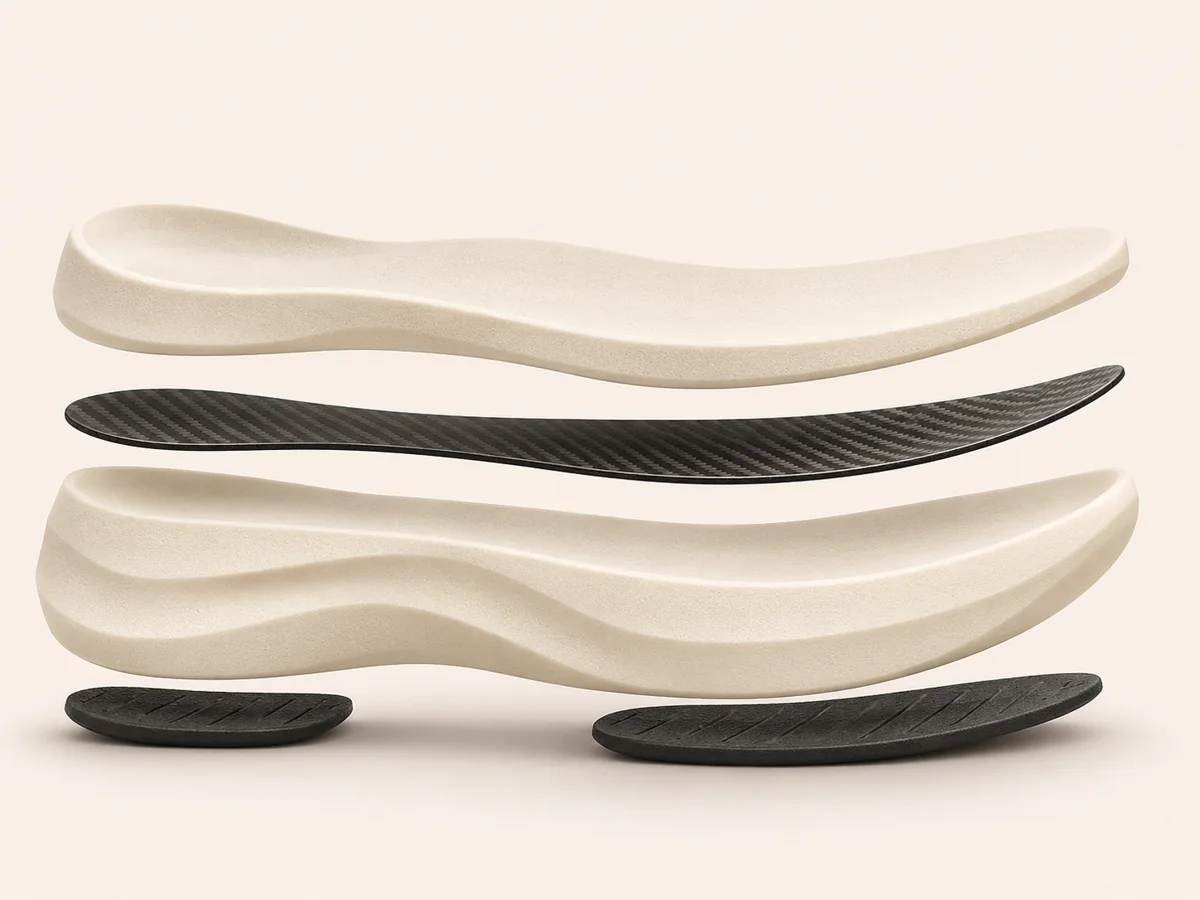
Midsole and outsole
Describe your cushioning and weight targets, midsole material preferences, and outsole coverage. If you have targets for heel and forefoot stack height, heel-to-toe drop, or rocker shape, include them for review with the plate and last. The plate, cushioning foam, and ground-contact outsole are separate components; each needs a clear specification. We’ll review the proposed combination before confirming the development scope.
Fit and upper
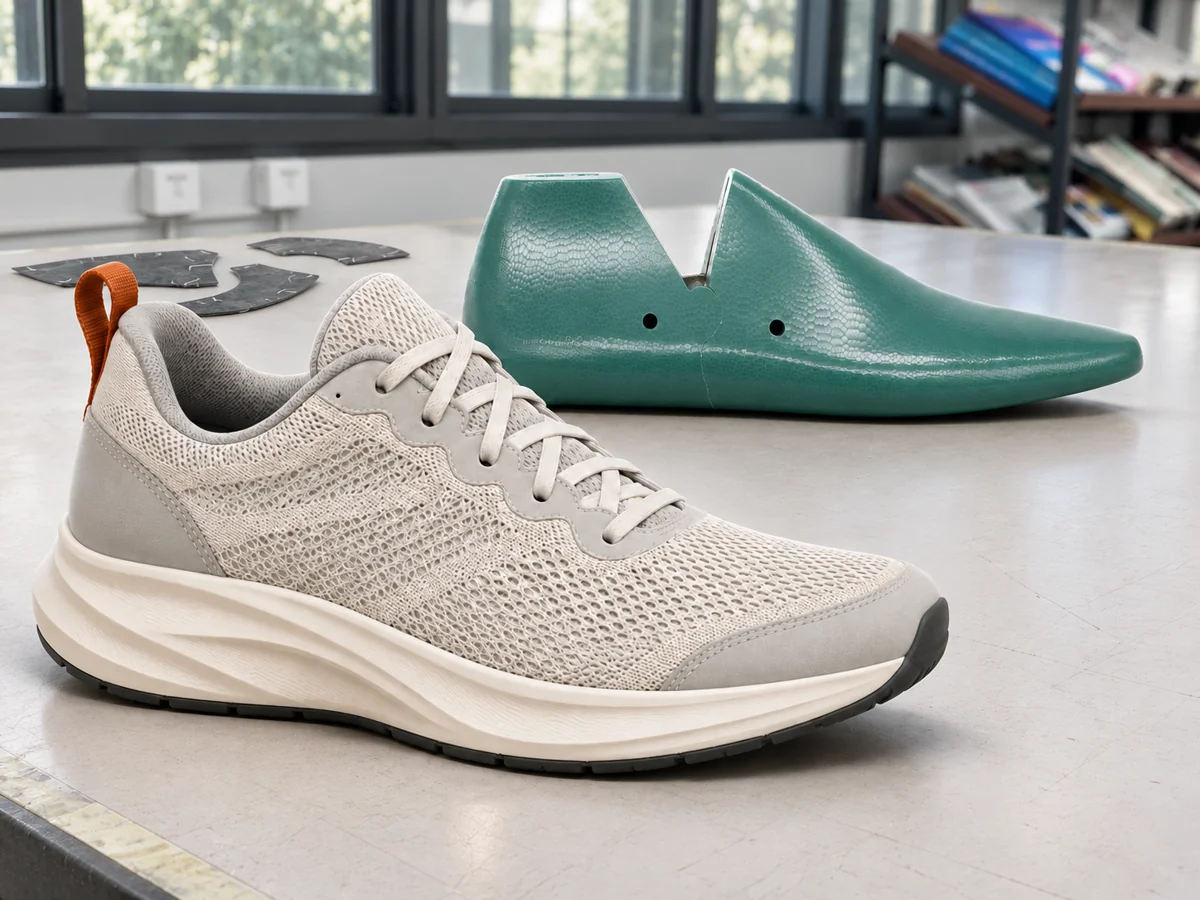
Define the intended foot shape, toe room, heel hold, and size range. For a wider fit, review the last (the form that shapes the shoe), upper, and sole together. Include upper material preferences and lacing details in the brief so these can be assessed together.
You don’t need every detail settled before contacting us. Tell us which requirements are fixed and where you’d like to discuss options.
Define Your Customization Scope
Your starting point helps determine the work involved. We’ll review which changes fit within the existing construction and which would require further development.
Adapting an existing style
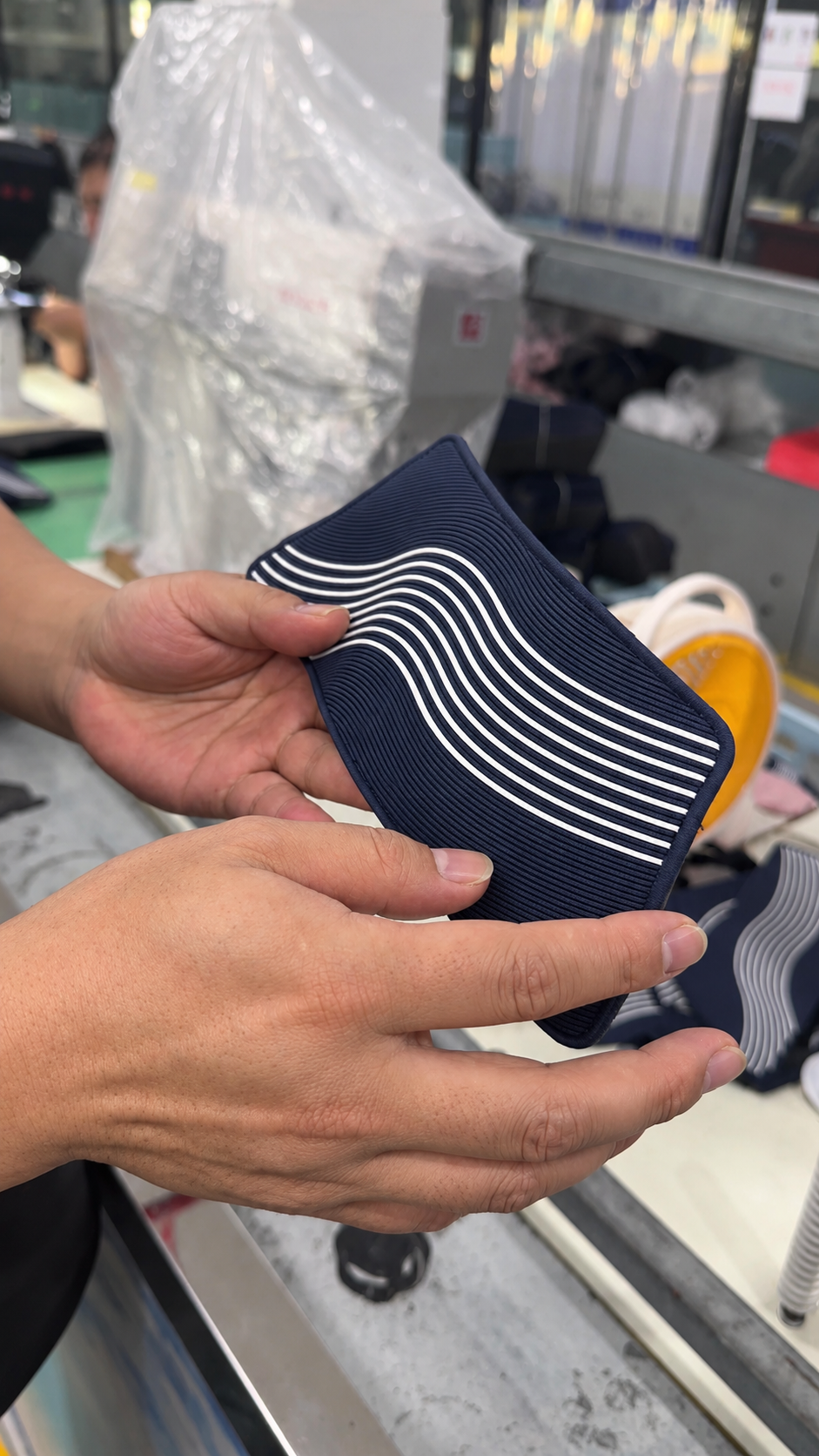
If you want to start from an existing shoe, we’ll first check the available style, tooling, and size range. Colors, upper details, logos, labels, and packaging can then be reviewed within those limits. Material changes also need assessment against the selected construction.
Developing a new construction
A different last, sole profile, or plate arrangement may involve new components, tooling, or additional sample work. Send your drawings, tech pack, or reference sample so we can identify the development questions and clarify scope, costs, and approval points before work begins.
Develop, Refine, and Approve Your Samples
Use the samples to review your design and record changes. We’ll agree on the sample plan and any testing needs for your project, then work through the steps below with you.
Establish the sample brief
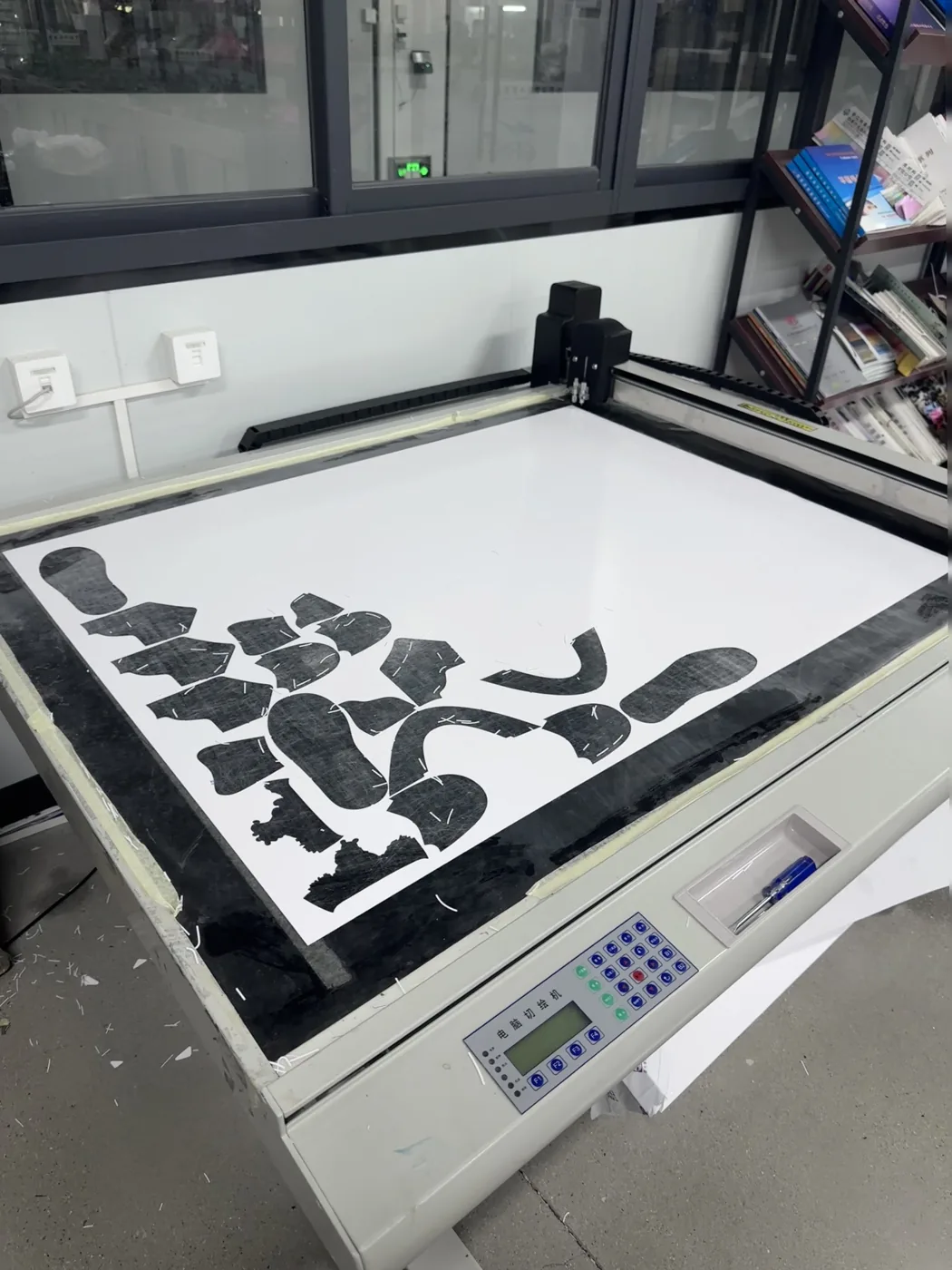
Bring together the intended use, construction, materials, size information, colors, and branding. We’ll identify missing details and clarify what the first sample is intended to demonstrate.
Review the sample against your requirements
Compare its appearance, material details, fit, and branding with the brief. For the plate, midsole, and last, identify which specifications can be checked from the development records and which questions need further evaluation. For any planned fit or wear evaluations, agree who will carry them out and how comfort, stability, and wear feedback will be recorded. Appearance alone cannot establish the shoe’s performance.
Turn feedback into specific revisions
Record where a change is needed—for example, toe room, heel hold, an upper seam, or logo placement. Separate construction changes from cosmetic changes so we can review their effect on components, tooling, and the next sample.
Confirm the approved version
Before bulk production, confirm which sample and specifications are approved, and resolve any outstanding requirements. Both teams can then use the same approved version for production follow-up.
Carry Approved Specifications into Production
HEVA coordinates production requirements and quality checks around your approved sample and order specifications. Production resources are matched to the project’s construction, quantity, and schedule.
For a carbon plate running shoe order, the inspection plan should identify the relevant material and component specifications, assembly details, finish, branding, and size markings. Inspection methods and acceptance criteria are agreed for the order; any required performance testing is defined separately.
We also confirm shoe labels, boxes, carton markings, size assortments, and quantities for packing and shipment preparation. These details connect the approved product with the order you expect to receive.
Carbon Plate Running Shoe FAQs
What does a carbon plate do in a running shoe?
It adds stiffness along the length of the shoe and influences how it bends. Its effect needs to be considered with the midsole foam and shoe geometry. A plate specification alone does not establish how the finished shoe will perform.
Can carbon-plated running shoes be developed for training?
You can specify training as the intended use. Describe the sessions, fit, cushioning, and durability you want the shoe to support. The proposed construction then needs to be assessed against those requirements.
Can I start with an existing style?
Yes. We’ll first check whether an available style and tooling can support your requirements, then define the possible changes. This gives you a basis for deciding whether to adapt that construction or explore further development.
Can I request a wider fit or a specific size range?
Yes. Include your target fit and sizes in the brief. We’ll review them against the last, upper, sole, and tooling requirements before confirming what can be developed.
What affects MOQ and sample or production timing?
MOQ depends on the style, materials, color range, and order plan. Sample timing also depends on tooling, how complete your specifications are, and the revisions needed. We confirm the sample schedule and bulk production timeline separately once the relevant requirements are clear.
Which tests should we discuss before sampling?
Share your target market, intended use, and any required standards or performance claims. We can then discuss the evaluation needed, the applicable methods, and who will carry it out. Testing scope and documentation requirements should be agreed before they become part of the sample or production plan.
Discuss Your Carbon Plate Running Shoe Project
Send your design files, reference sample, or an outline of the shoe you want to develop. Include the intended use, target market and price range, estimated quantity, sizes, colors, branding, packaging, and target delivery window where available.
If you’re still shaping the concept, start with its purpose and your priorities. HEVA will review what you have, explain which decisions come next, and clarify what’s needed to plan samples and prepare a quotation.