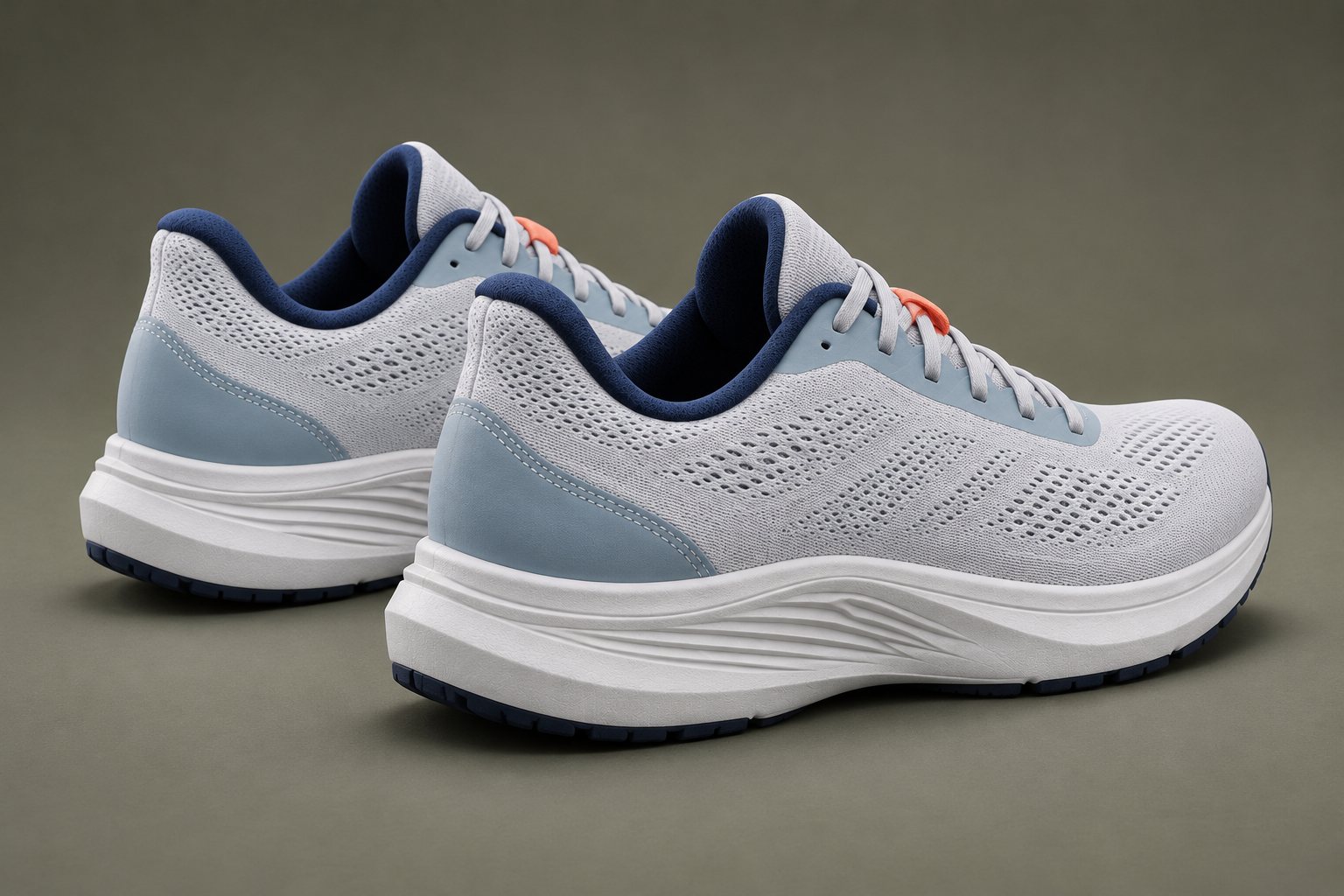
Lightweight Running Shoes Manufacturer
Develop lightweight running shoes for everyday road running and daily training with HEVA Sport. We work with you on the construction, fit, and brand details, then support sampling and production through our OEM/ODM services.
Start with your design, a reference shoe, or an outline of what you want to develop. We’ll review your weight target alongside cushioning, grip, durability, and cost to define a practical direction for your project.
Explore Lightweight Running Shoe Designs
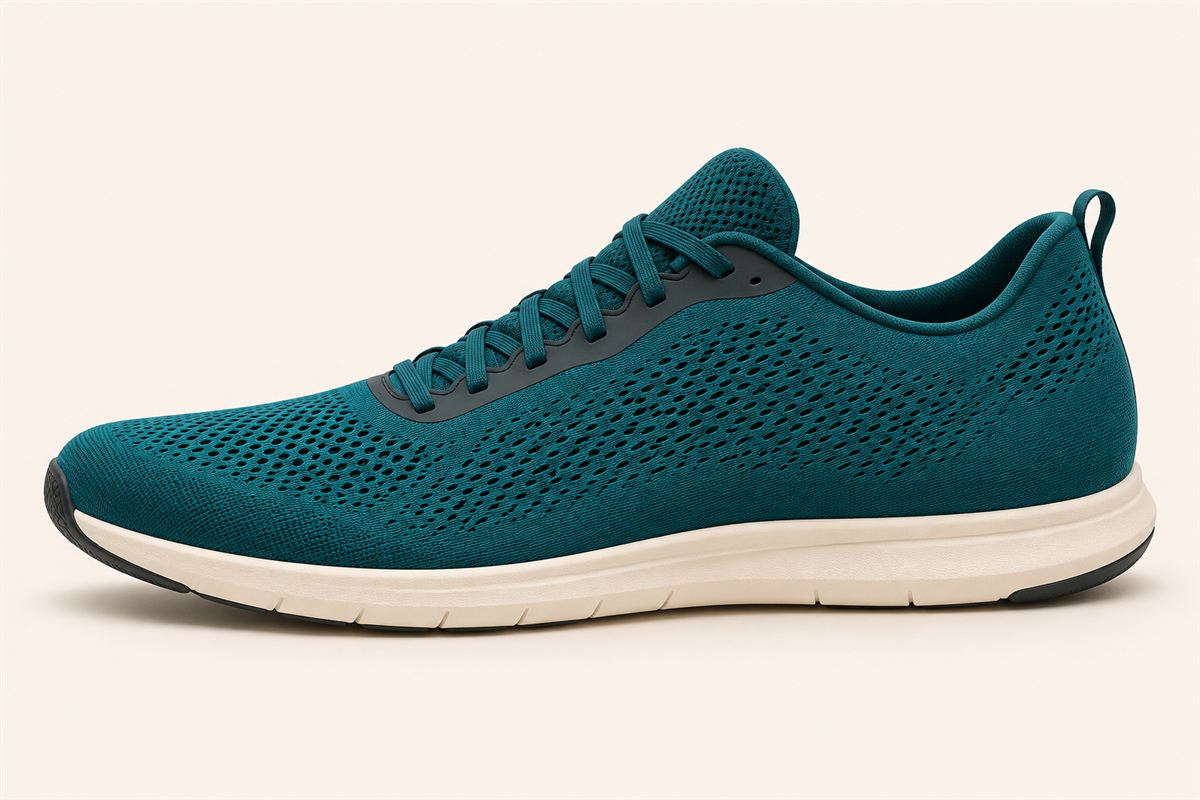
Streamlined Mesh Design
A low-profile sole and a pared-back mesh upper give this design a streamlined shape. The slim eyestay and small heel loop keep the detailing simple.
Use this direction to discuss how much padding, reinforcement, and outsole coverage your design needs.
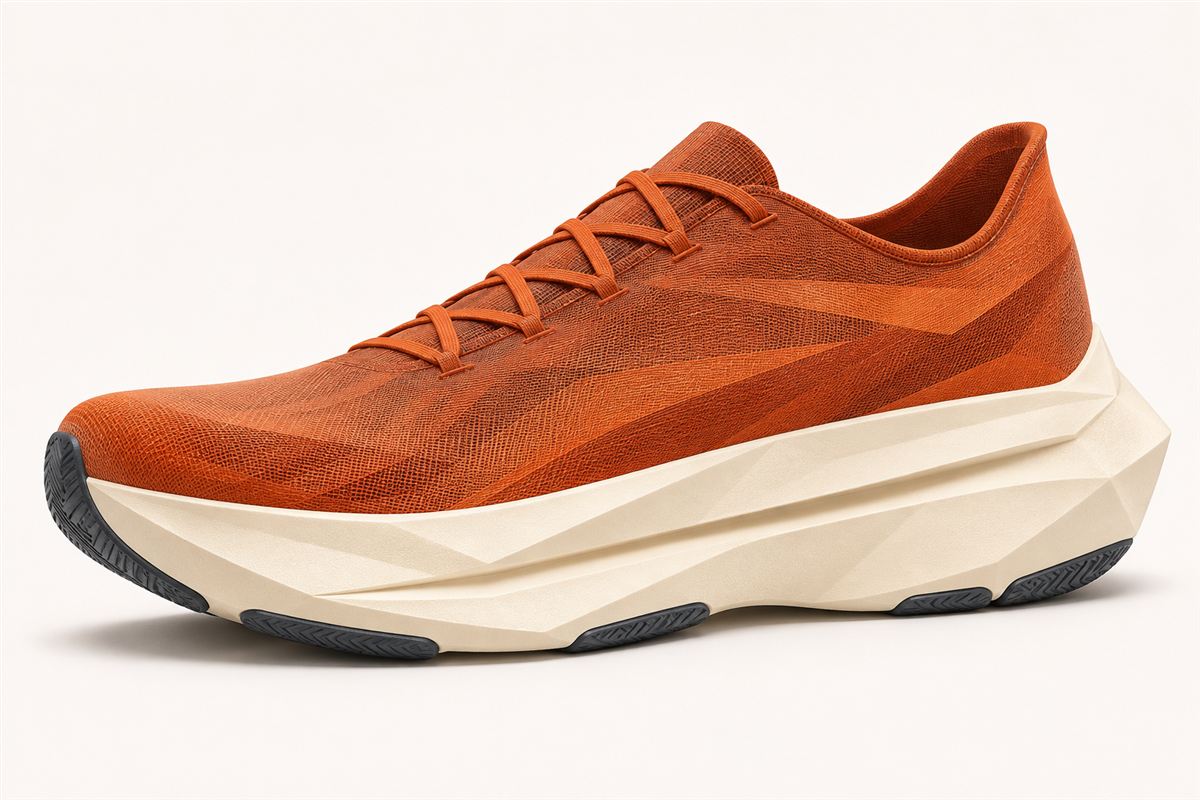
Sculpted Sole Profile
For lightweight cushioned running shoes, consider the midsole material and geometry together. Foam selection, thickness, and shape influence both weight and underfoot feel. A soft feel alone does not establish energy return or how the cushioning will behave with use.
During the sample review, check whether the proposed construction delivers the feel you want. A material name can help describe your preference, but assess the finished shoe against the full brief.
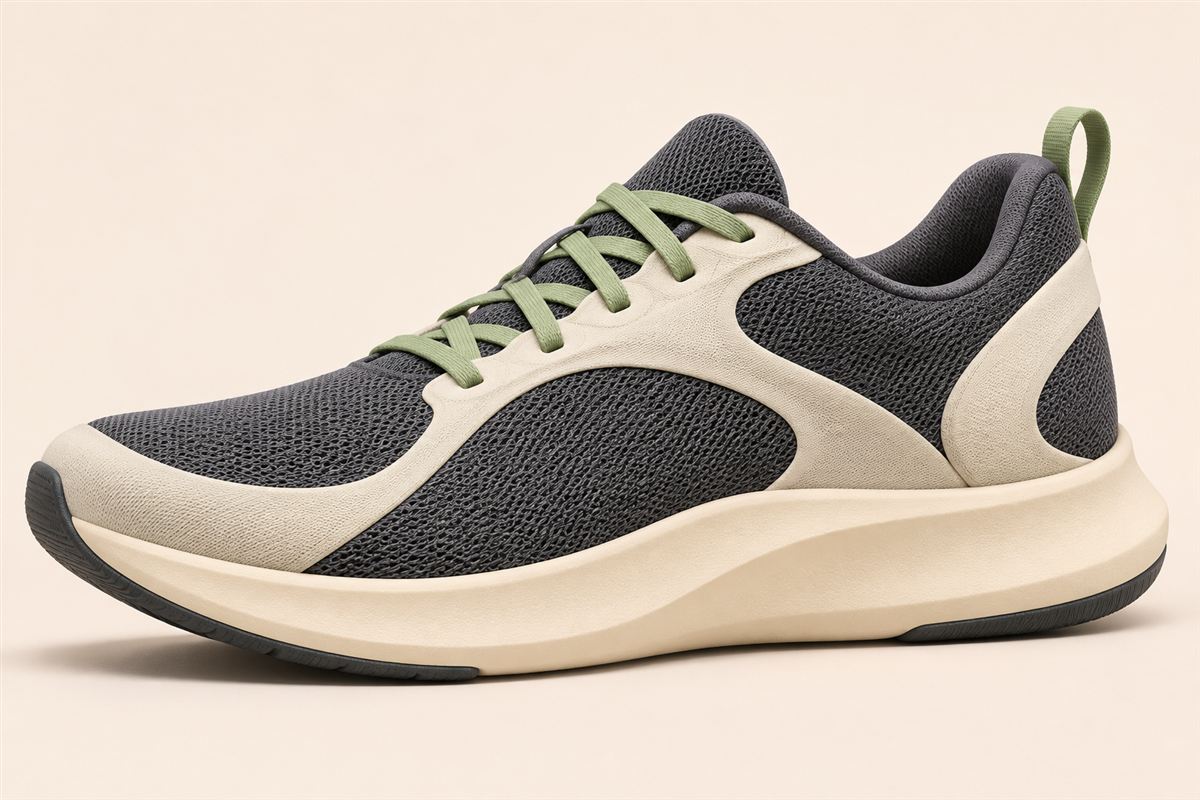
Layered Upper Design
Discuss the upper together with the lining, tongue, collar, and reinforcement. Mesh and other textile constructions offer different ways to approach ventilation and weight, while the complete upper needs to hold the foot securely.
Reducing padding or reinforcement can also change how the shoe fits and feels. During the sample review, check heel hold, pressure around the laces, and whether the tongue stays in place. We’ll assess suitable options against your design and fit requirements.
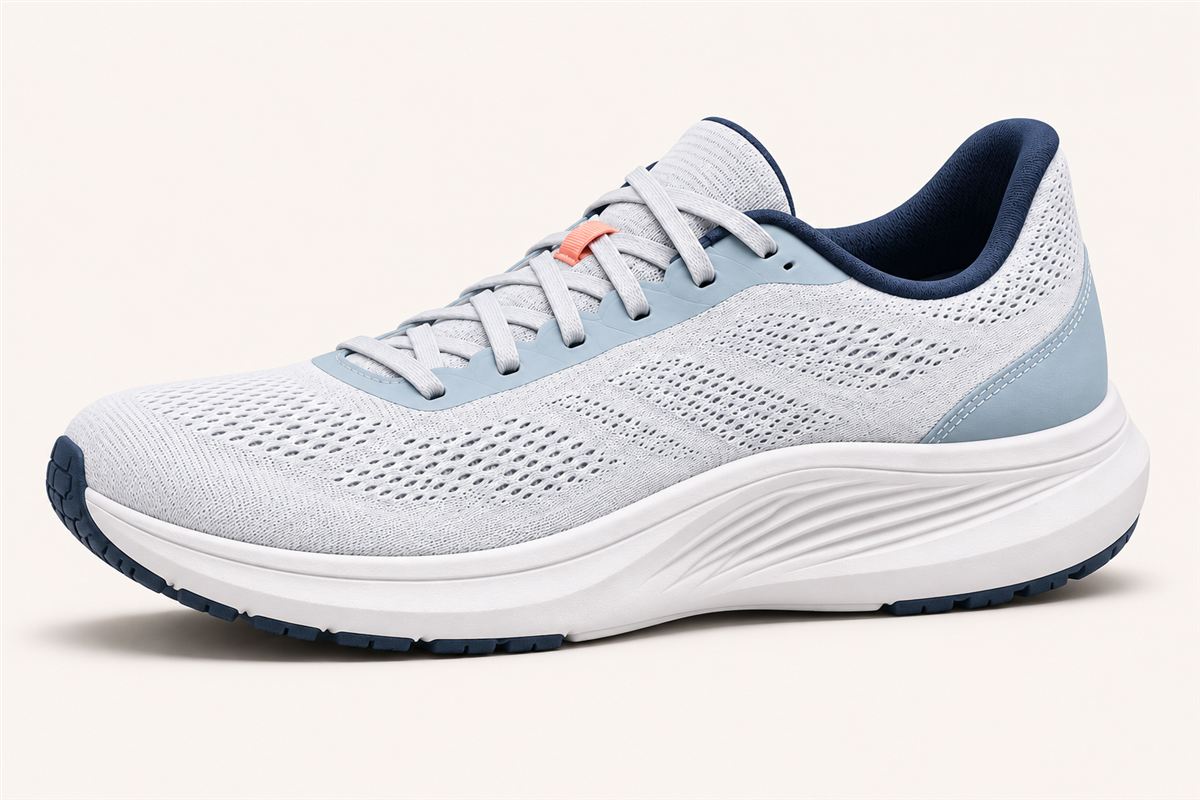
Contoured Daily Trainer
For lightweight road running shoes, outsole coverage is one of the choices to review. Removing rubber may reduce weight, but it also changes which areas contact the ground and where the midsole is exposed.
Discuss the outsole material, coverage, tread, and expected wear areas together, based on the surfaces the shoe is intended for. Grip and durability requirements should guide the configuration and any agreed testing, alongside your weight and cost targets.
Define the Weight and Feel You Want
Set your weight target for a specific reference size, and state whether it applies to one shoe or a pair. When comparing samples, weigh the complete shoes with the same components included. Size, upper construction, cushioning, and outsole coverage all affect the result.
For lightweight daily running shoes, describe the cushioning and fit you want as well as the intended running surface. If you don’t have a target weight, share a reference shoe and explain what you would like to change. That gives us a starting point for discussing the construction before committing to a specification.
Customize the Details for Your Brand
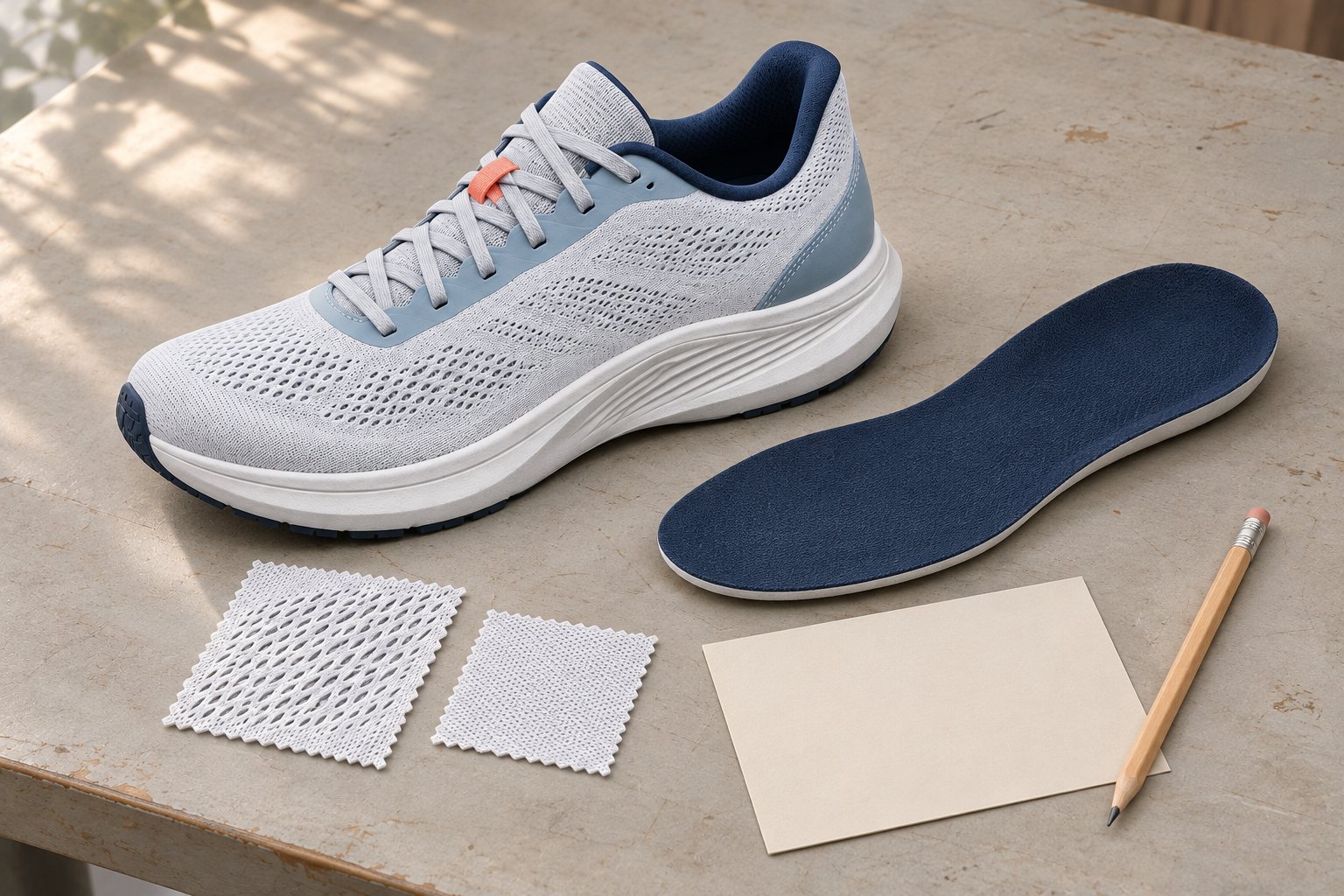
Bring your color references, logo artwork, and ideas for the upper, insole, and packaging. We’ll review how those details fit the proposed construction and confirm the customization scope before sampling.
If you’re planning men’s, women’s, or unisex lightweight running shoes, define the size range and fit requirements early. Review the last, internal volume, and upper pattern together, and check the fit rather than relying on the size label alone.
Changes to the last or sole may require additional development or tooling. We’ll discuss those requirements with you as part of the feasibility and quotation review.
Review Your Sample Before Production
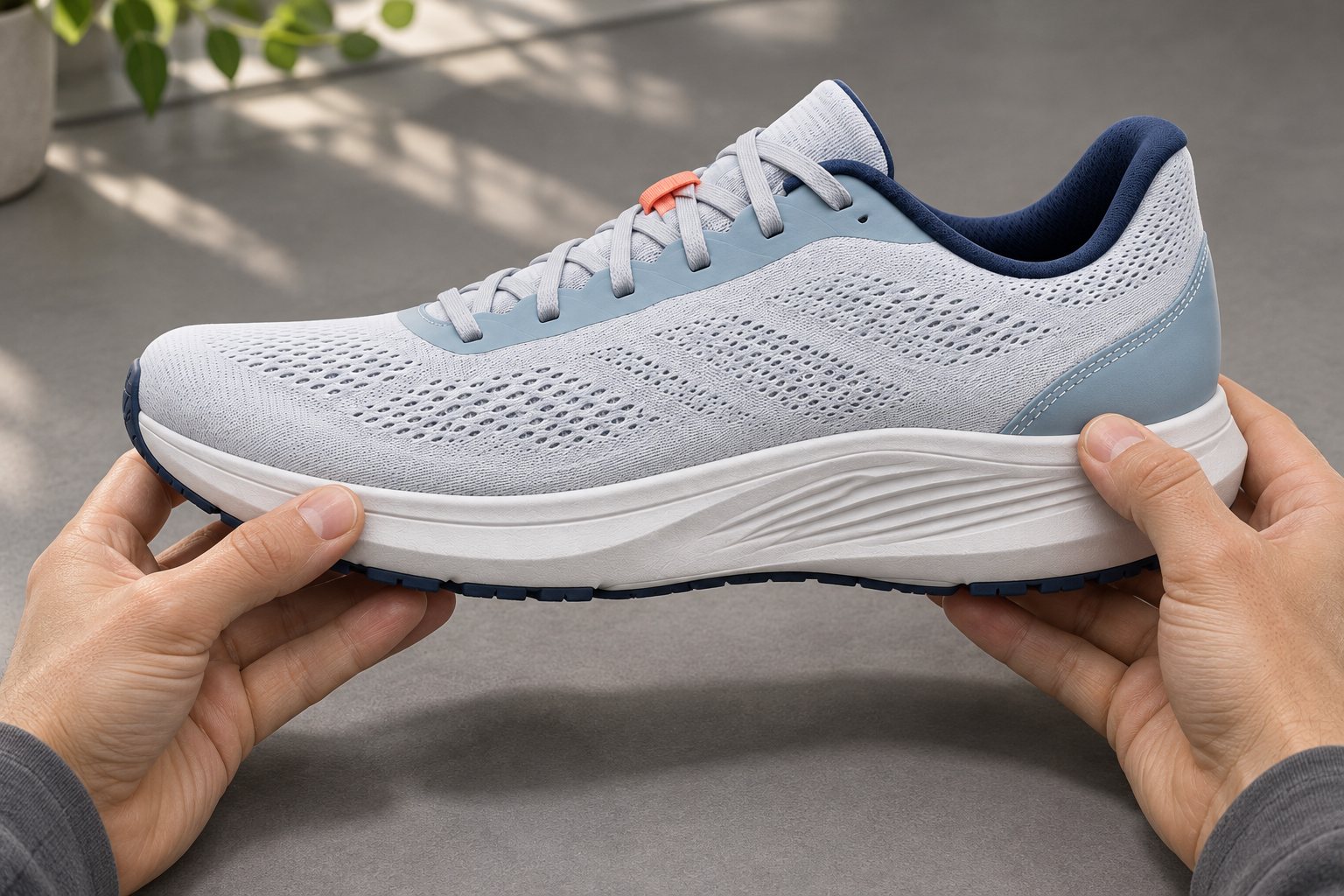
Your sample gives you a complete shoe to compare with the agreed brief. Review its weight at the reference size, then check the fit, cushioning feel, appearance, and construction together.
Record what needs to change and which requirements should remain the same. A change to padding, foam, or outsole coverage can affect several parts of the brief, so review the revised sample as a whole. Confirm the specifications and approved sample that will serve as the production reference.
Keep Production Aligned with Your Approved Sample
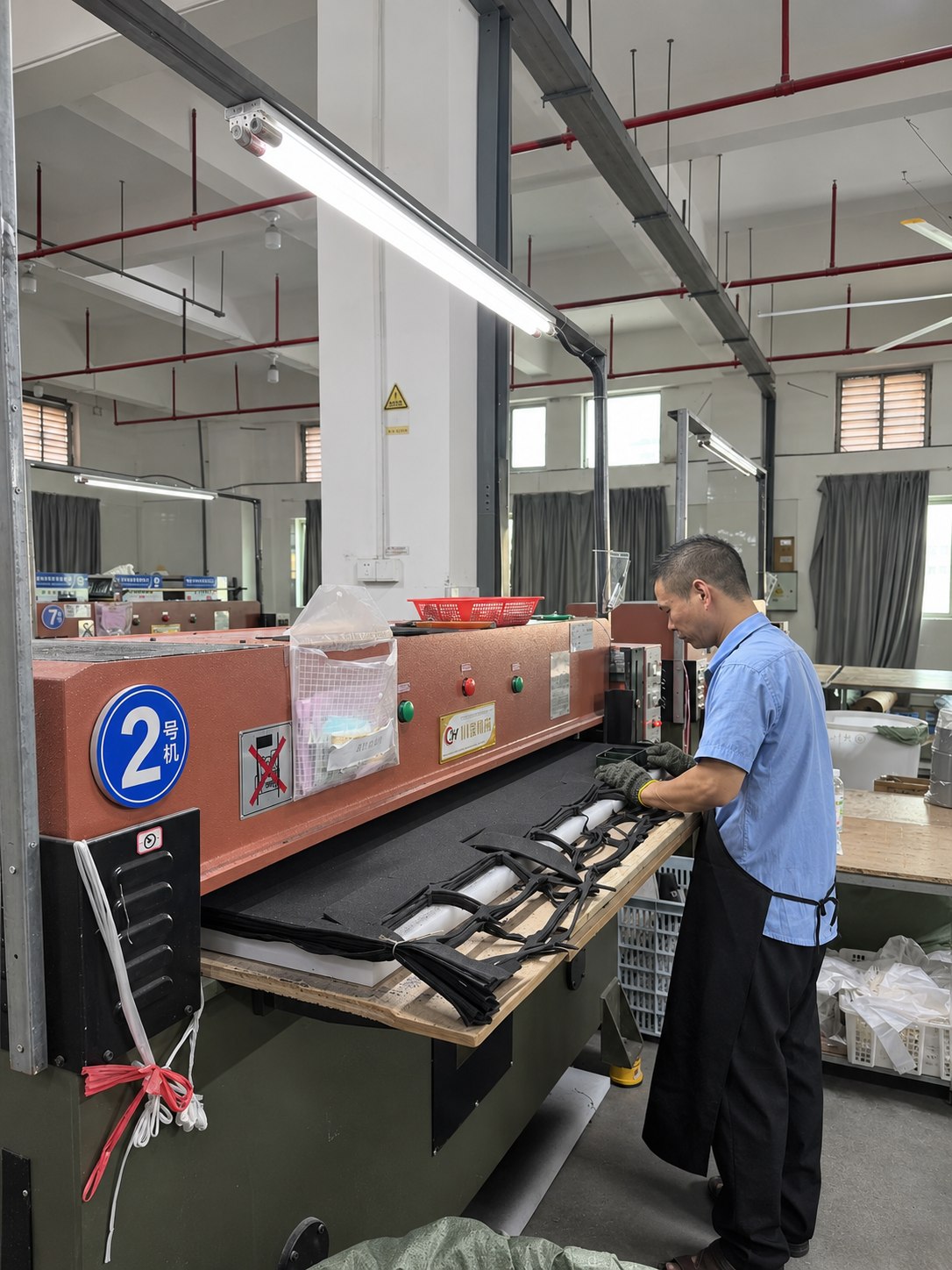
We organize production through our own and partner factories based on your project requirements. Your approved sample and order specifications guide the quality checks agreed for your order.
Depending on the agreed scope, checks cover materials, dimensions, appearance, workmanship, bonding, and packaging details. We confirm the scope and methods of any specialized performance testing with you; routine production checks do not replace that testing.
During order planning, we also confirm your labeling, packing, and delivery details.
Questions About Your Lightweight Running Shoe Project
What makes a running shoe lightweight?
Weight needs context: the reference size, complete shoe configuration, and intended use. A daily trainer and a racing shoe can have different requirements. For your project, define a target in that context rather than relying on a single weight cutoff.
Can lightweight running shoes still offer cushioning?
Yes. A lightweight design can include cushioning, but the balance depends on the midsole material, geometry, and the rest of the shoe. Review the sample’s feel and agreed performance requirements alongside its weight.
Do lightweight running shoes need a carbon plate?
No. A carbon plate is a separate construction choice, not a requirement for a lightweight shoe. Discuss it only where it serves the intended design and use; it should not be assumed from the weight target.
Can I start with a reference shoe instead of a tech pack?
Yes. You can share a reference shoe, sketch, or brief and explain the features you want to retain or change. We’ll review the available information and clarify the details needed to define the development scope.
What affects MOQ, sample cost, and development time?
Materials, colors, size combinations, tooling, and the extent of sample revisions can affect the quotation and schedule. We confirm these details for your project rather than applying one figure to every lightweight running shoe design.
How are testing requirements confirmed?
Share your intended use and any testing requirements when discussing the brief. We’ll agree on the methods, acceptance criteria, and testing arrangements with you, including third-party testing where needed and agreed. We’ll also confirm which reports are required for the project.
Tell Us About Your Lightweight Running Shoe Project
Send your reference design or shoe, intended use, and target size range. Include any weight target, planned quantity, and timing you already have.
You don’t need a complete tech pack to begin. We’ll review your requirements with you and confirm the development scope and next steps.