Request Quote
Original ivory and teal court shoes with a pickleball paddle and perforated ball on a continuous dawn court scene
01OEM / ODM FOOTWEAR DEVELOPMENT

Pickleball Shoes Manufacturer

Bring your pickleball shoe project to HEVA, a footwear manufacturer with its own factory. We work with you on OEM and ODM projects through planning, sampling, production quality checks, and packaging preparation.

YOUR BRAND · YOUR BRIEF · A CLEAR STARTING POINT

AI design concept · not an available SKU

Start with the shoe you want to create and the market you want to serve. We’ll discuss the requirements, identify the details that need further work, and confirm the project scope before moving forward.

02DEFINE THE REQUIREMENTS

Start with Your Court and Fit Requirements

Court surface and fit belong in your brief from the beginning. Pickleball involves repeated stops, pivots, and side-to-side movement, so describe the support and court use you have in mind alongside the look of the shoe.

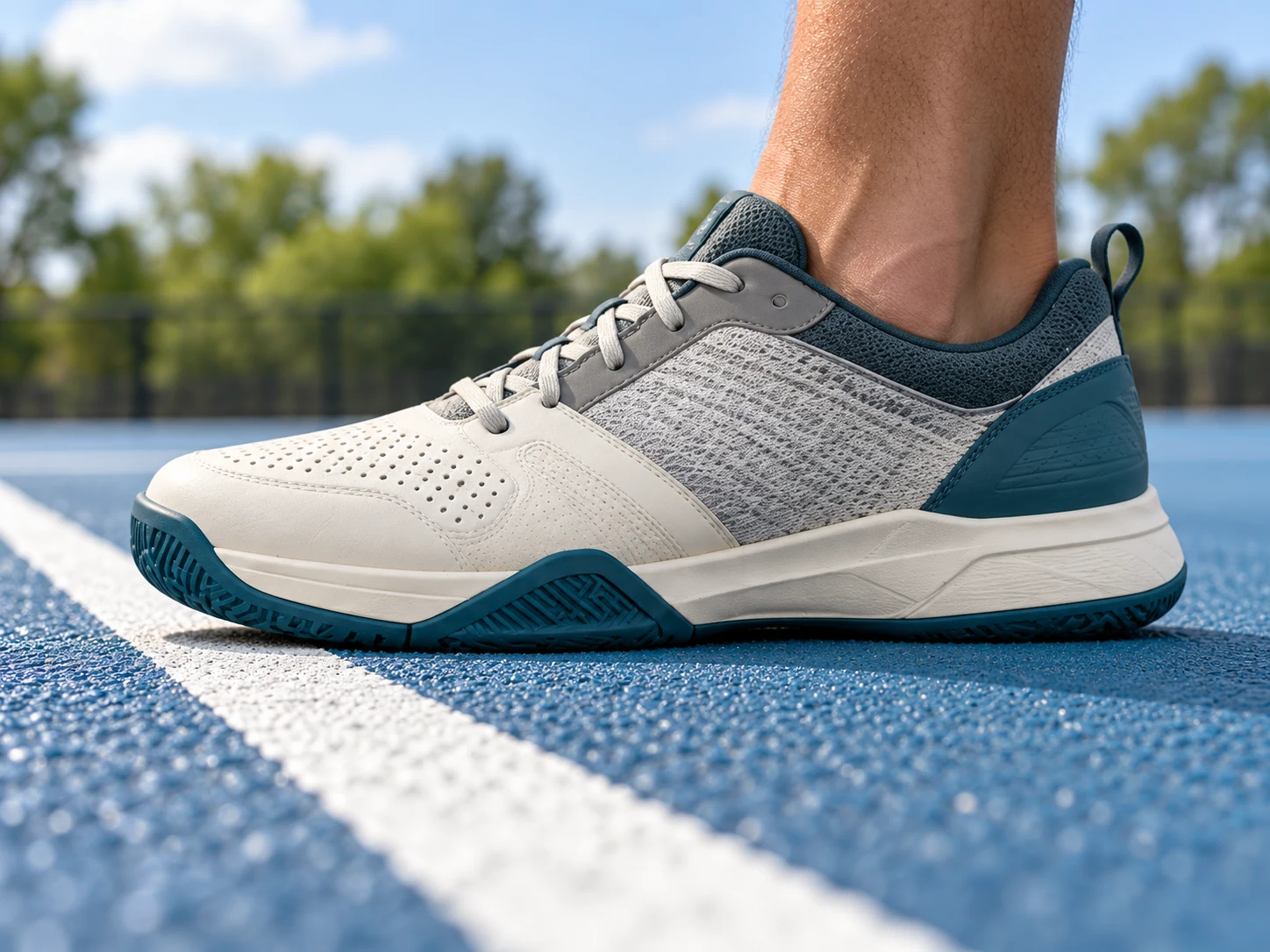
Low-angle close-up of a court shoe worn on a textured outdoor court at a white boundary line
AI court-use illustration · not a traction test
DEVELOPMENT REQUIREMENT / 01

Outdoor Court Requirements

For an outdoor court project, include the playing surface and expected wear conditions in your outsole requirements.

Discuss This Requirement
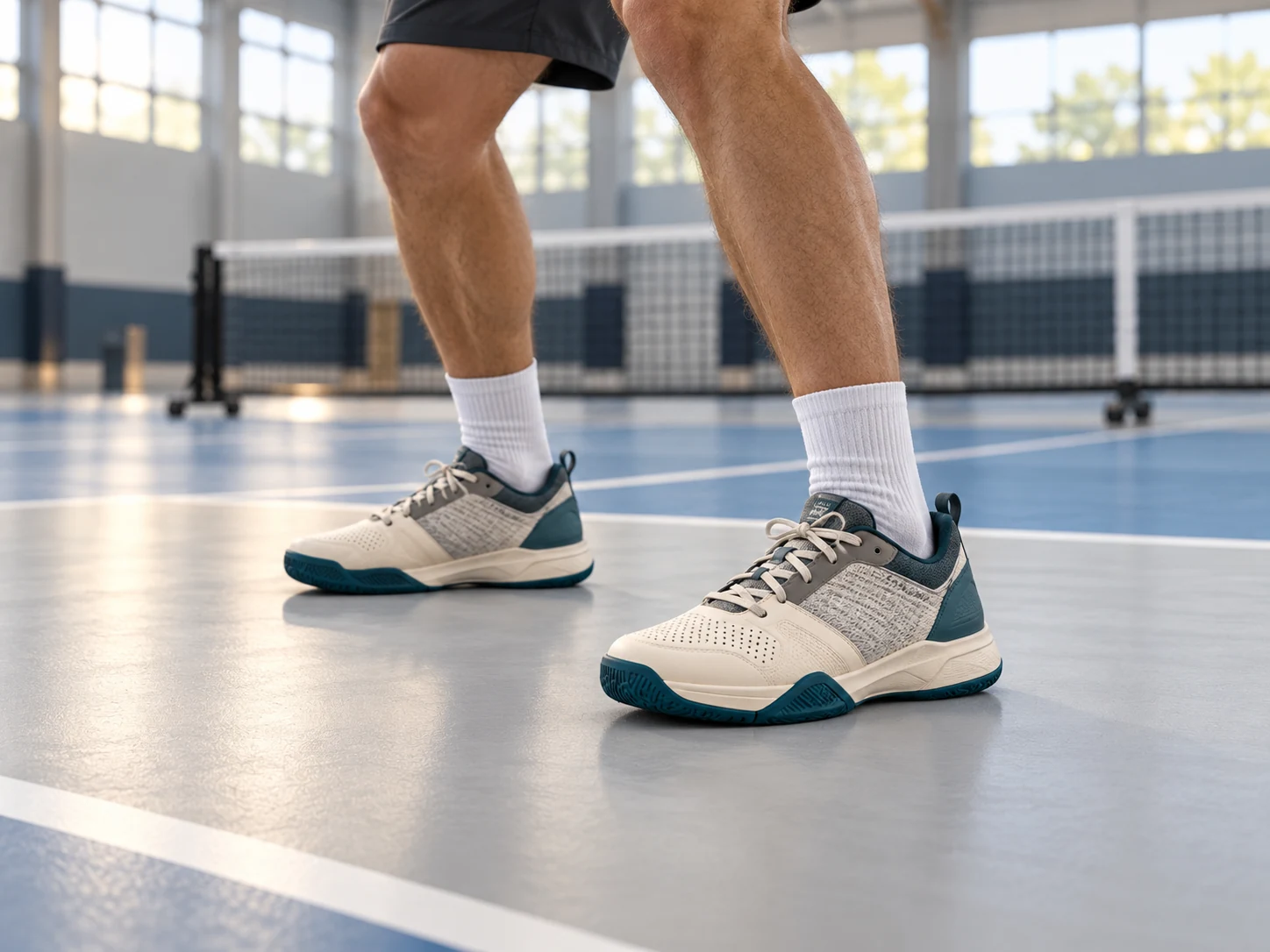
Knee-down scene of court shoes being worn on an indoor sports floor
AI indoor-use illustration · venue rules to confirm
DEVELOPMENT REQUIREMENT / 02

Indoor Court Requirements

For indoor use, check the venue’s footwear rules, including any requirement for non-marking soles.

Discuss This Requirement
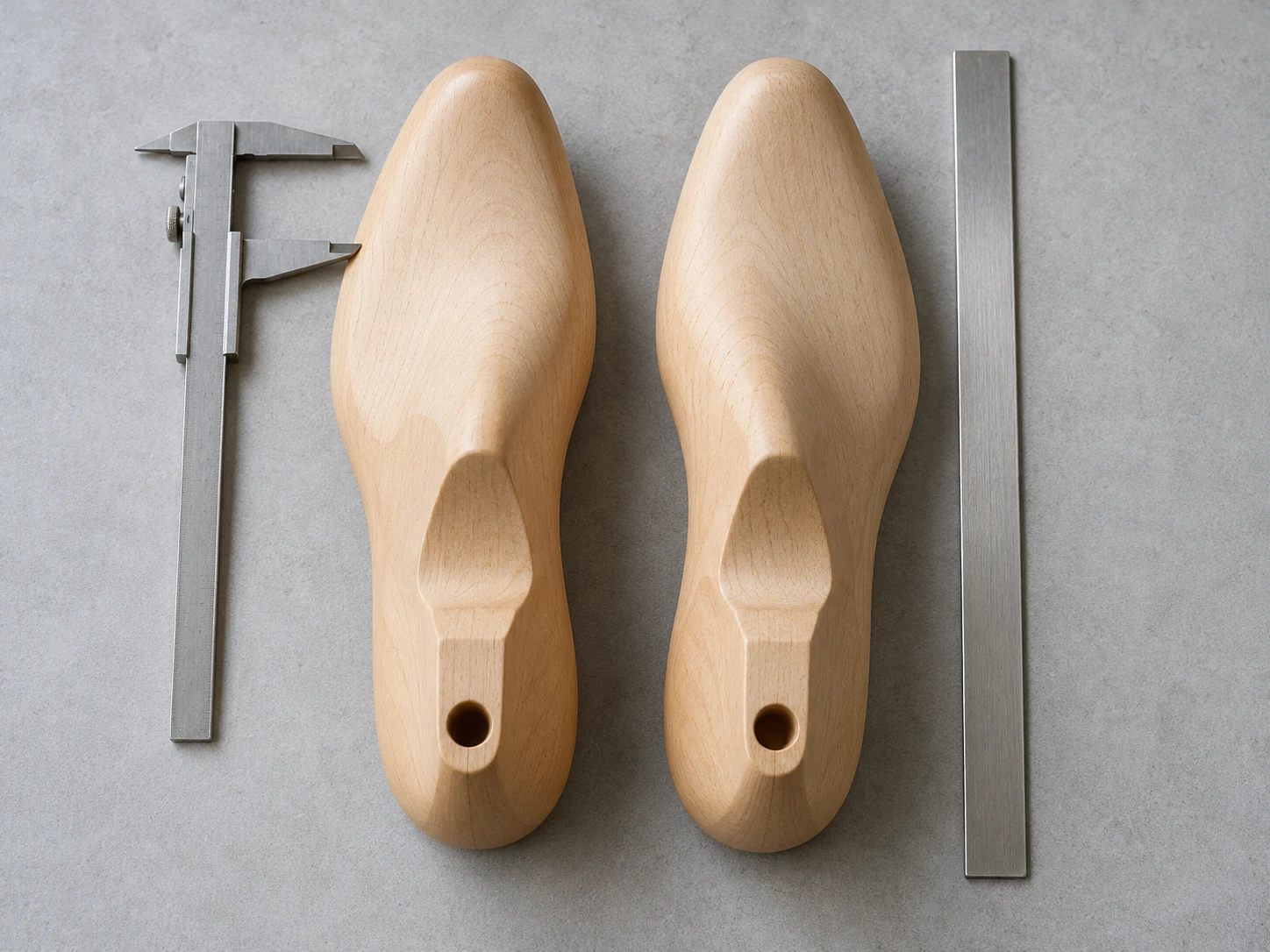
Top-down athletic shoe lasts with unmarked tools illustrating separate length and forefoot discussions
AI fit-discussion illustration · no measured specification
DEVELOPMENT REQUIREMENT / 03

Size and Fit Requirements

Tell us your target size range and whether you’re planning shoes for men, women, or both. Describe the room you want in the forefoot and toe area, as well as the fit around the heel. Keep length and width requirements separate so the fit discussion is specific.

Discuss This Requirement
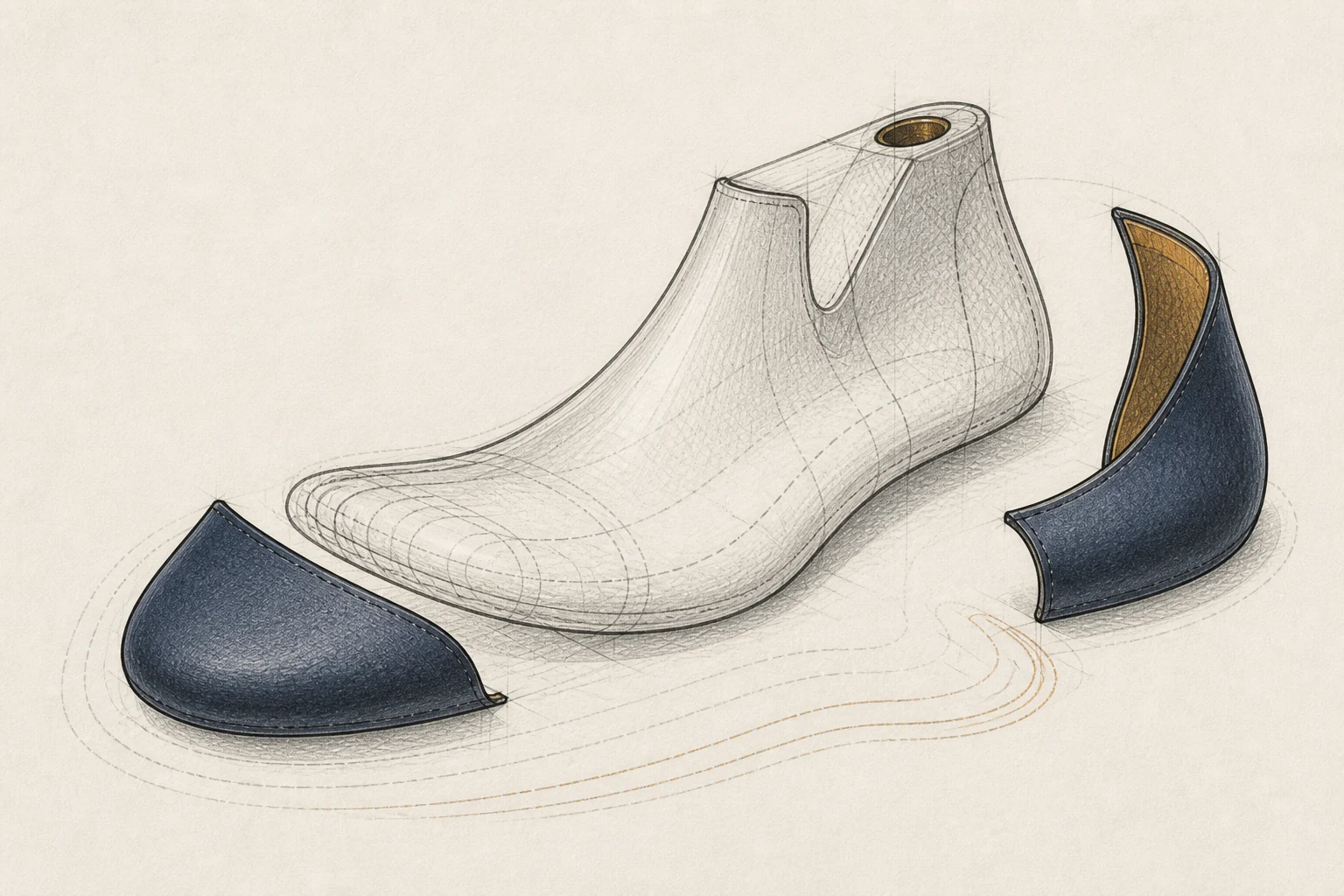
Illustrative shoe last with separate toe and heel pieces for discussing fit requirements
Fit discussion illustration · no width or supply specification
DEVELOPMENT REQUIREMENT / 04

Wide Pickleball Shoes: Share Your Fit Requirements

If your plans include a wider fit, flag that requirement in your inquiry. Share the target sizes and explain where you need additional room, such as across the forefoot or around the toes.

A reference shoe can help describe the request if you have one. Note whether its length works, where it feels tight, and what you want to change. Simply asking for a longer shoe may not explain the width you need.

Before you plan around a wide-fit shoe, confirm separately whether HEVA can supply it, provide samples, or develop it.

Discuss This Requirement
03START WITH WHAT YOU HAVE

A clear starting point
for your project.

01 / YOUR REFERENCES

A design or reference shoe

02 / YOUR REQUIREMENTS

A product direction to discuss

You can start with a design idea, sketch, reference shoe, or written brief. Include the market, court use, fit, and branding you have in mind, and note any details you still need to decide.

Start a Project Discussion
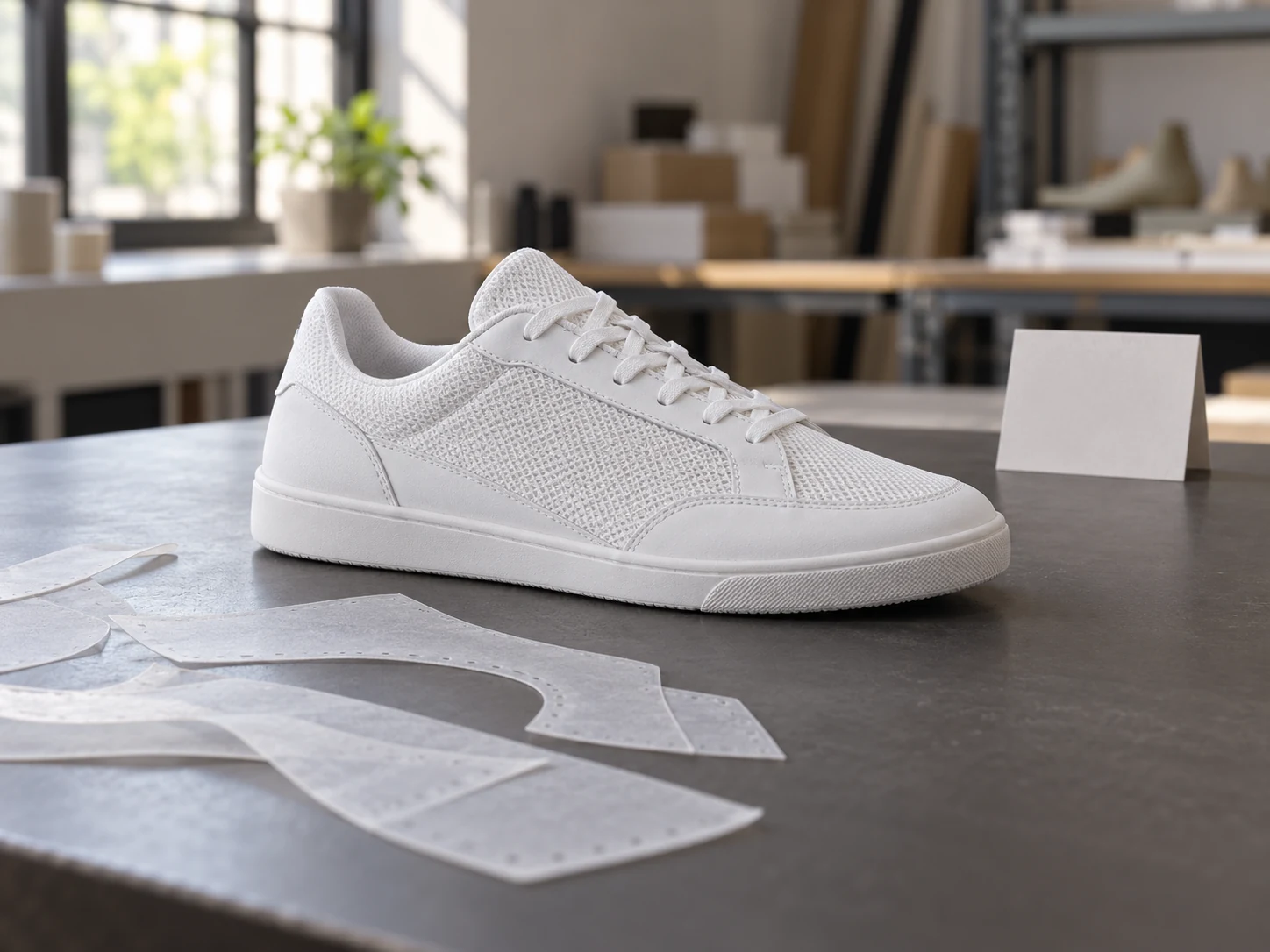
Plain white low-cut shoe mockup and pattern pieces on a development table
AI development concept · not an actual HEVA sample
04DEFINE THE DETAILS

Plan the Details Before Sampling

For a private label or custom footwear project, discuss the shoe requirements alongside the branding. Your brief can cover:

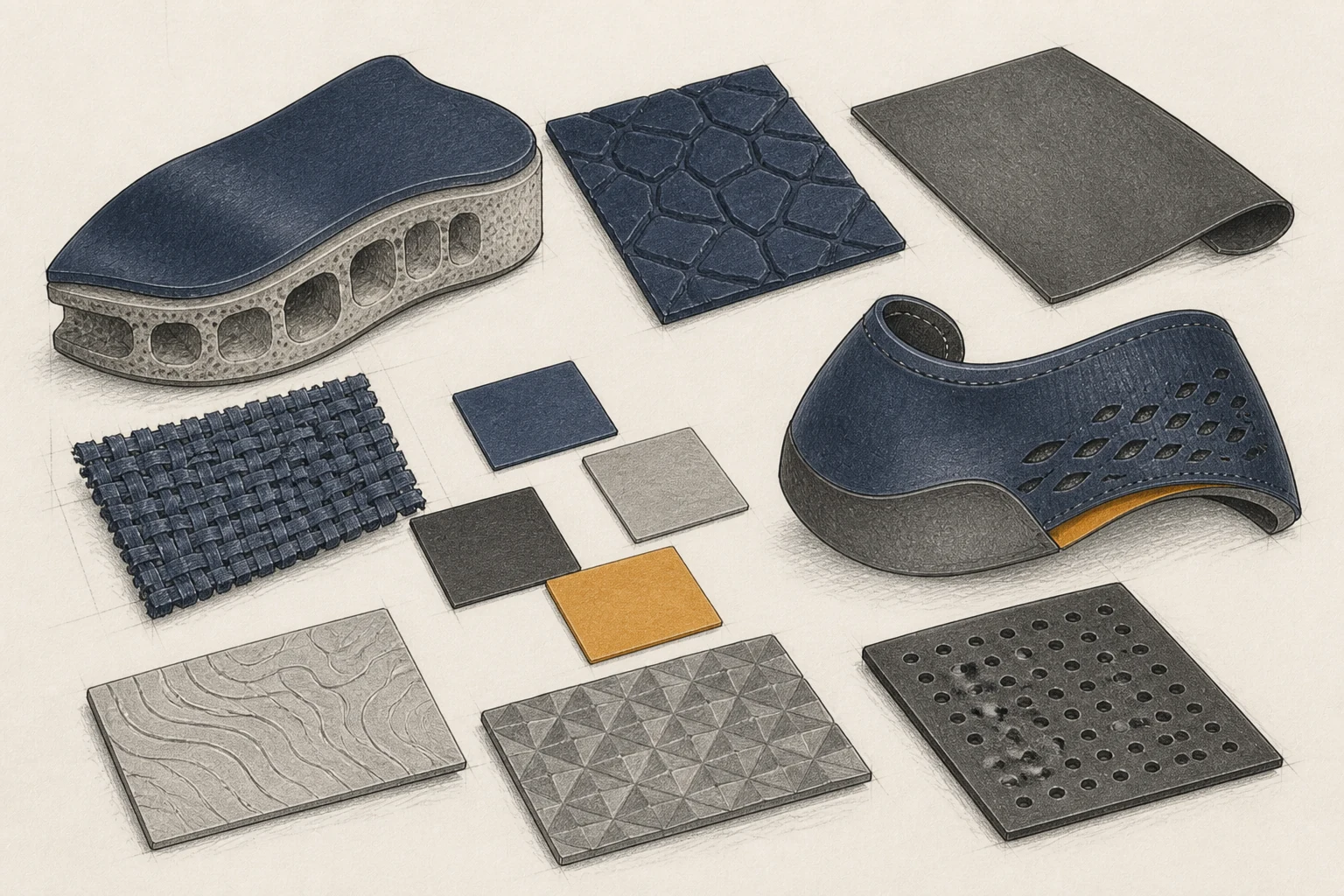
  • Upper construction and material preferences.
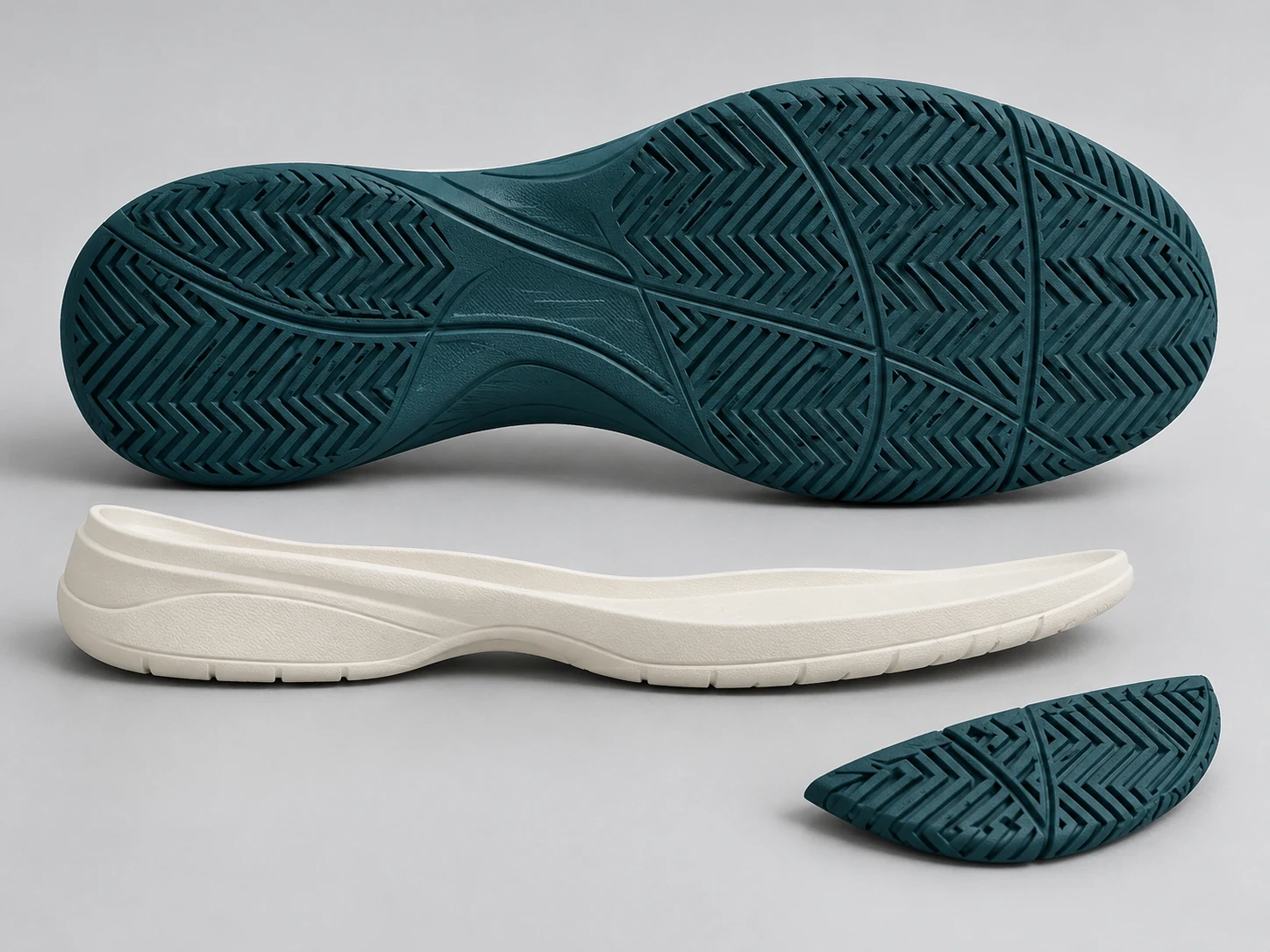
  • Outsole requirements for the intended court.
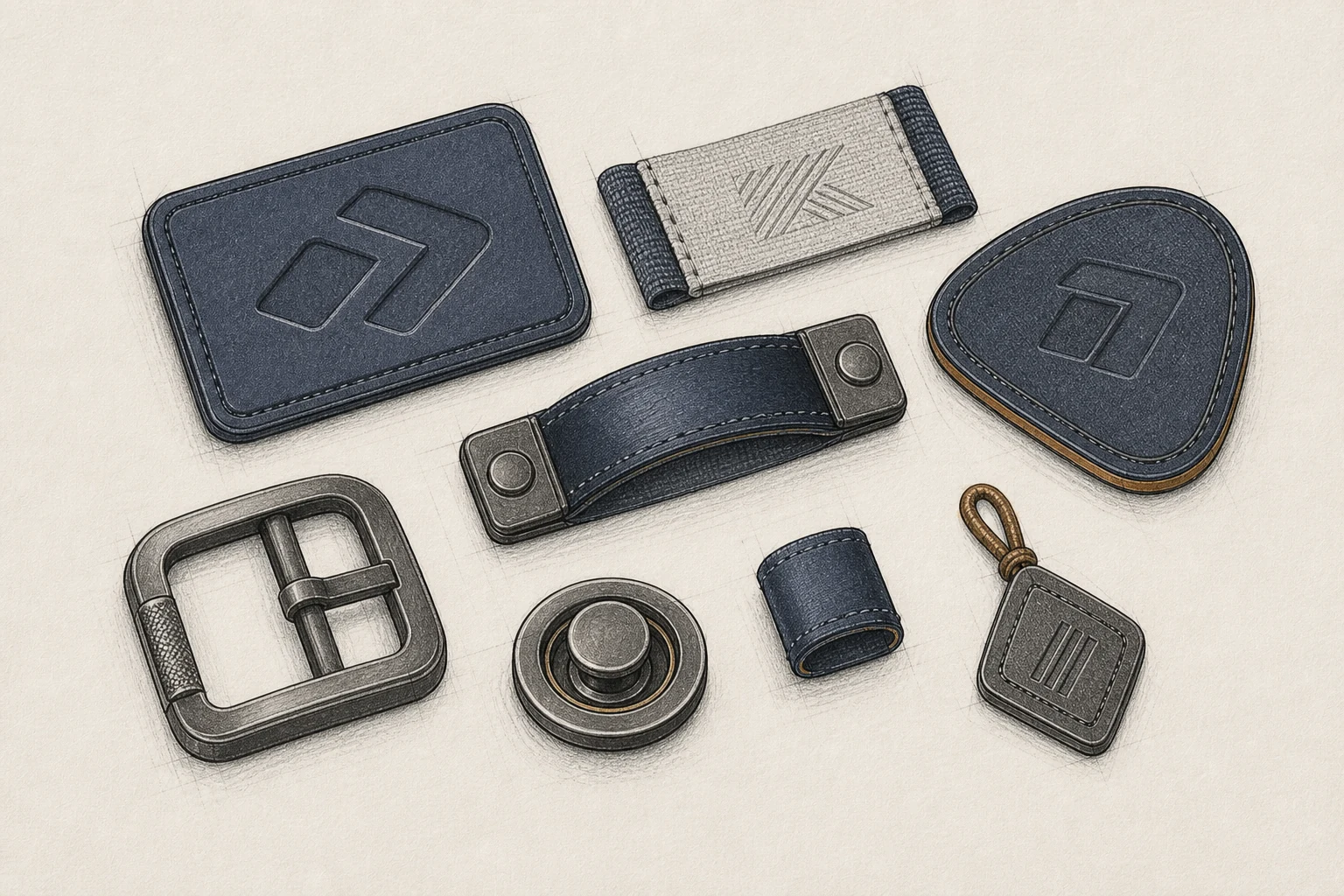
  • Logo placement, color references, and finish.
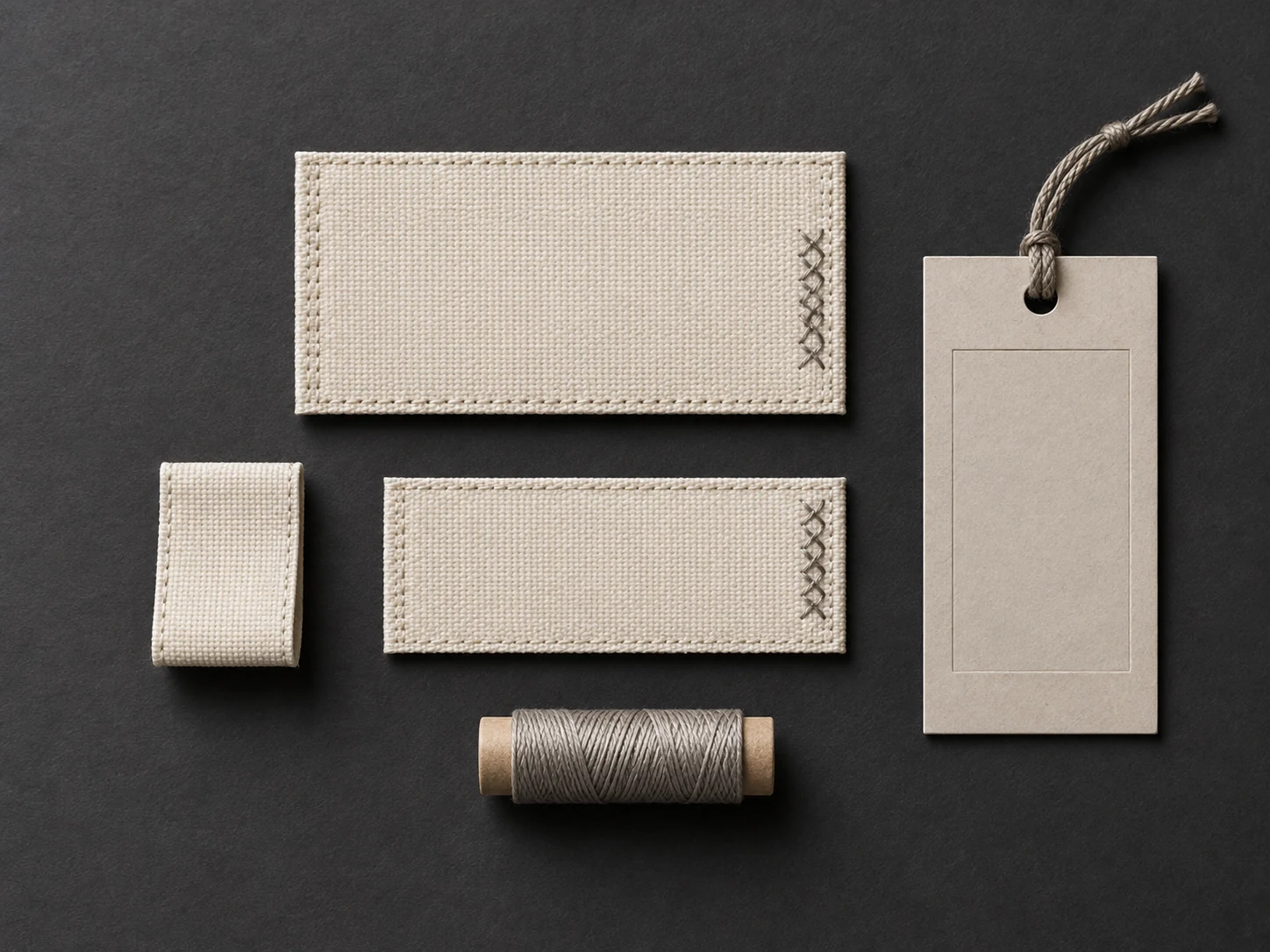
  • Size and fit notes, labels, and packaging requirements.

Mark which details are essential and where you’re open to alternatives. If you have a reference, point out the features you want to retain and those you want to change. This gives us a clear starting point before we agree on specifications and sampling.
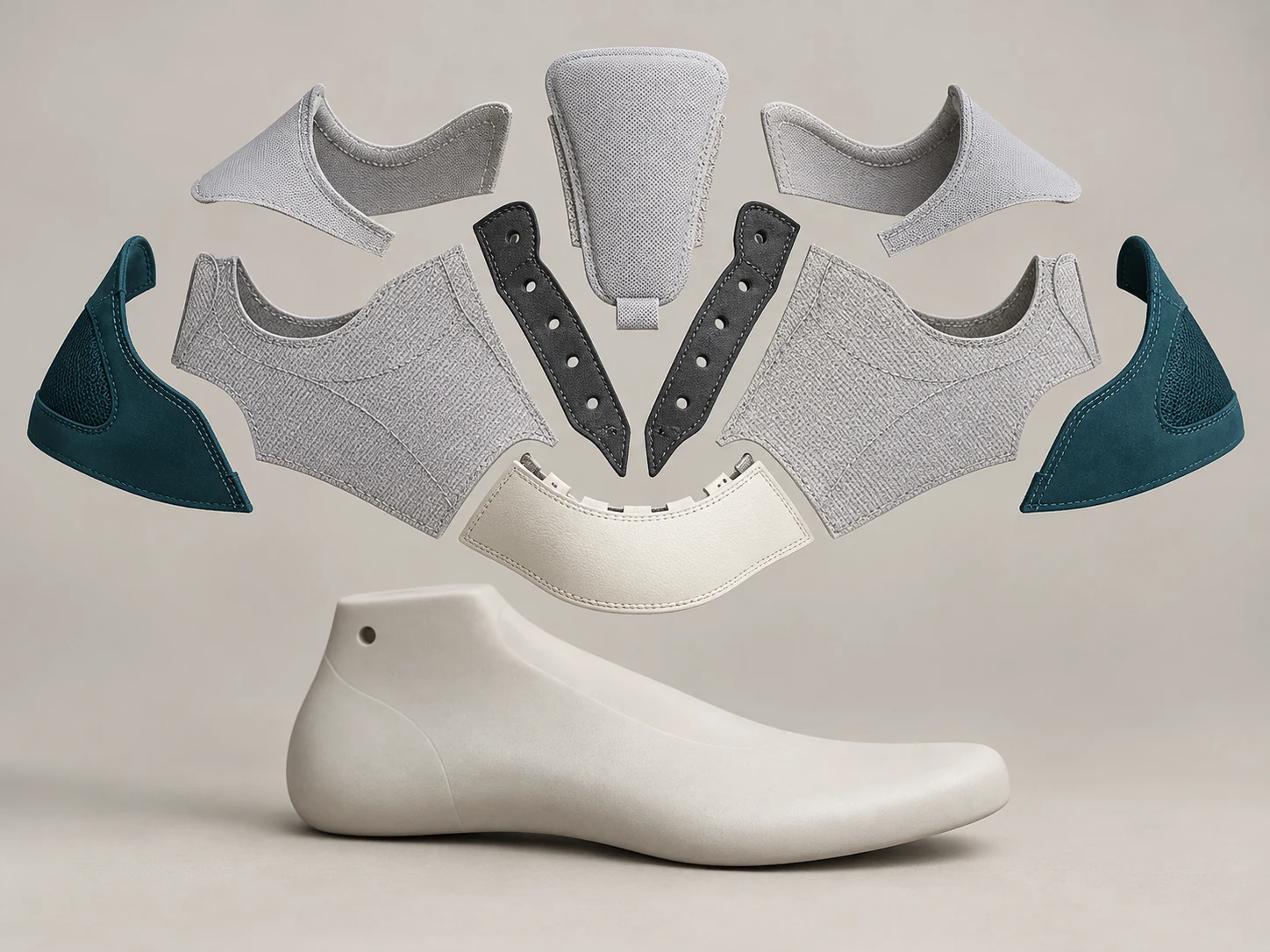
Separate low-cut court-shoe upper panels, lining, tongue and last arranged for construction discussion
AI upper-component concept · details to confirm
01 / Upper

Upper construction and material preferences.
05FROM BRIEF TO PRODUCTION

From Your Brief to an Approved Sample

We’ll review your requirements and discuss feasibility, quote details, and what the sample should cover. Once we agree on those points, you can assess the sample against your brief.

  1. 01

    Review

    Requirements & feasibility

  2. 02

    Agree

    Quote & project conditions

  3. 03

    Refine

    Sample, revise & approve

  4. 04

    Produce

    Production & quality checks

  5. 05

    Prepare

    Packaging & delivery

Review the details. Keep a clear record.

Keep your feedback focused on fit, appearance, construction, and branding details. Explain what needs to change, and keep a clear record of revisions as the sample is developed. Before approving it, check that the agreed changes are reflected in the version you’re reviewing.

Approve the reference before production.

Your approved sample and order requirements then become the reference for bulk production. Confirm the relevant specifications and commercial conditions before authorizing that next stage.

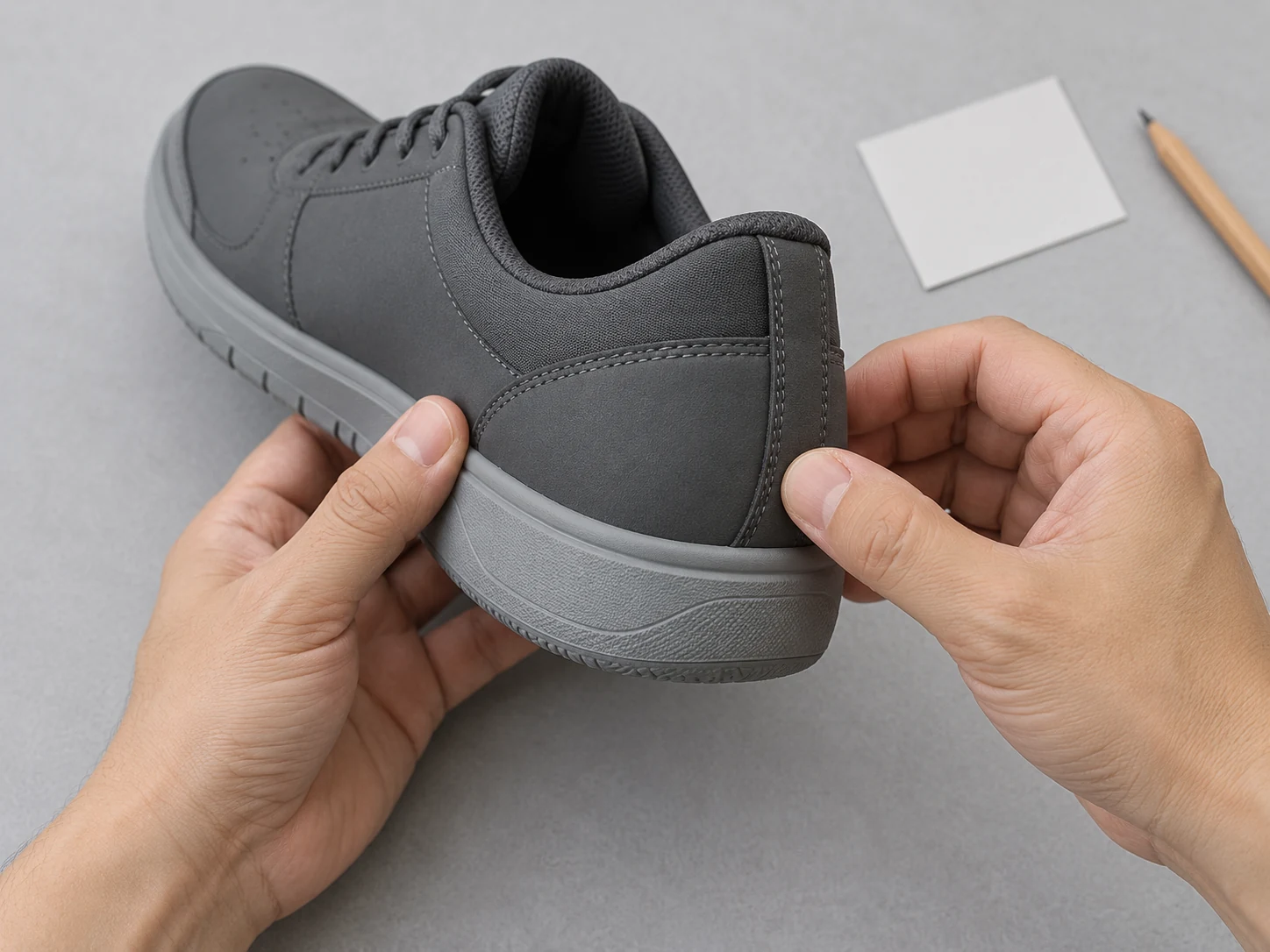
Illustrative hands examining the heel seam and upper-to-sole junction of a gray footwear sample
AI sample-review concept · not an actual inspection record
06YOUR APPROVED REFERENCE

Keep Production Aligned with Your Approved Sample

Our production quality checks use the approved sample and order requirements as their reference. Depending on the agreed project scope, checks may cover construction, appearance, branding details, and consistency within the batch.

If you need a particular test or documented result, raise it during the project discussion so the requirements and arrangements can be confirmed separately. The checks for your order should be clear before production begins.

As you prepare the order, confirm the labels, packaging instructions, and delivery arrangements.

07HEVA / DEVELOPMENT & MANUFACTURING

Support for your brand.

Own factoryOEM / ODMProject scope confirmed with you
08BEFORE THE FIRST CONVERSATION

Questions Before You Start

Court use. Fit. Project terms.
Start with the details that matter to you.

Are pickleball shoes the same as tennis shoes?

Some hard-court tennis shoes can be suitable for pickleball because they’re designed for lateral movement and changes of direction. Suitability still depends on the surface, construction, and fit. Describe the intended court use in your brief rather than assuming every tennis or pickleball shoe is interchangeable.

How should I describe a wide-fit requirement?

Specify the target sizes and where additional room is needed. If you have fit notes from a reference shoe, include them. Confirm separately whether HEVA can supply or develop a wide-fit shoe for your project.

How are MOQ, sample costs, and lead times confirmed?

Share your proposed quantity, specifications, and launch plans so MOQ, sample costs, and lead times can be confirmed for your project. Agree on these terms before proceeding.

What do you need to start a sample discussion?

You can start with a design idea, sketch, reference shoe, or written brief. Include the market, court use, fit, and branding you have in mind, and note any details you still need to decide.

09LET’S DISCUSS YOUR PROJECT

Tell Us About Your Pickleball Shoe Project

Send HEVA your project brief with your target market, court surface, size and fit requirements, and any design or brand references. Include any wide-fit request in your initial inquiry.

Tell us where you are in the project and which decisions you still need to work through so we can begin discussing OEM or ODM development and manufacturing.

Discuss Your Pickleball Shoe Project
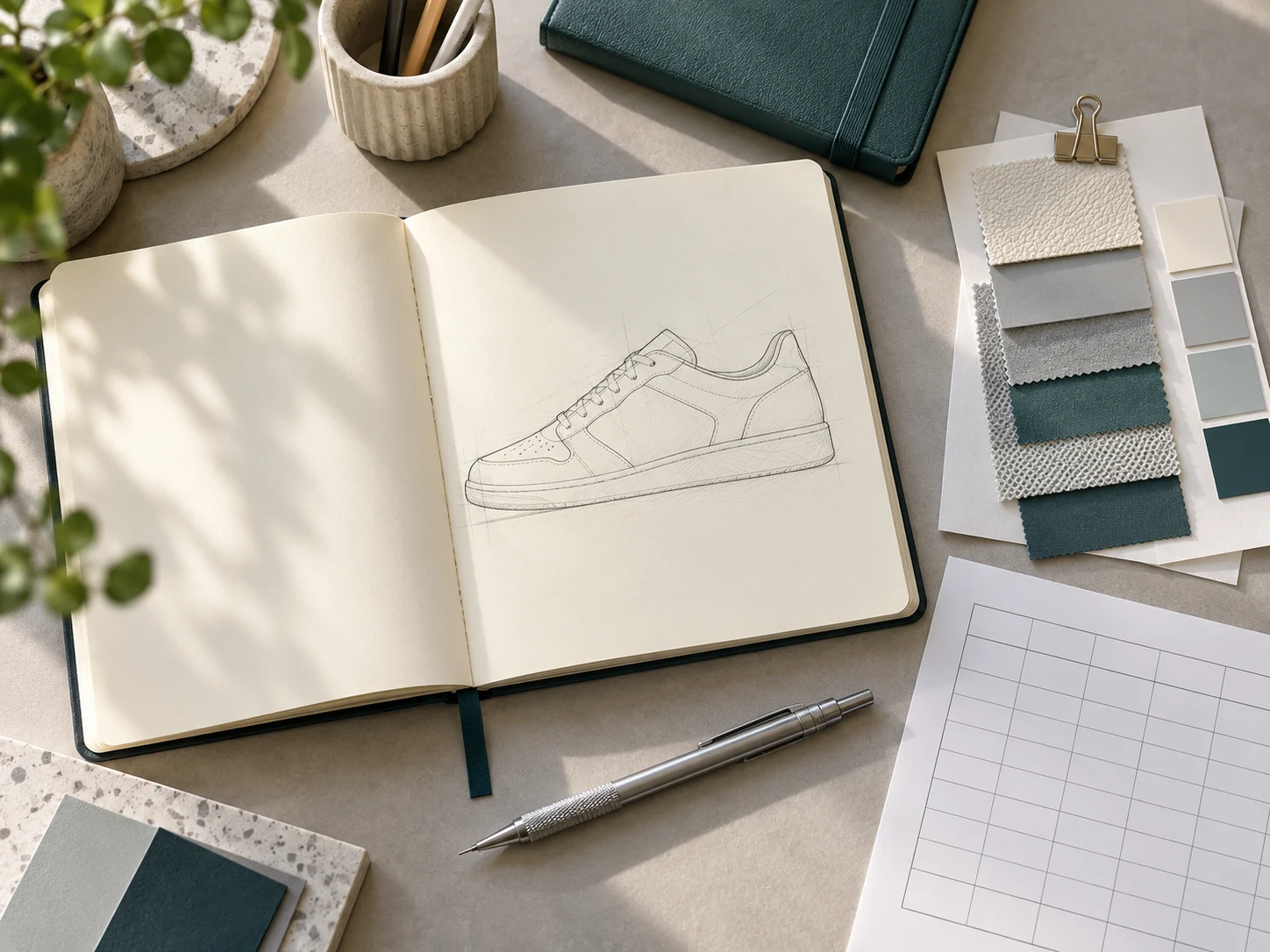
Open project notebook with an original shoe sketch, material card and empty planning sheet
AI project-brief concept · not a customer project record