OEM / ODM · PRIVATE LABEL DEVELOPMENT
Deadlift Shoes Manufacturer
Develop deadlift shoes around the fit, sole feel, and training use you want for your range. Bring a design, a reference sample, or an early product idea. HEVA helps you turn that starting point into specifications, samples, and a production plan.
Define the Sole, Fit, and Grip
Start with the intended use: dedicated deadlifting shoes or a style that also covers other strength training. Tell us whether you’re developing for conventional deadlifts, sumo deadlifts, or both, and what training surfaces you expect. Those choices help shape the sole and fit requirements.
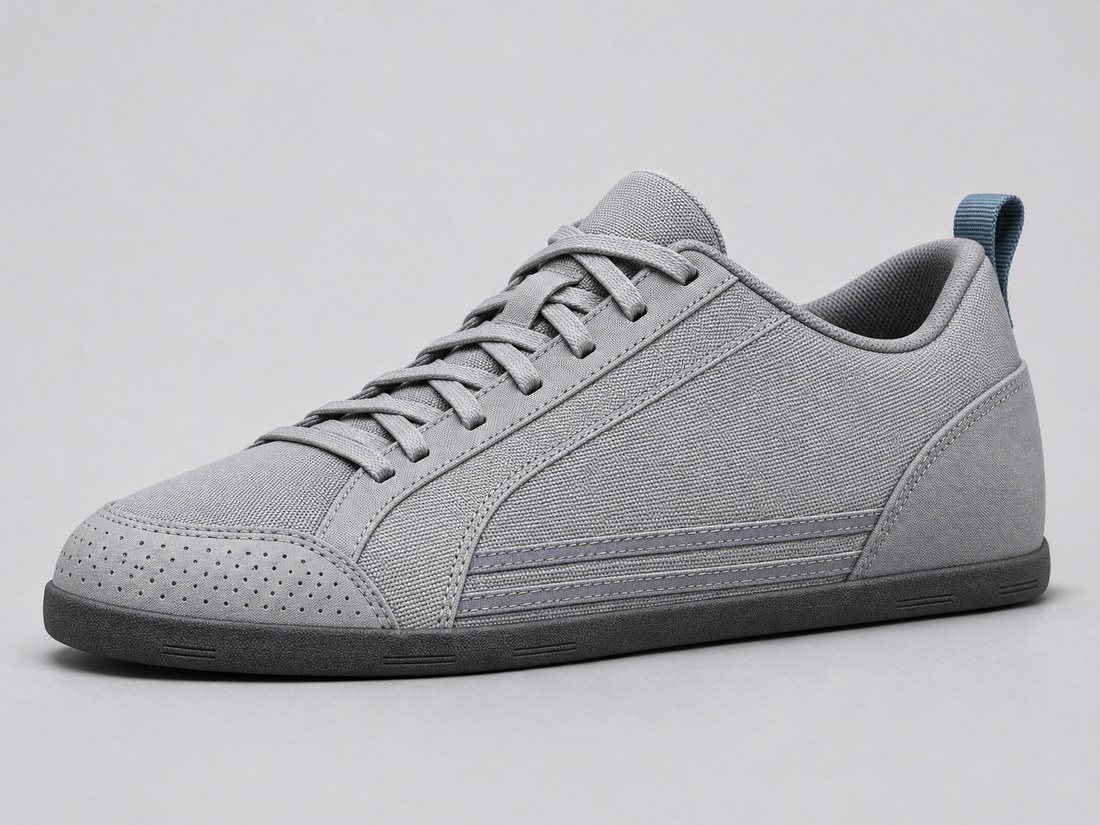
Sole Height and Heel-to-Toe Drop
Stack height describes the height between the foot and the ground. Heel-to-toe drop describes the difference between the heel and forefoot heights. A zero-drop shoe can still have a thick sole, so define both when you describe your preferred construction.
For flat lifting shoes, also consider how much the sole compresses under load and how it contacts the floor. A reference pair can help communicate the feel you want. Before comparing samples, agree on the construction and measurement points, and record the insole used in each pair.
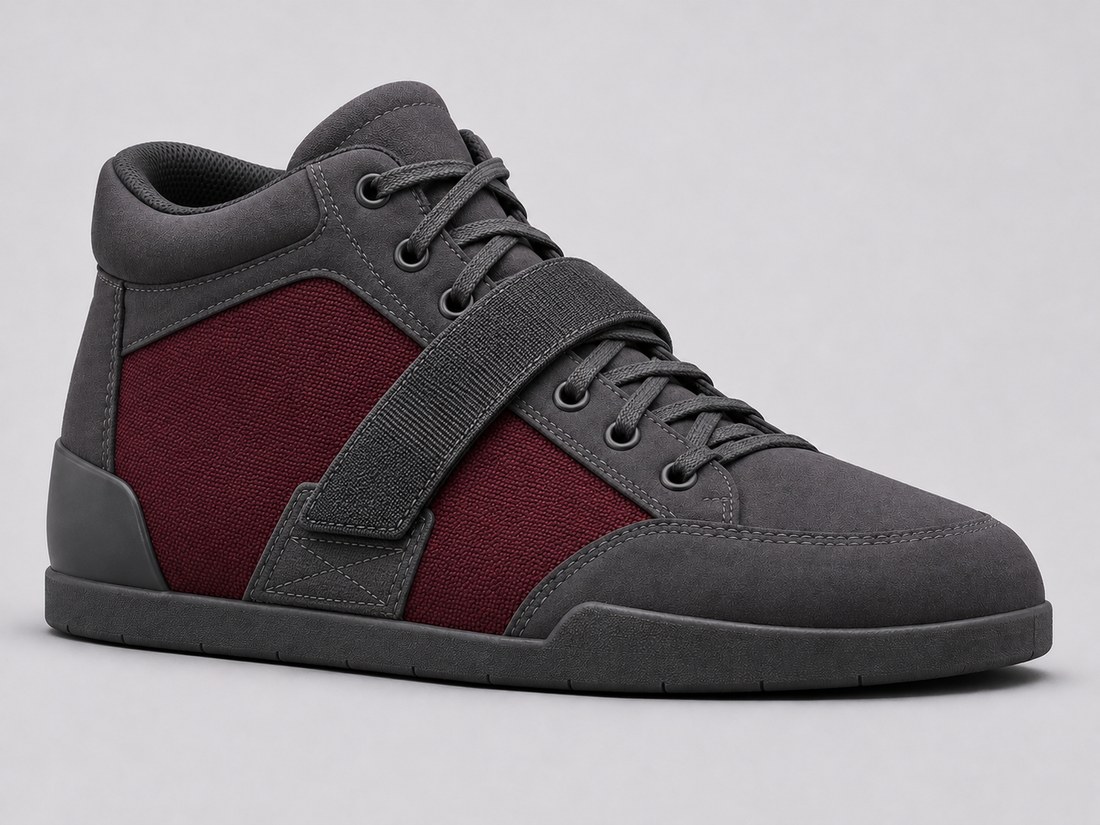
Toe Room and a Secure Fit
Look at toe space alongside how securely the shoe holds the heel and midfoot. Extra room at the front won’t resolve a loose heel, and tightening a strap won’t correct every mismatch in fit.
Review the last—the form used to shape the shoe—alongside the upper, laces or straps, and sidewall construction. For a sumo-focused design, note any sideways movement inside the shoe and where you feel pressure against the upper during sample review.
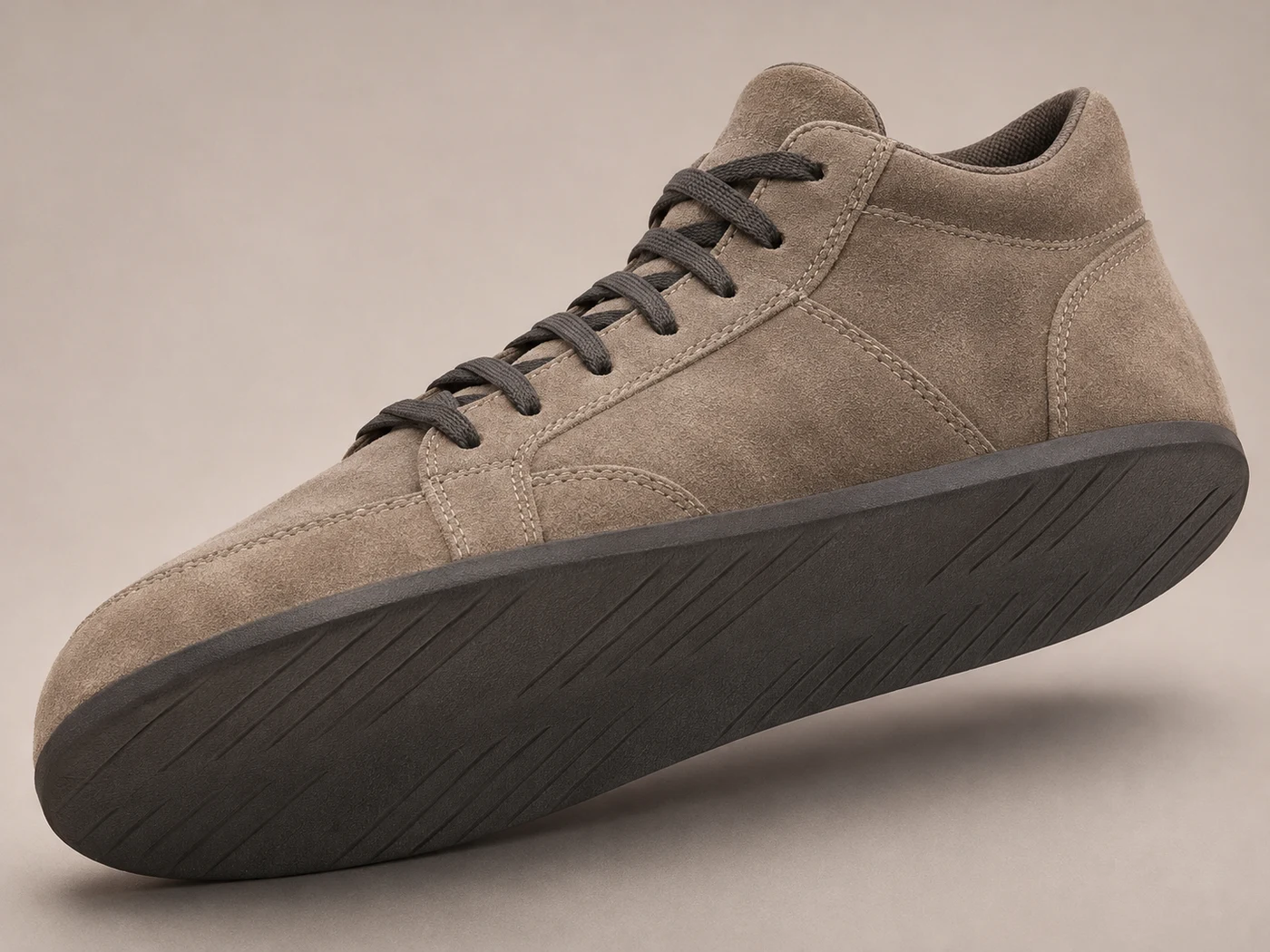
Outsole Grip and Training Surfaces
Discuss the outsole material, tread, and contact area together with the intended training surface. Appearance alone doesn’t establish grip. If traction is a priority for your project, define the surfaces and evaluation conditions during development so you have a useful basis for comparing samples.
Ways to Work with HEVA
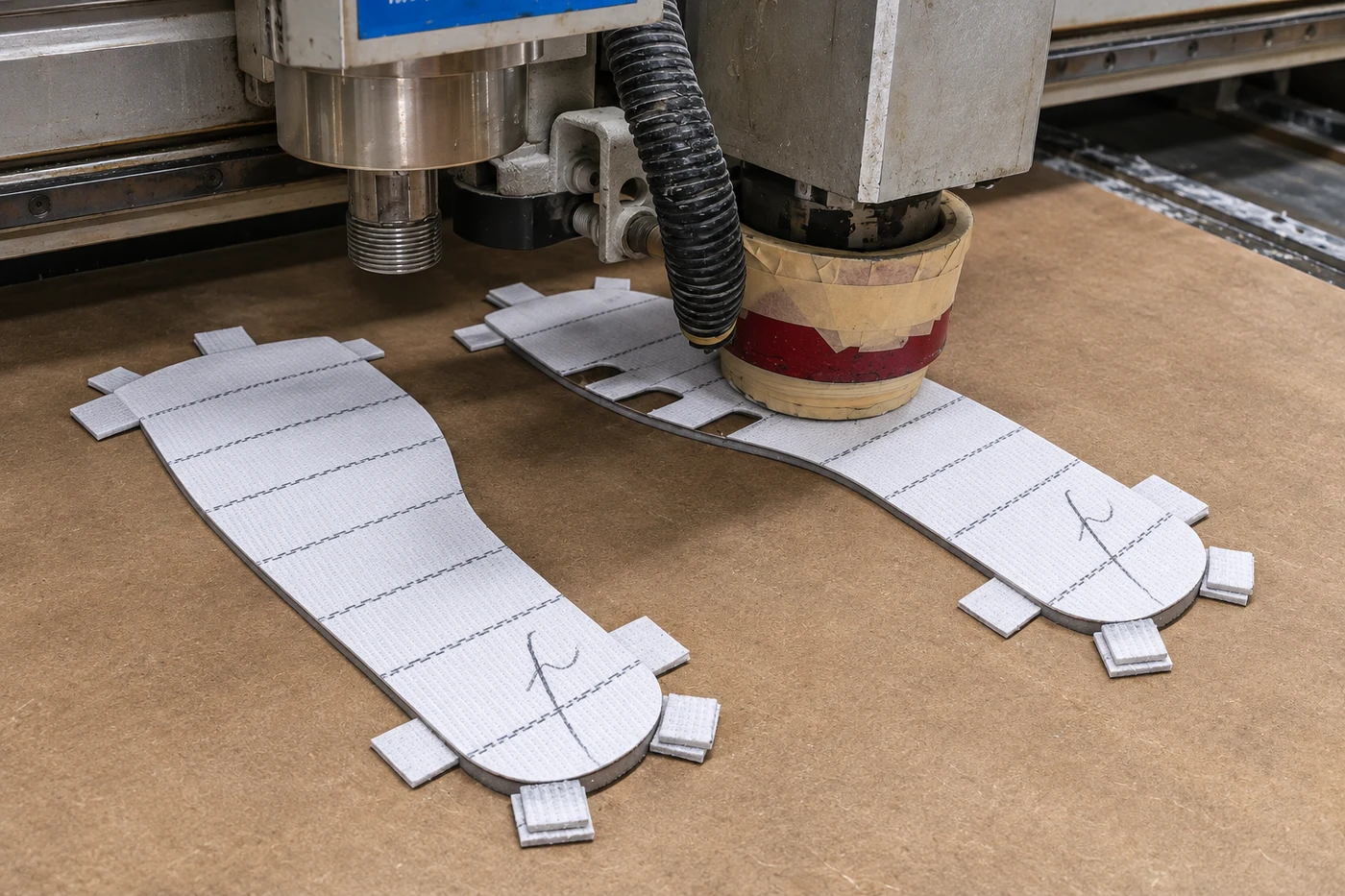
Development & Sampling
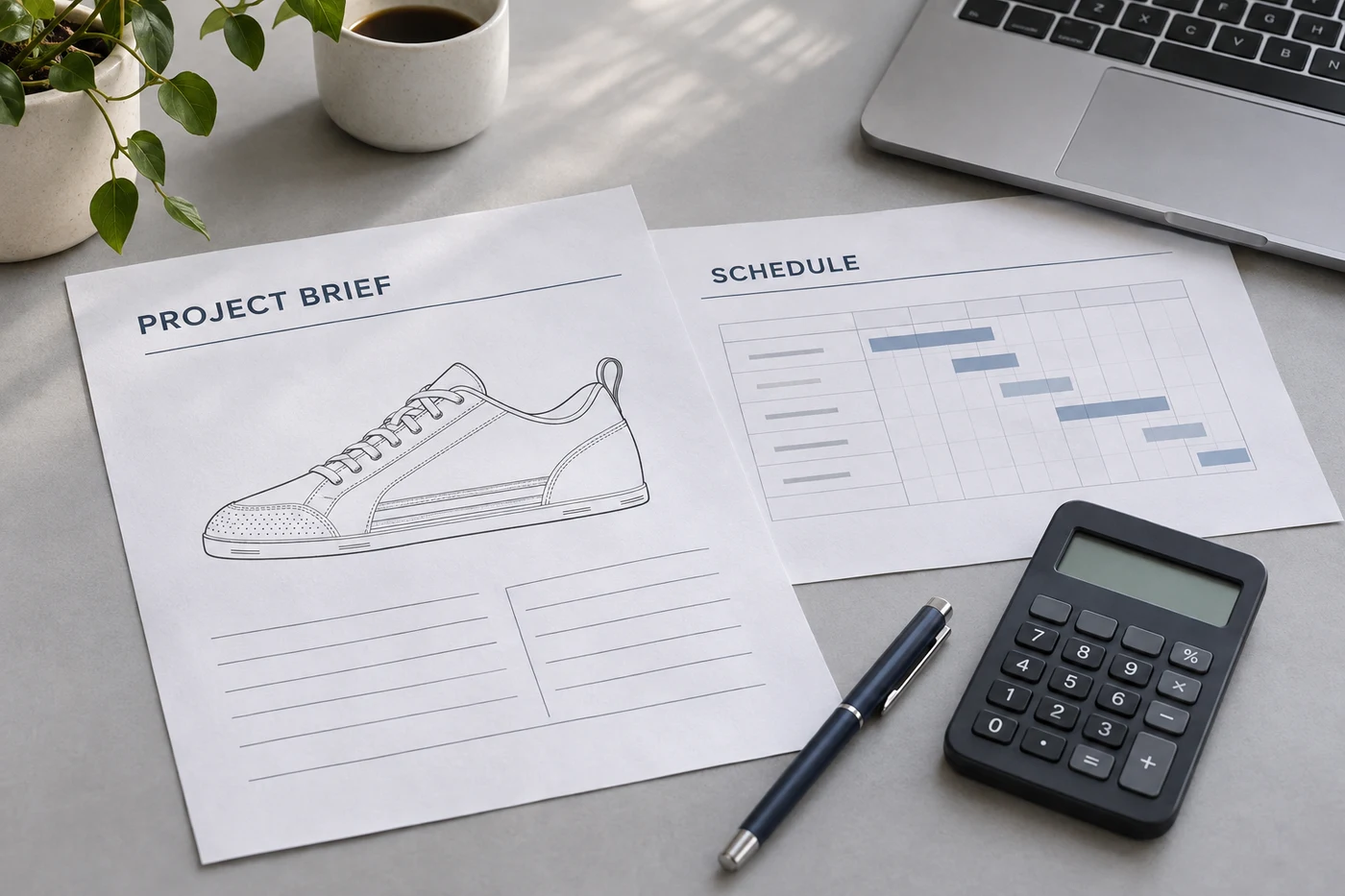
You can begin with a tech pack, sketch, reference pair, or a description of your intended product. We review the information with you, identify open decisions, and agree on the sample requirements.
Project Planning
Share your estimated quantity, target price range, and target delivery window at the start of the project. We review those requirements alongside the proposed construction to help you plan development and production.
Choose What to Customize
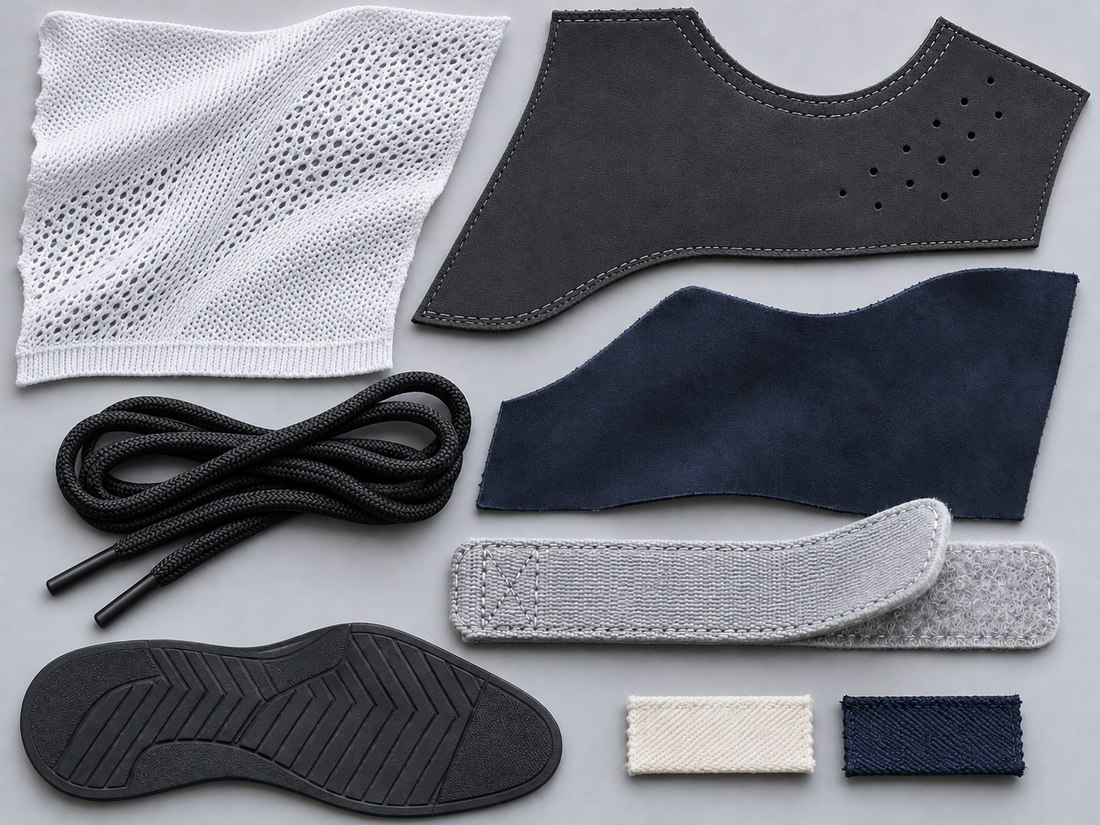
Once the product direction is clear, we review which changes are practical for the selected construction. Your brief can cover:
Upper Materials
Upper materials, panel construction, and laces or straps.
Sole & Fit
Last shape, target size range, sole construction, and insole.
Colors & Branding
Colorways, logo placement, labels, and other brand details.
Packaging
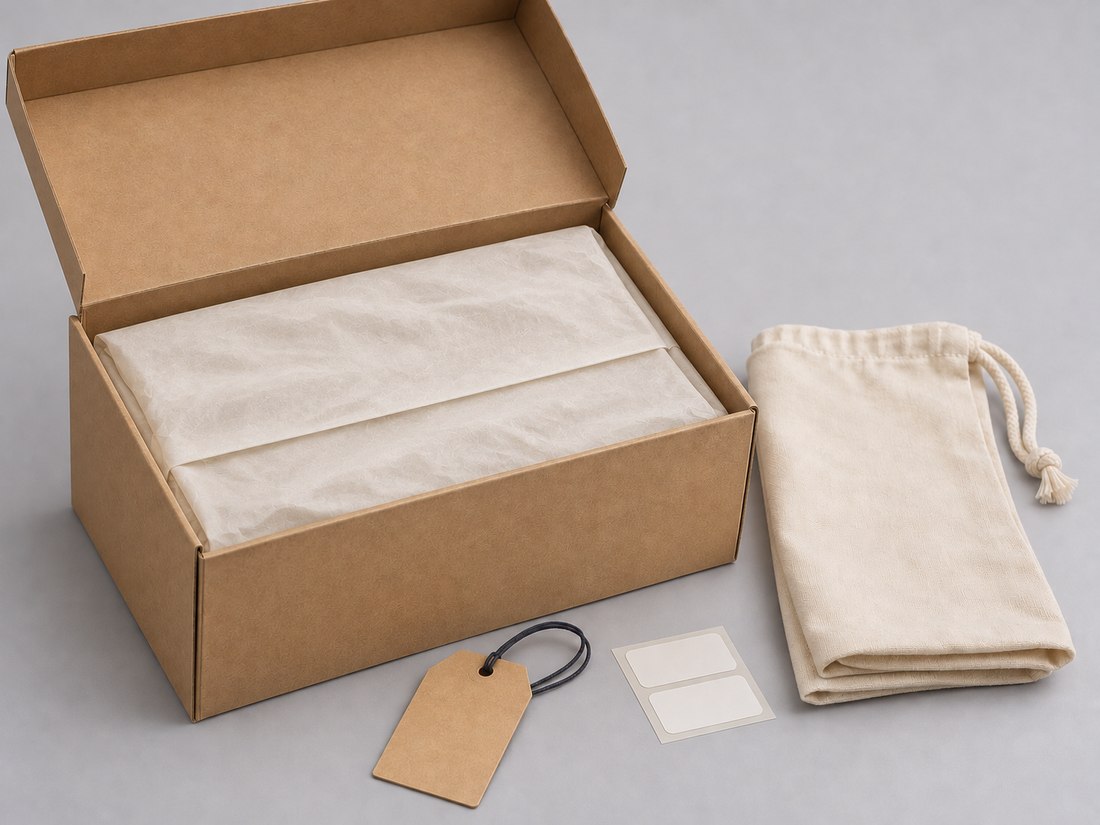
Shoe boxes, hangtags, and carton markings.
Changing a logo and changing the shape of the sole involve different development work. We assess whether suitable existing components can be used and whether your design calls for new tooling. That review helps establish the scope of your custom or private label deadlift shoe project before sampling.
Develop and Refine Your Sample
Requirements & Feasibility
Quotation & Planning
Samples & Approval
Production & Quality
Packing & Delivery
Review the Fit
During sample review, note where the forefoot feels restricted, whether the heel lifts, and whether the foot moves sideways. Agree on the sizing system and measurement references for the review. Record the sample’s labeled size, the wearer’s foot length and width, how the laces or straps were adjusted, and the review conditions. These details help us identify what needs to change in the next sample.
Approve the Production Reference
We work through the agreed changes with you and keep track of the approved version. Before production, confirm the sample alongside the construction, materials, colors, size requirements, and branding details. These records give the production team a shared reference.
Keep Production Aligned with Your Approved Sample
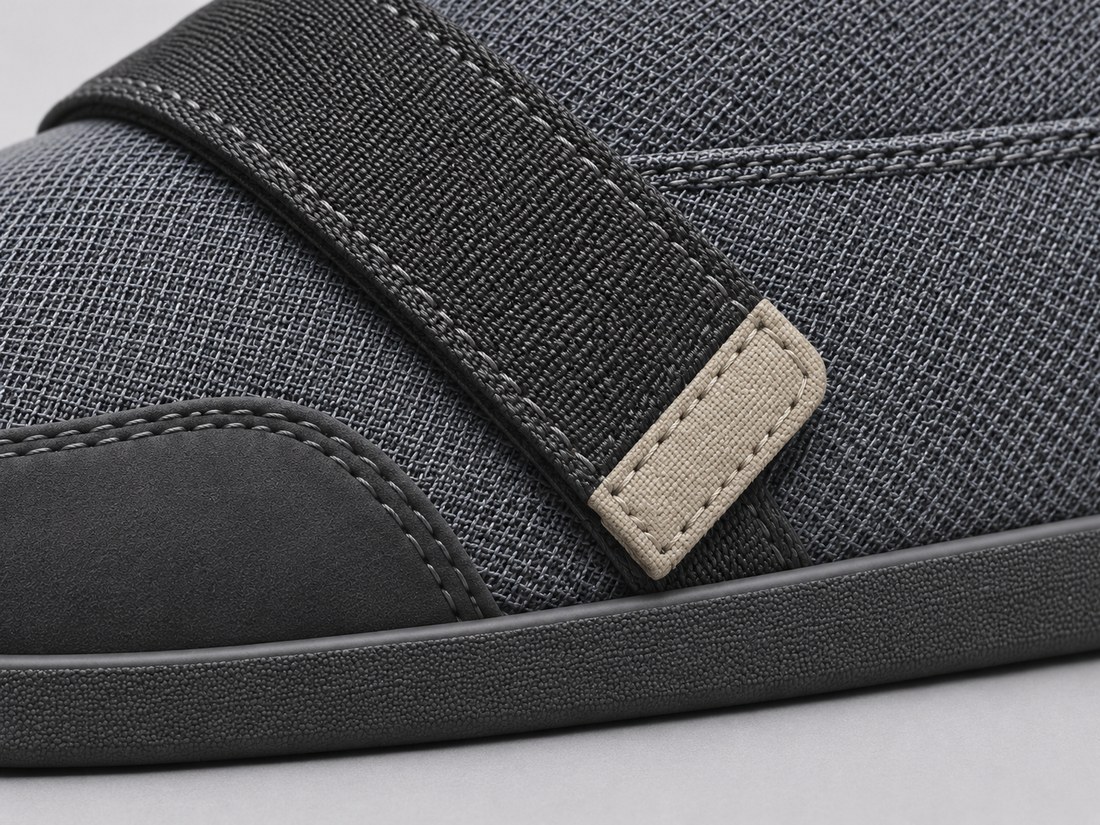
HEVA coordinates production follow-up with the selected partner factory. Quality checkpoints are agreed for your order and can address:
- Materials and components against the approved references.
- Upper panel placement, stitching, and closure details.
- Upper-to-sole alignment, pair consistency, and visible finish.
- Size measurements, branding, labels, and packing details.
If your project calls for traction, sole bond strength, abrasion resistance, or closure strength testing, agree on the methods, conditions, and acceptance criteria as part of the project requirements. Visual inspection alone cannot establish those results.
Before shipment, we coordinate checks of the quantity and size breakdown, shoe boxes, labels, and carton markings against the order requirements.
Plan Your Quantity, Timing, and Delivery
For your OEM/ODM project, we work with suitable partner factories to coordinate material confirmation, sampling, production follow-up, and quality checks. The first step is to define what your shoe needs to do and which details still need to be worked out.
Quantity & Timing
Minimum order quantity and pricing depend on factors such as materials, components, colors, size allocation, and tooling needs. Lead time also depends on sample revisions and approval, material availability, and the production schedule. We confirm the terms for your project after reviewing the brief.
Delivery Arrangements
Your destination market and delivery requirements also help define the packing, inspection documents, and shipping arrangements to confirm before dispatch.
Deadlift Shoes: Common Questions
How do deadlift shoes differ from raised-heel weightlifting shoes?
Deadlift shoe designs commonly emphasize a low sole and little or no heel elevation. Raised-heel weightlifting shoes place the heel above the forefoot. As you plan your shoe line, compare the sole geometry and the movements the shoe is intended for. The term “lifting shoes” can refer to several different constructions.
How do deadlift shoes compare with deadlift slippers?
Deadlift slippers commonly use a minimal upper and thin sole, sometimes with straps. Shoes with fuller uppers offer different options for coverage, closure, and fit. Compare the actual designs: the names alone don’t tell you the sole thickness or how securely the shoe holds the foot. Use that comparison to refine your deadlift shoe brief.
Can one shoe cover deadlifts and other strength training?
That depends on the movements you want it to cover. List those uses in your brief and evaluate the sole, fit, and upper construction against them during sample review. If your range is intended for both squats and deadlifts, include both uses in the sample review and check how the sole and fit suit each.
YOUR NEXT PRODUCT STARTS HERE
Tell Us About Your Deadlift Shoe Project
Share the design, reference pair, or product direction you have today, along with any known requirements for use, target market, sizing, quantity, and timing. If some details are still open, tell us what you’re trying to achieve. We’ll review the next development steps with you.