Stability Running Shoes
Explore supportive road-running designs for your next footwear range.
Everyday, high-cushion, and lighter training directions for men’s and women’s styles. Start with the ride, platform, and fit you want to offer.
Find Your Stability Running Shoe Direction
Compare the design directions below as a starting point for development. Support feel, cushioning, and weight can be combined in different ways within one model.
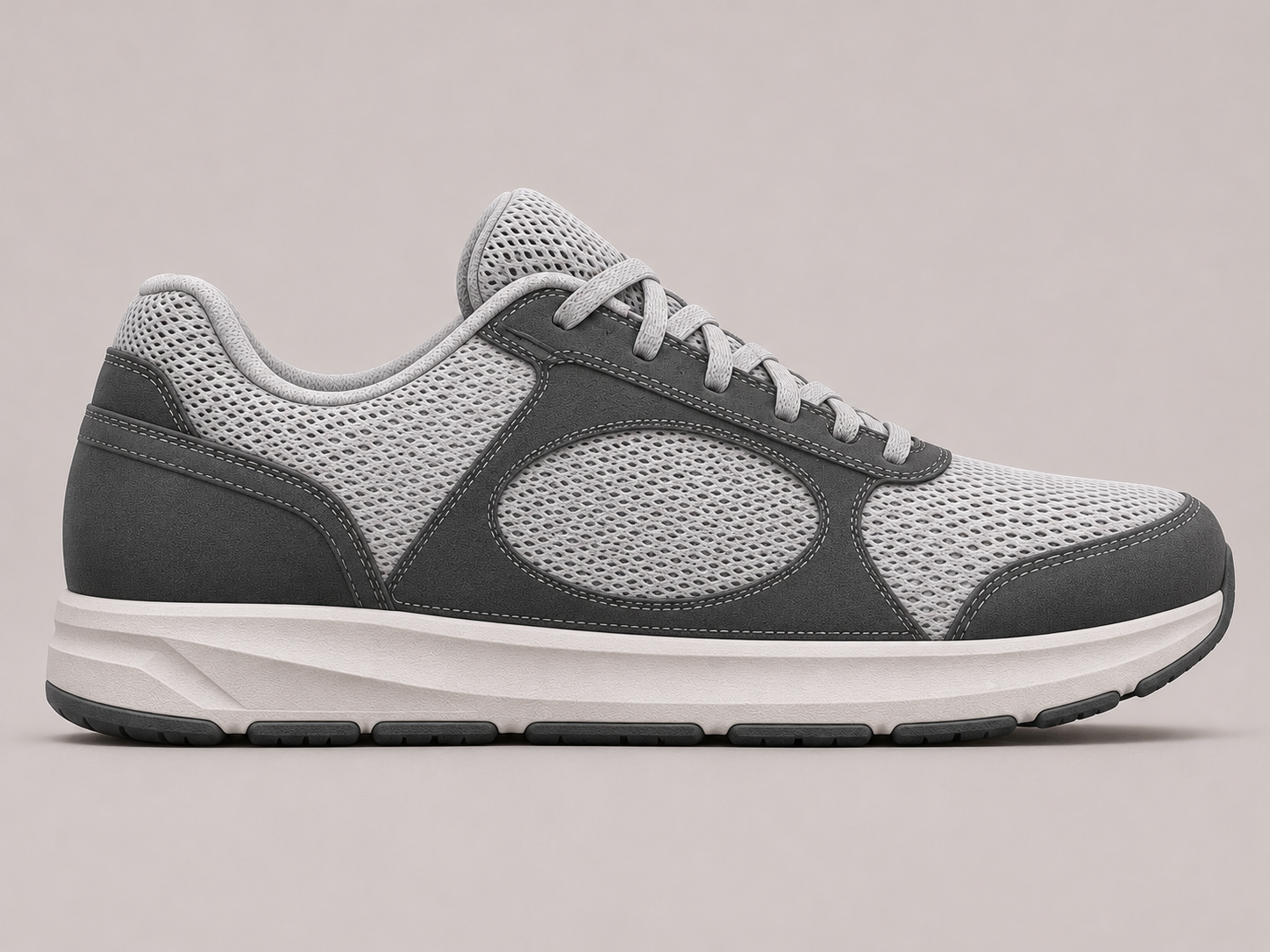
Everyday Stability Trainers
A balanced direction for regular road mileage, combining cushioning, a supportive platform, and secure heel and midfoot hold.
- Broad heel and forefoot platform
- Moderate cushioning profile
- Structured heel and adjustable midfoot fit
- Intended use
- Daily road training and run-walk sessions
- Design focus
- Balance guidance, cushioning, and everyday comfort.
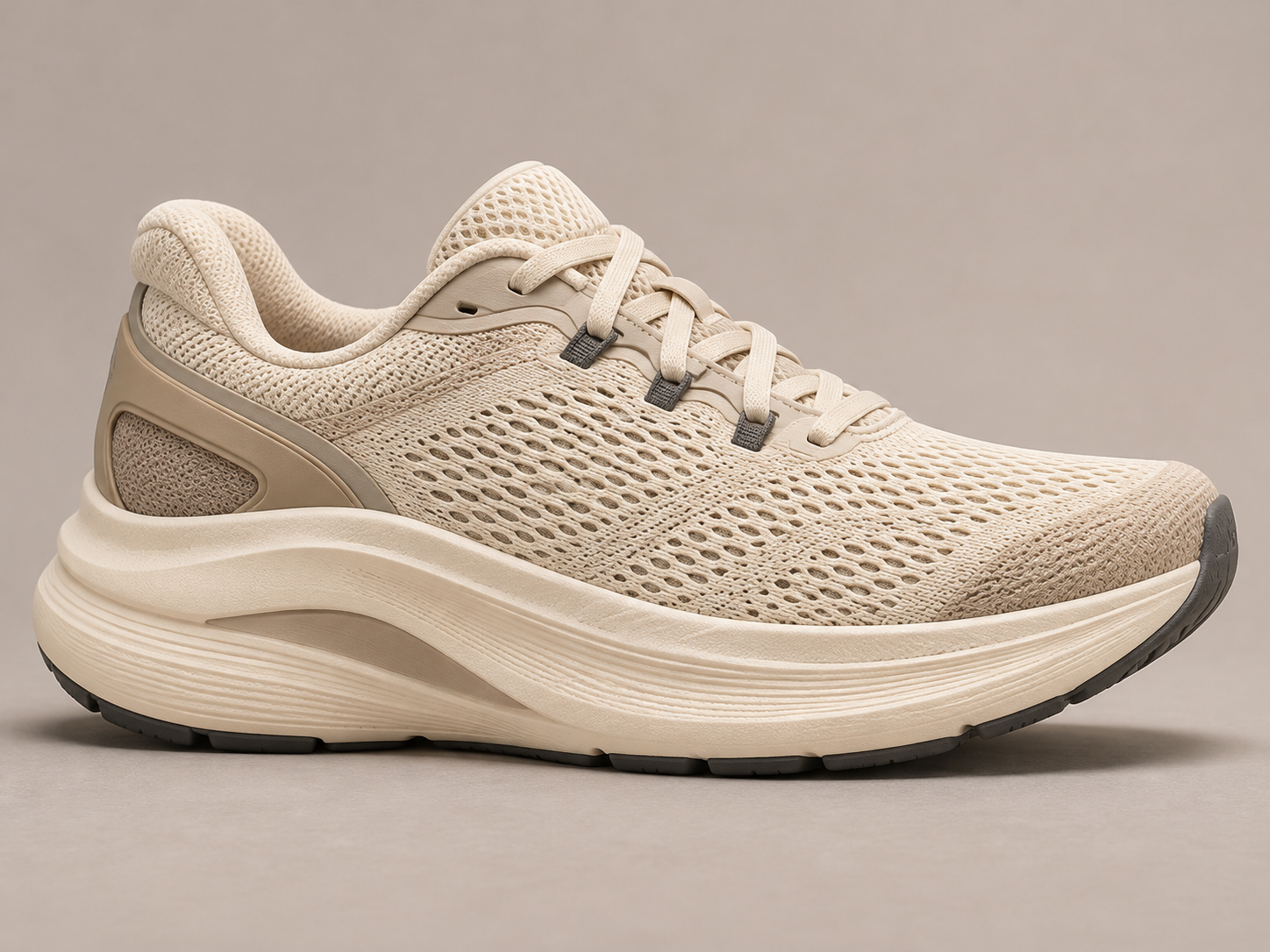
High-Cushion Stability Shoes
A comfort-focused direction for easy mileage, pairing a more cushioned sole with a broad base and raised midsole sidewalls.
- More generous midsole volume
- Sidewalls that cradle the foot
- Room for cushioning and heel support
- Intended use
- Easy road mileage and longer, easy-paced runs
- Design focus
- Combine a softer ride with support from the complete platform.
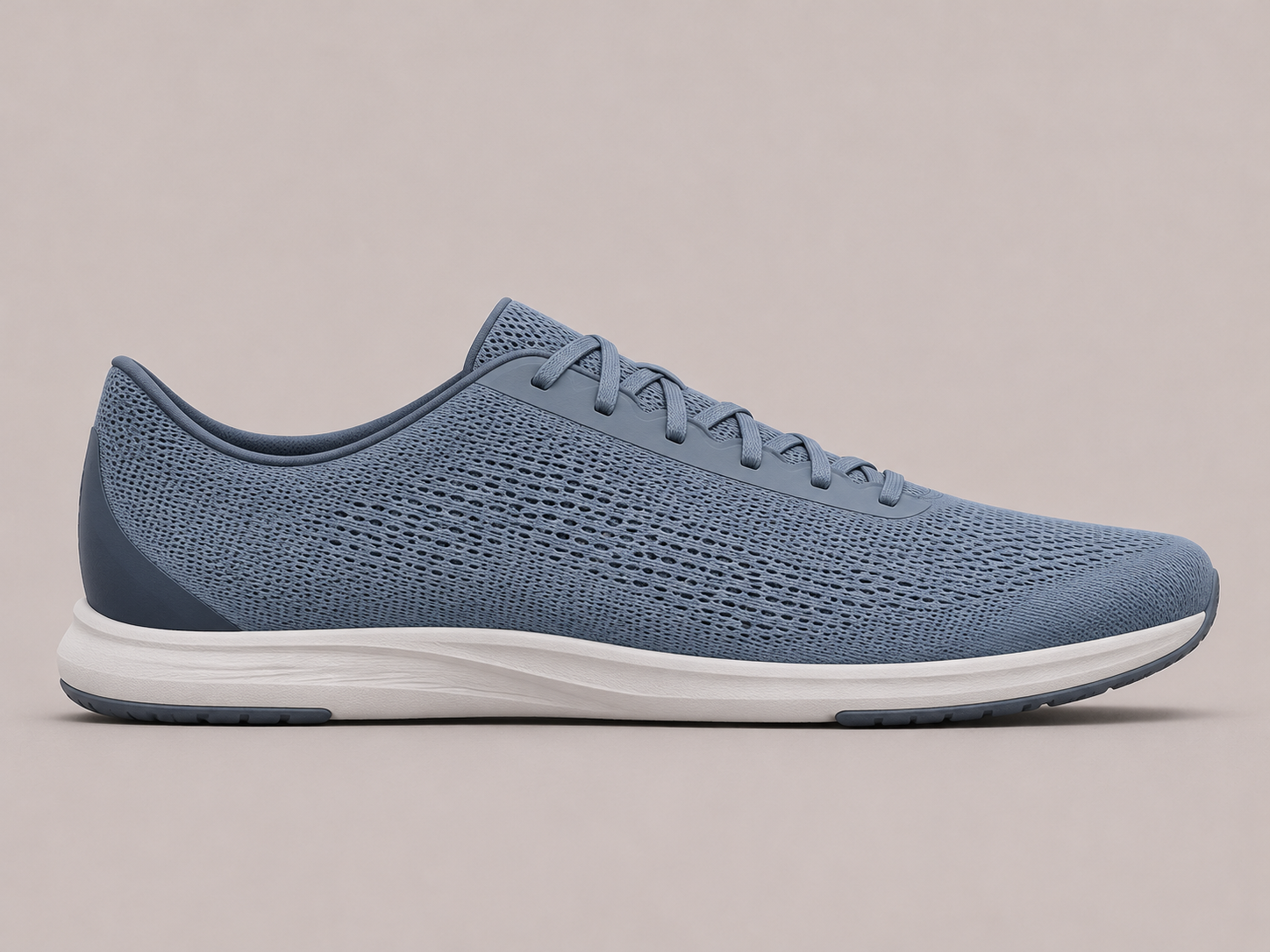
Lighter Stability Trainers
A streamlined direction with less bulk in the upper and sole, while retaining the intended guidance and secure fit.
- Lower-volume sole profile
- Streamlined mesh upper
- Targeted heel and midfoot reinforcement
- Intended use
- Road training where reduced bulk is a priority
- Design focus
- Reduce material without losing the intended support; confirm weight on the sample.
Support Built into the Shoe
Stability running shoes use targeted structures to guide foot movement, often in response to excessive inward motion, or overpronation. A broad sole, raised sidewalls, localized firmness, and upper fit can all contribute to the support approach.
Compared with a neutral shoe, a stability model places more emphasis on deliberate guidance. It can still have a soft, cushioned ride; a hard midsole is not the only route to support.
Look Closer at the Support Details
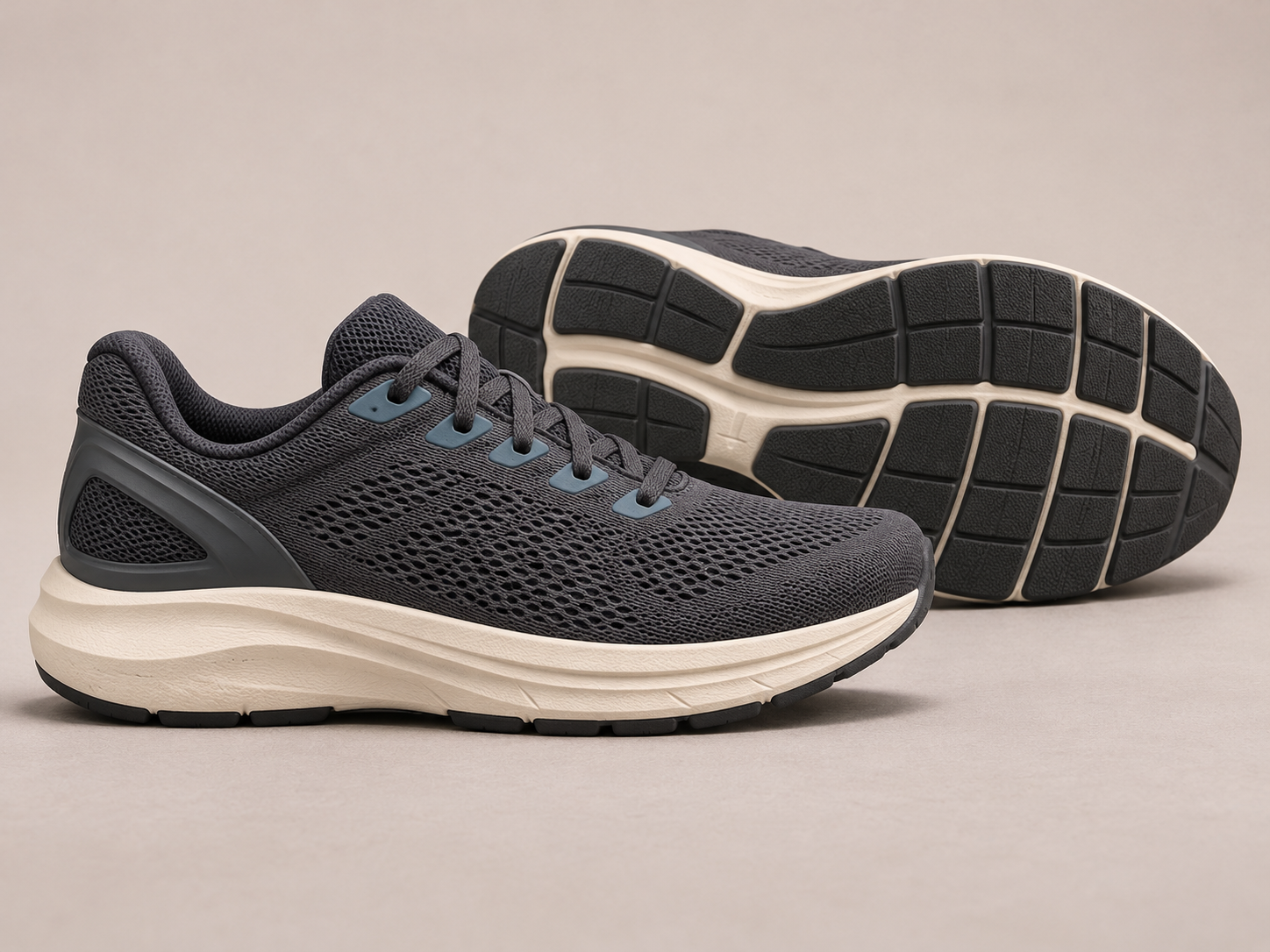
Platform and Midsole Geometry
Heel and forefoot width, the shape through the midfoot, and raised sidewalls help define the support platform. A wider internal fit and a wider sole base are different choices.
Localized firmness can be considered where the design calls for it. A traditional medial post is one approach, not a requirement for every stability shoe.
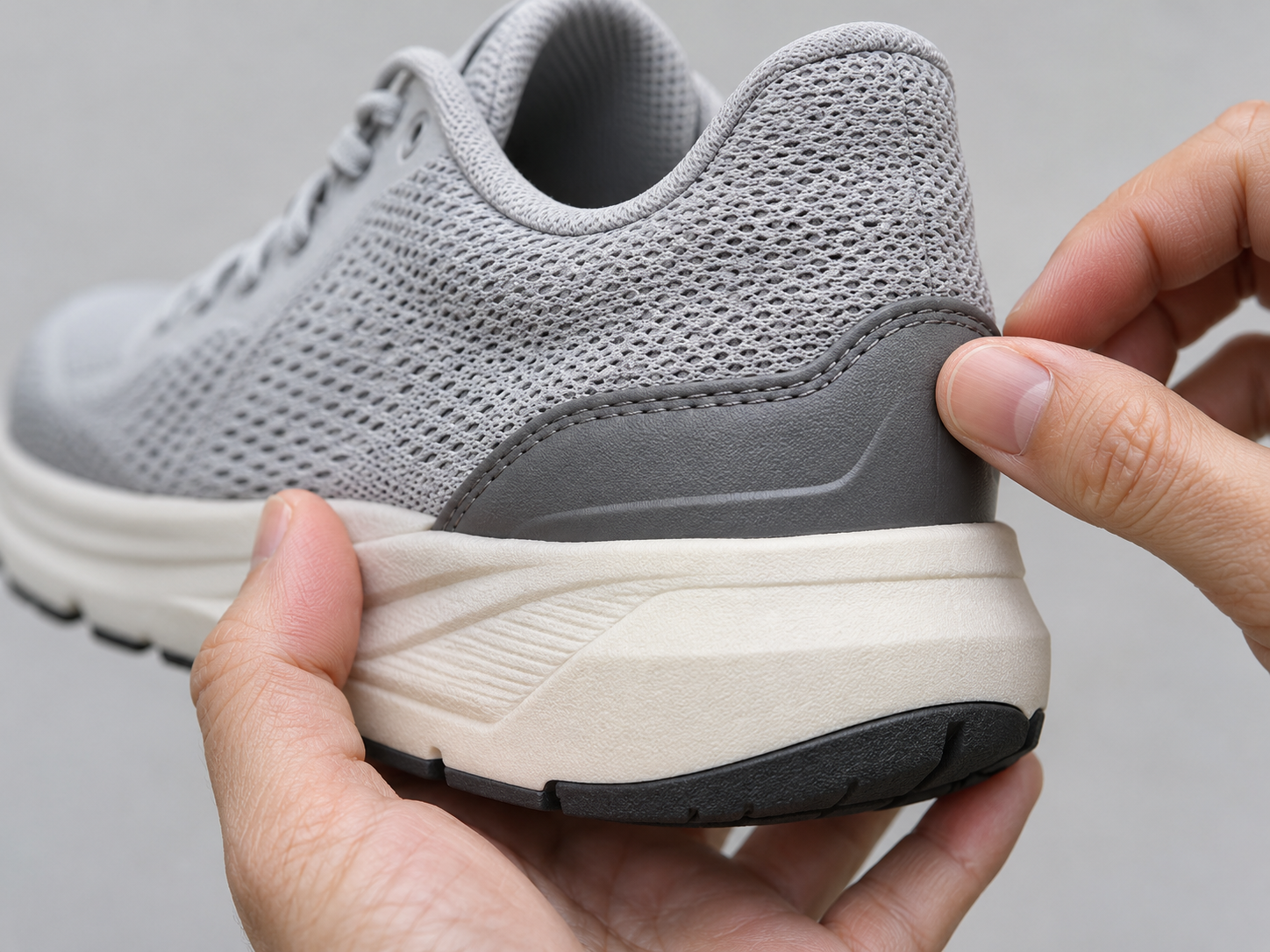
Heel Hold and Upper Fit
A shaped heel, midfoot fit, and lacing help hold the foot over the platform. Forefoot room needs to be considered alongside that hold, rather than tightening the entire upper.
For men’s and women’s ranges, review the intended lasts, widths, and size coverage. A firm heel counter cannot compensate for a poorly fitting last.
Develop Your Selected Direction with HEVA
Share the direction you prefer, your reference shoe or drawing, and the support feel you want to achieve. Include the intended running use, size range, and priorities for cushioning and weight.
We’ll review the proposed construction and components before confirming the sampling scope. Sample feedback should identify heel slip, arch pressure, forefoot room, and the perceived level of guidance. Formal performance testing requires separately agreed methods and acceptance criteria.
Stability Shoe Questions
How are stability running shoes different from neutral shoes?
A stability design places more emphasis on deliberate guidance through the sole and upper. For your range, define the support feel you want alongside cushioning and fit, rather than choosing by appearance alone.
Can a stability running shoe feel soft?
Yes. Cushioning and guidance are different aspects of the design. A more cushioned ride can be combined with a broad platform, sidewalls, or localized support structures.
Does every stability shoe need a medial post?
No. Medial posts are one construction approach. Platform geometry, raised sidewalls, and heel support can also form part of a stability design.
Which stability shoe direction should I choose for my range?
Start with the intended use. An everyday trainer balances cushioning and support for regular road mileage. A high-cushion direction prioritizes a more cushioned ride, while a lighter direction reduces bulk. These priorities can overlap; use sample feedback to refine the combination.
Is a wide fit the same as a wide support platform?
No. A wide fit describes the space available inside the shoe. A wide platform describes the sole footprint beneath it. You can discuss both, but increasing sole width alone does not create more room for the foot.
How should we plan men’s and women’s stability styles?
Specify the intended lasts, widths, and size ranges for each. Review heel hold, midfoot fit, and forefoot room alongside the support construction. Confirm the fit through samples instead of assuming one upper and sole combination will suit every size.
What should we check when reviewing a stability shoe sample?
Record heel slip, arch pressure, forefoot room, and the perceived level of guidance. Note the sample size, socks, and evaluation conditions so feedback can be compared across revisions. Formal performance testing needs separately agreed methods and acceptance criteria.
Are these directions fixed product specifications?
No. They are starting points for development. The construction, materials, size range, weight, and performance requirements need to be confirmed for your project.
Build Your Stability Running Shoe Range
Start with the direction that fits your range: everyday support, more cushioning, or a lighter build. Send us a reference shoe or design, your intended running use, and your priorities for fit and support.
Include your men’s or women’s size range and estimated quantity so we can review the development scope with you.