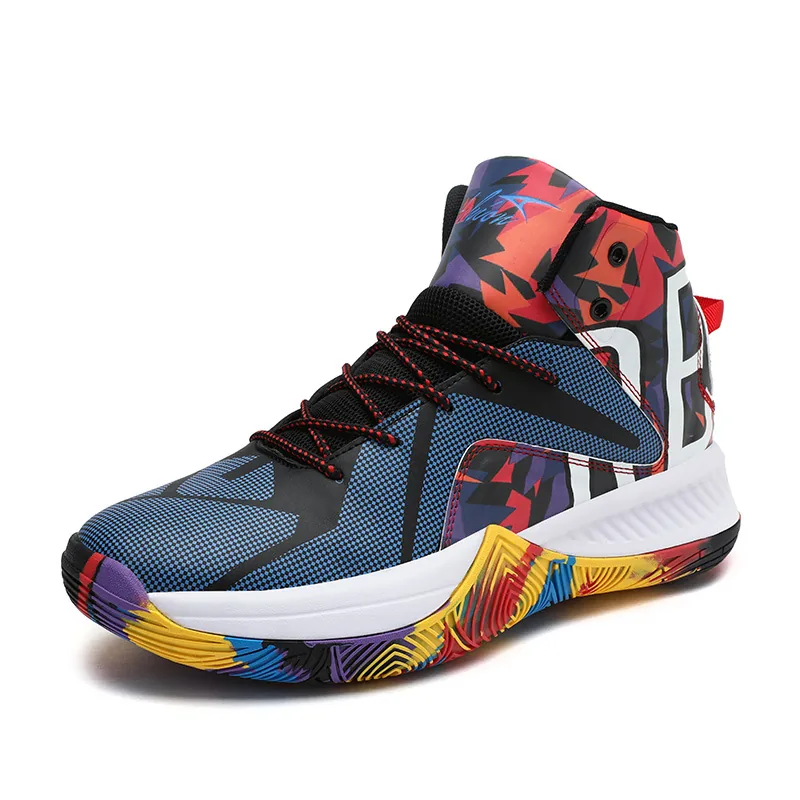
Basketball Shoes Manufacturer
Build your outdoor basketball shoe range around the courts, players, and price point you have in mind. HEVA supports OEM and ODM development, sampling, and manufacturing through our own factory.
Bring us your design brief, reference images, or an early product idea. We’ll review what you need, assess the development options, and discuss the sample and order requirements before sampling begins.
Discuss Your ProjectChoose the Silhouettes for Your Range
Start with the role each style will play in your collection. You might focus on one silhouette with several colorways or explore different collar heights for distinct product concepts. Low-cut, mid-cut, and high-cut styles are directions to discuss during the feasibility review.
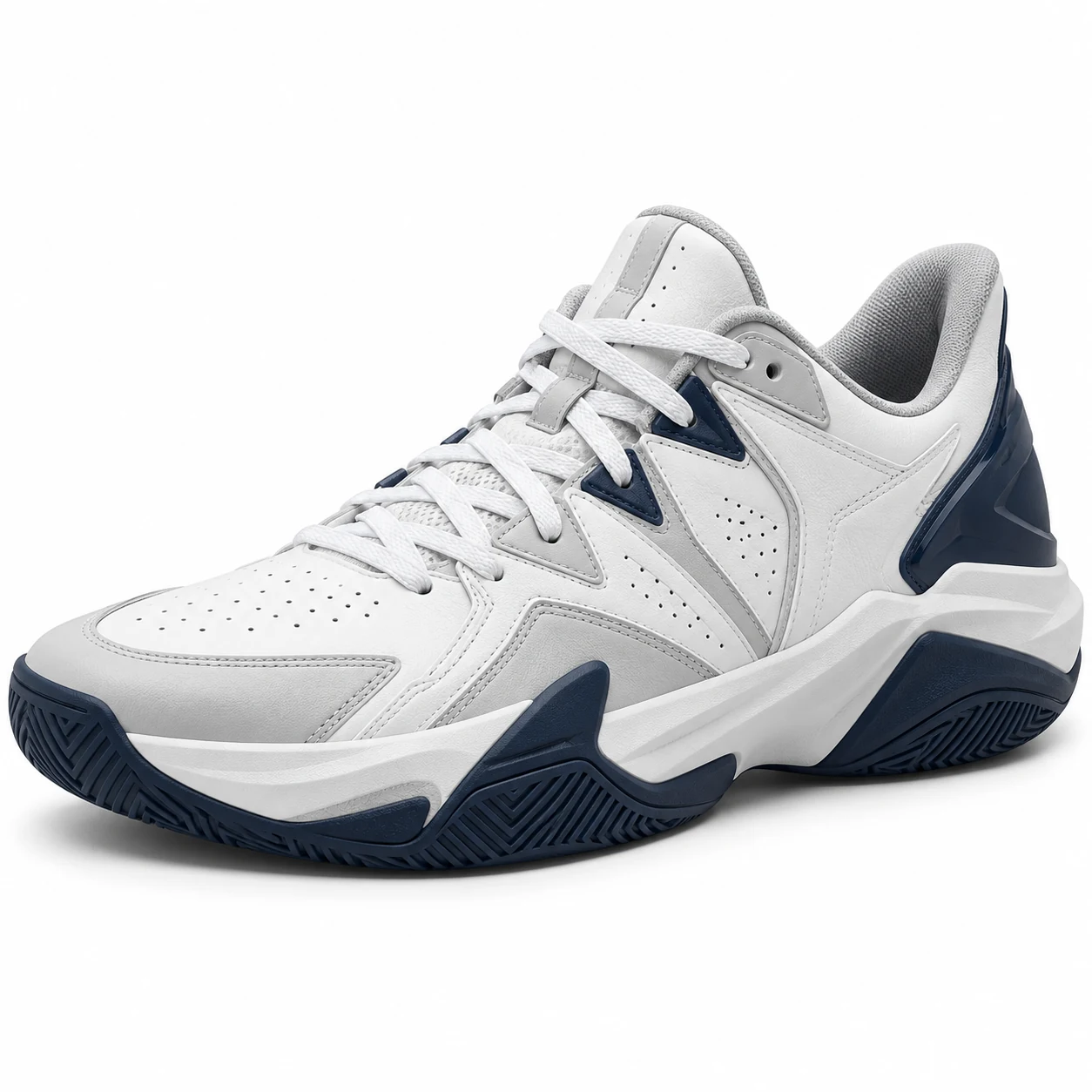
Low-Cut Styles
For a lower collar profile, define the opening shape, heel coverage, and lacing arrangement in your brief. When you review the sample, check the fit at the heel and midfoot along with the collar design.
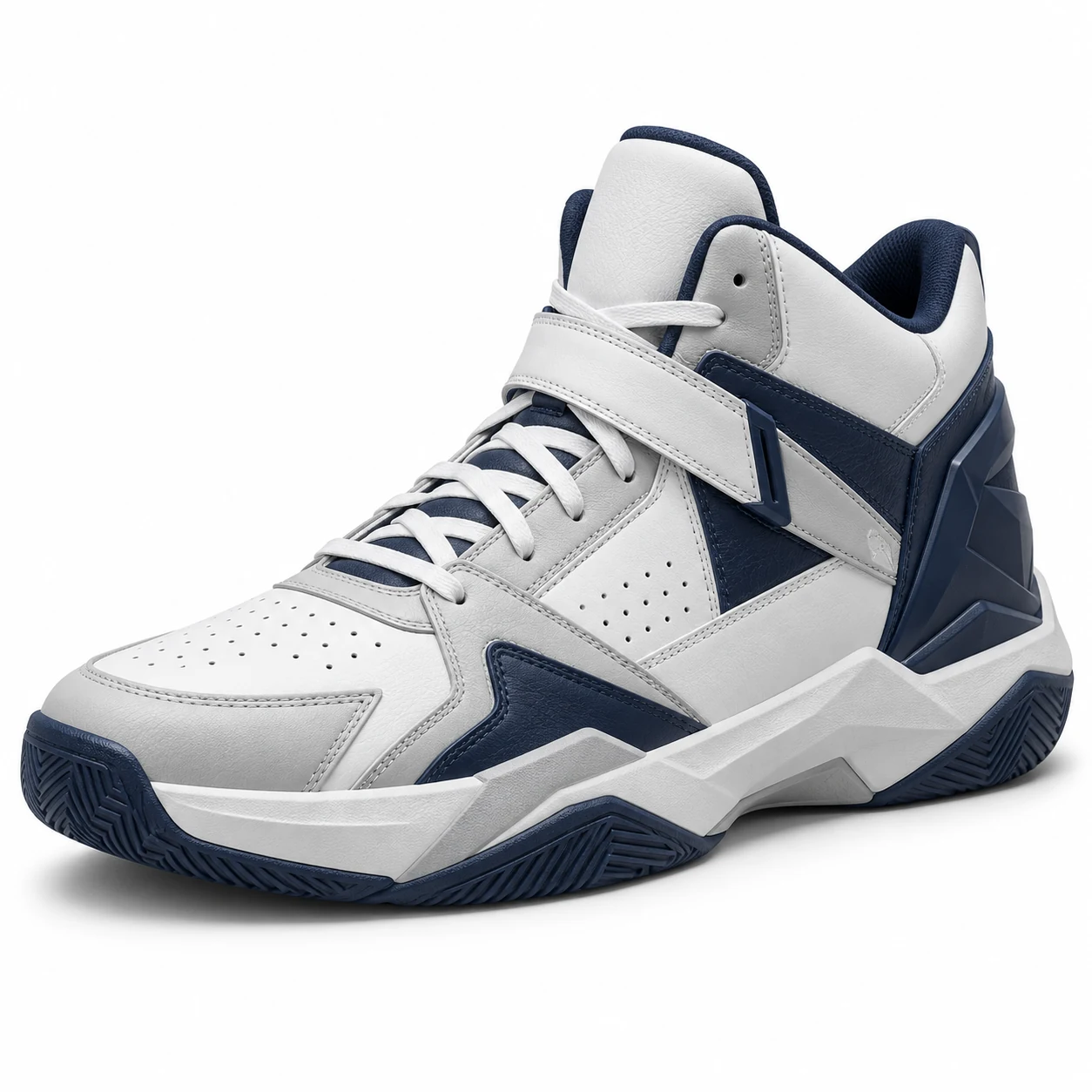
Mid-Cut Styles
If your concept calls for a collar between low-cut and high-cut profiles, specify where it should sit and how it should feel around the ankle. Review the collar shape, padding, and ease of putting the shoe on as part of the sample.
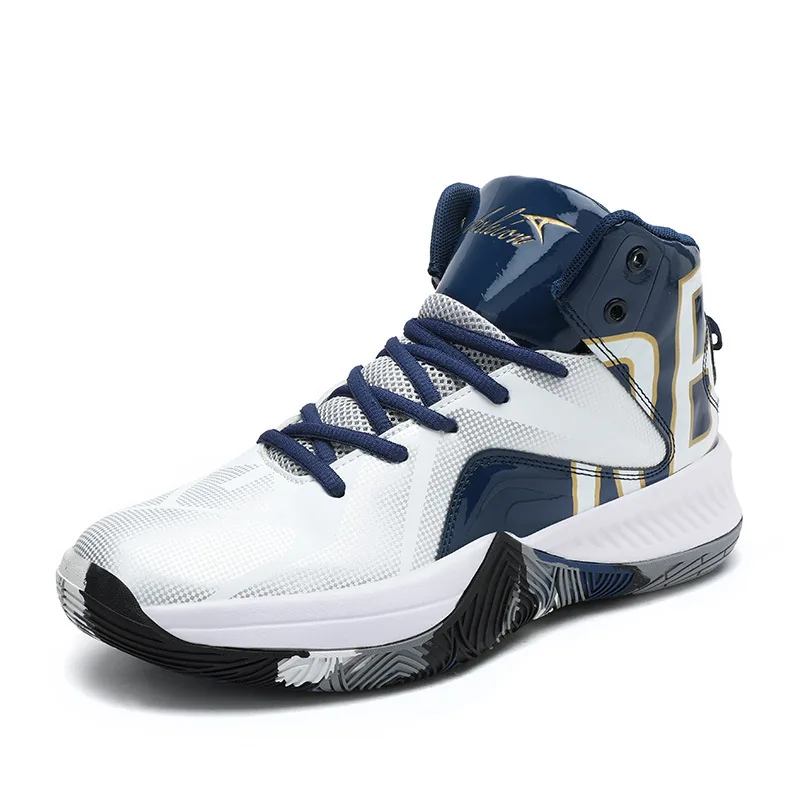
High-Cut Styles
For a taller silhouette, look at the collar height, upper panels, padding, and closure together. Check the resulting fit and ankle movement in the sample rather than relying on the high-cut label alone.
Once you’ve chosen a direction, outline the styles and colorways you want to develop. We’ll review their construction and customization requirements before confirming the scope.
Define Your Players, Sizes, and Market
Give each style a clear place in your range: who it is for, where it will be sold, and what it needs to offer at your target retail price. Specify whether you’re planning for adult recreational play or a youth-focused concept before deciding how many designs to develop.
Share your intended size range and any fit requirements, such as additional forefoot room. We’ll review those needs during development and sampling before confirming the size and fit specifications for your project.
Your sales channel, development budget, estimated order quantity, and packaging requirements also belong in the brief. Choose which style will lead the collection and what each additional style adds, whether that is a different silhouette, color direction, or construction target.
Set Priorities for Outdoor Courts
Describe the actual courts your shoes are intended for, including the surface and expected frequency of play. Concrete, asphalt, and coated courts give us more useful information than an outdoor label on its own. Use that context to set priorities for the outsole, upper, cushioning, and fit.
For the outsole, discuss the material and tread pattern alongside your traction and wear-resistance requirements. For the upper, identify the coverage, ventilation, and areas you want to reinforce. For cushioning, describe the underfoot feel you want to evaluate in the sample.
Raise any planned performance claim or test during project planning so we can discuss what needs to be checked and how verification would be arranged. A material choice or tread pattern alone does not establish the finished shoe’s performance.
Develop Your Branding and Product Details
Your branding brief can include color combinations, logo placement, upper details, sole appearance, and packaging requirements. Mark the features that must remain consistent across the collection and those that can vary by style or colorway.
If you already have a design, share the specifications for an OEM review. If you need ODM development support, explain the product direction and which details still need to be worked out. For a private label basketball shoe project, clarify the design and branding work you need before defining the sample scope.
Flag any changes to the outsole shape or tread geometry in your brief so tooling requirements can be assessed before the sample scope and quotation are confirmed.
We’ll assess the proposed materials, construction, branding methods, and packaging against your project requirements. Confirm the selected details in the sample and order specifications before production.
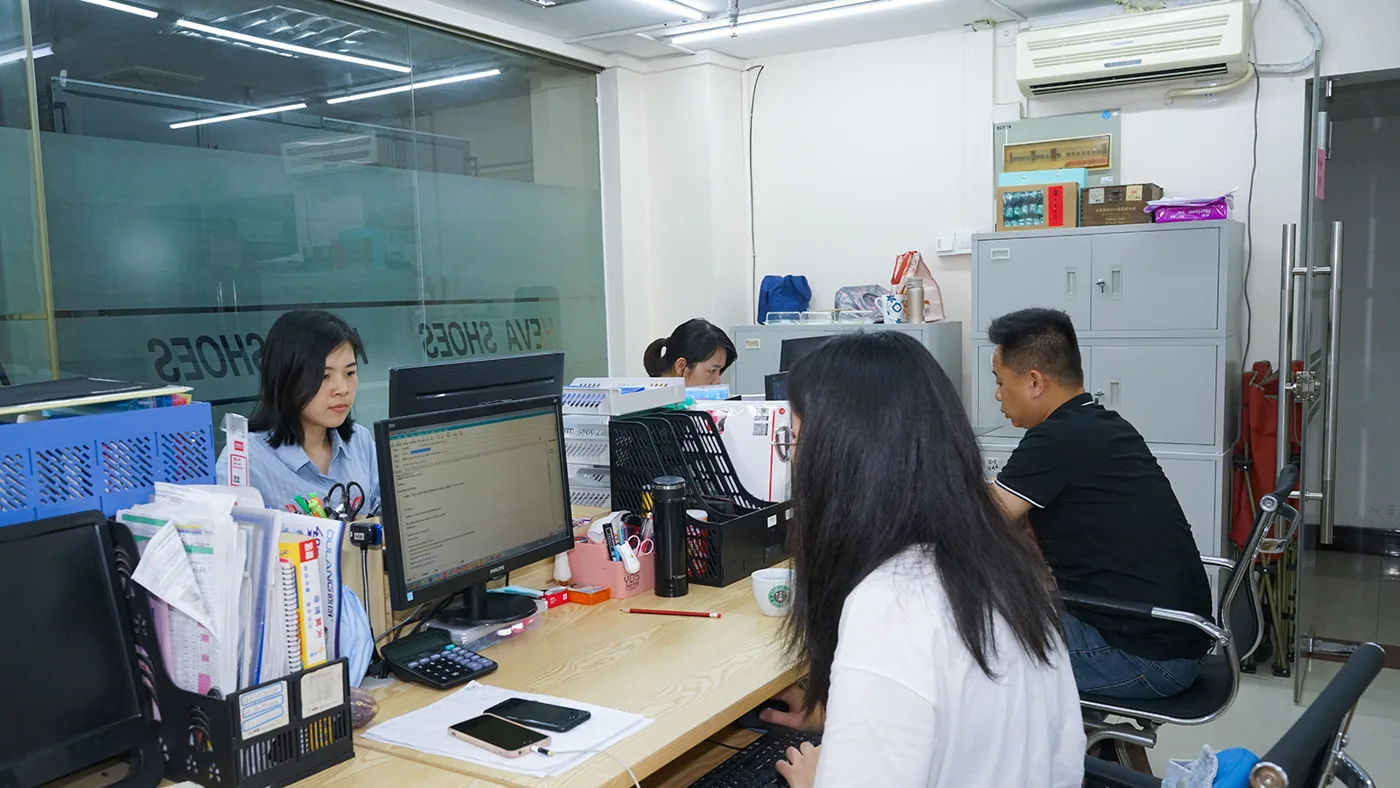
Review Samples Before Production
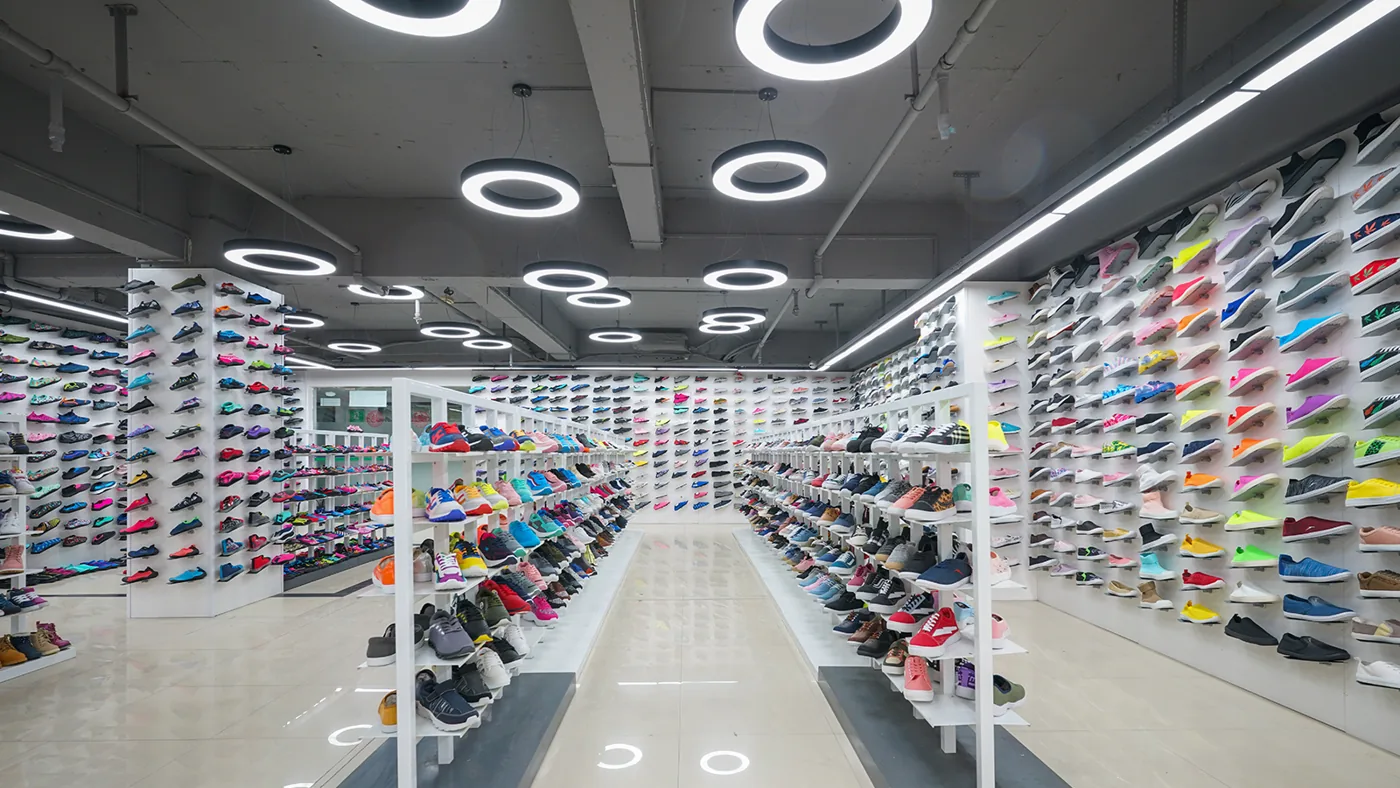
We begin by reviewing your requirements and development feasibility, then discuss the quotation, MOQ, and project plan. Before sample development, agree on the details to be evaluated, the sample costs, and the proposed timing.
Use the sample to review the shoe as a whole: appearance, construction, fit, color, and branding. Check toe room, heel hold, and any unwanted side-to-side movement as part of that fit review. Record feedback against specific details, such as the collar shape, logo position, or intended size specification, so revisions have a clear reference.
Approve the sample and confirm the order requirements before bulk production. Where your brief includes performance verification, agree on how it will be handled as part of the project.
Manufacture Against Your Approved Sample
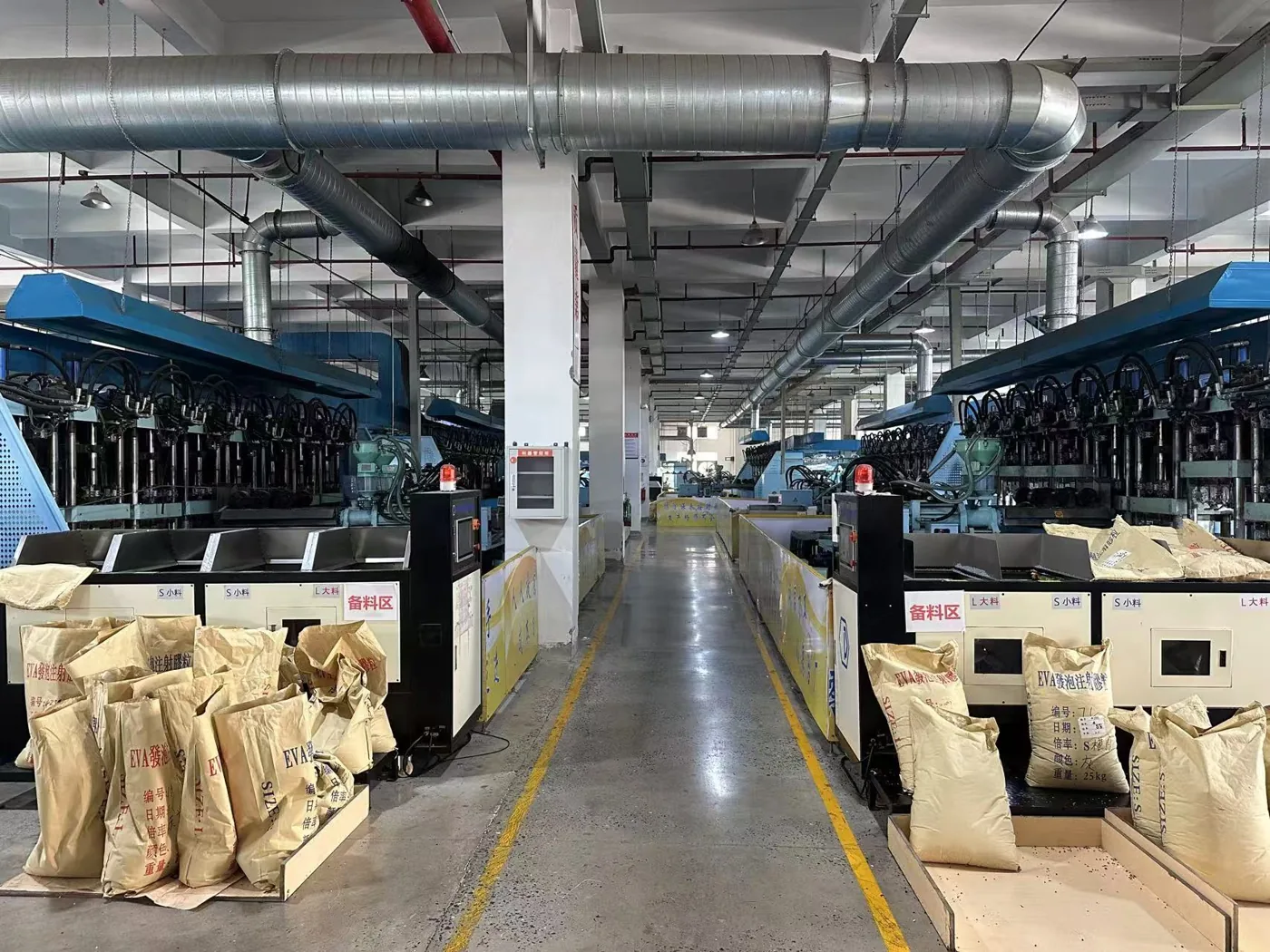
Your approved sample and order specifications provide the reference for manufacturing and quality control. Depending on the product and agreed requirements, checks focus on construction and forming, appearance, color, branding, size markings, and consistency across the production batch.
For your basketball shoe, identify any additional points that need attention, such as bonding areas, outsole details, or packaging labels. The inspection scope is confirmed for the order.
Agree on packaging, delivery arrangements, and shipping terms during project planning. These details become the reference for packaging preparation and shipment checks.
Outdoor Basketball Shoe Manufacturing FAQs
What is the MOQ for a custom project?
MOQ is confirmed after we review your style, colorways, materials, size breakdown, and customization needs. Share your estimated quantity by style and color so we can assess the order and quotation with you.
What affects sample and production lead times?
Timing depends on the development work, material and component requirements, sample revisions, and production plan. We’ll confirm a proposed schedule for your project. Share your target date in the initial brief so we can take it into account during planning.
Can you review an existing design or reference?
Yes. You can send a design brief, reference images, or specifications for review. Tell us which details you want to develop and where you need input. We’ll assess feasibility and clarify the information needed to define the sample.
How are outdoor performance requirements confirmed?
State the intended court surface and any traction, wear-resistance, cushioning, or other requirements in your brief. We’ll review them during development planning and confirm the applicable specifications and verification arrangements. Any performance claim needs support relevant to the finished product.
Tell Us About Your Outdoor Basketball Shoe Project
Tell us where you plan to sell the shoes, who they’re for, and the court surfaces they’ll be used on. Include your preferred silhouette or reference, size requirements, estimated quantity, branding and packaging needs, and target date. You can start with the details you have and tell us where you need input.
We’ll review your brief and discuss the development direction, sample requirements, and order conditions with you.