How much does it cost to make a shoe? For a mass-produced sneaker, the answer depends on its specifications, order quantity, and what the price includes. Public figures offer context: Huali’s 2025 report yields an average cost of sales of about RMB 85.91 per pair sold; Yue Yuen reported an average selling price of USD 21.00. Those are different measures, not a universal price range.
Here, amounts refer to a pair of shoes. The focus is commercial production of sneakers and athletic footwear; a one-off handmade pair needs a separate estimate.
What Does the Cost to Make a Shoe Include?
Before comparing numbers, identify which cost you are looking at. A factory’s production spending, its selling price, and the amount you need for a first order answer different questions.
| Measure | What it tells you |
|---|---|
| Manufacturing cost | Direct materials, direct labor, and manufacturing overhead used to produce the shoes. |
| Reported cost of sales | A company’s accounting measure, whose scope must be checked in its disclosures. |
| Supplier’s unit price | The price charged per pair for the agreed specification and delivery terms, including the supplier’s margin. |
| First-order budget | The order price plus development, tooling, delivery, and other required charges that are not already included. |
When comparing the cost of manufacturing shoes, put each figure beside its scope. An FOB price, for example, relates to delivery on board the vessel at the named shipment port. It does not describe an all-inclusive delivered price. Confirm the agreed delivery point and which charges remain yours.
Retail price is a further step along the chain. It cannot, by itself, reveal what the factory spent making a particular shoe.
What Goes Into the Cost of a Pair?
A useful shoe cost sheet connects each expense to a component or production activity. Start with the bill of materials, or BOM: the list of parts and materials needed for the design. Then check how material consumption, operations, and overhead become a complete cost.
| Item | What changes the amount | What to check in the quote |
|---|---|---|
| Upper, lining, and small components | Material specification, reinforcement, trims, and consumption | Exactly which materials and branding details are included |
| Sole components | Structure, compounds, number of parts, and assembly | Whether the price covers all required bottom components |
| Direct labor | Cutting, stitching, preparation, lasting, assembly, and finishing work | The construction and finishing requirements being priced |
| Factory overhead | Production support, equipment, utilities, and other indirect manufacturing expenses | Whether these are already built into the unit price |
| Packaging and agreed checks | Boxes, labels, packing arrangements, inspection, and testing requirements | Which items are included and which are charged separately |
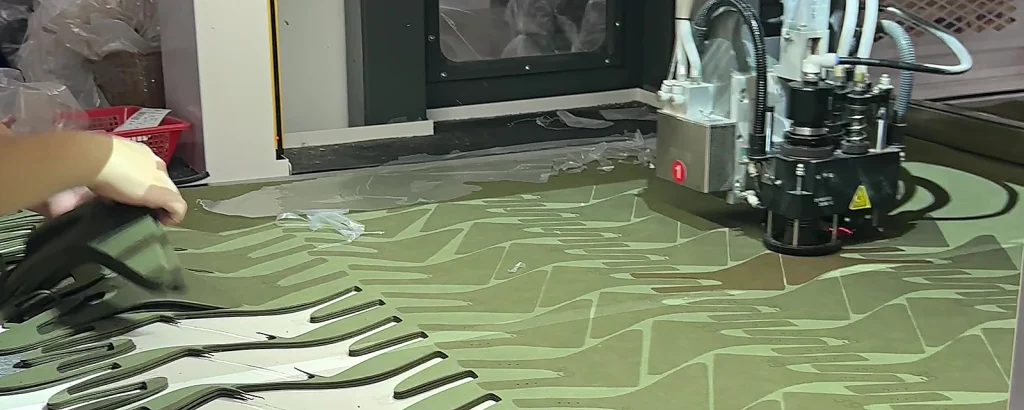
For materials, multiply the amount needed per pair by the material’s unit price. That amount needs to include cutting and production waste; the area of the finished pieces alone may understate how much material you need to purchase.
Check whether packaging, testing, and tooling charges are already included in the quote before adding them to your budget. The supplier’s margin also belongs in the price discussion; it is separate from the resources consumed in manufacturing.
Why Shoe Design and Specifications Change the Price
“Mesh upper with a foam midsole” leaves many cost decisions open. Two sneakers with that description can use different materials, require different operations, and meet different performance requirements.
Materials and Consumption
Material names are only a starting point. Thickness, construction, finish, and the amount used all matter. A more expensive material may be used sparingly, while a cheaper material may require more area or additional reinforcement.
Pattern shapes matter, too. Changing a panel’s size or the layout of the pieces can change how much material you need to purchase. Compare the material specification and expected usage together, rather than assuming that the lower price per yard produces the cheaper shoe.
Construction and Work Content
Compare an upper with a few large panels against one with multiple overlays, decorative stitching, and separate reinforcements. The second design introduces more cutting, positioning, and joining work. How much that affects the price depends on the actual operations and production setup.
The sole structure can also add components, preparation, or assembly stages. For a running shoe, cushioning and other agreed use requirements help define which changes are acceptable.
Factory location alone cannot settle the comparison. A meaningful comparison between production in China, Vietnam, or elsewhere still needs matching specifications, quantities, delivery terms, and an understanding of the work involved.
How Order Quantity and Tooling Affect Unit Cost
Quantity per Style, Color, and Size
Ask what a minimum order quantity applies to. Minimum quantities can differ for the finished shoe order, individual colors, and purchased components. Even a large order can leave small quantities of each item if it is spread across many designs.
A fixed development or tooling charge can be spread across more pairs when its scope stays unchanged. That reduces the allocated amount per pair, although purchasing more shoes can increase the total cash required.
The relationship has limits. A different size range, extra tooling, or changed purchasing conditions may introduce new costs. Request prices for the quantities you are considering instead of assuming a smooth discount at every step.
Existing Components and New Tooling
An existing sole option may reduce new development work if it suits the design. A last is the foot-shaped form used to shape the shoe. Check the sole’s compatibility with the last, upper, and intended use before treating it as a saving.
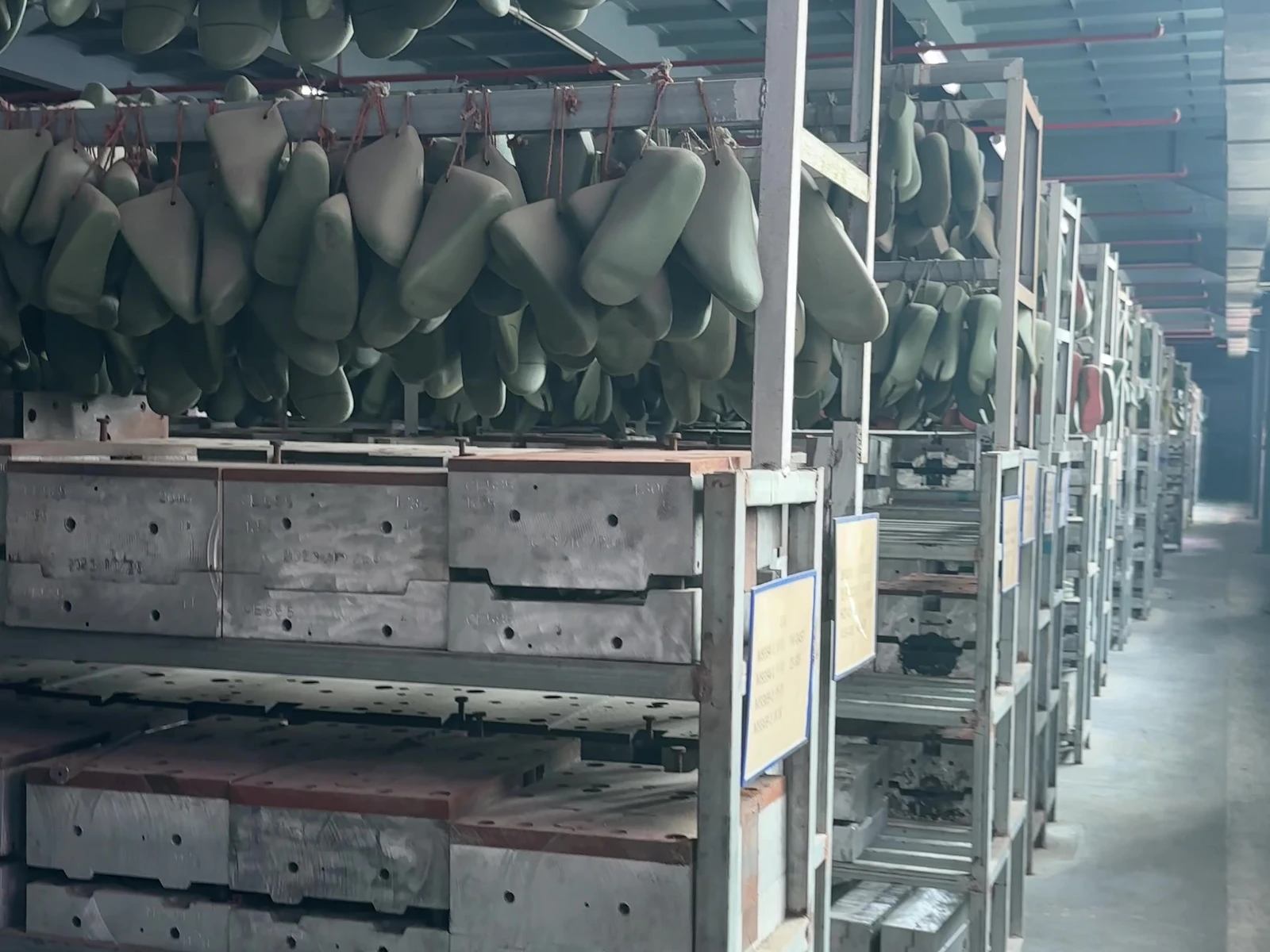
For new tooling, ask which components and sizes the fee covers, whether it covers sample or production tools, and how payment works. A single “mold fee” does not explain all of those details.
The shoe last, outsole, midsole, and other shaped components can create different development needs. Confirm whether charges are paid separately or recovered through the unit price. That distinction affects both the first payment and later order comparisons.
Real Cost Examples and Your First-Order Budget
What the Annual Reports Actually Show
Huali’s 2025 annual report discloses footwear cost of sales of RMB 19,501,451,170.74 and sales of 226,990,000 pairs. Dividing the matching annual figures gives approximately RMB 85.91 per pair sold. This is a calculation from the report, not a disclosed cost for one shoe model.
| 2025 example | Figure | How to read it |
|---|---|---|
| Huali Industrial Group | About RMB 85.91 per pair sold, calculated | Annual average cost of sales across its footwear product mix; its cost disclosures include freight and customs-clearance expenses. |
| Yue Yuen | USD 21.00 per pair, reported | Average selling price across its footwear mix, including athletic/outdoor shoes, casual shoes, and sports sandals; this is a selling price, not manufacturing cost. |
Neither figure is a HEVA quote, an industry average, or a small-order estimate. Keep the original currencies and accounting scopes attached to the figures. Their value is showing why the label matters as much as the number.
How to Calculate Your Own Budget
Use the quote for your own specification and quantity:
First-order budget = Q × P + F + E
- Q: Number of pairs ordered.
- P: Quoted price per pair for the agreed scope.
- F: One-time development charges, such as design, prototype/sample work, and tooling, that are not included in P.
- E: Other required expenses not already covered, such as applicable delivery or import charges.
Divide that total by Q to find the average budget per pair for that order. Keep it distinct from the supplier’s unit price. If quantities change, ask for a revised P and recheck F and E before comparing totals.
This formula gives the total budget, not the amount due at the start. Record each payment amount and due date separately. If a deposit forms part of the quoted order price, count it as a payment toward that price rather than an extra cost.
Build a comparison using the same destination and order breakdown. For each quote, record the total for the shoes, separately paid setup work, and remaining delivery expenses. Mark an included item as included, rather than adding another allowance. Keep any unconfirmed expense visible as an open item before treating the budget as complete.
How to Reduce Shoe Manufacturing Costs
Start with the product’s intended use and the requirements you need to retain. Then identify which design or purchasing choices create avoidable spending.
- Review existing sole options. A suitable option may reduce tooling work, subject to fit and construction checks.
- Simplify unnecessary details. Removing an overlay or decoration may reduce material use and operations. Confirm what changes in the finished shoe.
- Review material utilization. Panel shapes and layouts can affect waste. Ask whether a pattern adjustment can help without compromising the design.
- Concentrate styles and colors where practical. This can make quantities easier to align with component purchasing requirements.
- Resolve specifications before approval. Clear materials, branding, and packaging details can reduce avoidable revision work.
For each proposal, ask which cost changes and whether it introduces another charge. Review the revised sample and requirements before accepting a lower price. Necessary product evaluation and quality checks should remain part of the agreed plan.
What to Confirm Before Requesting a Quote
A useful quote starts with enough detail to price the same product consistently. Prepare:
- The shoe type, intended use, and reference images or technical information.
- Upper materials, sole structure, construction, and branding details.
- Quantity by style, color, and size.
- Boxes, labels, and other packaging requirements.
- The delivery destination, requested timing, and proposed delivery terms.
Ask the supplier to identify the unit price, separately charged development and tooling, and any inspection or testing fees. Confirm which expenses are already included, the quote’s validity, and what would require a revision.
Confirm the payment schedule separately from the delivery terms.
Keep the quote tied to a specification version. If you change the material, construction, quantity mix, or packaging, have the affected price confirmed again. That gives you a sound basis for comparing proposals.
FAQ
Can You Work Out Nike’s Manufacturing Cost from Its Retail Price?
No. Retail price alone does not provide the production data needed to calculate a specific Nike or Jordan model’s manufacturing cost. You would need reliable information for that model, production period, and cost scope. A general sneaker example cannot establish a brand’s current cost.
Do You Pay Development and Tooling Fees Again on a Reorder?
Check the original agreement and what is changing. Confirm tool ownership, availability, condition, and the work covered by the first payment. An unchanged reorder may have different development needs from an order with a new material or size range. Ask for any repeat charges to be identified.
Does One Quote Cover Every Size and Color?
Use the size and color breakdown attached to the quote. Ask whether the quoted price applies across that whole mix and what happens if you change it. Larger components, different material requirements, or small color quantities may need separate consideration; a single headline price does not resolve those conditions.
Does This Budget Cover Starting a Shoe Brand?
This budget covers the specified product project and order. Starting a brand also requires planning for operations, sales channels, marketing, and other business expenses. Keep those amounts in a separate business budget so you can see how much funding is committed to footwear development and production.
Conclusion
A useful cost estimate starts with a defined product, a specific quantity, and a clear account of what is included. Published company figures can provide context, while your project needs its own quote and a budget for charges outside that price.
Compare proposals against the same requirements, check one-time fees, and keep delivery costs visible. If you are planning a sneaker or athletic footwear project, share your design references, material and construction requirements, and target quantities with HEVA to discuss feasibility and the scope of a quote.