OEM / ODM · Football Shoe Development
Football Shoe Manufacturer for Your Brand
Develop football shoes for your brand with HEVA. We support OEM and ODM projects through our own factory, from reviewing your product direction and developing samples to manufacturing, quality checks, and packaging preparation.
Start with the playing surfaces you want your collection to cover. We can discuss football shoe development for firm ground (FG), artificial grass (AG), turf (TF), and indoor courts, then assess the construction, materials, and customization for each project.
Share your design, reference shoe, or brief to discuss the next step.
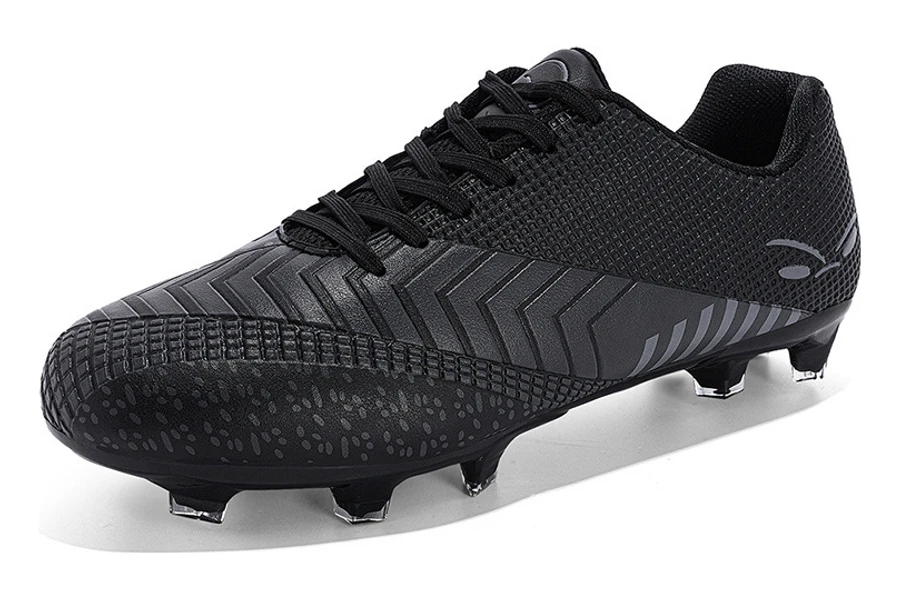
Match Your Football Shoes to the Playing Surface
Football shoes include studded soccer cleats, turf shoes, and indoor footwear, each with different outsole structures and intended uses. For your brand’s range, define the actual playing surface alongside the product requirements. That gives us a clear starting point for outsole selection and development.
01 / FG
FG Football Boots for Firm Natural Grass
FG football boots are generally intended for firm natural grass, with pronounced studs that engage with the ground. Suitability depends on the specific soleplate and field conditions. Tell us about the fields your collection is intended for, including how firm, soft, or wet they tend to be, so we can review the product requirements with you.
02 / AG
AG Football Boots for Artificial Grass
AG football boots are intended for artificial grass. Their studs are often shorter and more rounded than those on FG designs, although configurations vary by model. Share the grass length, infill, and surface condition so we can discuss the outsole direction with those conditions in mind and assess the proposed construction.
03 / TF
TF Football Shoes for Short-Pile Turf
TF shoes commonly use numerous small rubber nubs rather than a conventional studded soleplate. For development, we can consider this type of outsole for short-pile, firmer turf, which differs from longer-bladed artificial grass. Tell us where the shoes will be used so we can assess the options for your project.
04 / INDOOR
Indoor Football Shoes for Court Surfaces
Indoor football shoes generally use a flatter rubber outsole for court surfaces. If you’re planning indoor soccer or futsal shoes, tell us about the actual floor and any venue requirements, such as non-marking soles. During development, we’ll review those details with you and confirm the requirements for the proposed shoe.
Plan the Right Football Shoe Range for Your Market
Your collection may begin with one surface type or include several. Define the intended use first, then consider the size range, fit requirements, appearance, and target price for each style. These decisions give the project a clearer starting point than choosing a silhouette alone.
If your collection covers several surface types, we can discuss a consistent look while assessing construction and order requirements separately for each style. Tell us about your target market and the products you have in mind so we can assess materials, sizing, and development options against your brief.
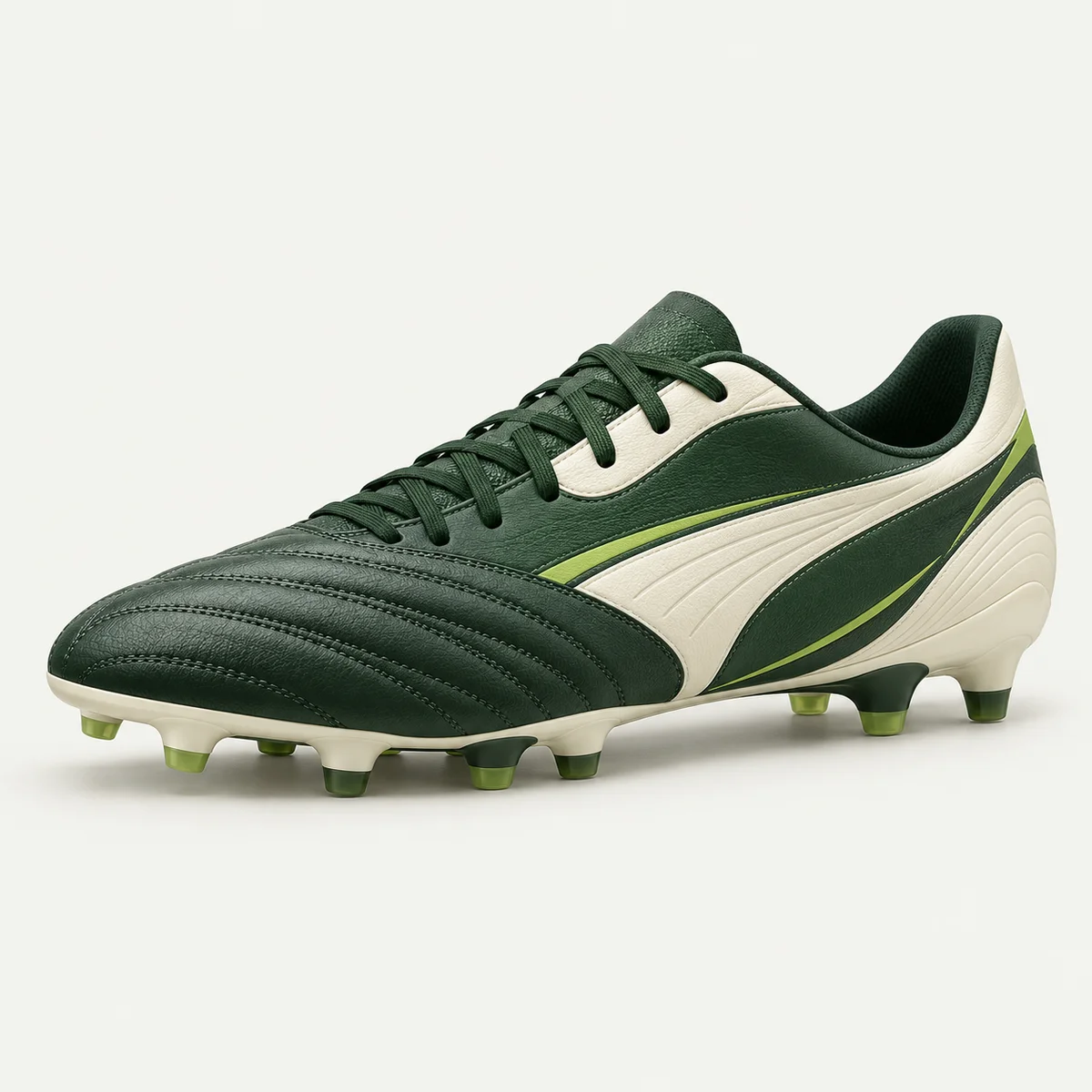
Illustrative design concept.
Define Your Materials, Construction, and Branding
Once you’ve chosen a product direction, we can review how to adapt the shoe for your brand. The options depend on its construction and the scope of your project.
Upper and construction: Discuss materials, panel shapes, and the construction details your intended use calls for.
Outsole and tooling: Review the proposed outsole construction and available options. New tooling, where needed, is assessed separately.
Color and branding: Define colorways, logo placement, tongue labels, and other visible brand details.
Packaging: Discuss shoe boxes, labels, and packing requirements for your order.
For a private-label soccer shoe project, these decisions help define what will be developed and what needs your approval. We’ll assess the requested changes before confirming the sample scope.
Develop a Sample Around Your Requirements
You can begin with a tech pack, sketch, reference sample, or an early product brief. We’ll review what you have, identify open decisions, and discuss the proposed construction before sampling.
For football shoes, that review starts with the playing surface and outsole direction, then moves to the upper, size requirements, appearance, and brand details. If you have a target sizing system, such as US, UK, or EU, share it along with any fit specifications or reference samples. We’ll also confirm the basis for quotation and the development work involved.
When you review the sample, compare it with the agreed specifications and collect any changes into a clear revision list. Confirm the sample version and final requirements before moving into bulk production. Sample costs and timing are discussed for your project.
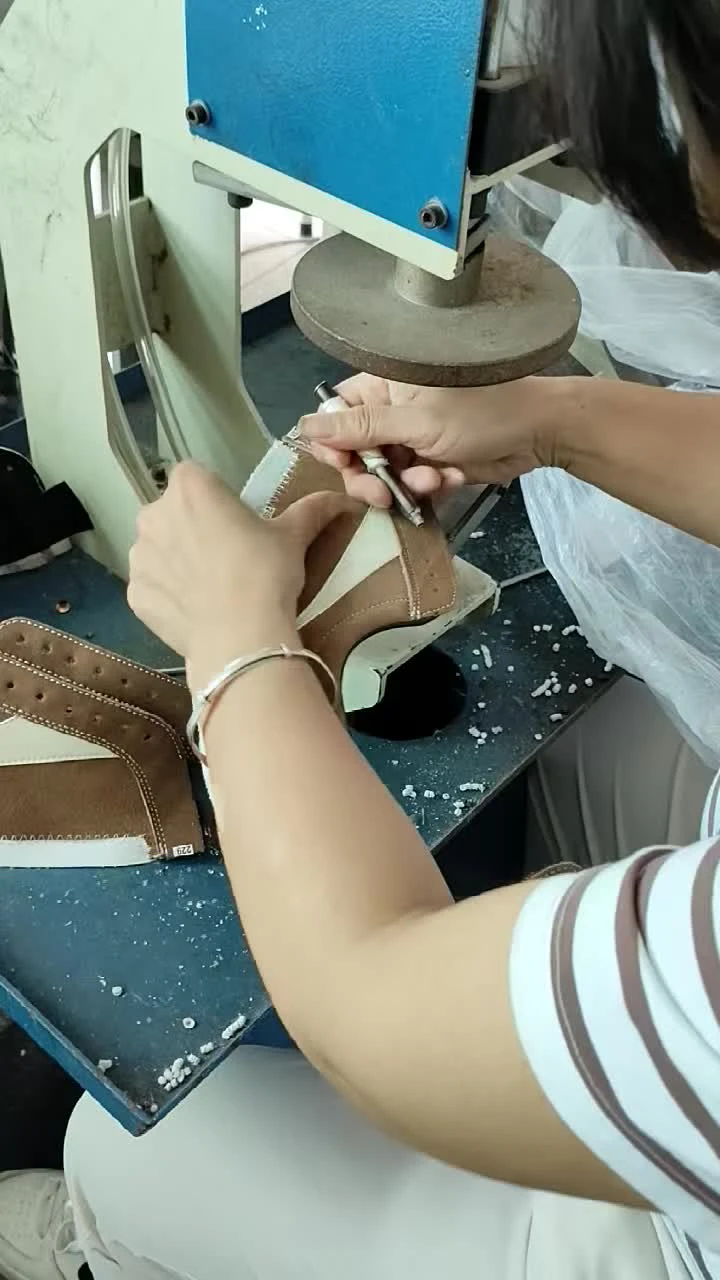
Use Your Approved Sample to Guide Production
Your approved sample and order specifications provide the reference for production. Together, they define the shoe’s construction, material and color requirements, size range, branding, and packing details.
We plan quality checks around the agreed requirements. These include the alignment of the upper and outsole, the visible finish, consistency between the left and right shoes, sizing, logos, labels, and packing. For orders with several styles or colors, we confirm the requirements for each.
If you need specific testing, agree on the scope and acceptance criteria with us during project planning. The test methods and any performance results need to be specific to the product being developed. Packaging and shipment preparation follow the order details confirmed with you.
Questions About Your Football Shoe Project
Which types of football shoes can you develop for my brand?
We can discuss FG, AG, TF, and indoor football shoe development. We’ll assess the proposed design and requirements for your project, including the outsole direction, materials, size range, and customization scope.
Can one outsole work on both natural and artificial grass?
That depends on the particular outsole and its intended use. We’ll review it against your actual playing surface and product specifications, without assuming that one soleplate works on every field.
How do I choose between AG and TF football shoes?
Start with the surface your shoes will be used on. AG boots are generally developed for artificial-grass fields, while TF shoes commonly use small rubber nubs for shorter, firmer turf. Share the field details so we can discuss which type to develop.
Can you work from my design or reference sample?
Yes. Send your tech pack, sketch, or reference sample for review. If you’re starting with an early idea, tell us the intended market, playing surface, and product direction. We’ll identify what needs to be defined before sample development.
Which details can I customize?
We can discuss upper and outsole options, colors, logo placement, labels, and packaging. The available changes depend on the selected shoe and project requirements. Any new tooling and its development scope are reviewed separately.
What affects the minimum order quantity?
MOQ is confirmed for your project. The style, materials and components, colorways, size mix, customization, and tooling requirements can affect the order plan. Share your estimated quantity so we can review it alongside the proposed specifications.
How are sampling and production timelines confirmed?
We discuss timing after reviewing your brief, material and tooling needs, sample revisions and approval, and the order plan. Before arranging production, we confirm the proposed schedule for your project and make the requirements and dependencies clear.
Discuss Your Football Shoe Project
Tell us which surfaces your collection needs to serve and what you want to develop. You can start with the information you already have:
- Your target market and actual playing surfaces
- The football shoe types and design direction you’re considering
- A sketch, tech pack, or reference sample, if available
- Your estimated quantity and any size requirements already defined
We’ll review the brief with you and discuss the next development step for your brand.