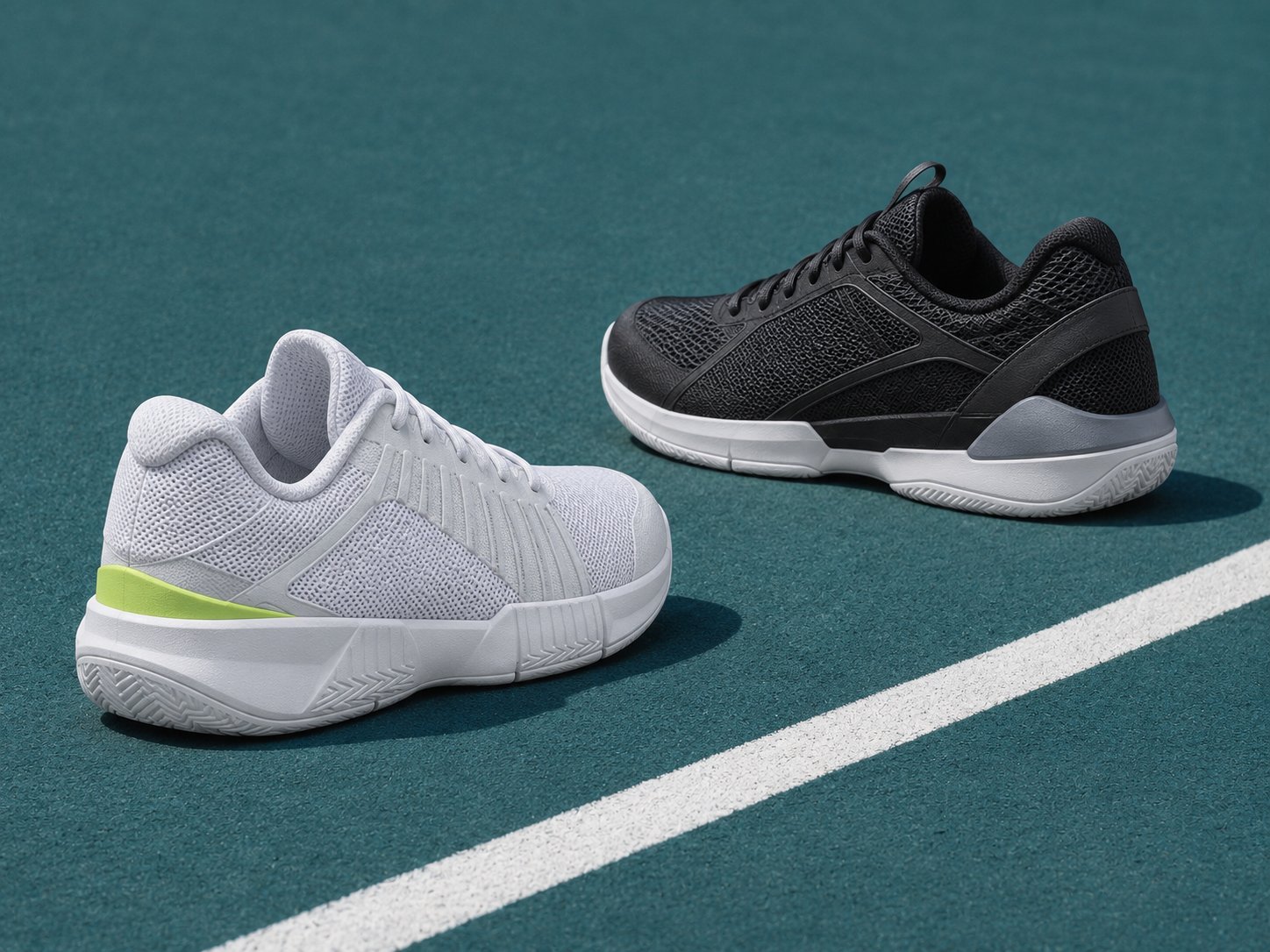
Hard Court Tennis Shoes Manufacturer
Hard court tennis shoes bring together abrasion-resistant outsoles, reinforcement in areas exposed to dragging, and support for quick changes of direction. Cushioning contributes to underfoot comfort, while a secure fit helps hold the foot during movement.
With HEVA’s OEM/ODM support, you can discuss these product features alongside the materials, colors, and branding you want for your collection.
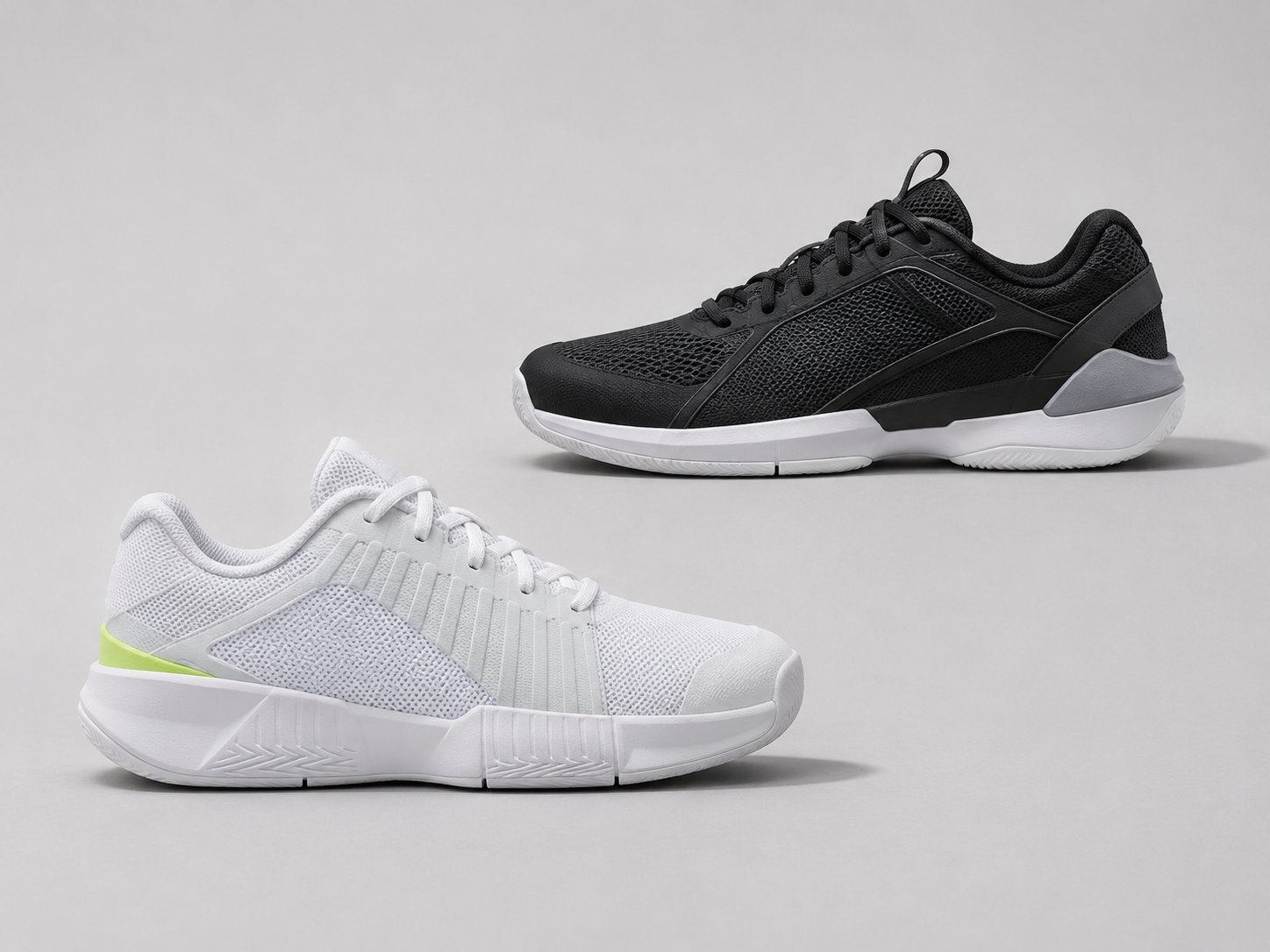
Rubber Outsoles for Hard-Court Wear and Traction
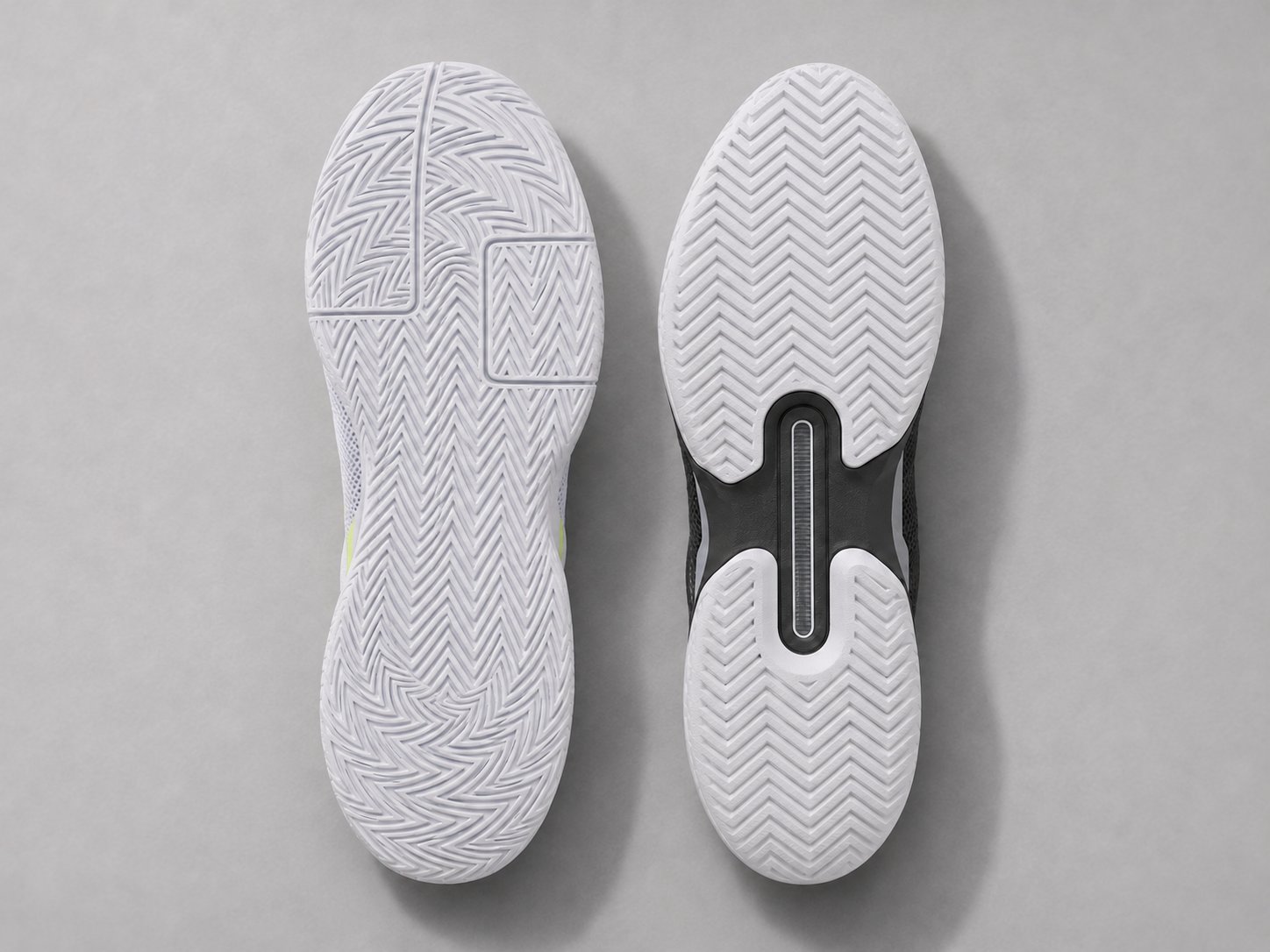
The rubber outsole contacts the court with each stop, push-off, and turn. On abrasive hard surfaces, its resistance to wear matters alongside the traction it provides.
Rubber coverage, material choice, and tread design work together. Abrasion-resistant rubber addresses wear, while the tread pattern helps shape how the outsole interacts with the court. Thickness alone does not tell you how the rubber will wear or grip.
Hard-court outsoles can use different tread arrangements, including segmented herringbone patterns. Look at the shoe’s stated surface use and its complete outsole construction when comparing designs.
Reinforcement at the Toe and Inner Forefoot
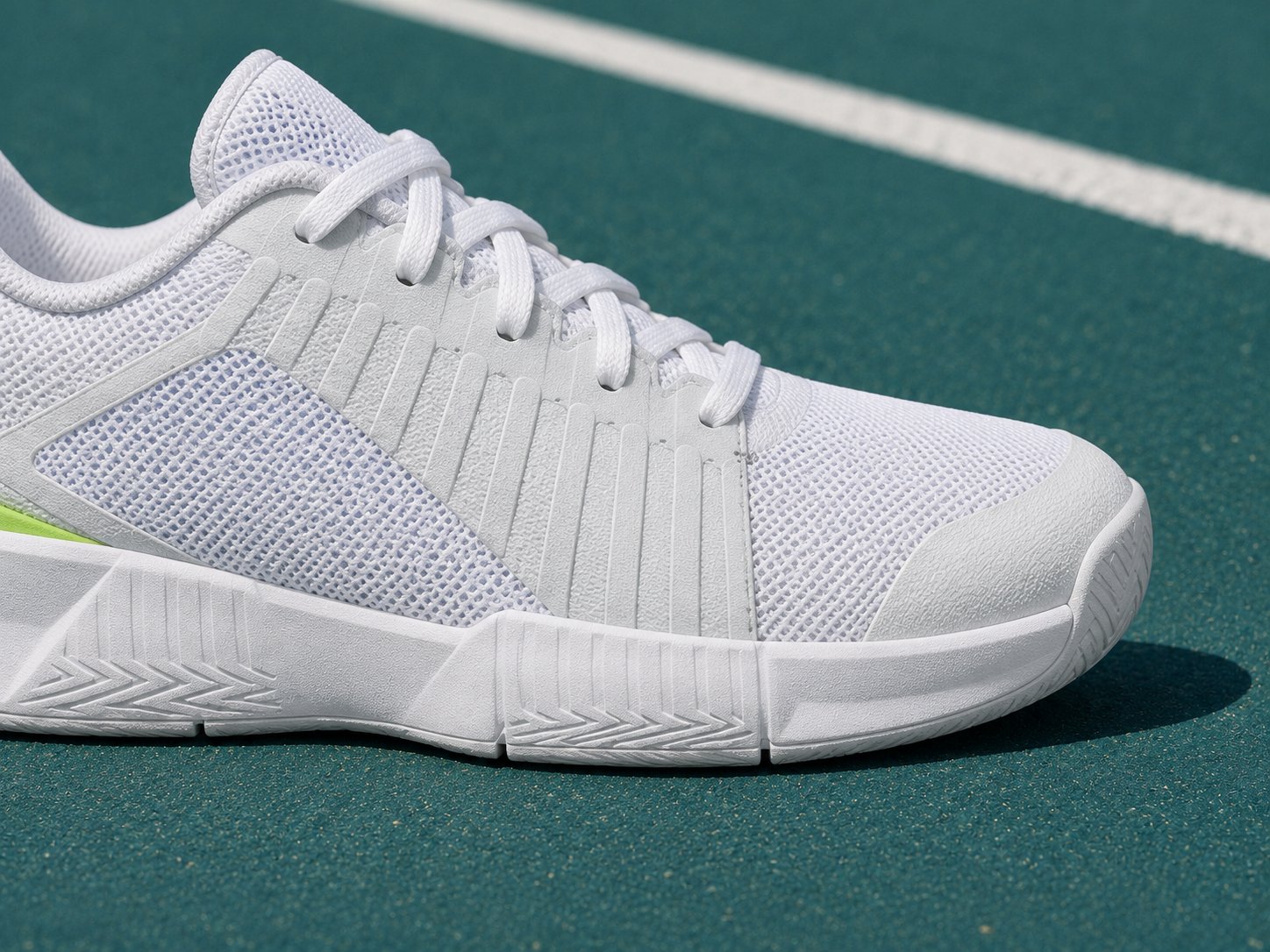
Toe dragging can expose more than the bottom of a shoe to abrasion. The toe tip and the inner forefoot, especially around the big-toe side, may also need protection.
Rubber coverage or reinforcing overlays can protect these areas where the upper comes into contact with the court. Some designs concentrate protection around the toe; others extend it farther along the inner side. The useful detail is where that reinforcement sits and how much of the exposed area it covers.
For your shoe design, consider the intended movement and the areas likely to experience dragging. This gives toe protection a clear purpose within the upper’s construction.
Cushioning with Lateral Support
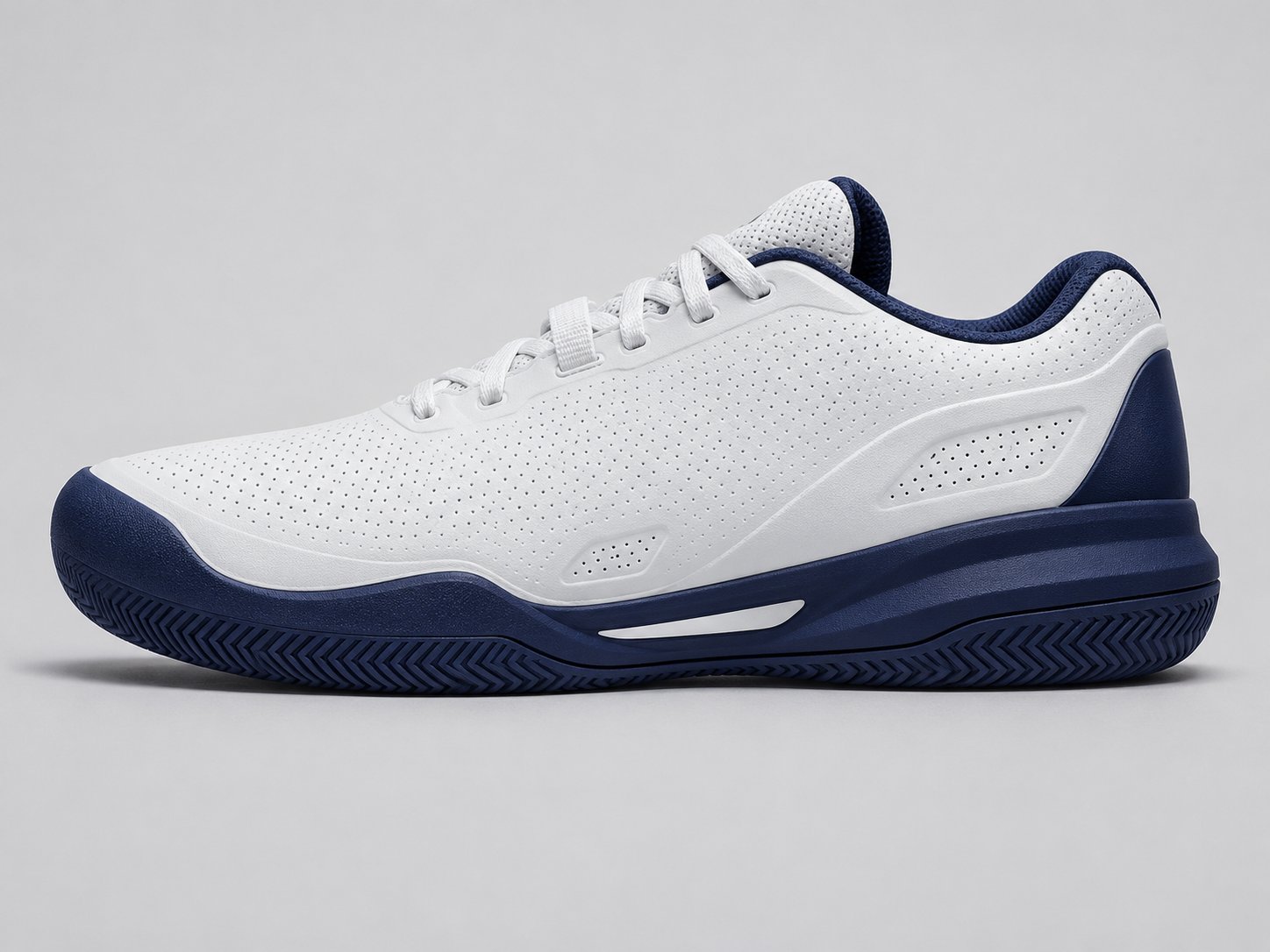
A cushioned midsole contributes to underfoot comfort, while a supportive base and upper help hold the foot during lateral movement. Both matter during side-to-side movement and changes of direction.
A broad base, a midfoot support element, and reinforcement along the outer side are features you may see in hard court tennis shoes. Each addresses a different part of the shoe’s support: the base underfoot, resistance to twisting, or containment around the foot.
When comparing options, consider how the cushioning works with the rest of the shoe. Softness is one part of the feel; a secure fit and support during changes of direction also deserve attention.
Breathable Uppers and a Secure Fit
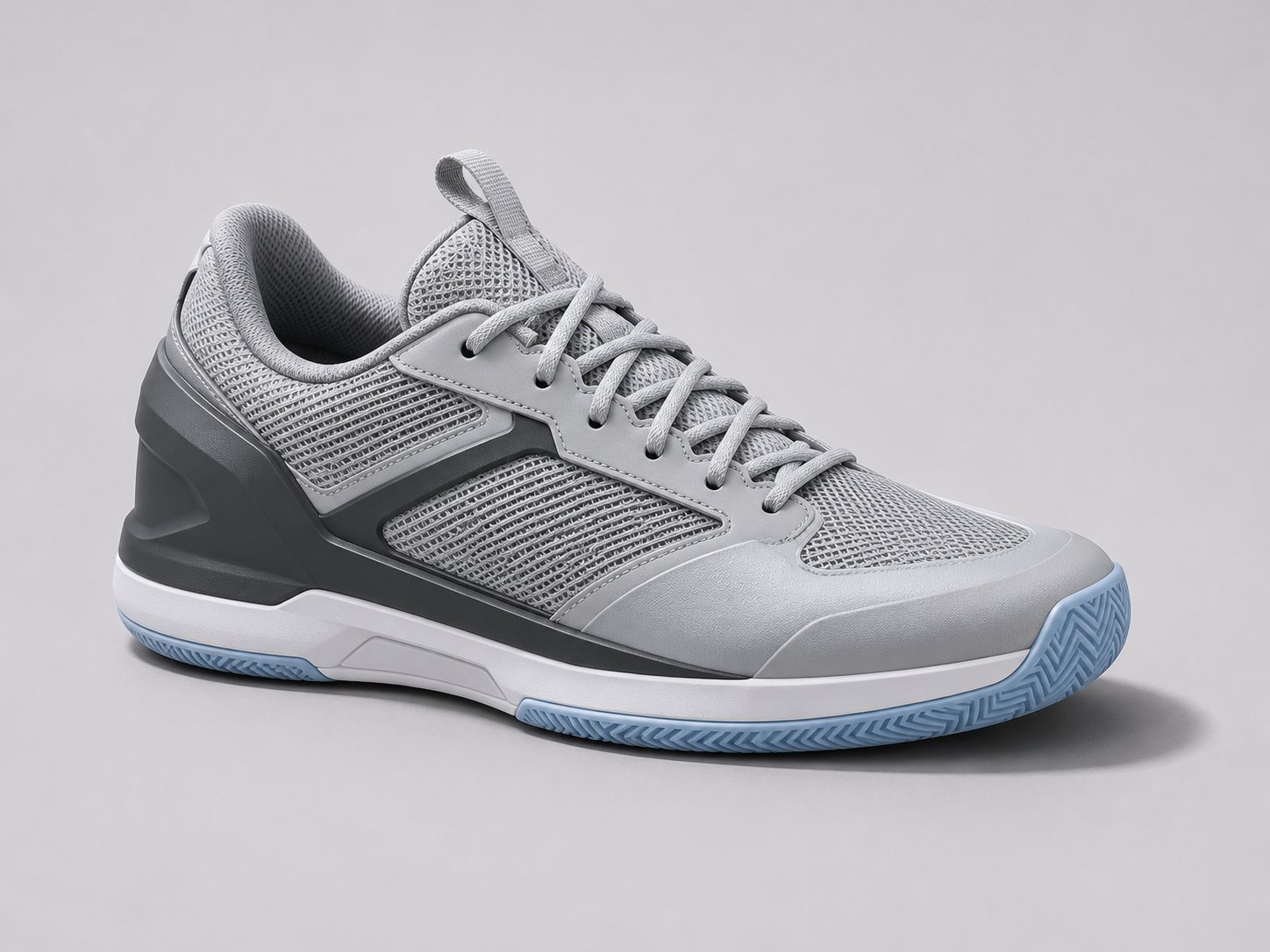
An upper can combine breathable sections with reinforcement in areas exposed to wear. This allows different parts of the shoe to serve different needs, from ventilation to protection and foot containment.
Midfoot lacing helps adjust how firmly the upper holds the foot, while heel shape and padding contribute to fit and comfort. Room around the toes should be considered alongside a secure hold through the midfoot and heel, particularly for repeated lateral movement.
Reinforcement coverage and placement are part of the balance between protection and weight. Compare them alongside the outsole and support structure when choosing features for your collection.
Customize Your Hard Court Tennis Shoes
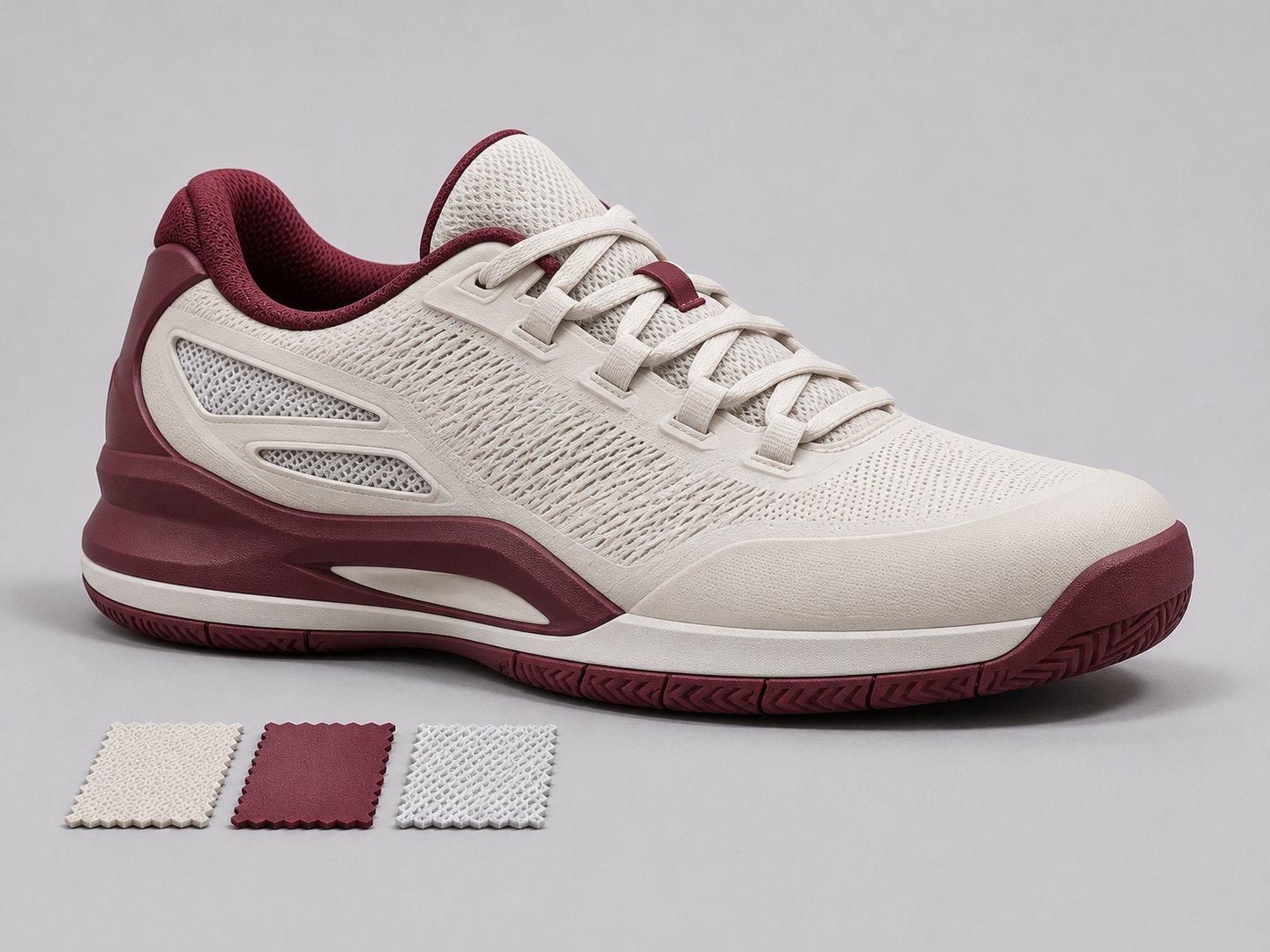
Bring your product direction to HEVA to discuss upper materials, outsole requirements, reinforcement placement, and fit. We can review those requirements alongside your preferred colors, logo positions, labels, and packaging. The available changes depend on the selected construction and the scope of your project.
For a broader overview of tennis shoe development, explore our tennis shoes page.
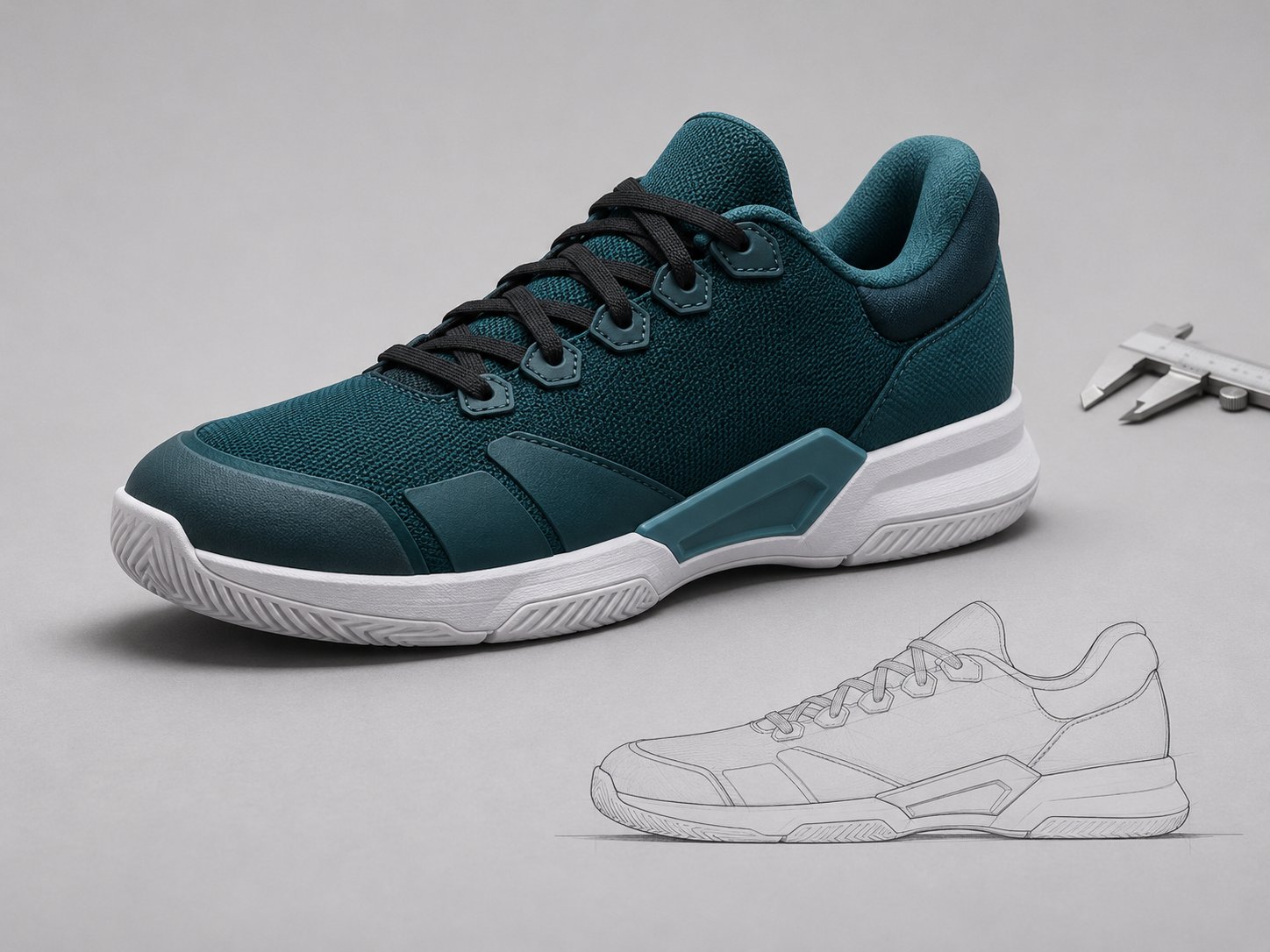
You can start with a reference shoe, sketch, or design files. We’ll review the details with you and work through sample development and revisions. Your approved sample and specifications provide the reference for checking materials, reinforcement placement, assembly, and branding during production.
If you need wear, traction, or other performance testing, include it in the project discussion so the scope and arrangements can be reviewed. MOQ, sampling costs, and production timing are confirmed for your order.
Hard Court Tennis Shoes: Common Questions
How do hard court tennis shoes differ from clay court shoes?
The outsole is a key difference. Hard-court designs place emphasis on wear resistance and traction on an abrasive surface, while clay-court designs use tread suited to loose clay. Both still need support, cushioning, and fit. Herringbone tread also appears on some hard-court shoes, so the pattern name alone does not establish suitability.
Can clay and hard court tennis shoes be used interchangeably?
Check the specific model’s surface guidance before doing so. Occasional use does not establish that a clay-specific outsole is a good choice for regular hard-court play. For a collection intended primarily for hard-court play, focus on models designed for that surface and compare outsole durability as well as grip. For use on clay, check the hard-court model’s surface guidance as well; the hard-court label alone does not establish suitability.
Are all-court tennis shoes suitable for hard courts?
Some brands use the all-court label for shoes intended for hard surfaces. Check the model’s stated uses and outsole construction. The label should not be treated as a guarantee that the shoe is equally suitable for every court surface.
Discuss Your Hard Court Tennis Shoe Project
Tell us which product features you want to prioritize, and share a reference shoe or design materials if you have them. Include your expected quantity and any customization needs. We’ll help clarify the product direction and the next steps, even if you’re still shaping the collection.