OEM / ODM · Private Label Development
Develop indoor soccer shoes around the court, fit, and brand requirements of your collection. HEVA supports OEM and ODM development for indoor soccer and futsal shoe projects, from reviewing your initial direction through sampling, production coordination, and packing.
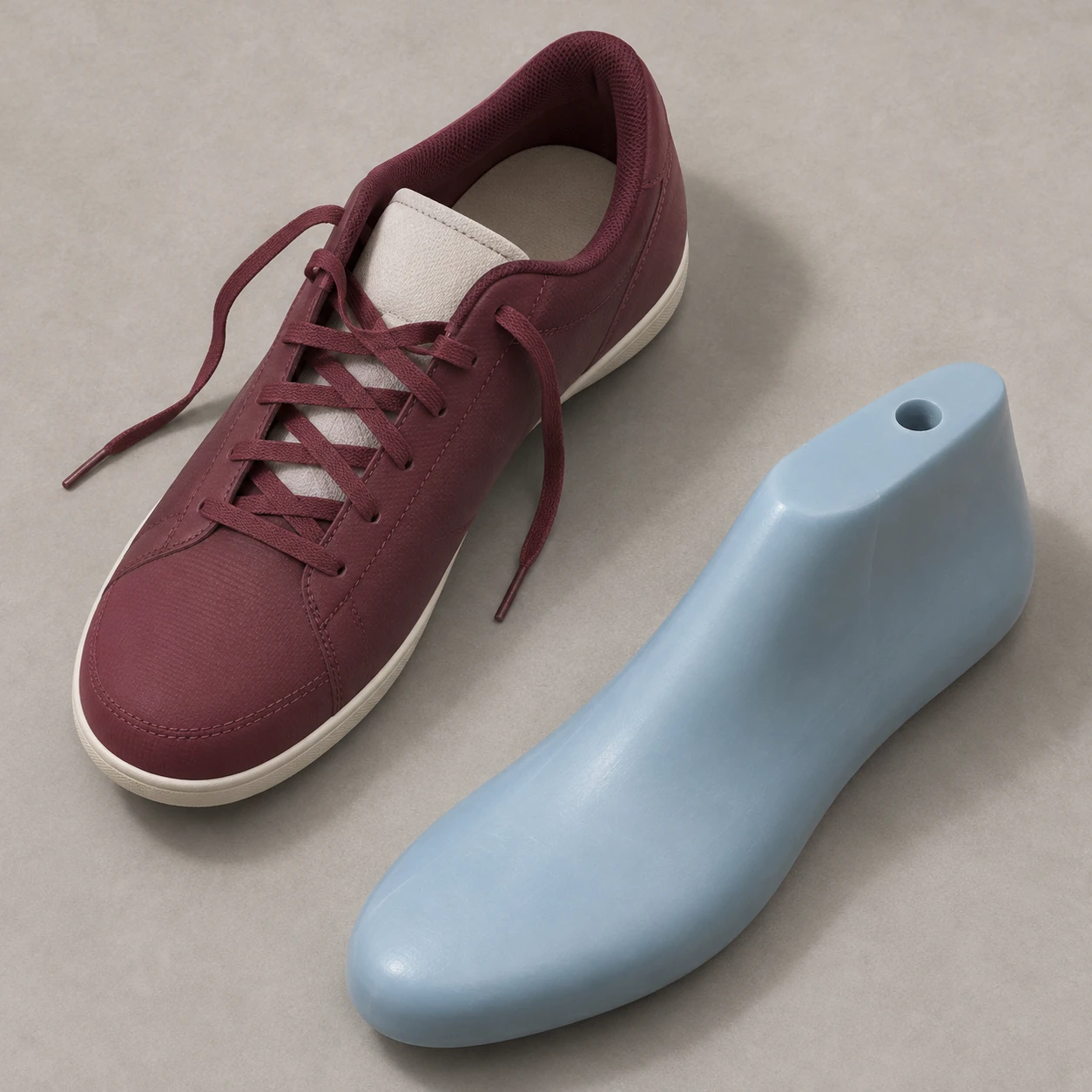
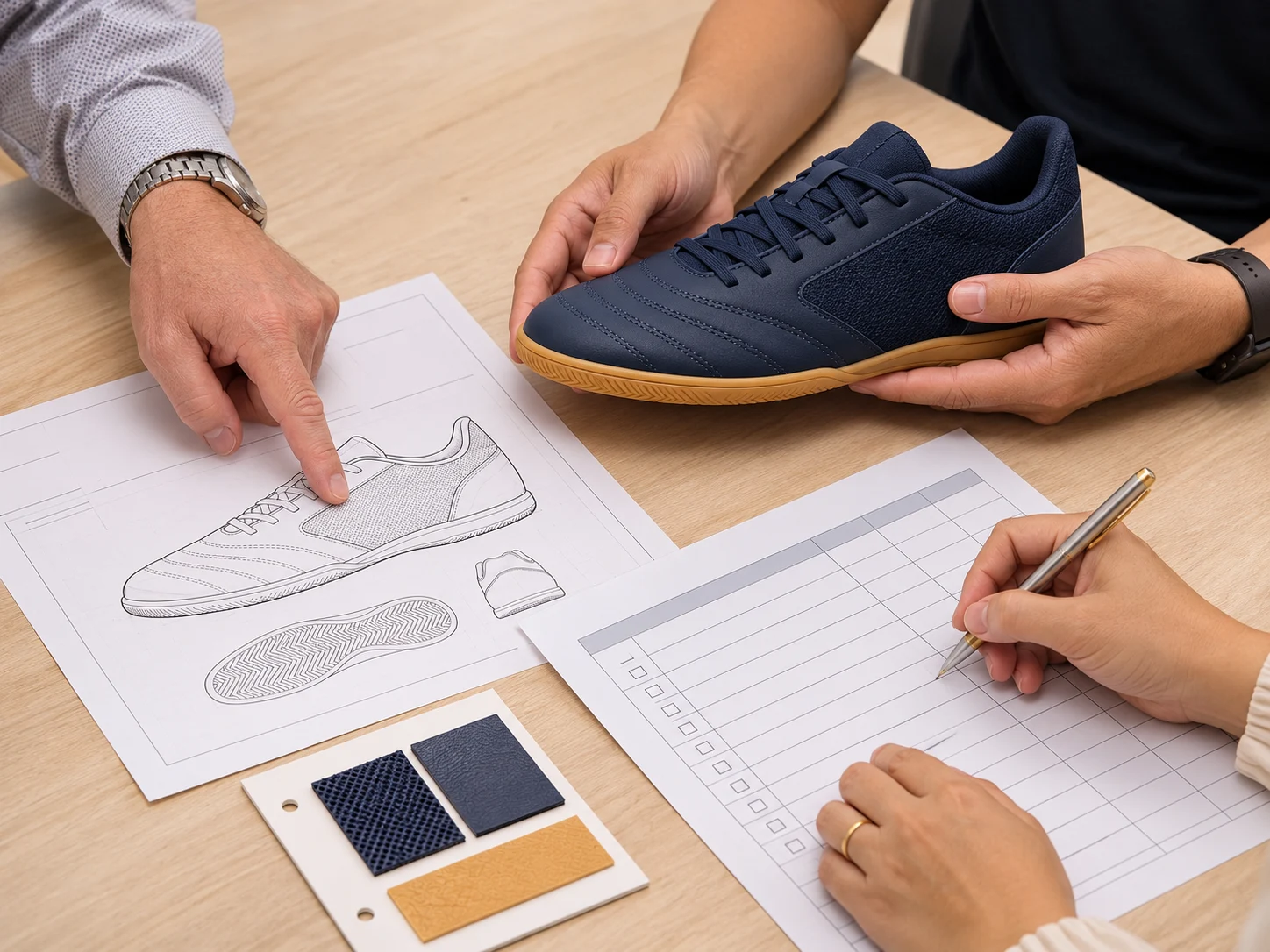
Start with a reference sample, design file, or product brief. We’ll help you identify the material, construction, and sizing decisions needed to move your project forward.
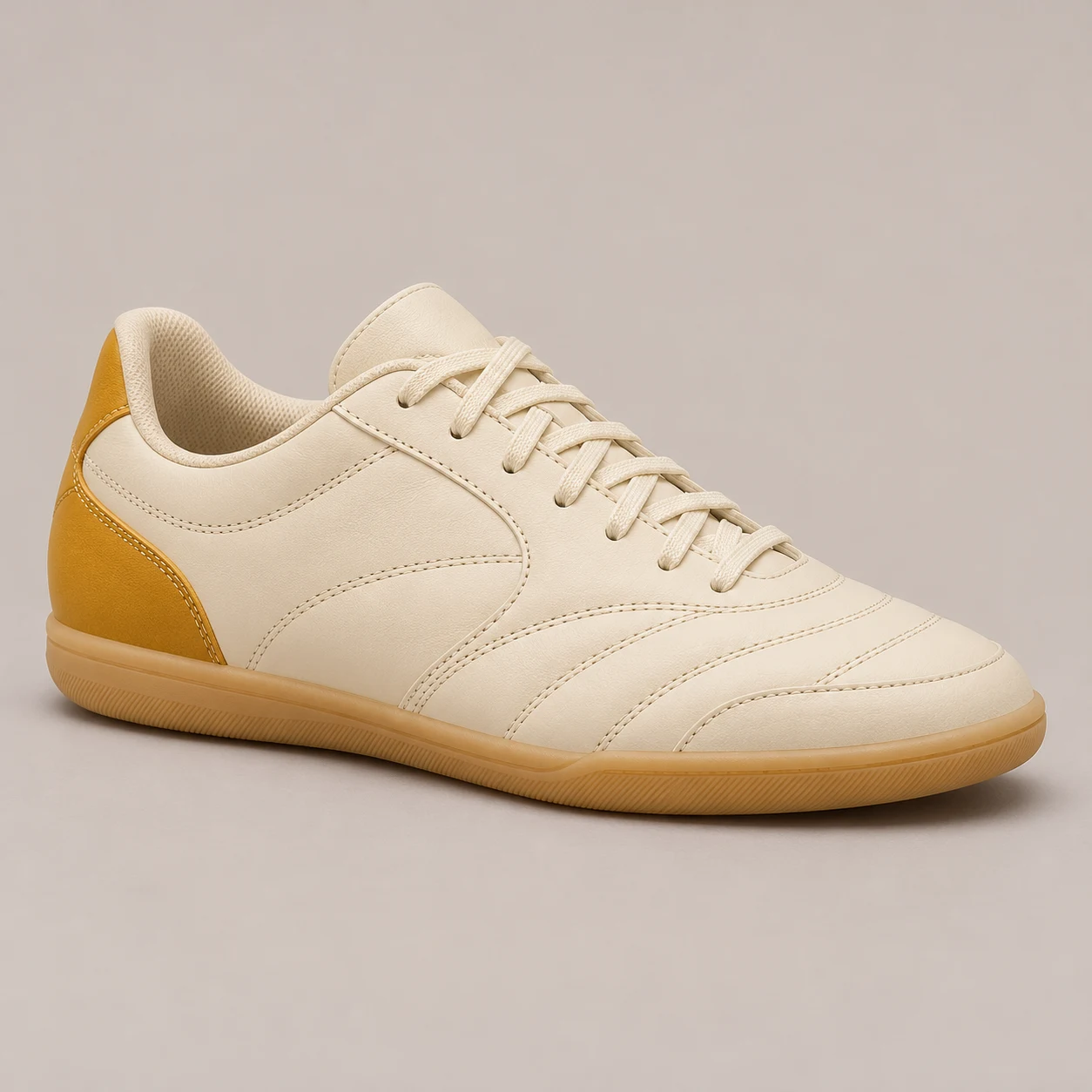
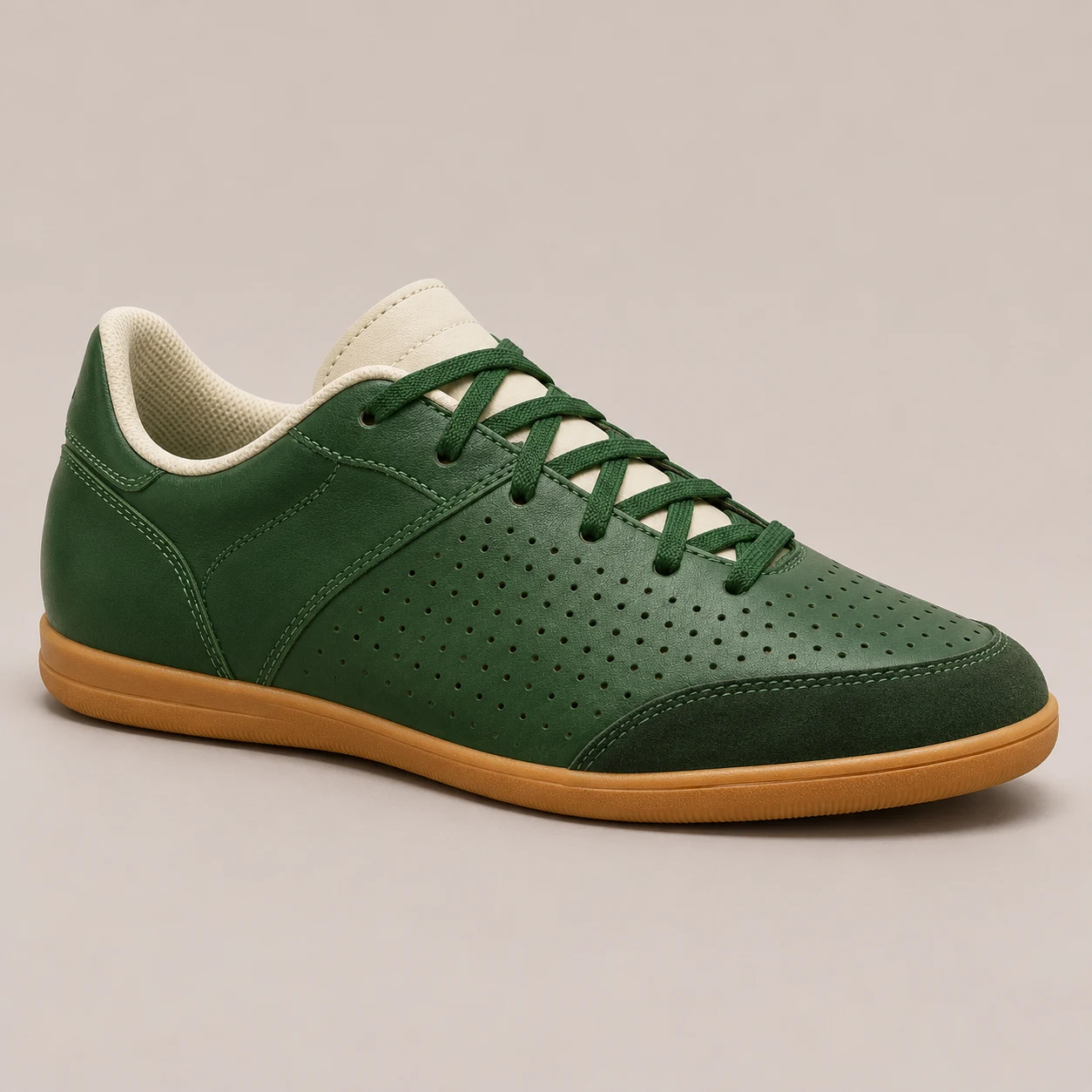
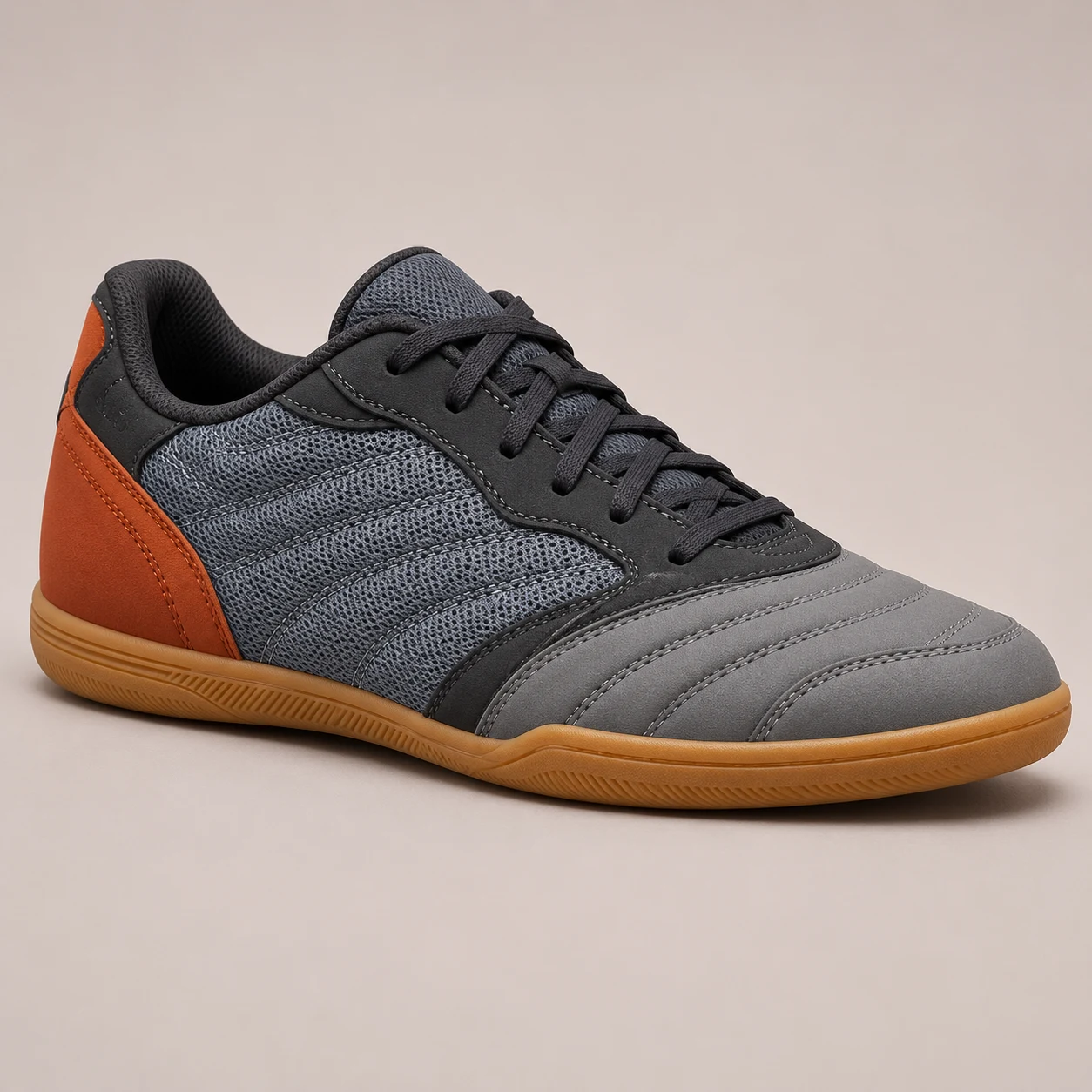
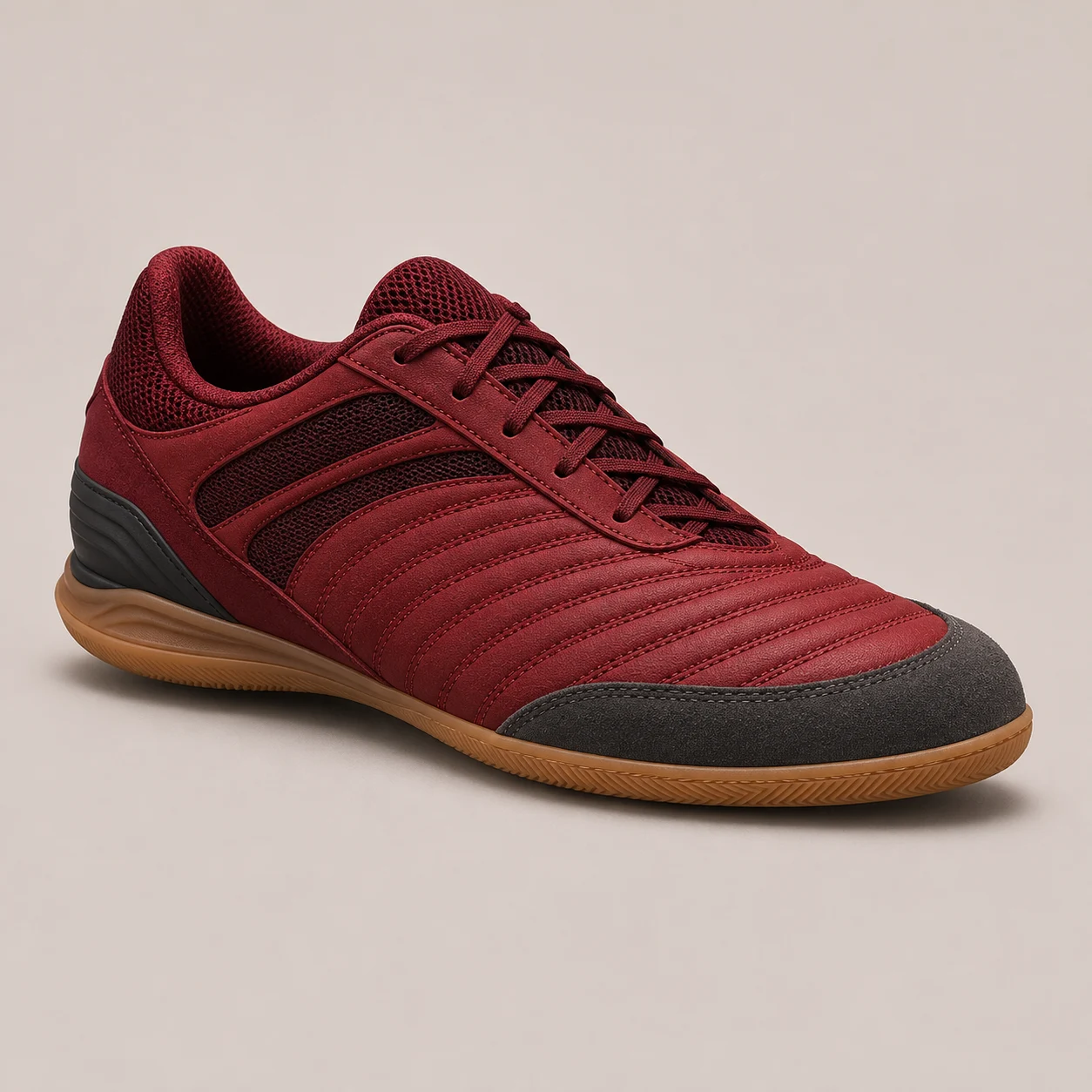
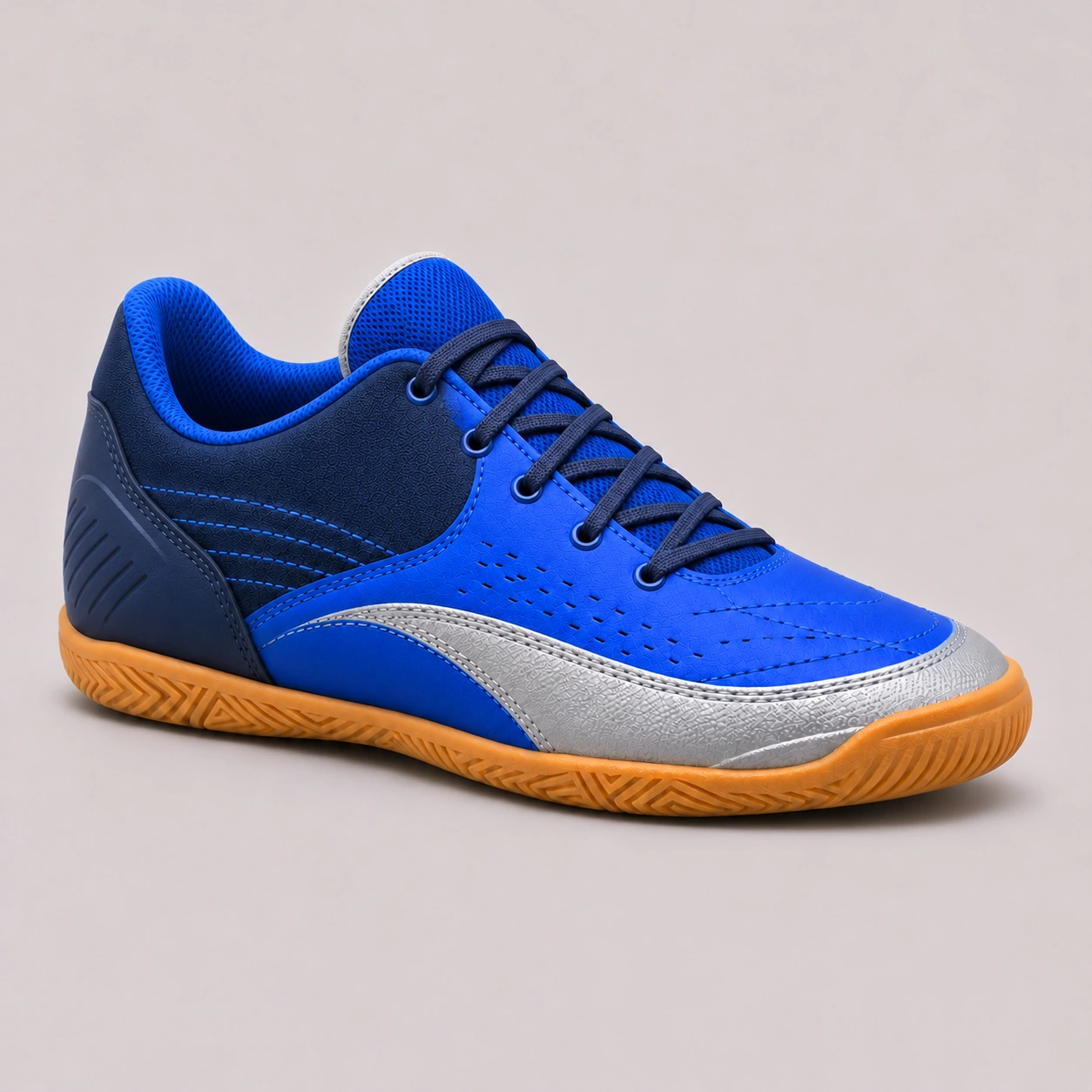
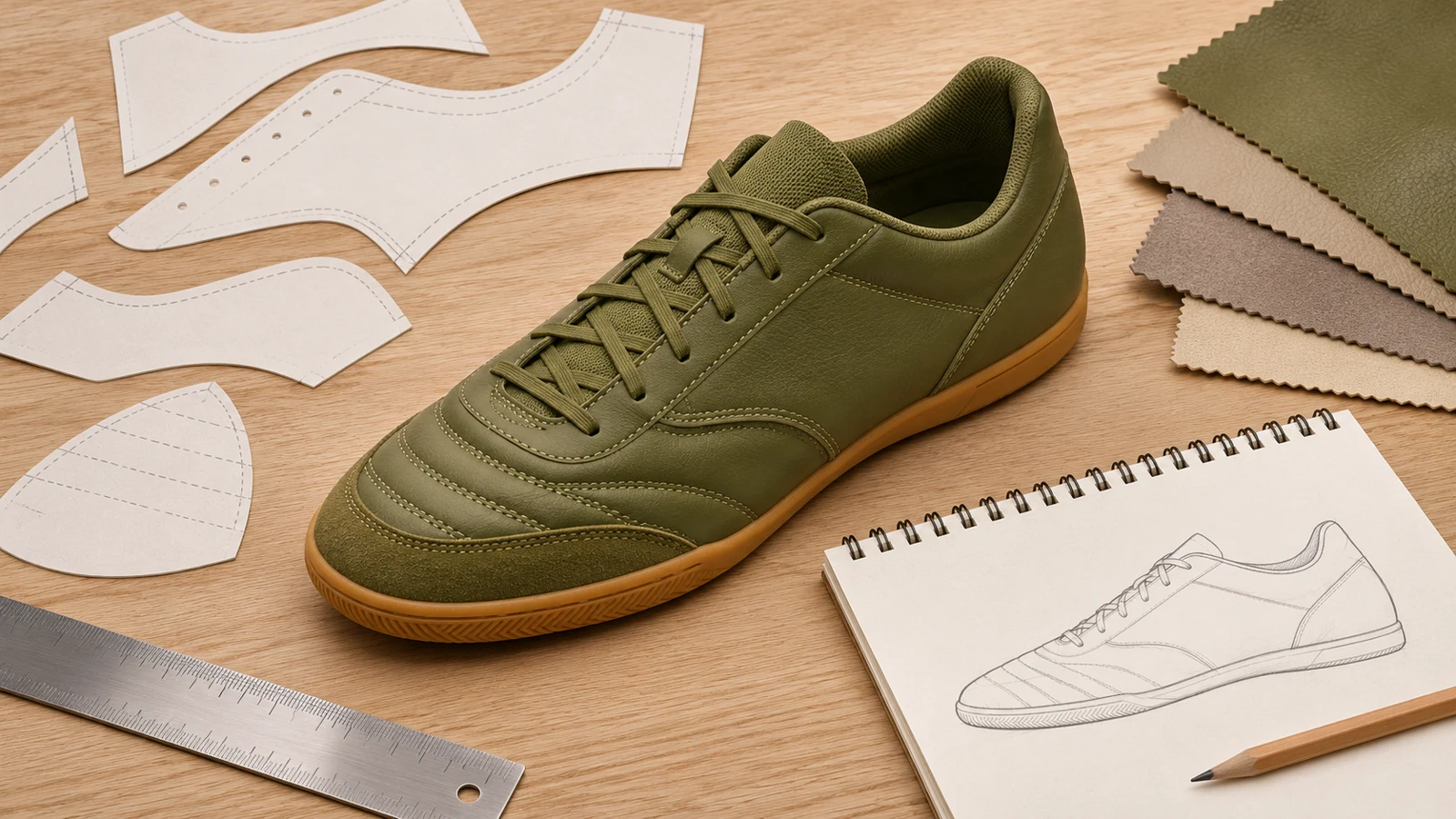
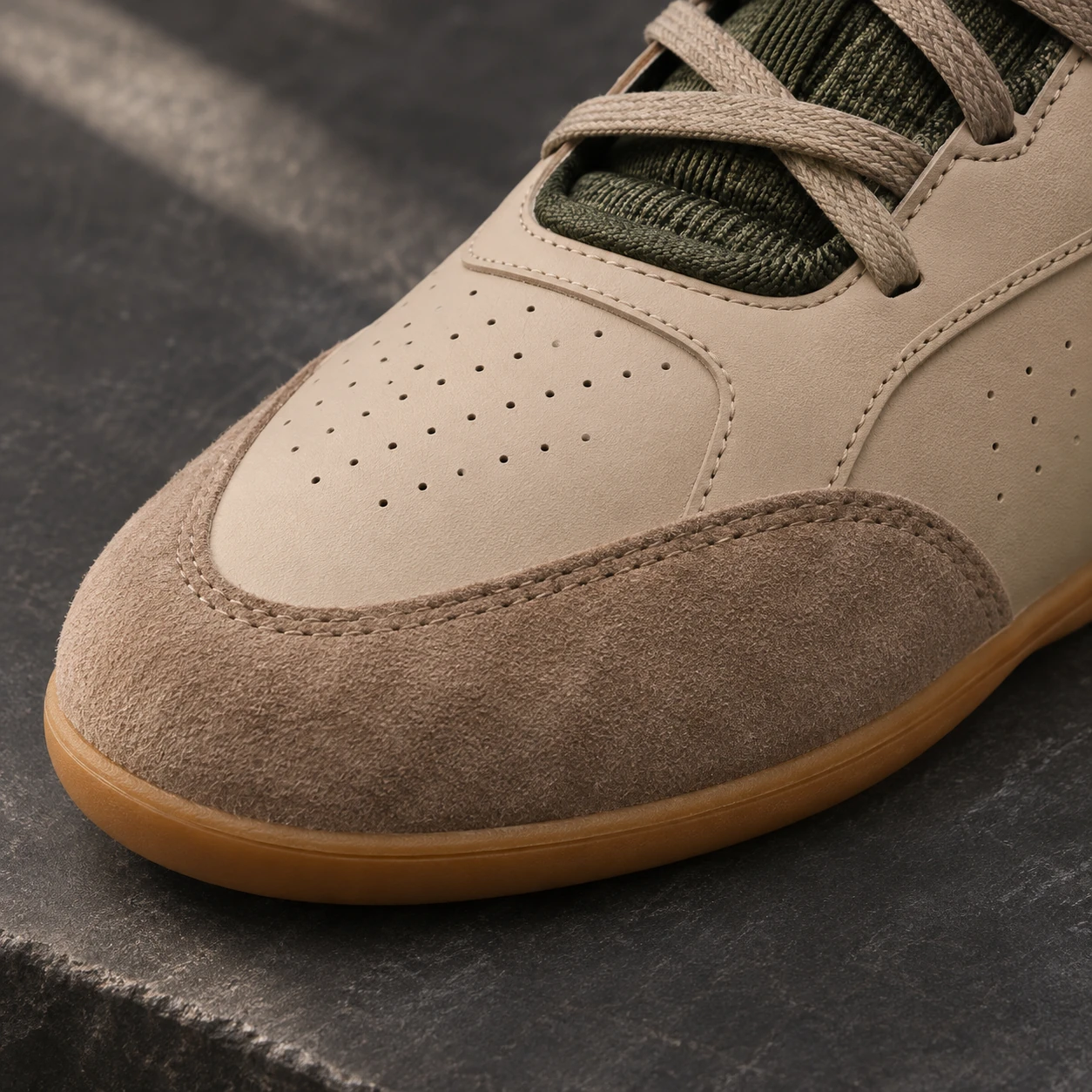
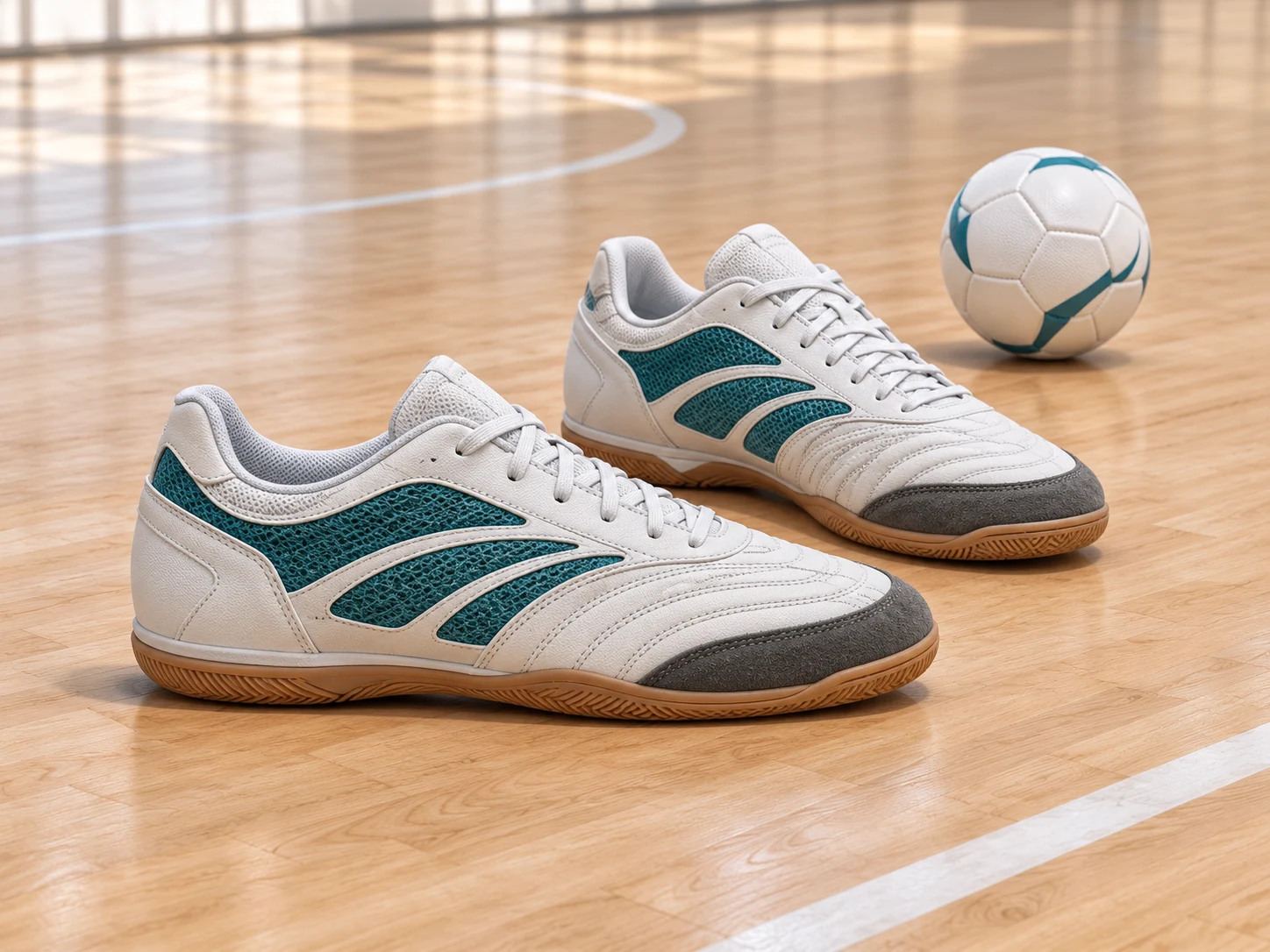
Use these concepts to discuss upper construction and appearance. Compare panel placement, material feel, and toe reinforcement with a reference sample. The images show development directions, not confirmed stock models. Materials, fit, outsole selection, and production feasibility need a separate review for your project.
A wraparound toe panel and layered side panels provide a starting point for discussing reinforcement placement. Review the material thickness and flexibility in the complete sample.
A smooth forefoot with restrained panel lines gives you room to explore colors and branding. Confirm the upper material and how it bends during sample review.
A perforated forefoot introduces a different surface treatment. Discuss hole placement, backing materials, and reinforcement together; the appearance alone does not establish breathability.
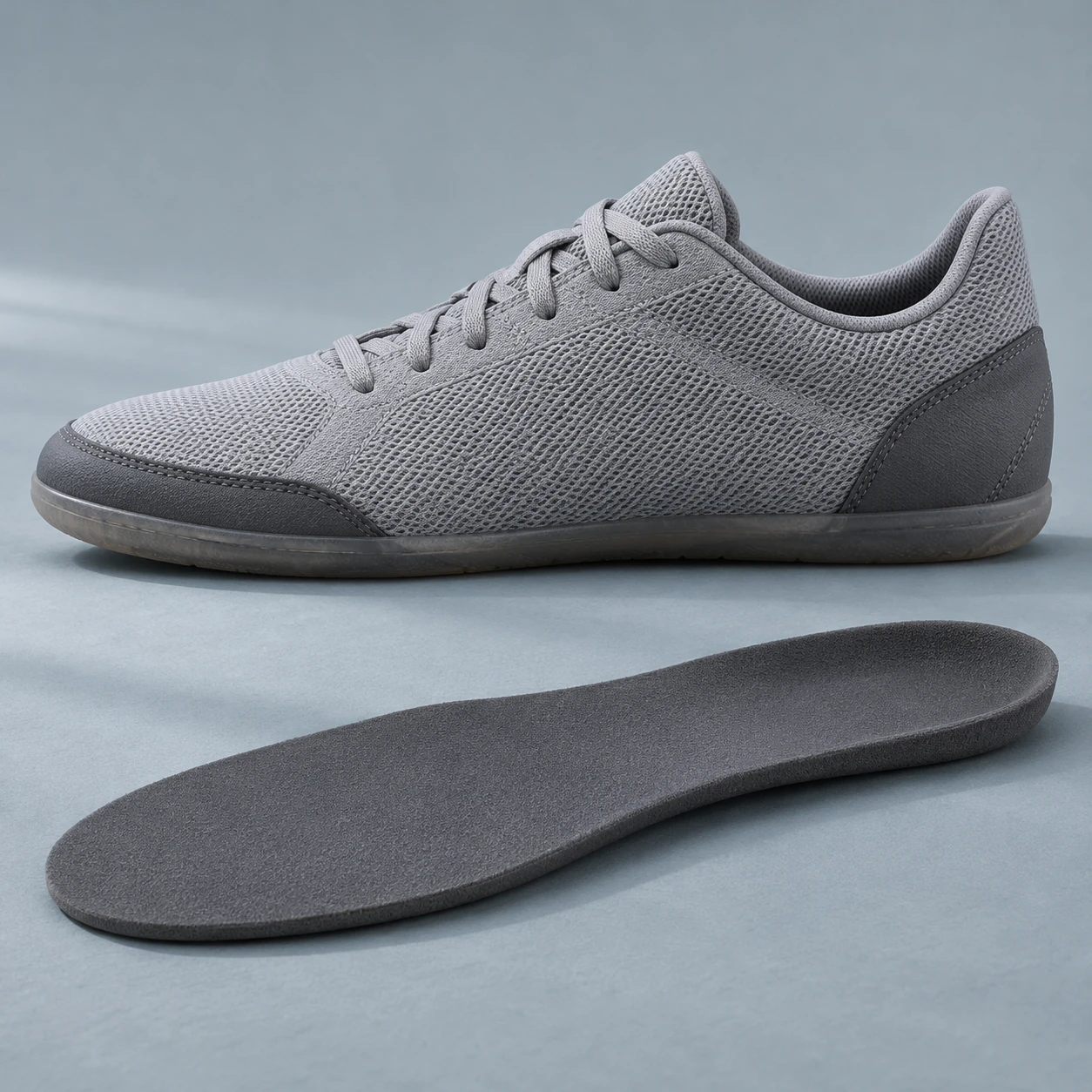
Define who will wear the shoe and how you want it to fit before choosing a last or closure. These concepts offer different combinations of panels, lacing, and access to the shoe opening. Discuss toe space, forefoot width, heel hold, and your intended size range together.
Mesh side sections and an overlaid lacing area create a distinct construction direction. Review the mesh, lining, and supporting panels as one assembly.
An offset lacing layout offers another direction for forefoot panel placement. Check adjustment, tongue position, and ease of entry when trying on the sample.
A conventional lace-up construction offers a starting point for a youth collection. Define the size range and review lace adjustment, ease of entry, and fit before confirming the design.
Tell us where the shoes will be used. Hard-court futsal and indoor artificial turf call for different outsole choices. Compare football shoe options for different playing surfaces. Final materials, construction, availability, and specifications are confirmed for each project.
Start with a reference style, sample, or new design. We review the proposed changes before confirming the development scope.
Share your preferred construction and order requirements. We’ll review whether an existing construction can support them and what needs to be developed.
Review material feel, flexibility, panel placement, and toe-area protection together. Added layers may change how the upper bends or feels against the foot. Discuss the lining, tongue, collar, and ventilation alongside reinforcement so they can be assessed as part of the complete sample.
For hard-court futsal, start by reviewing a relatively flat rubber outsole, its tread pattern, and the venue’s requirements. Discuss the insole and any midsole cushioning alongside flexibility and the space inside the shoe. Turf shoes use a different tread, commonly with small rubber studs.
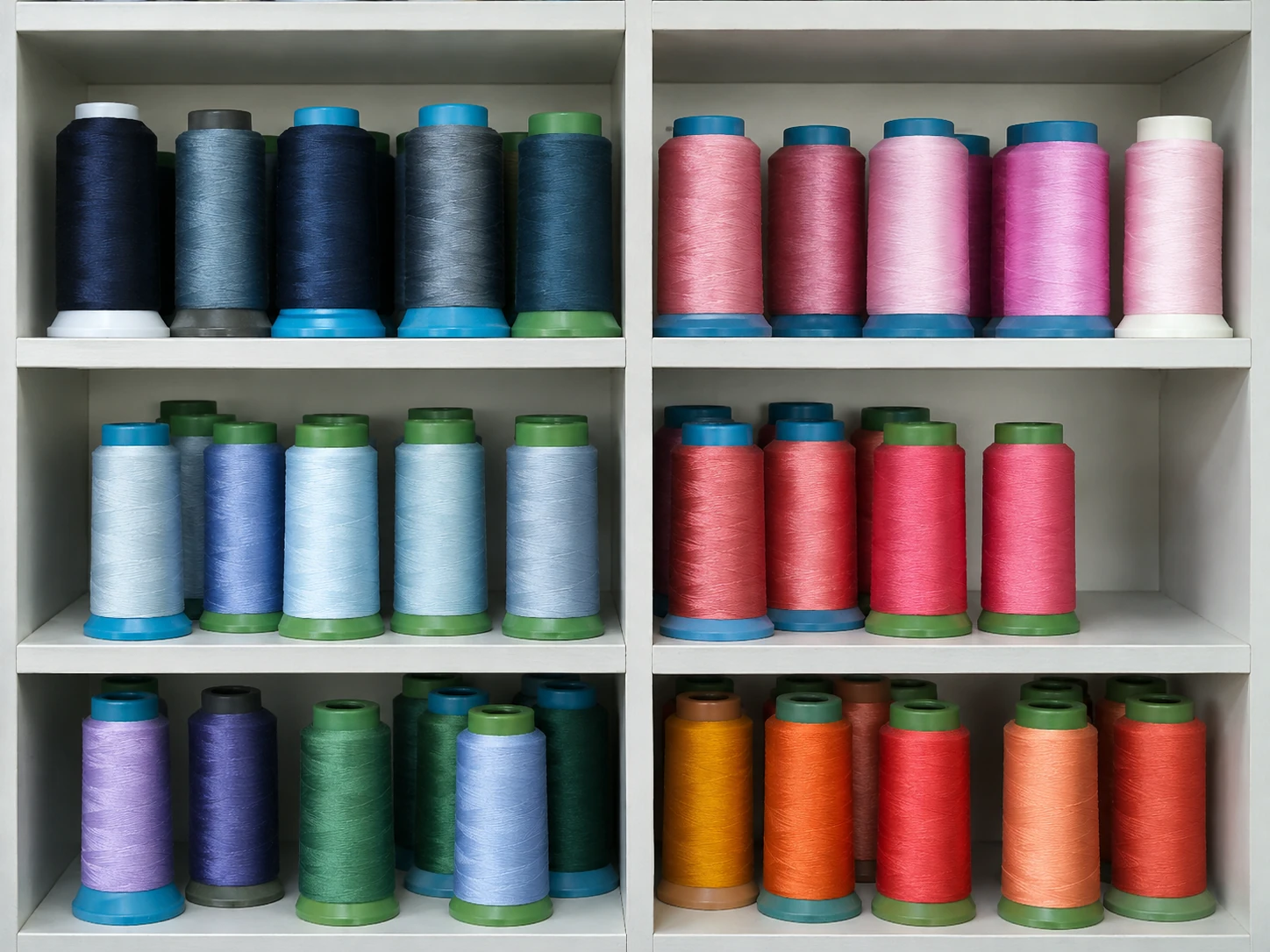
Share color references for the upper, outsole, lining, laces, and visible stitching. We review the proposed colorway with the selected materials. Final color matching is confirmed through the agreed sample process.
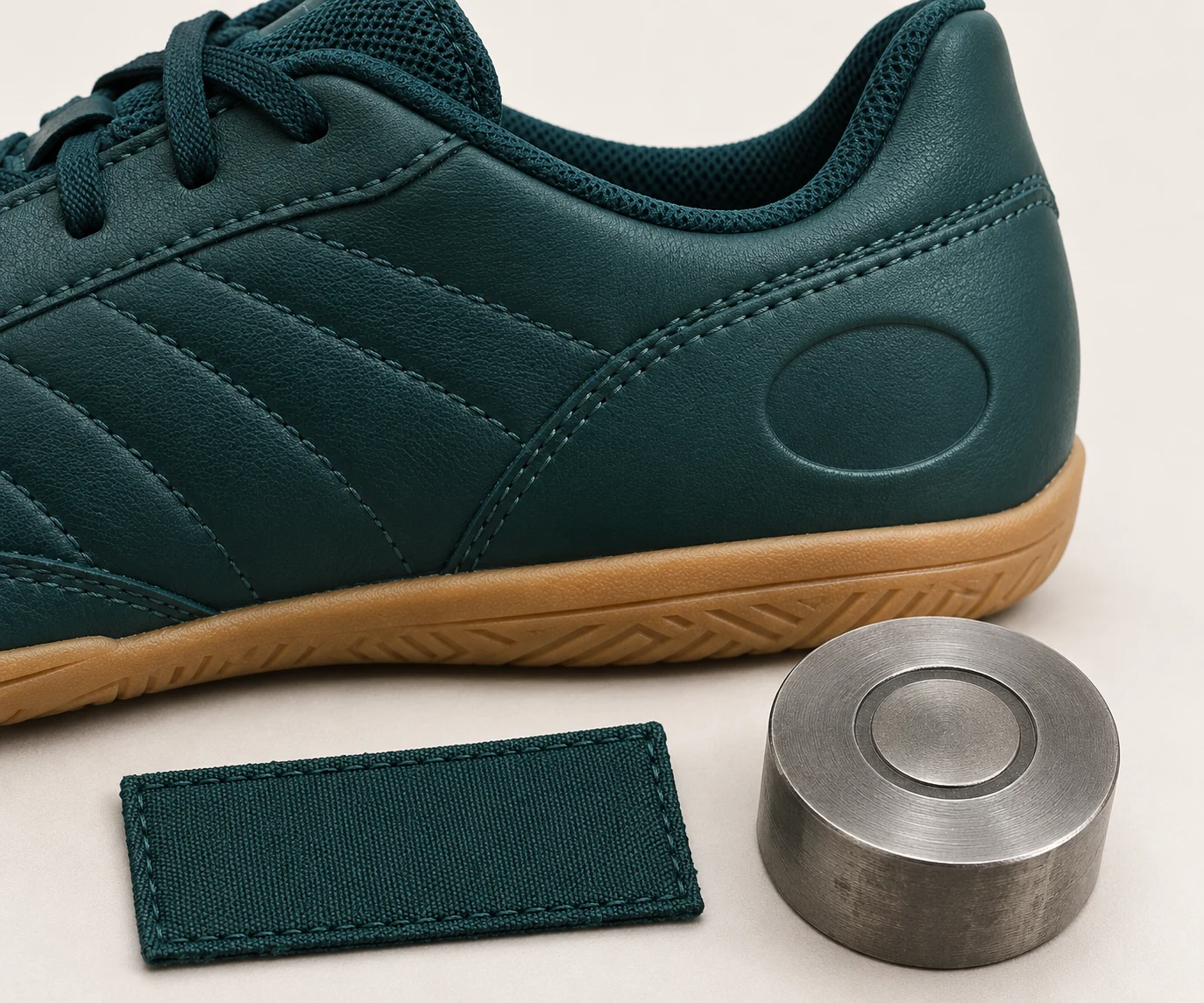
Provide your logo artwork, intended placement, and size. We’ll review how the branding can work with the proposed material and construction, including any limitations that need to be checked in the sample.
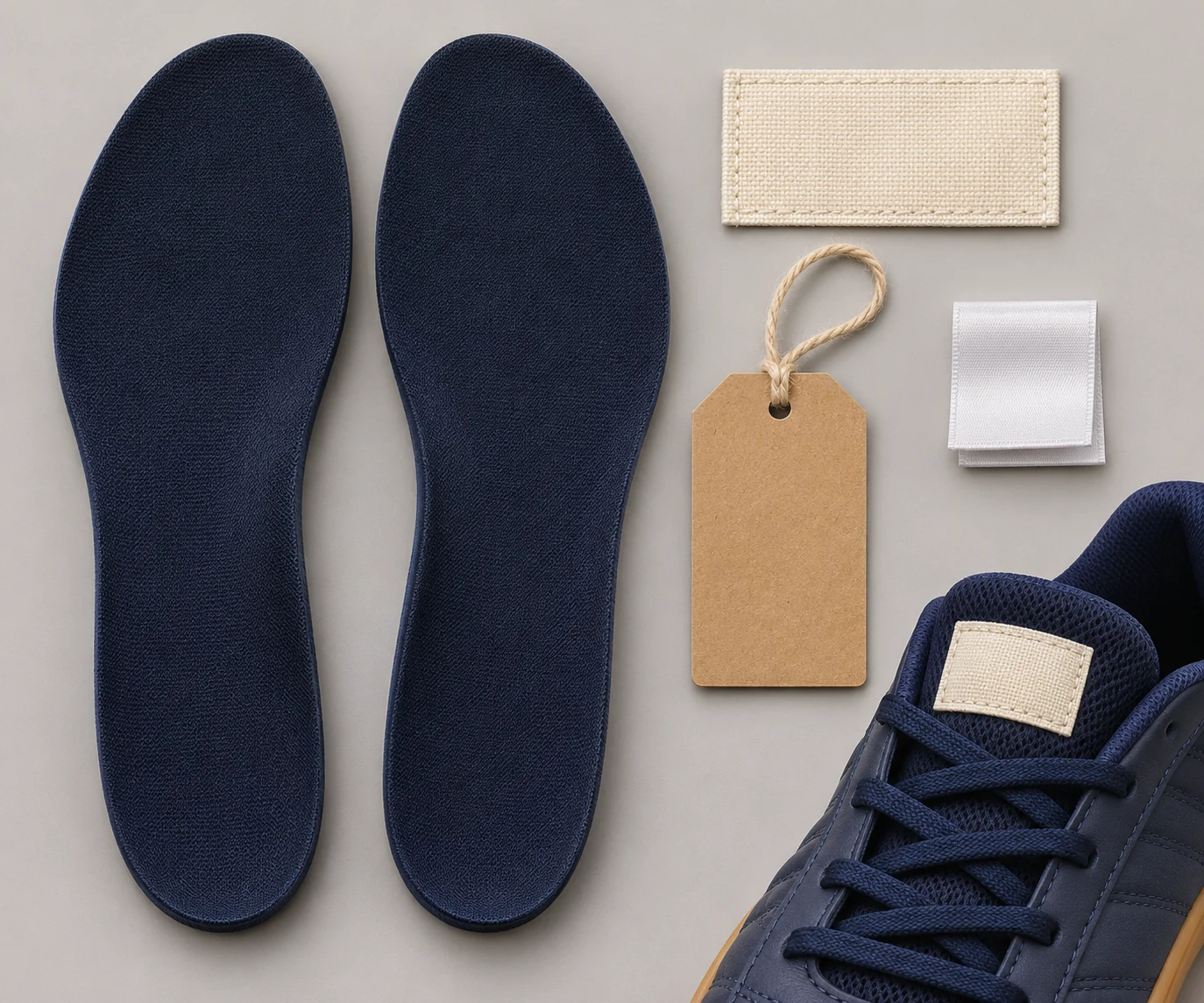
Confirm insole branding, size labels, and other identification required for your collection. Specify the sizing system, wording, and placement so label details can be checked alongside the shoe.
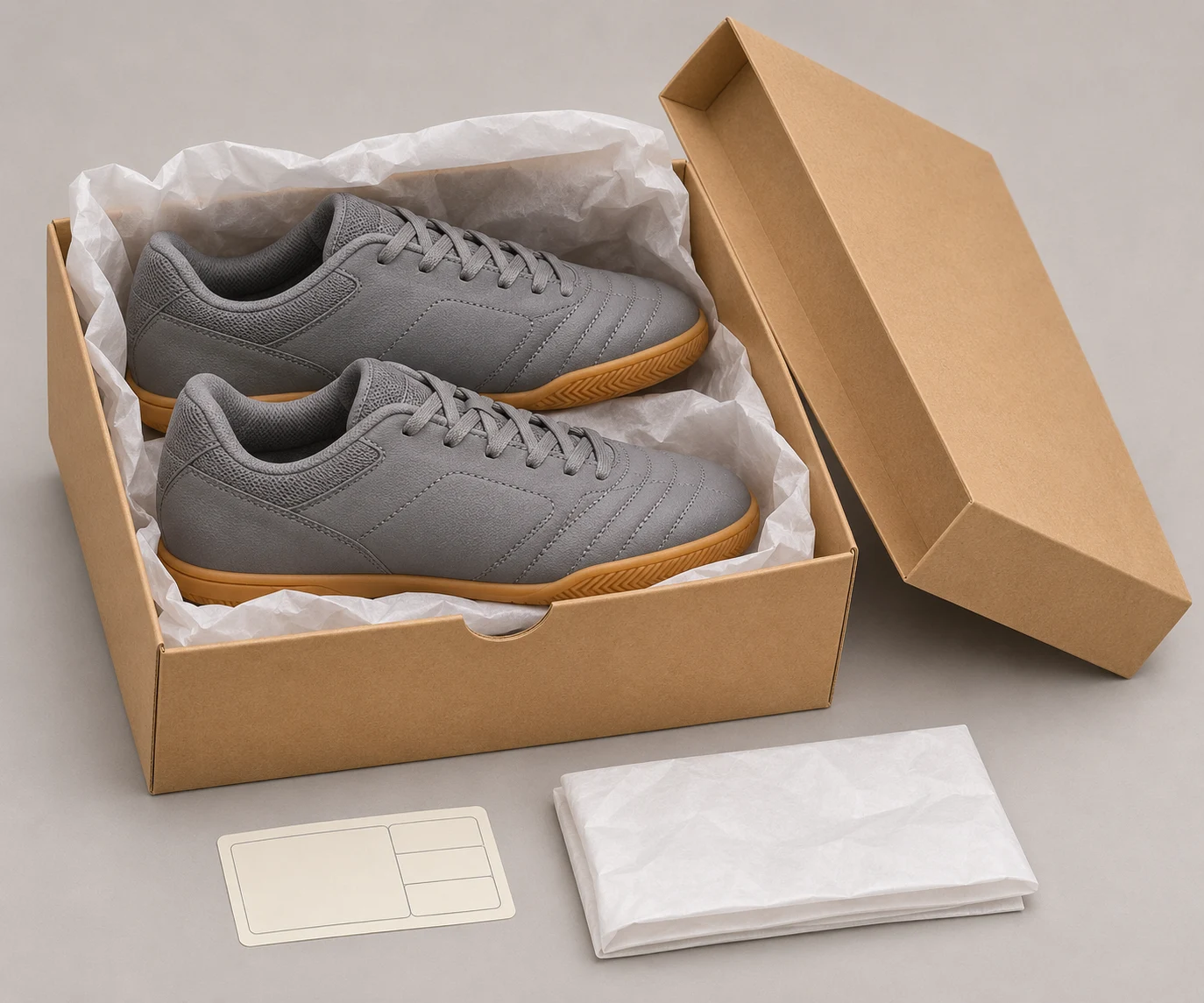
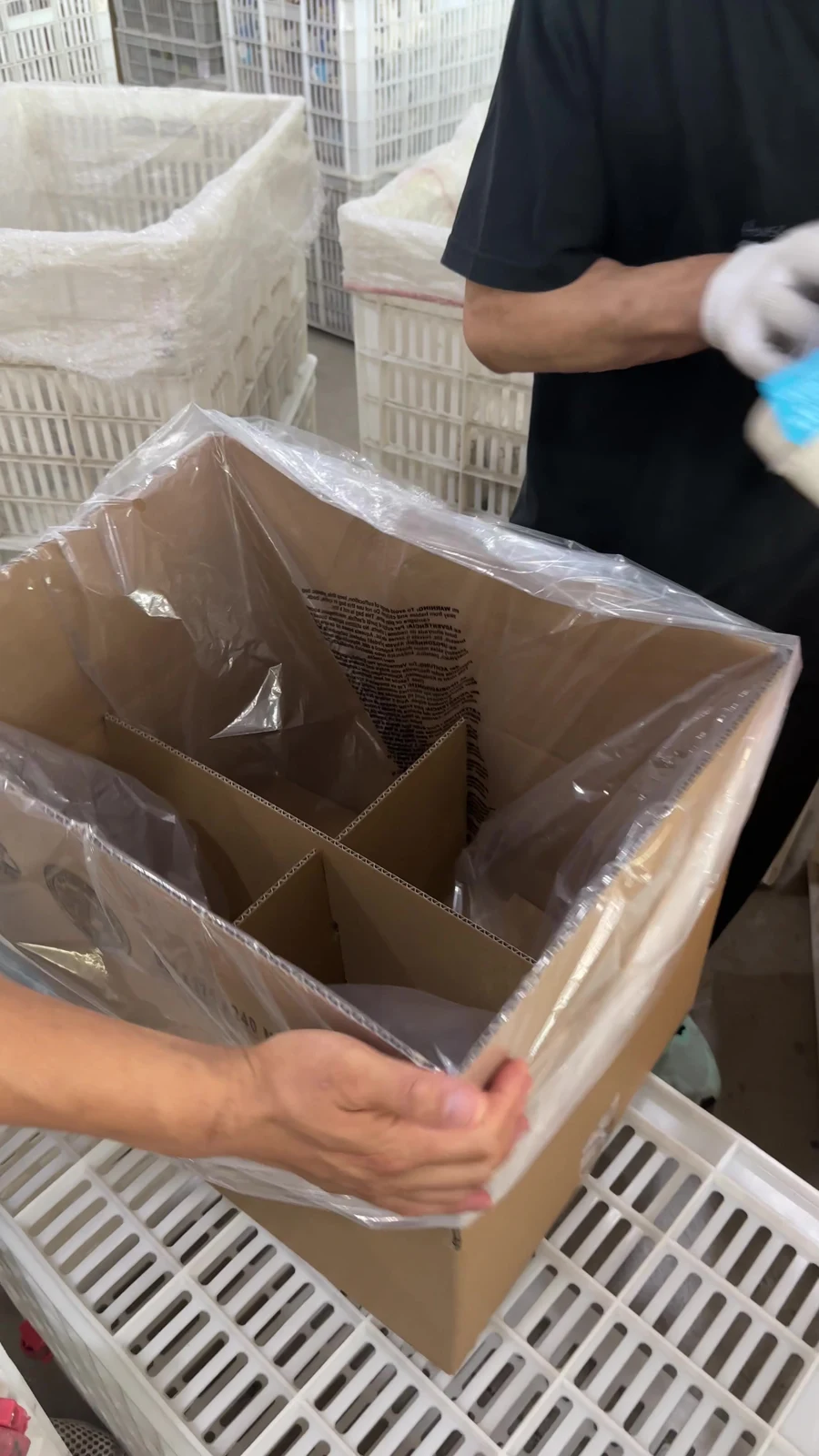
Share box artwork, size labels, carton marks, and packing instructions. Plan the color and size assortment alongside the footwear order, then confirm the packaging details before shipment.
Changes to the last, outsole shape, or tread may require new components, additional development, or tooling. Before that work begins, we’ll clarify the proposed changes, costs, and tooling arrangements.
Send your reference or design, playing surface, target market, size range, and estimated quantity.
Review materials, construction, branding, development scope, quotation, and sample arrangements.
Check fit, upper flexibility, outsole construction, color, and logo execution. Record required revisions.
Confirm the approved sample and written specifications, then agree on the production plan.
Follow up on agreed inspections, packing details, quantities, and export preparation.
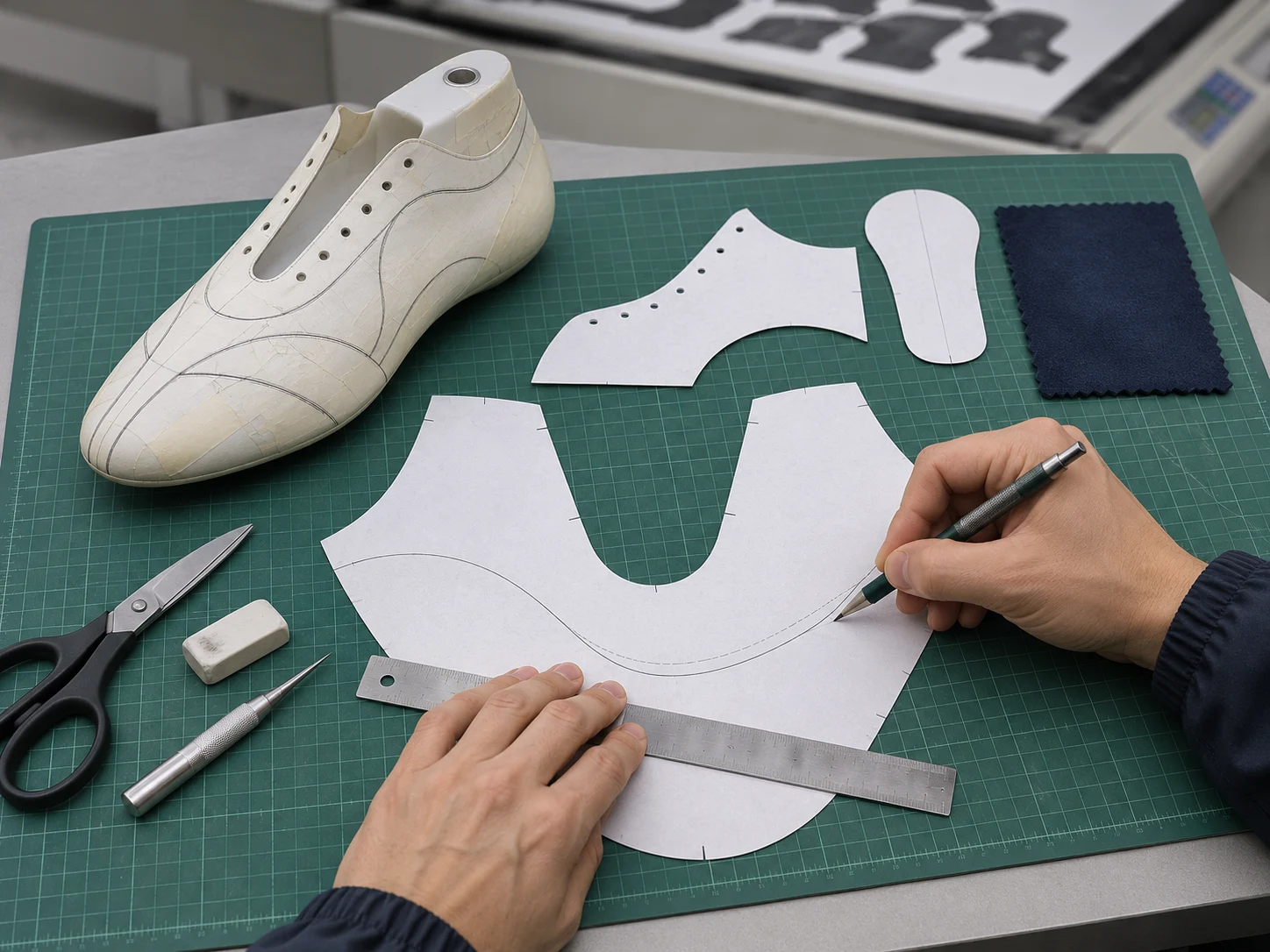
You can begin with a tech pack, a reference sample, sketches, or a short description. Before sampling, we work with you to define the materials, construction, size range, colors, and branding. For men’s, women’s, youth, or wide-fit projects, we assess the proposed last, upper, and outsole before confirming the development scope.
When you review the complete sample, check toe space, forefoot width, heel hold, closure adjustment, and underfoot feel.
Record each requested change and its location. The approved sample and agreed specifications become the reference for bulk production. Sample timing, revisions, and any testing arrangements are confirmed for your project.
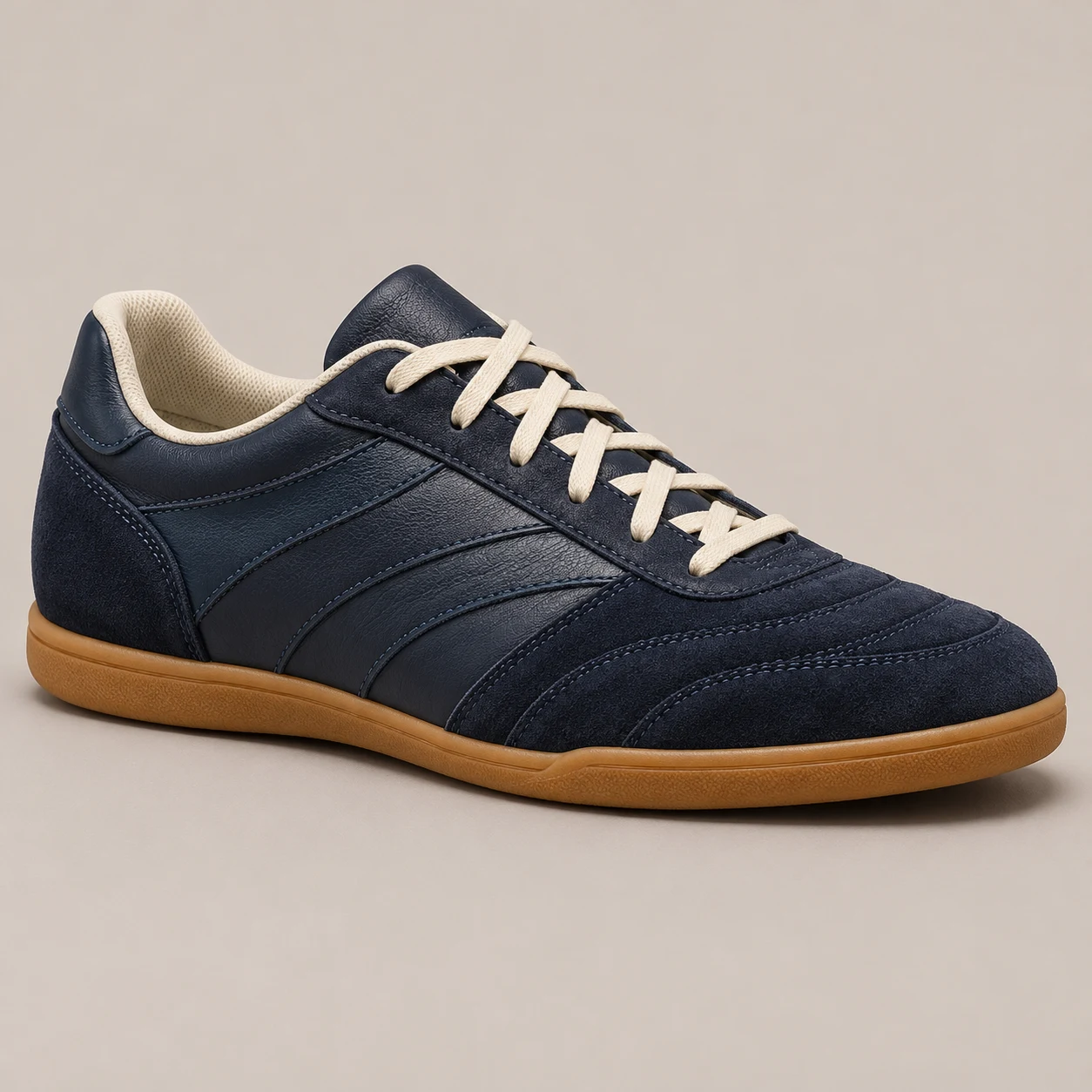
Once the sample and specifications are approved, we coordinate the production plan around your order quantity, material availability, and packing requirements.
Share your target delivery window, destination, size assortment, and branding requirements early. MOQ, sample fees, production timing, and delivery arrangements are confirmed after reviewing the project scope.
The approved sample and agreed specifications provide the reference for bulk production and the inspection scope we agree with you.
Review upper materials, color consistency, logo execution, and visible finishing against the approved reference.
Include size markings, pairing, stitching, and finishing in the agreed review scope. Confirm the sizing system for the order.
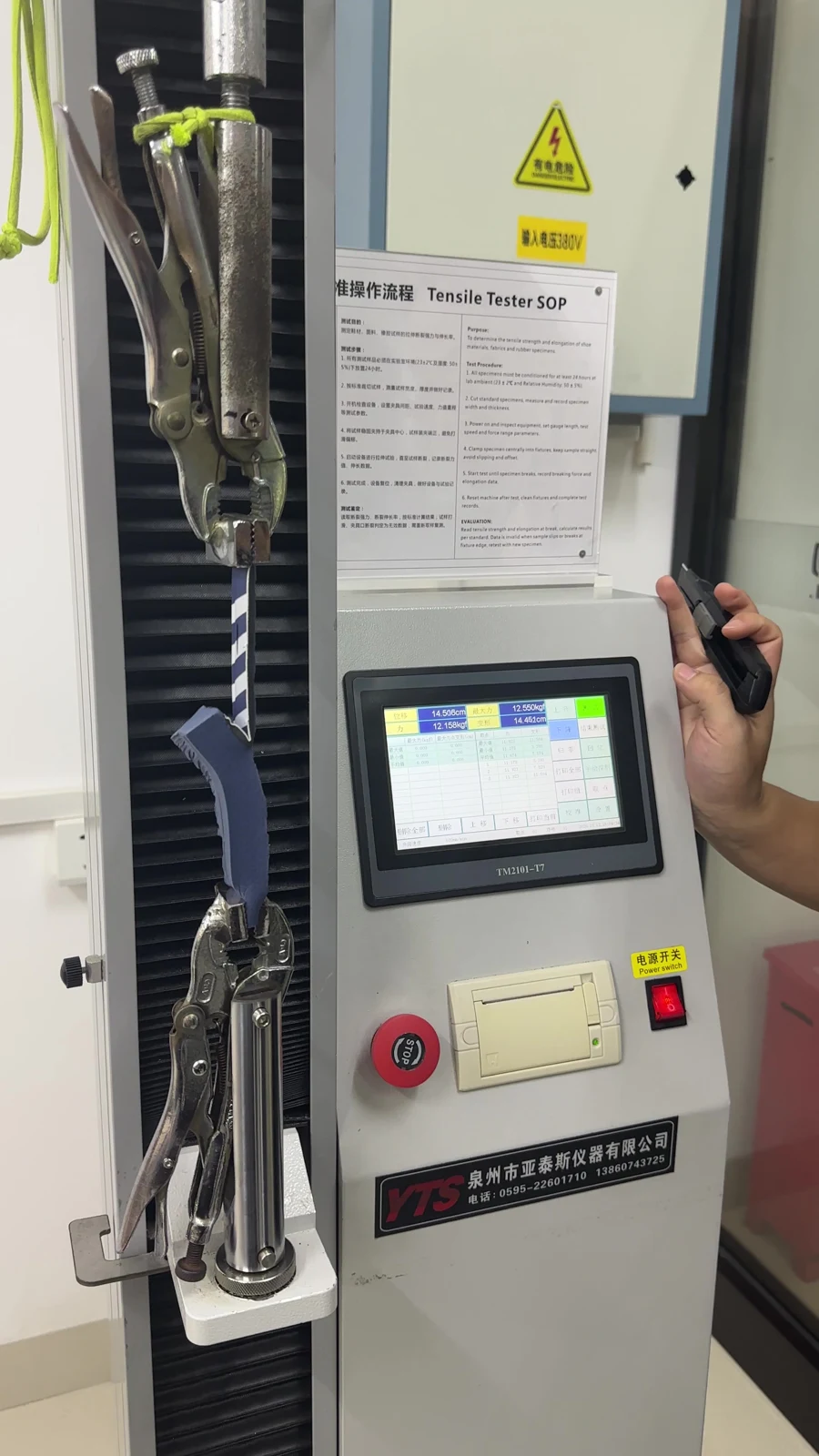
Discuss upper-to-outsole attachment and construction checks. Any performance testing needs an agreed method, scope, and acceptance criteria.
Check the agreed style, color, and size assortment, along with labels, boxes, carton details, and packing instructions.
If your venue requires non-marking footwear, include it in the brief. A rubber outsole or a particular sole color does not by itself demonstrate non-marking performance. We’ll discuss how to assess the selected outsole and sample; the outsole’s appearance alone is not a substitute for required performance testing.
We review your designs, references, proposed materials, and sample requirements, then identify the decisions needed to confirm the development scope.
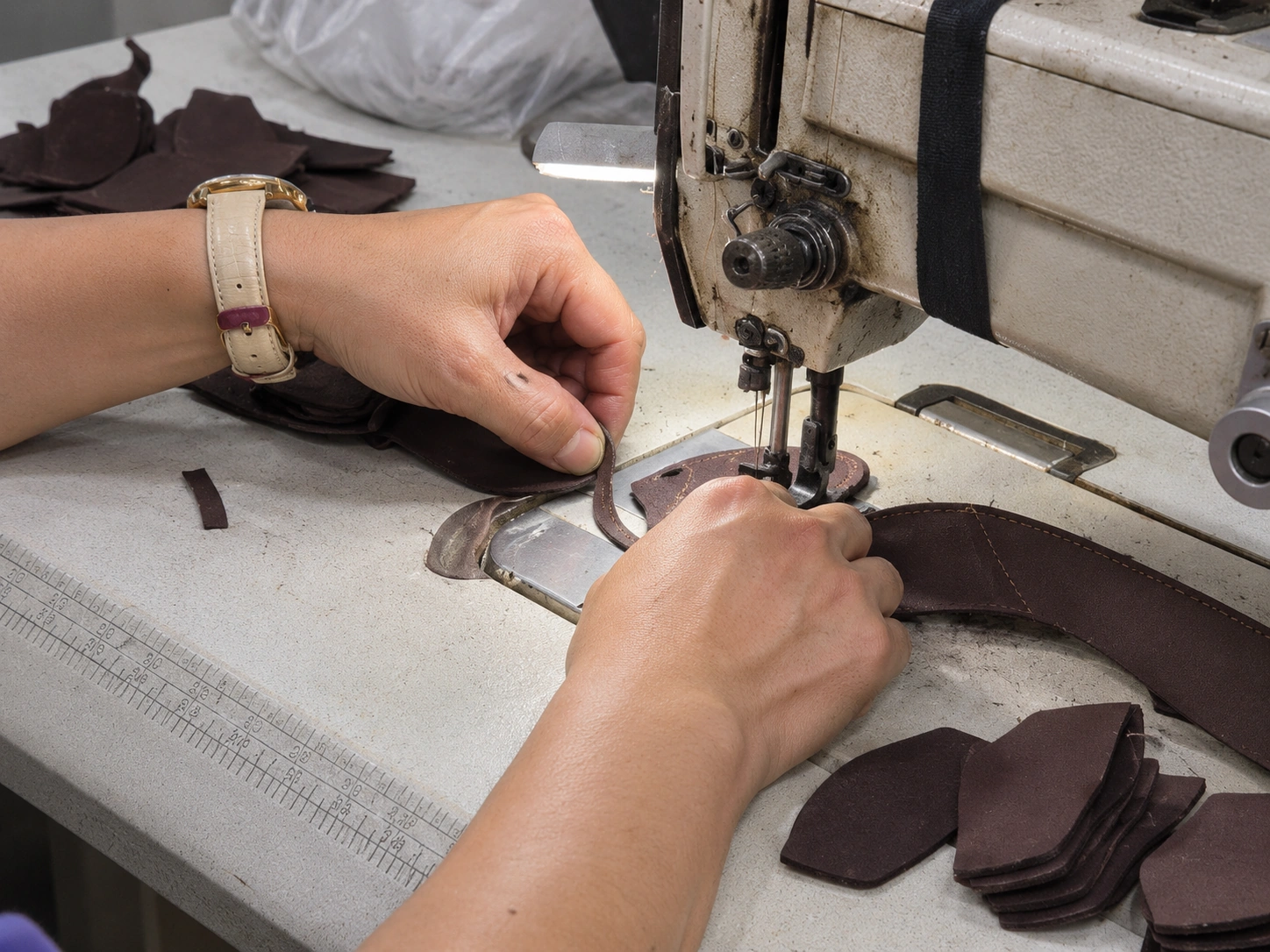
We coordinate production resources around the shoe construction, order quantity, material availability, and schedule. We confirm the production route for your project.
We coordinate sample approvals, written specifications, production follow-up, inspection requirements, and packing and delivery arrangements.
The terms often overlap for indoor hard-court shoes. However, indoor soccer can also mean play on indoor turf. Define the playing surface and outsole specification before choosing a reference shoe.
Do not assume turf shoes and hard-court futsal shoes are interchangeable. Turf styles commonly have small rubber studs, while hard-court styles use a relatively flat tread. Check the actual playing surface and the venue’s footwear requirements before choosing an outsole.
Tell us who will wear the shoes, your intended size range, and the sizing system you use. For a wide-fit project, explain where more room is needed. We’ll assess the last, upper, and outsole together before confirming what we can develop for your range.
Include the venue’s requirement in your brief. We’ll discuss how to assess the selected outsole and sample against it. The material name or sole color alone does not establish non-marking performance.
MOQ depends on the style, materials, customization, and color and size breakdown. Lead time depends on the development scope, component availability, revisions, and production schedule. Both are confirmed for your project.
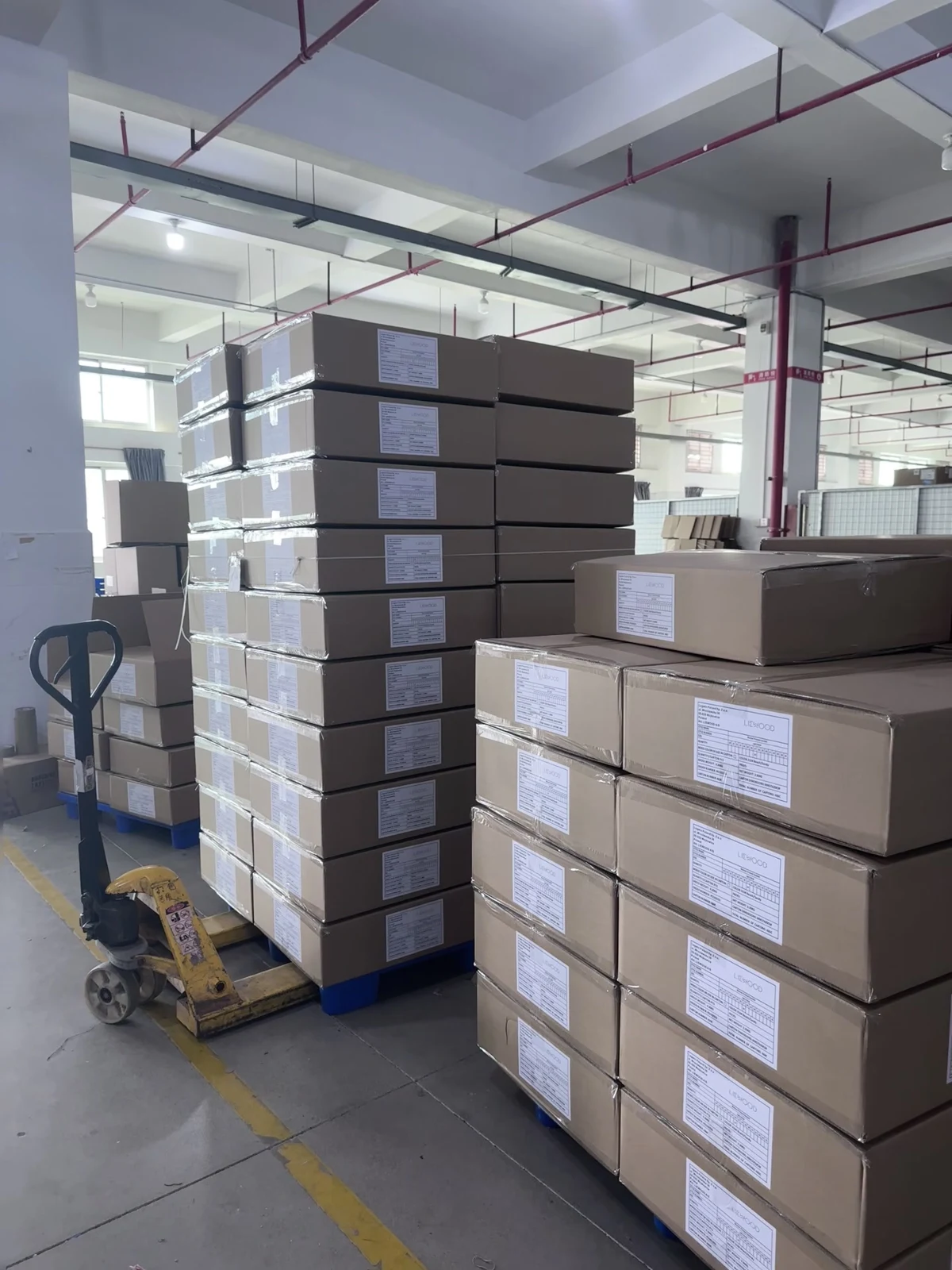
Share your artwork, color references, and requested changes. We first check whether an existing construction can support them. Changes to the last, outsole, or tread may involve new components or tooling.
They are starting points for a development discussion. They do not confirm stock, an existing mold, exact materials, or tested performance. We’ll review feasibility and agree on the specifications before sampling or production.
Send your reference sample, design, or product direction, together with the intended playing surface, size range, estimated quantity, branding and packing details, and target timing. You can start with the information you have.
Tell us about the indoor soccer shoes you want to develop. We’ll review the information with you and identify the next steps.
Tell us about your footwear project. Share your requirements and our team will review your inquiry.