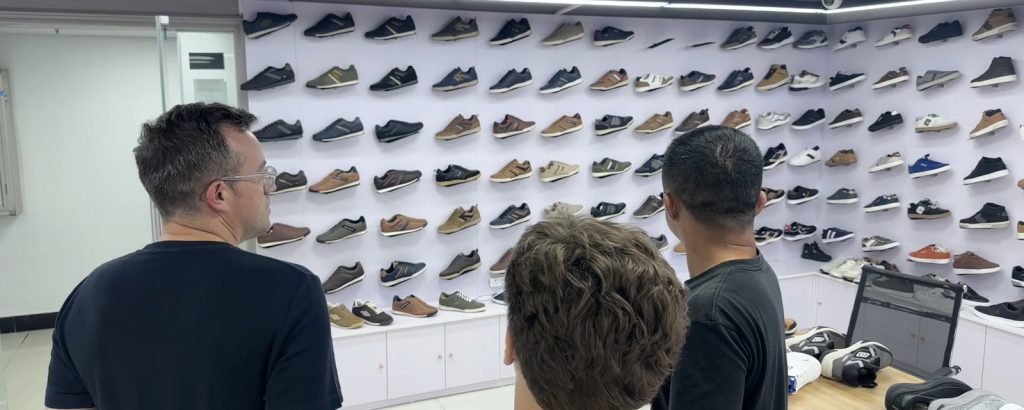
To find a shoe manufacturer, start with your shoe type, development stage, and expected order quantity. Use targeted searches, footwear directories, trade shows, and referrals to build a shortlist. Then check each company’s experience with similar shoes and who will handle development and production.
Compare quotes for the same specifications and quantities, and review samples against your brief. Use those findings to decide which manufacturers are worth pursuing.
Define Your Shoe Project Before You Search
Before contacting manufacturers, put what you already know into a short project brief. Give each company the same information so you can compare its response.
Include:
- Shoe type and use: for example, a lace-up sneaker for everyday wear.
- Design references: sketches, reference shoes, sample photos, or a tech pack containing drawings and specifications. Explain what you want to keep or change.
- Product requirements: your initial preferences for materials and soles, size range, fit references, colors, and branding.
- Order plan: estimated pairs by style and color, your target purchase price per pair, and your intended delivery window.
Separate confirmed requirements from open decisions. If you have chosen the upper material but need advice on the sole, say so. Keep estimates clearly marked.
You can begin with an early idea. Ask whether the company can provide the development support you need and what it requires before quoting or sampling. A sketch gives the discussion a starting point; before production, you will need agreed specifications that the manufacturer can work from.
Where to Look for Shoe Manufacturers
Search for the shoe you want to develop: “custom casual sneaker manufacturer,” for example. Add a country, state, city, or construction term when it matters to your project. Open each company’s pages and check whether it offers manufacturing, development, wholesale stock, or another service. Keep a record of where each name came from and why it seems relevant.
Footwear directories and B2B platforms can help you collect names and compare company profiles. On Alibaba, look beyond the product listing to the company information and available assessment reports. Use those details to decide what you still need to ask; the next section explains the capability checks.
Industry associations and trade show directories offer another route. APICCAPS, Portugal’s footwear industry association, provides member search filters for materials, construction, and shoe type. The Canton Fair’s official app lets you search exhibitors and products by industry and keyword. Confirm directly whether a listed company accepts the shoe type, development scope, and order size in your brief.
You can also ask footwear developers, designers, or material suppliers for introductions. Explain your project clearly so they know what kind of company you need. Review a referral against the same requirements you use for other candidates.
Once you have a shortlist, send each company the same brief. Ask whether it handles the shoe type and development work you need, and what additional information it requires. Keep its response with your project notes so you can compare specific answers as you narrow the list.
Check Capabilities and Production Responsibilities
Ask to see examples close to the shoe you want to make. For a mesh sneaker with a separate sole unit, ask about the upper construction, sole sourcing, and assembly route. Have the company explain which parts of that work it handled and how that experience applies to your design.
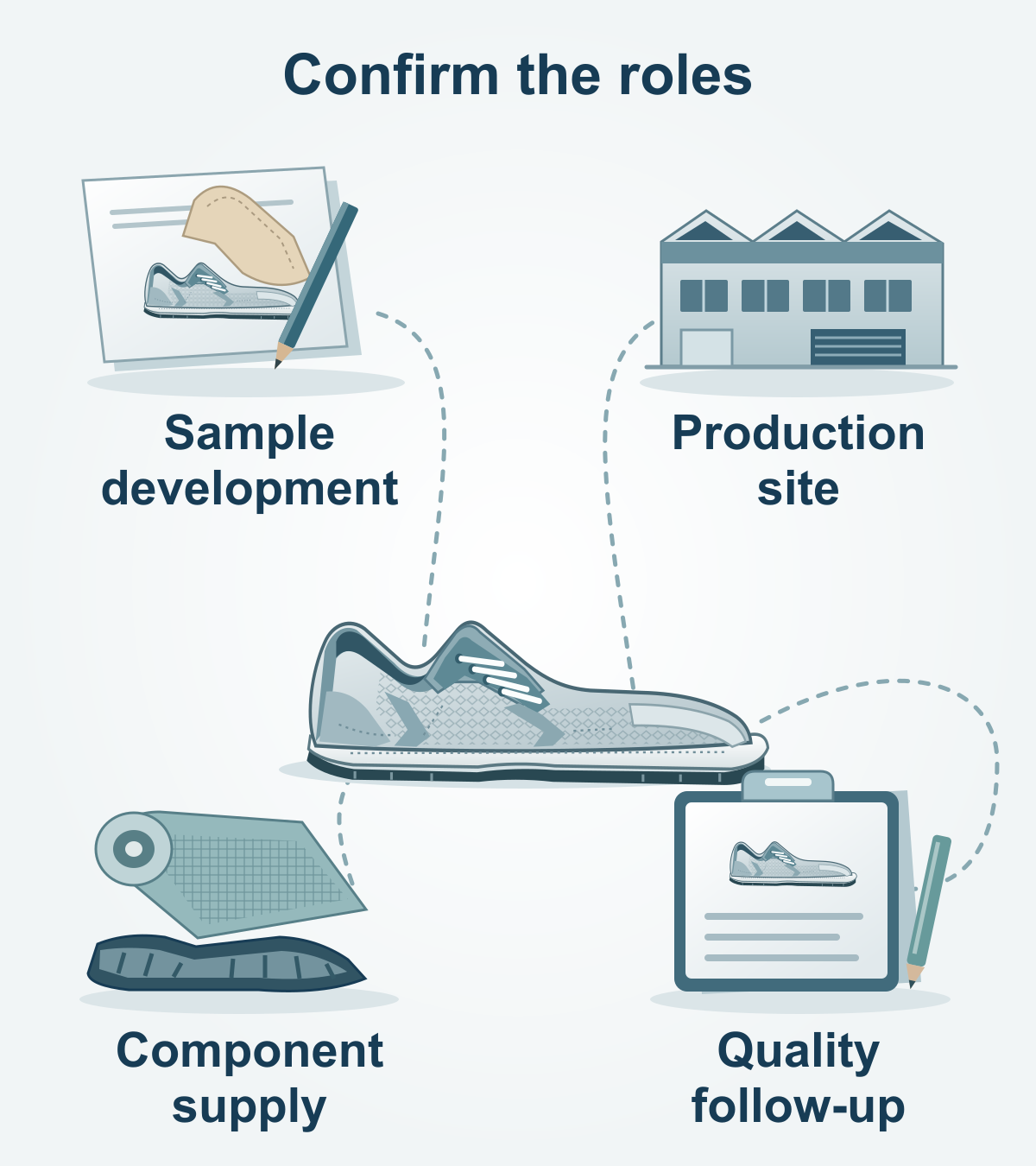
Next, establish who will do the work for your project:
- Who develops and revises the samples?
- Where will bulk production take place?
- Which components or operations come from outside suppliers?
- Who updates the specifications and follows up on quality issues?
Components may come from outside suppliers. Ask how those suppliers are coordinated and who handles changes to materials or construction. Establish each company’s role, whether it is a manufacturer, trading company, or development partner.
If you are reviewing an Alibaba Verified Supplier, open the available assessment report. Check the company and site it covers, its date, and the sections relevant to production capabilities, quality control, and subcontractors. The program can include manufacturers, trading companies, or businesses combining both roles. If the proposed production site differs from the assessed site, ask for information about the actual location. Follow up on how the reported capabilities apply to your shoe.
Clarify any gaps in the replies or documents. If a company names previous clients or displays their logos, ask what work it did for them. When client details are confidential, request relevant samples, process information, or other evidence it can share.
Compare MOQ, Quotes, and Timelines on the Same Basis
When two manufacturers give you different numbers, check the assumptions behind them. A useful comparison starts with the same shoe specification and order breakdown.
MOQ Conditions
Ask what the minimum order quantity applies to. Is it per style, per color, or tied to a material or component? Use the style, color, and size breakdown from your brief when you ask which conditions affect the minimum.
If the minimum is above your planned order, ask whether another configuration is feasible. Have any proposed change to colors, materials, or components reflected in a revised quote.
What the Quote Includes
Request a breakdown showing the price per pair and any separate development, sample, tooling, or packaging charges. Check whether sample revisions, any required testing, and delivery are included or quoted separately. Record unresolved items alongside the price.
Compare the material and construction requirements behind each offer. If a lower quote uses a different sole or omits a cost, ask for a revised quote on the agreed basis. State the intended destination and clarify where the quoted delivery responsibility ends.
Timeline and Approval Stages
Ask when the estimated timeline starts and which stages it includes: development, sample revisions, material preparation, production, inspection, and shipping.
Ask how your order quantity and delivery window fit into the factory’s current workload.
Identify what still needs your approval or a supplier’s confirmation. Ask how a material change or another sample round would affect the schedule, and who will update you. Compare those conditions alongside the dates. Apply the same questions to local and overseas manufacturers.
Review Samples Before Moving Toward Production
Start by asking what the sample is intended to demonstrate. An early appearance prototype and a sample made with proposed production materials may answer different questions. Review the relevant appearance, construction, and fit details against your brief, and record the changes you want.
Once you approve a sample, record its version and the corresponding specifications. Confirm the size range, quantities, colors, and packing instructions for the whole order. Ask how any later material or construction change will be reviewed before it is used in production.
Agree how bulk goods will be inspected and what test results are needed for your shoe. A sample review, a batch inspection, and a laboratory test address different questions. Define the checks against your shoe’s materials, construction, intended use, and destination market.
Bring the findings from your shortlist together:
| Question | Evidence to Request | Next Action |
|---|---|---|
| Can it make a comparable shoe? | Similar samples and construction details | Confirm relevant experience |
| Who will do the work? | Production location and assigned responsibilities | Clarify gaps or changes |
| Are quotes comparable? | Matching specifications, quantities, and itemized costs | Resolve exclusions |
| What remains before production? | Sample version, specifications, and open issues | Agree the next approval |
For each candidate, record one next step: continue, request more information or revisions, or stop and note why. Resolve any critical gaps before treating the comparison as complete.
FAQ
Do I need to visit a shoe factory in person?
Not necessarily. Start with what you need to verify and which important questions remain unanswered. A video tour can help you discuss the facility, but it only shows what is presented. If you cannot visit, ask who will check the factory or goods, what the check covers, and what evidence you will receive. A factory assessment and a product inspection serve different purposes. Use the remaining gaps to decide whether a personal visit or an appropriate third-party check would help.
Can one company develop my samples while another makes the bulk order?
It may be possible, but confirm the handoff before committing to either team. Ask which specifications, development files, and tools can be provided and used by the receiving factory. Have that factory review the materials, construction, and available tooling rather than assume it can reproduce the sample unchanged. Confirm whether it needs another sample round, a revised quote, or a new schedule. Record any unresolved changes and who will approve them. Having a finished sample alone does not establish that everything needed for production can transfer.
Conclusion
Start with a clear brief, then use relevant channels to find companies that may fit your shoe project. Compare their capabilities, responsibilities, quotes, and samples against the same requirements.
Before moving forward, list what you have confirmed and what still needs an answer. Use that list to plan your next conversation. If you are developing a sneaker, share your brief and open questions with HEVA Sport to discuss the support you need.