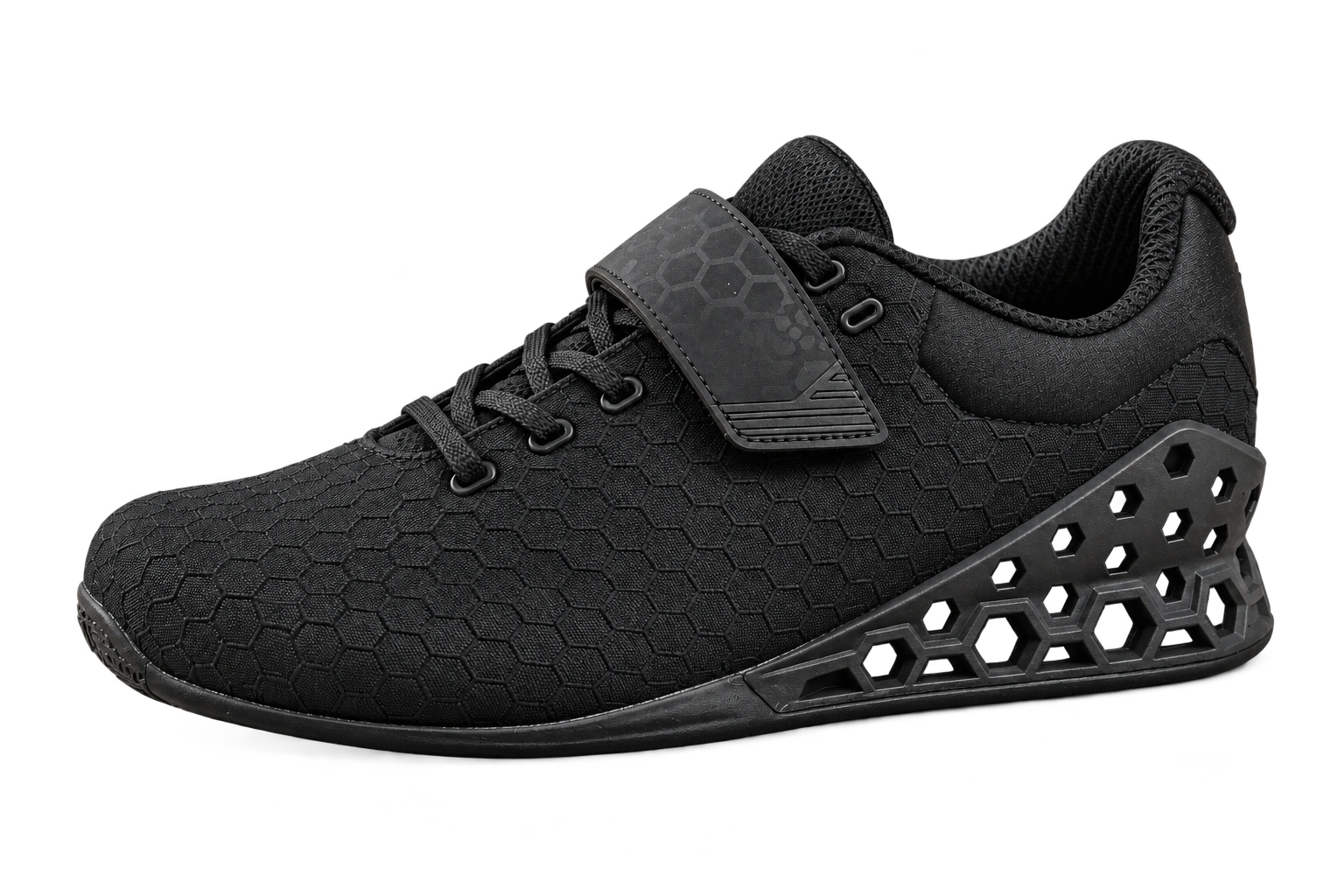
Weightlifting Shoes Manufacturer
Develop raised-heel weightlifting shoes around your intended lifts and fit requirements. Whether you’re planning Olympic weightlifting shoes or a squat-focused style, you can start with a reference sample, sketch, or product brief.
HEVA supports OEM and ODM footwear projects through development, sampling, production coordination, and delivery preparation. We’ll review your proposed construction and identify the specifications to settle before sampling.
Specify the Heel, Platform, and Fit
A useful development brief goes beyond appearance. Define how the shoe should fit, how the foot should sit on the platform, and how the upper should hold it in place.
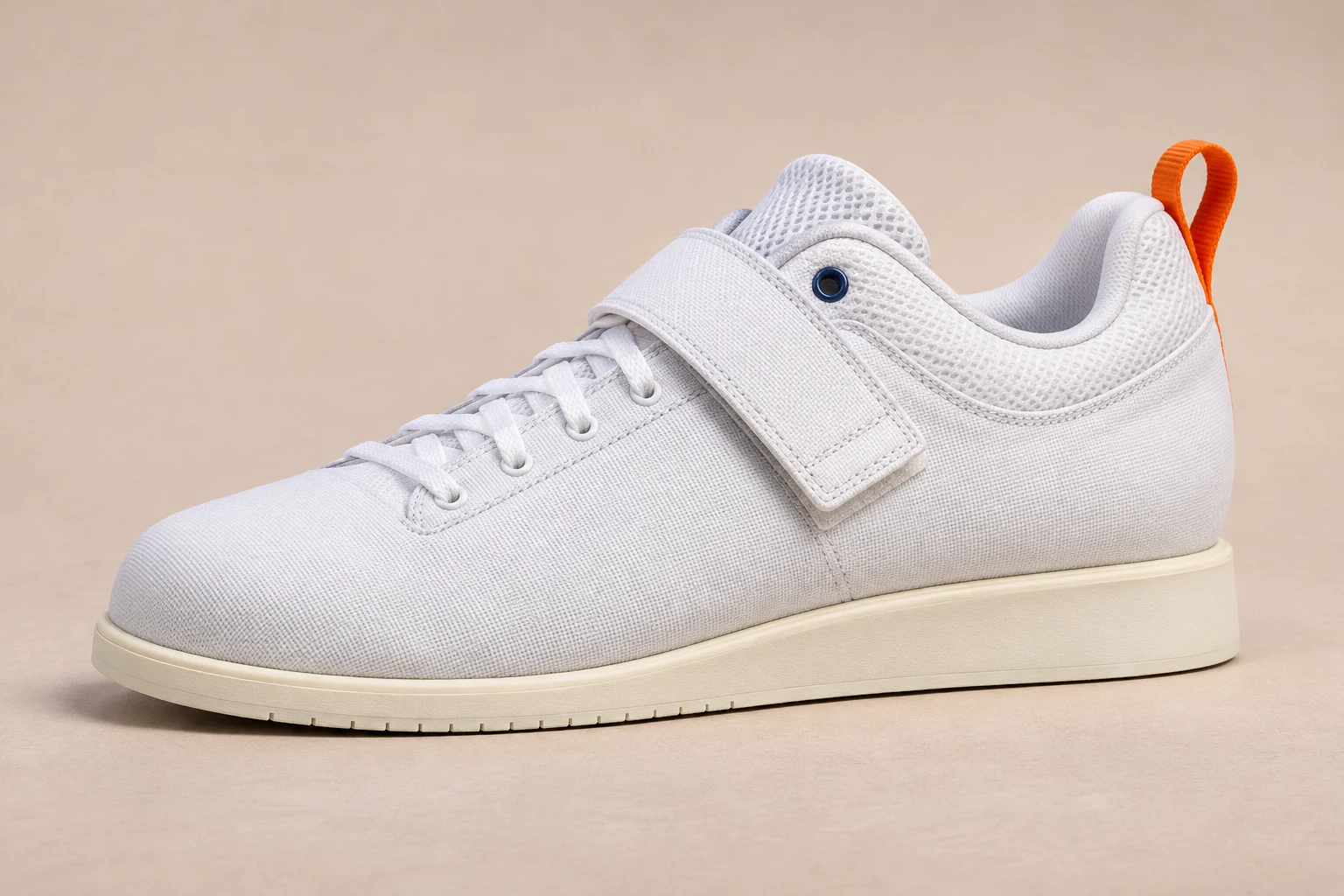
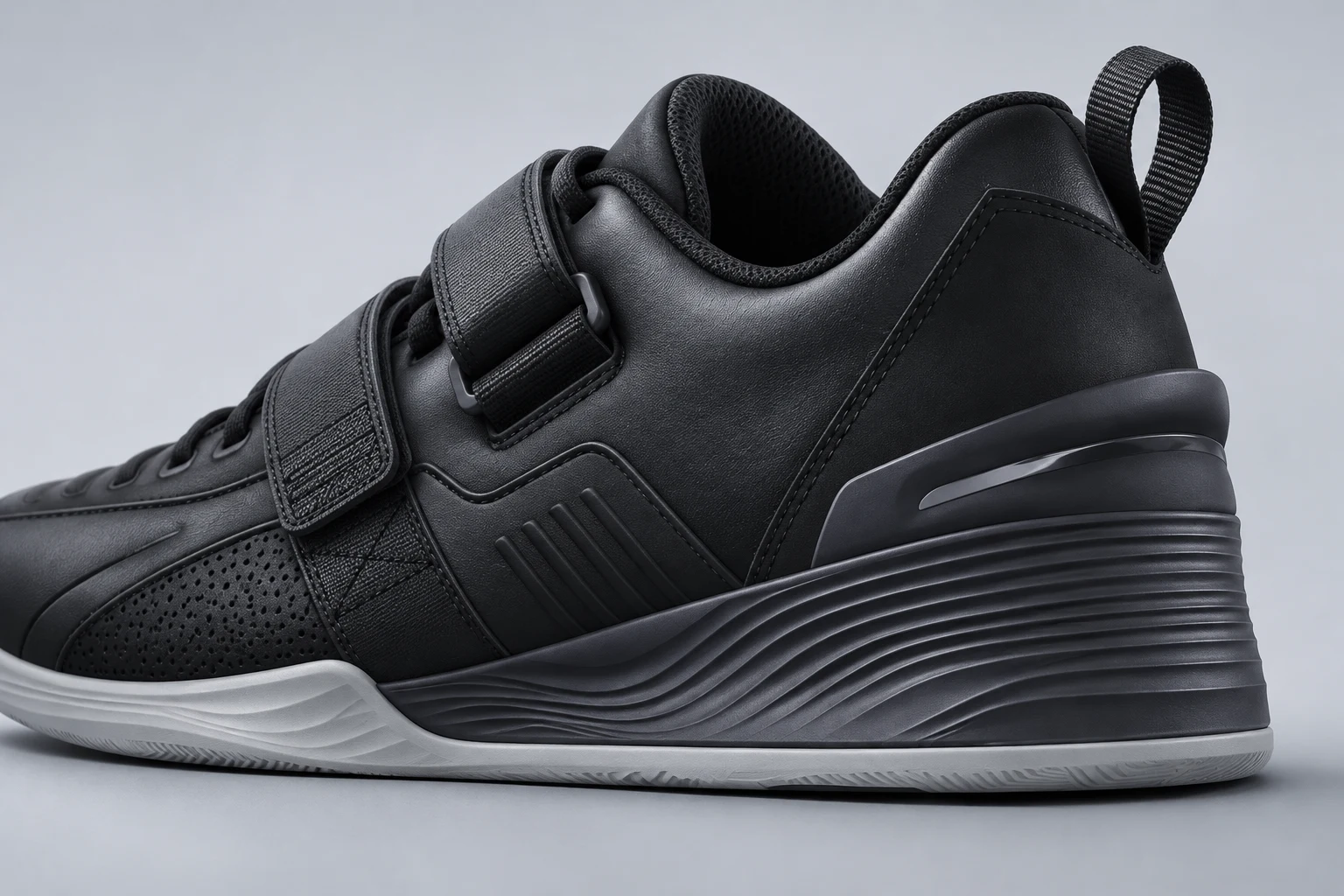
Heel Height and Heel-to-Toe Drop
Heel height and heel-to-toe drop describe different measurements. Drop is the difference between the heights beneath the heel and forefoot; a heel measurement alone does not tell you that difference. Record both heights using an agreed measurement method so the reference shoe, drawings, and sample can be compared consistently.
Choose the target geometry around the intended lifts and fit requirements. A higher heel is not automatically the right choice for every project. If you have a reference shoe, explain what you want to retain or change about its heel elevation and fit.
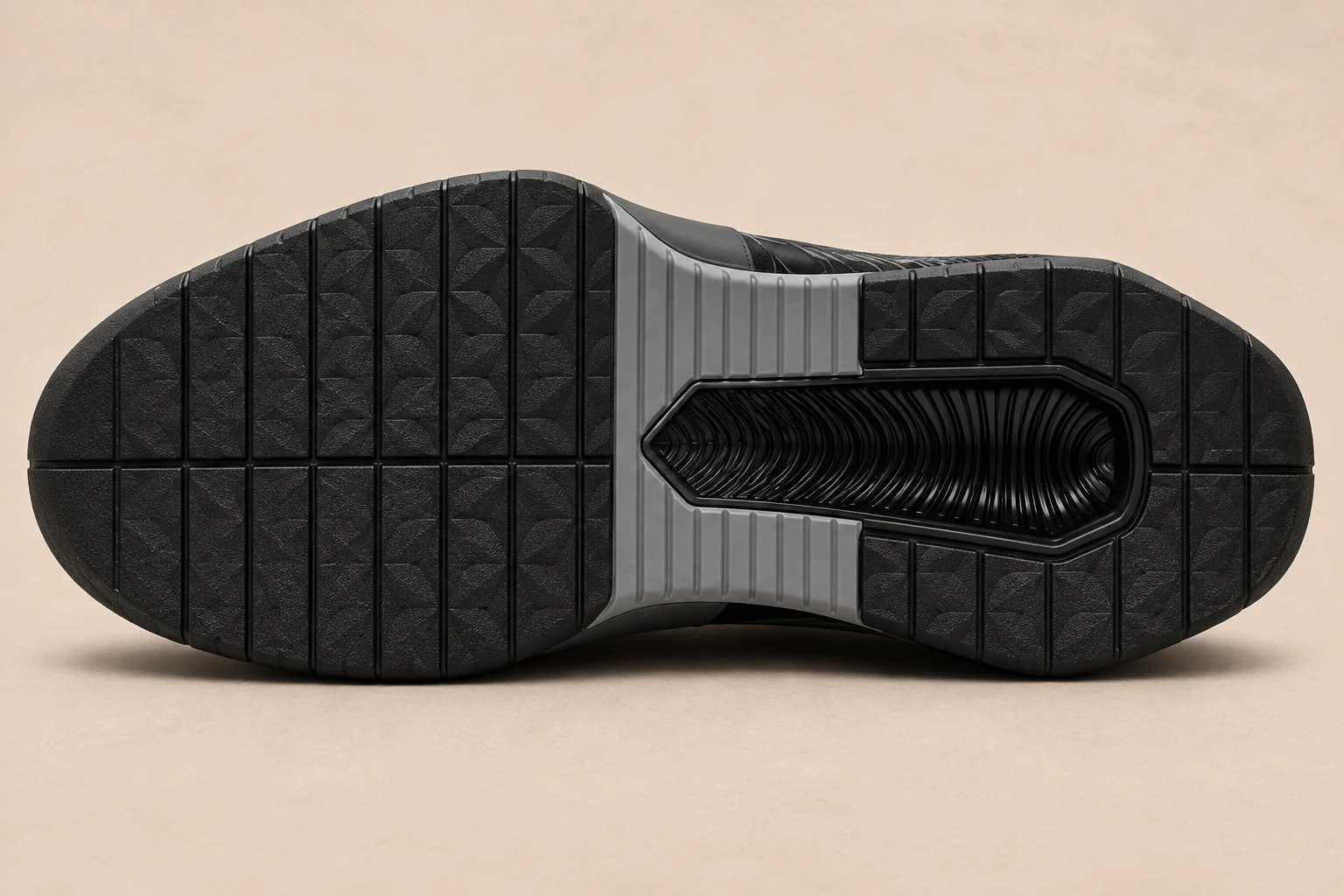
Platform and Outsole
Consider the platform’s shape, firmness, and ground contact together. Sole width alone does not tell you how the shoe will feel under load. The material, construction, and support around the foot also need attention.
For development discussions, identify the intended training surface, desired platform feel, outsole coverage, tread pattern, and grip requirements. These details help define the sample and any testing requirements, rather than relying on a general request for “more stability.”
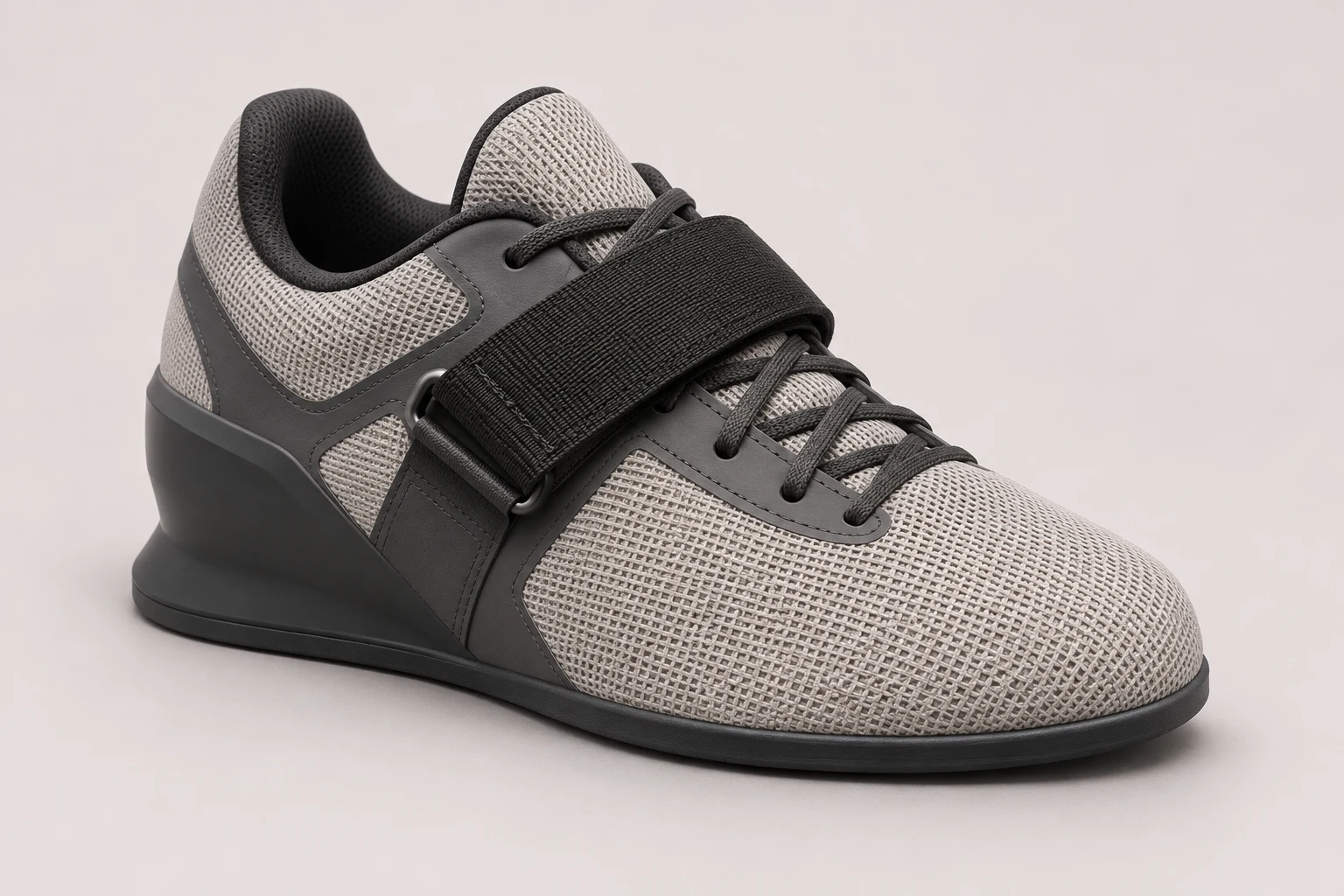
Last Fit and Foot Lockdown
The last—the form that shapes the shoe—sets the starting point for fit. Define the toe space, midfoot volume, heel fit, and size range you want before refining the upper. If a wide toe box is part of your brief, define the forefoot width and toe space alongside the midfoot and heel fit.
Laces and straps should work with that shape. During sample fitting, review heel movement, pressure across the instep, and whether the closure has enough adjustment. Record the size tested and where the fit needs changing so feedback can guide a specific revision.
Choose Materials, Colors, and Branding
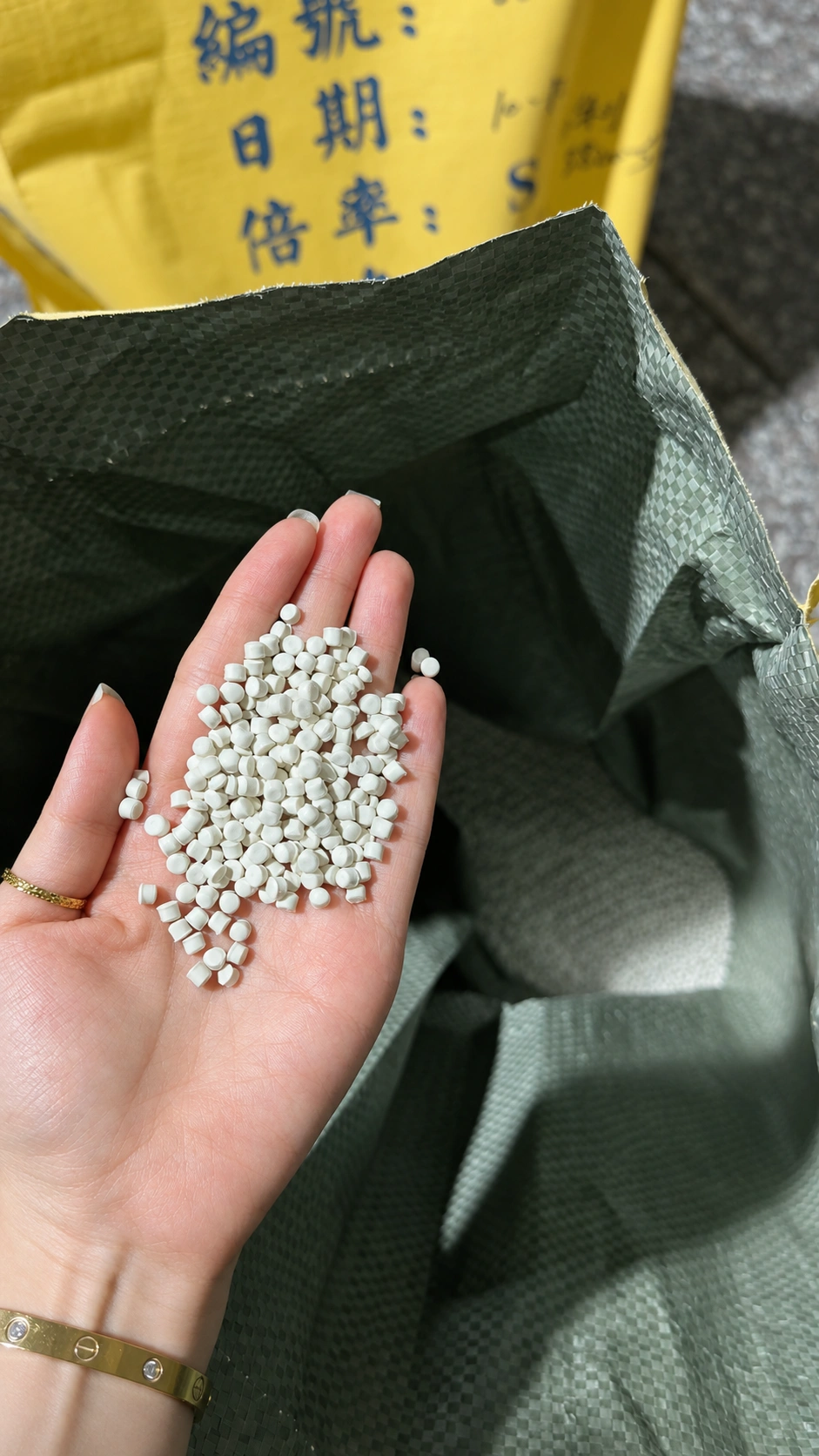
Start material selection with the construction: where does the upper need to hold its shape, where is flexibility needed, and how will the sole components work together? We review your material direction against the proposed design, sourcing options, and target cost before confirming the development scope.
Your brief for custom weightlifting shoes can cover colorways, logo placement, upper panels, strap details, size labels, and packaging. Surface graphics and platform geometry involve different development work.
For your private label project, we’ll clarify which details can be adapted within a suitable construction and which require further development or tooling—before you commit to samples, materials, or molds.
Develop and Refine Your Sample
You can begin with your own specifications or an early product idea. For an OEM project, we review your design and identify the technical details still needed. For an ODM project, we work from your brief to assess a suitable development direction.
Before sampling, we align the intended use, size requirements, material direction, branding, and construction details. If the project requires new tooling, we discuss its scope, cost, and approval steps alongside the sample plan.
Use the sample review to turn preferences into clear decisions. Compare the heel and platform geometry, fit, closure adjustment, upper-to-sole connection, colors, and logo placement with the agreed requirements. Tie each comment to the sample version you reviewed so the requested changes are clear.
We coordinate revisions and confirm the approved specifications with you before bulk production. Sample timing and revision arrangements are agreed for the project.
Plan Bulk Production and Quality Checks
The approved sample and written specifications provide the reference for your order. HEVA coordinates production planning and follow-up with suitable partner factories, based on the construction, materials, quantity, and delivery requirements.
For your lifting shoe project, we discuss the inspection points that matter to the selected design, including:
- Specified dimensions, size identification, and consistency between pairs.
- Lace or strap placement, attachment, and adjustment.
- Upper-to-sole connections, finishing, and visible assembly details.
- Colors, logos, labels, packaging, and order quantities.
Tell us about required tests or documentation before sampling so they can be included in the project plan. Inspection methods and acceptance criteria are agreed for the order. We also coordinate packing checks and export preparation against your shipping requirements.
Weightlifting Shoe Development FAQ
What makes weightlifting shoes different from general training shoes?
Raised-heel weightlifting shoes combine an elevated heel with a firm platform and a secure fit for dedicated lifting and squat work. General training shoes cover a broader mix of movements. Specify the exercises you want the shoe to support so we can assess the construction. Barefoot lifting shoes and other zero-drop designs call for a different construction brief from the raised-heel shoes covered here.
Can weightlifting shoes be used for running?
These dedicated raised-heel shoes aren’t intended as running shoes. If your collection needs footwear for both running and lifting, tell us at the start. That calls for a different training-shoe brief and construction review.
Are raised-heel weightlifting shoes suitable for deadlifts?
A raised-heel shoe and a flat deadlift shoe are different product directions. The choice depends on the intended use and the lifter’s preferences. If deadlifting is the main focus, define that requirement separately rather than assuming a squat-focused design will suit it.
How should weightlifting shoes fit?
Aim for a secure heel and midfoot, with room for the toes without the foot sliding inside the shoe. Tightening the closure should not create uncomfortable pressure or compensate for a poorly matched last. Use sample fitting to check movement, pressure, and adjustment instead of applying a blanket rule to size down.
Can I develop weightlifting shoes for men and women?
You can submit a brief for men’s or women’s weightlifting shoes, or both. We’ll review the intended size range, fit requirements, and construction to assess the last and tooling needs. Available development options are confirmed for your project. For the US market, agree on the size labels and reference measurements used for sample approval.
Can I start with a reference shoe or sketch instead of a tech pack?
Yes. A reference sample, sketch, or product brief can start the discussion. Explain which features matter to you and what you want to change. We’ll identify the missing specifications and define the development work before sampling.
What are the MOQ and lead times for a weightlifting shoe project?
MOQ and timing depend on the construction, materials, color and size range, tooling needs, and order plan. We confirm sampling, revisions, and bulk production timing separately. Share your expected quantity and target delivery window so we can review the project conditions with you.
Discuss Your Weightlifting Shoe Project
Send the reference or design information you have, along with the intended lifts, size range, estimated quantity, and target timing. You don’t need every specification settled to begin. We’ll review the brief, clarify the development questions, and establish the basis for a quotation and sample plan.