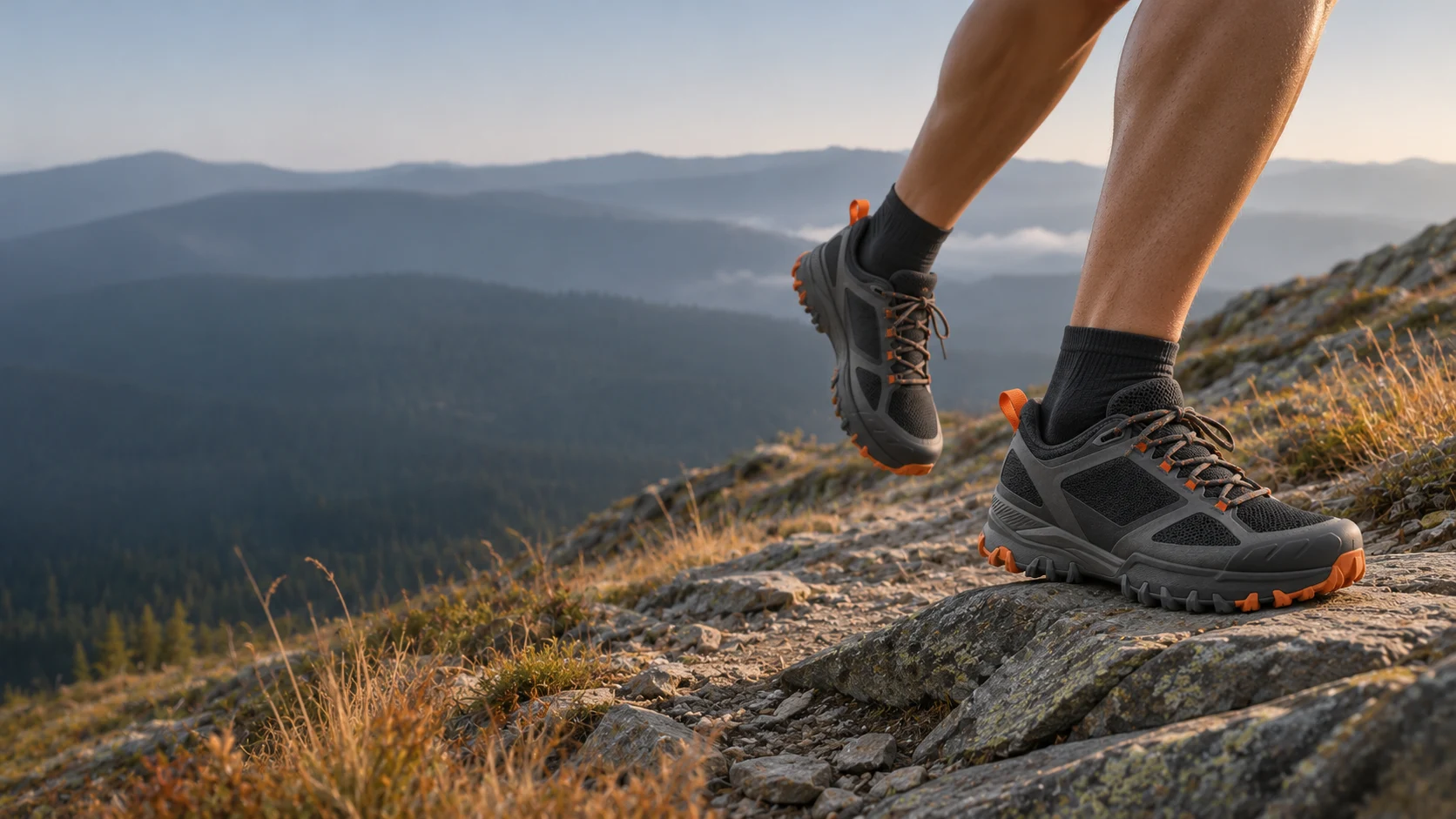
Private Label Trail Running Shoes Manufacturer
Develop trail running shoes around the routes your customers use. Bring a design, a reference sample, or an early product idea. HEVA helps you define the construction, customization, and sampling requirements for your brand.
For OEM and ODM projects, we coordinate development and production, work with suitable partner factories, and follow the order through shipment preparation. The starting point is your intended use, target market, and order plan.
TRAIL RUNNING
01 — 07
Define Your Trail Running Shoe Range
Start with the terrain and the role each shoe will play in your range. The directions below can help shape your brief; suitable styles and construction options are assessed for your project.
01
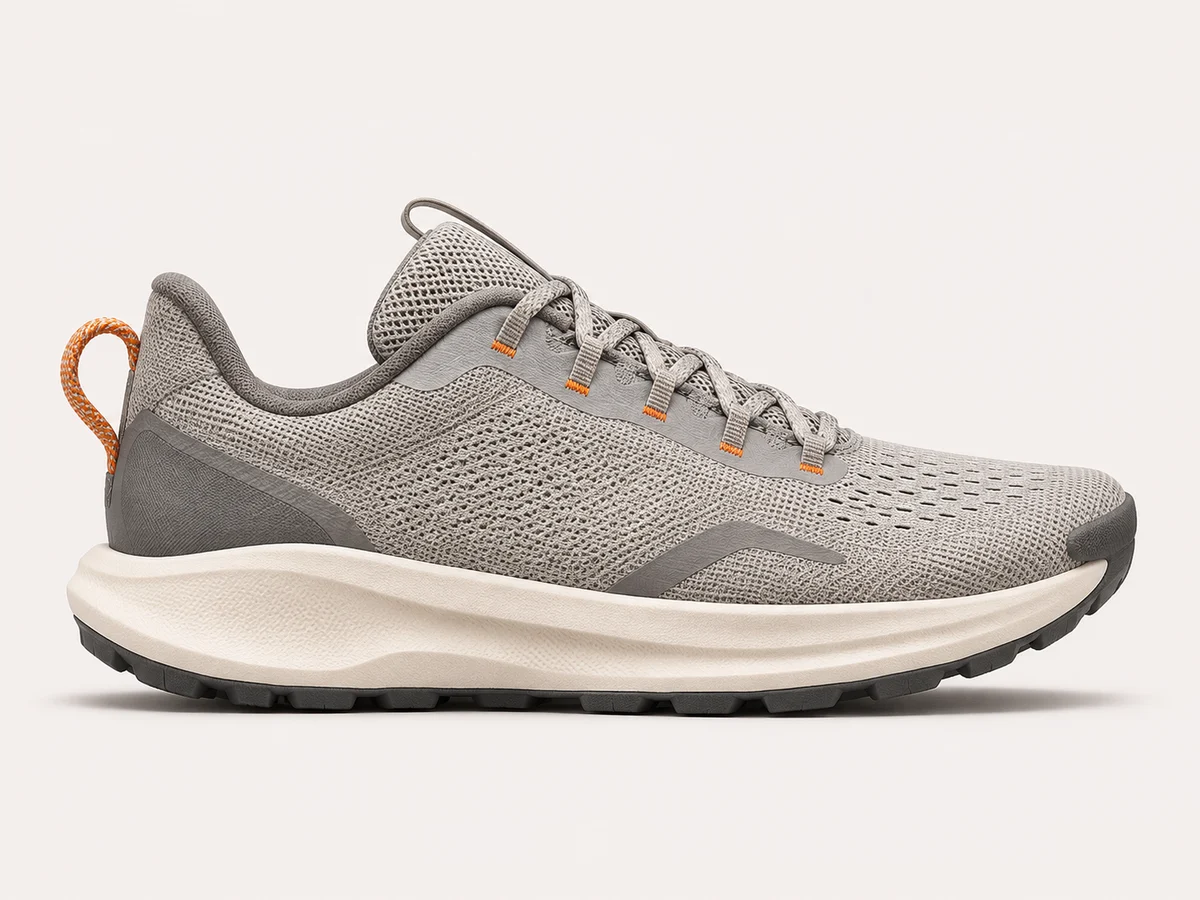
Light Trails
For park paths, maintained dirt trails, and everyday off-road runs, consider how the upper, outsole, and cushioning work together. Discuss breathable materials, reinforcement where you need it, and the fit you want to achieve. Specify the intended terrain and your weight target separately in your brief.
02
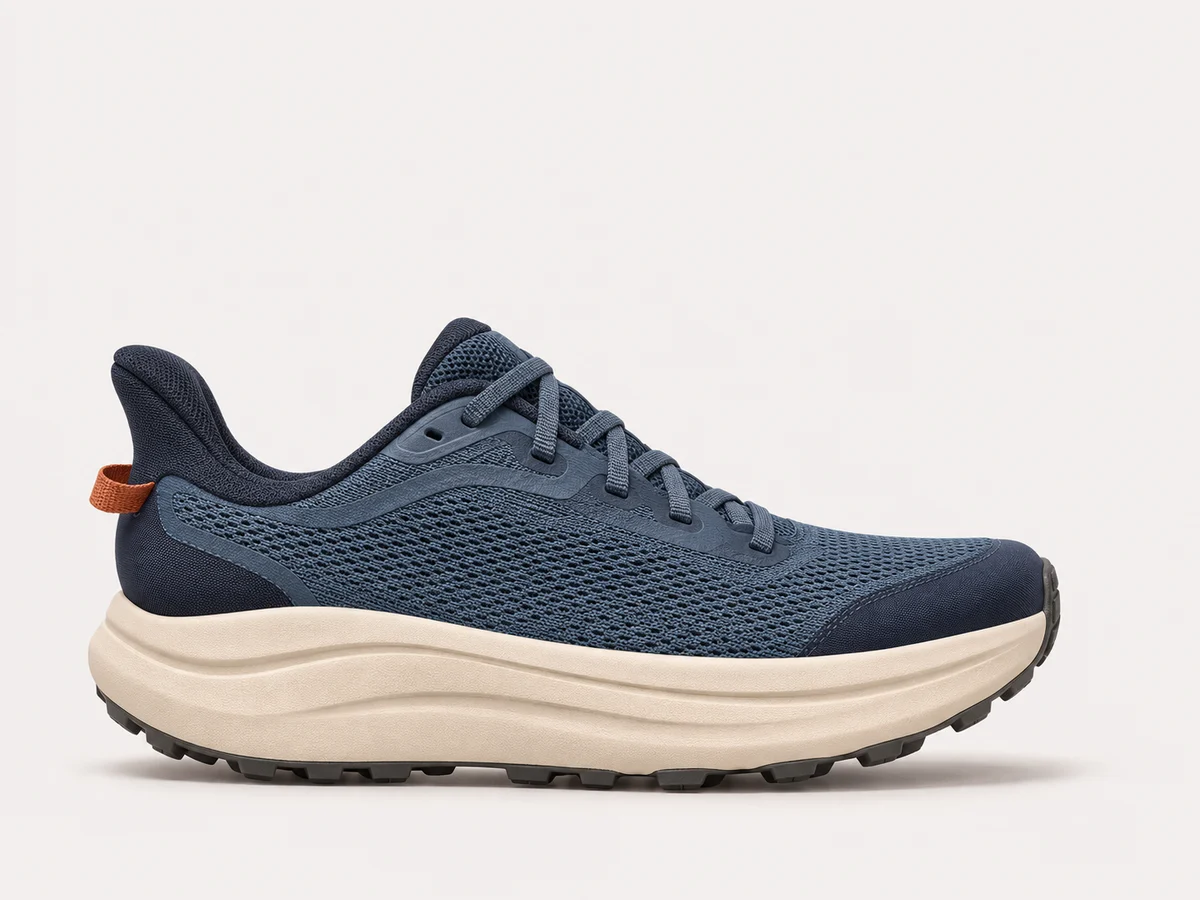
Road-to-Trail
If your customers run from pavement onto unpaved paths, describe how much of each surface they expect to cover. This helps guide discussions about outsole tread, cushioning, and underfoot feel. A reference shoe and feedback from the intended routes can help us narrow down the development requirements. If you’re also developing a range for paved routes, explore our road running shoes.
03
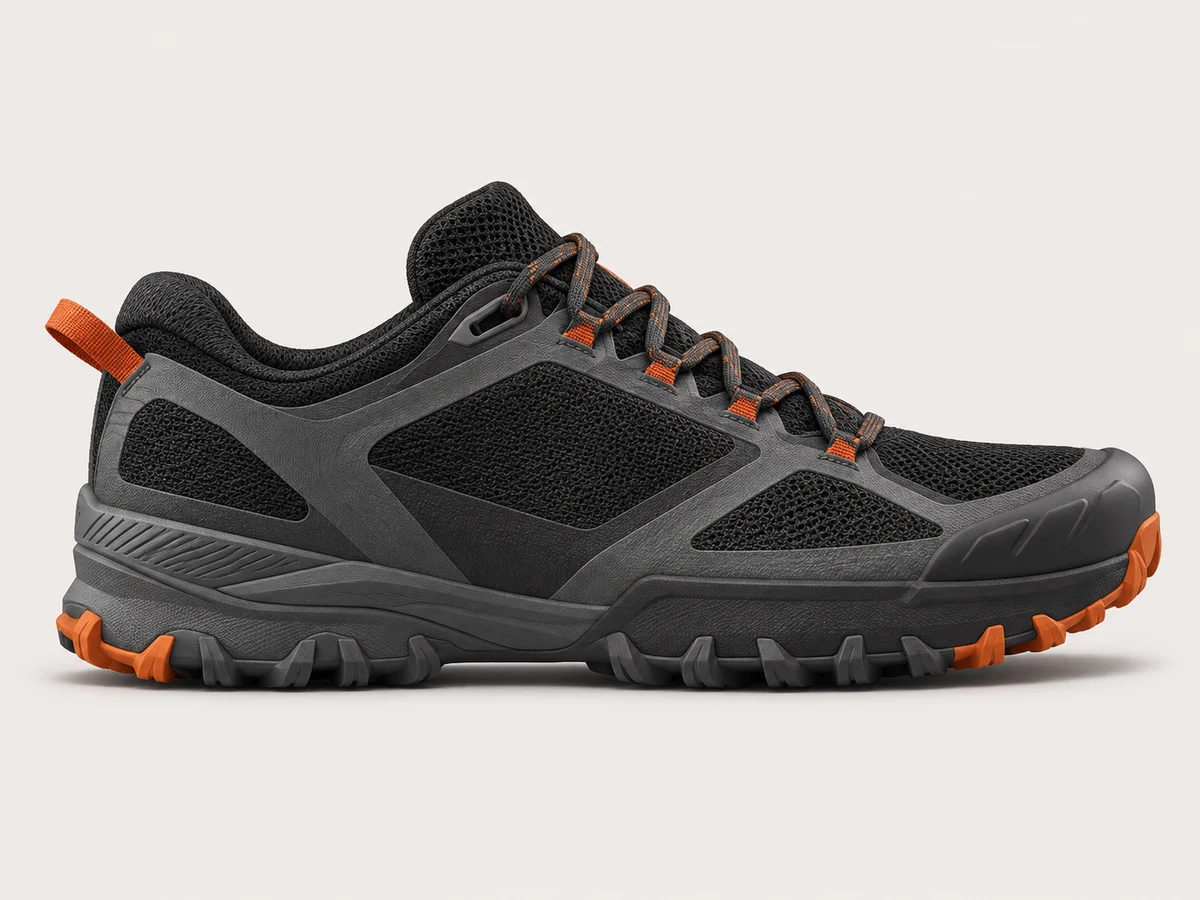
More Demanding Terrain
For rocky, loose, or uneven routes, explain the conditions that matter most. Outsole traction, upper reinforcement, toe protection, and a secure fit deserve specific attention. We’ll review the requirements and assess suitable construction options, along with any testing needed to evaluate the proposed shoe.
Customize Your Trail Running Shoes
Customization starts with the shoe structure you choose. We’ll review which changes can use existing components and whether a new sole shape or last would require new tooling.
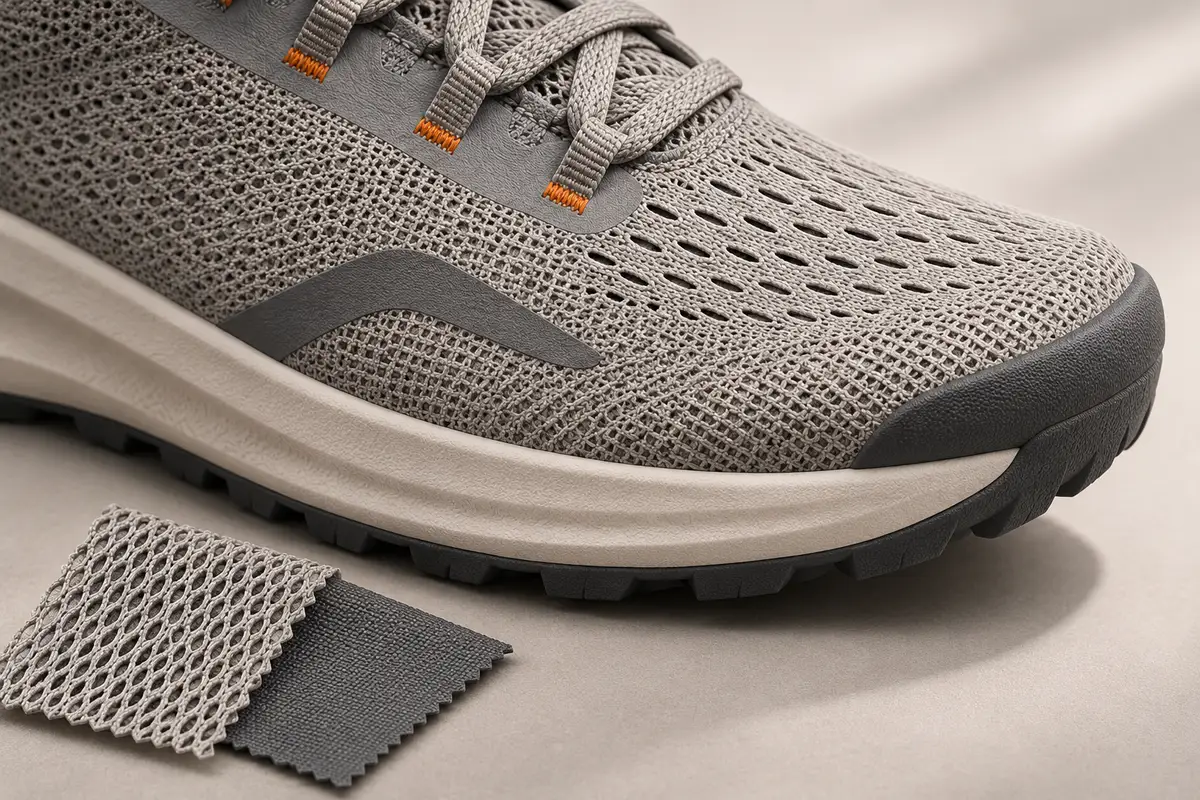
Upper Materials and Reinforcement
Discuss the material, panel layout, and reinforcement you want around the toe, sides, and heel. Tell us where breathability, coverage, or durability matters most for the intended use. We can then review the proposed changes against the shoe’s construction and available material options.
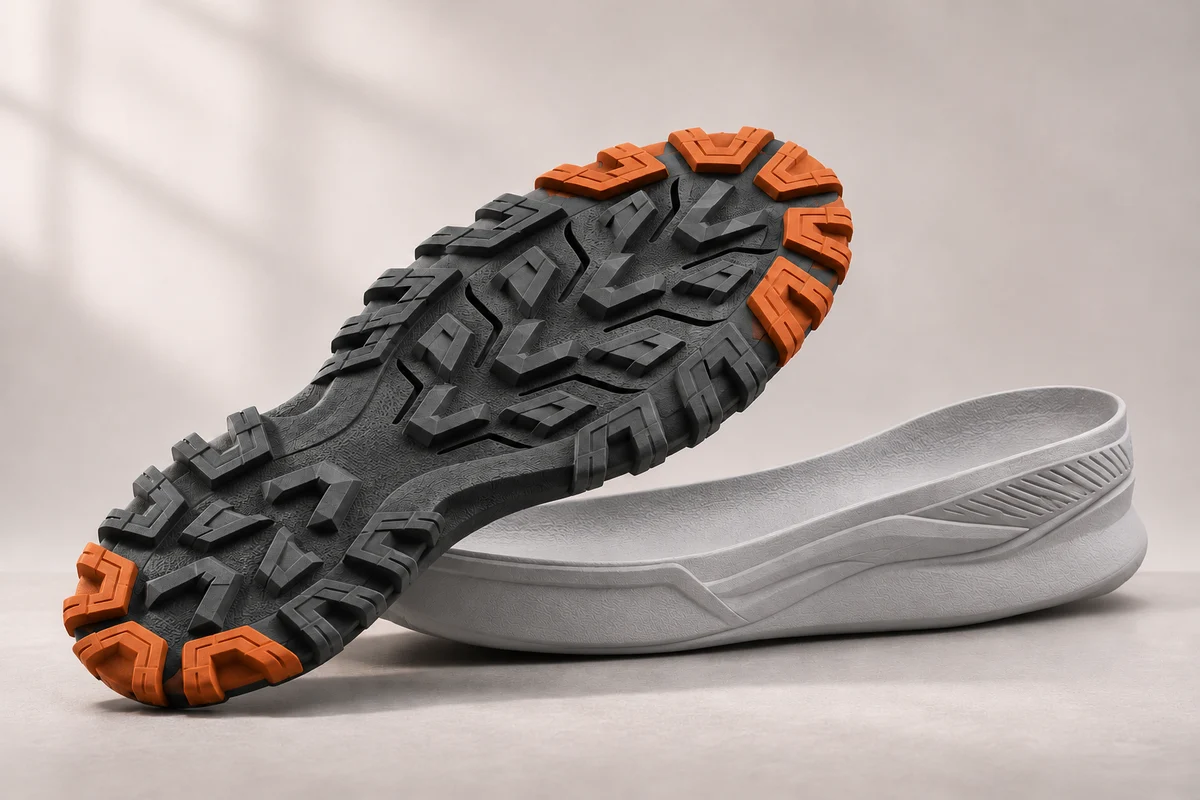
Sole and Cushioning
Use your terrain brief to discuss the outsole and the cushioning feel you want. For the outsole, discuss lug depth and spacing, rubber compound, and coverage in relation to the intended terrain. Consider these options alongside the midsole construction and weight target. We’ll assess the available sole options and identify whether the proposal calls for an existing unit or further development.
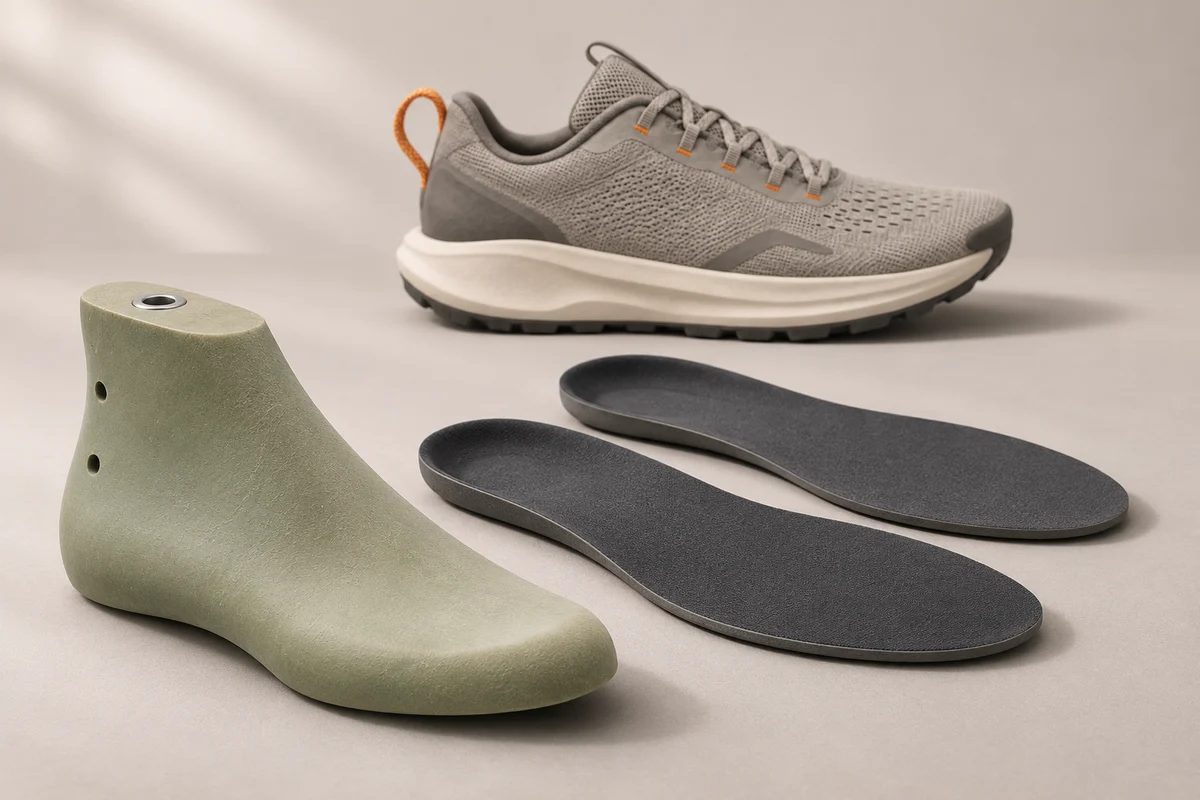
Fit, Sizing, and Insoles
Share your target size range, width needs, and any fit feedback from a reference shoe. These details help us review the last—the form that shapes the shoe—and its relationship with the upper and insole. Use the sample to check toe room, heel hold, and overall fit.
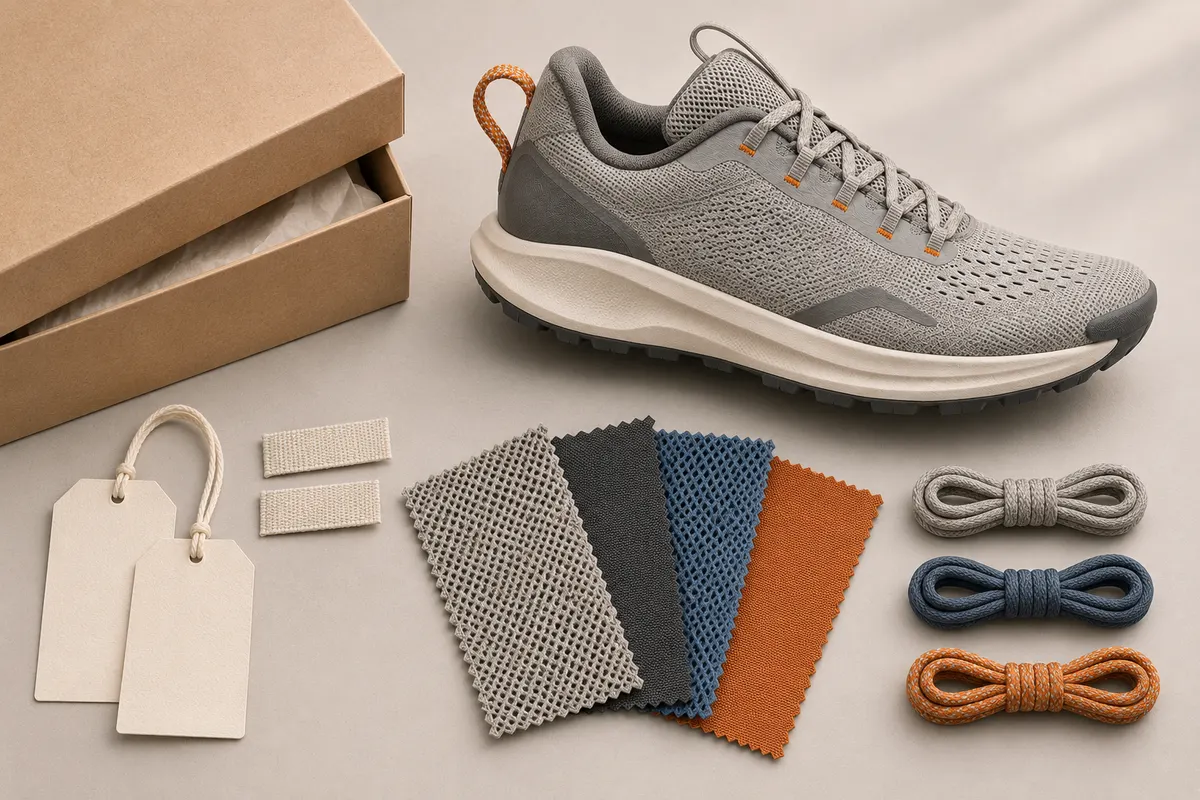
Color, Branding, and Packaging
Define your colorways, logo placement, labels, and finishing details. You can also discuss insoles, shoe boxes, hangtags, and carton markings. Keeping these requirements with the product specifications gives the sample and production teams a shared reference.
From Your Brief to an Approved Sample
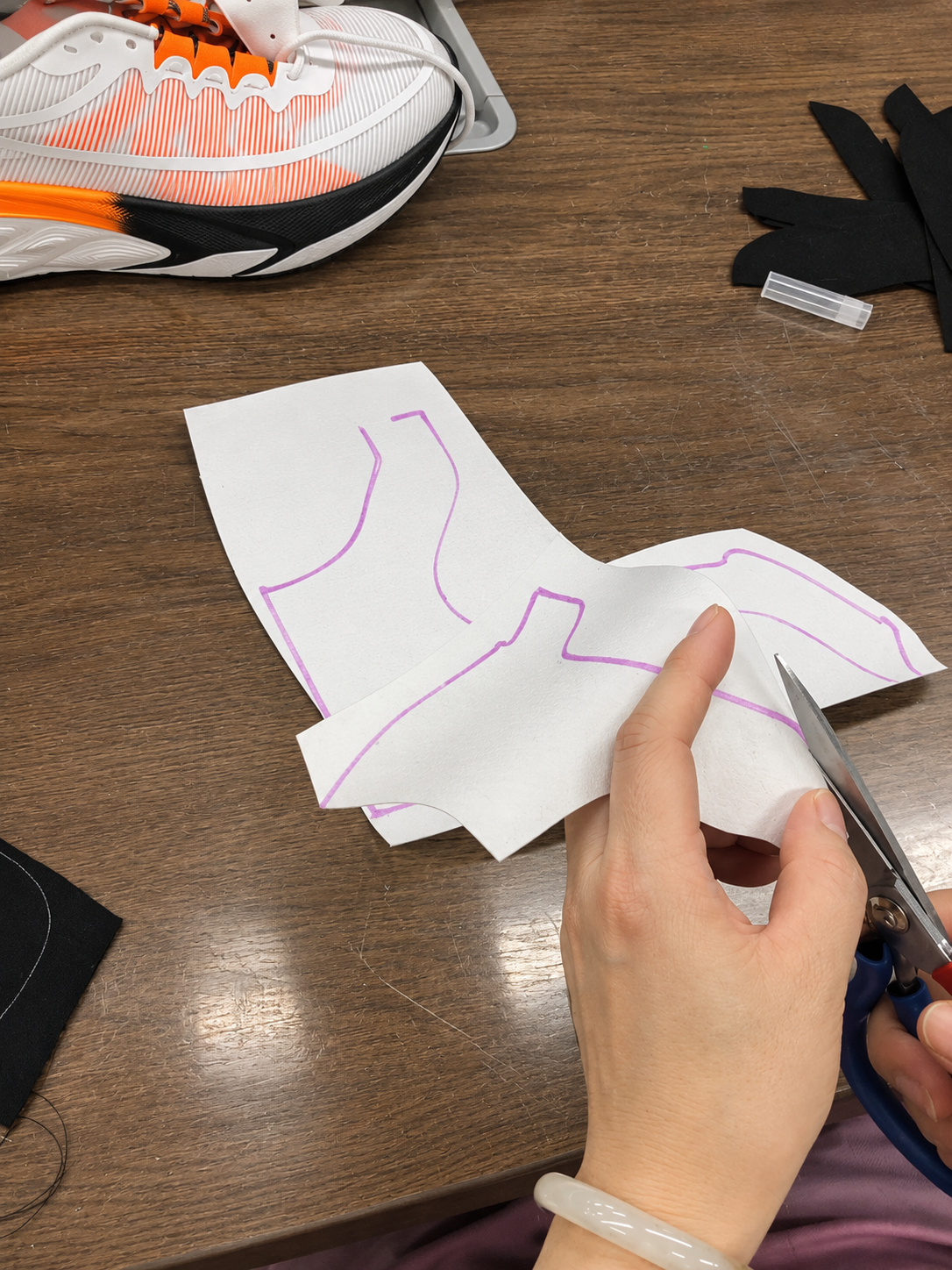
You can begin with a tech pack, sketch, physical sample, or style direction. If some decisions are still open, tell us what you know so far.
01
Share the project requirements. Describe the intended terrain and typical running distance. Include your target market, estimated quantity, and price target if you have one. Add the design references and customization details that matter to your brand.
02
Agree on the development scope. We review construction, materials, sizing, and tooling needs with you, then confirm the basis for quotation, sampling, and the proposed schedule.
03
Evaluate and refine the sample. Review appearance, fit, materials, construction, and brand details. Collect your feedback so we can agree on the necessary changes. Define any performance-testing requirements and arrangements separately.
04
Approve the production reference. Confirm the sample and the specifications that will guide the order, including materials, colors, sizes, branding, and packaging. Record agreed changes before production is coordinated.
Production and Quality Follow-Up
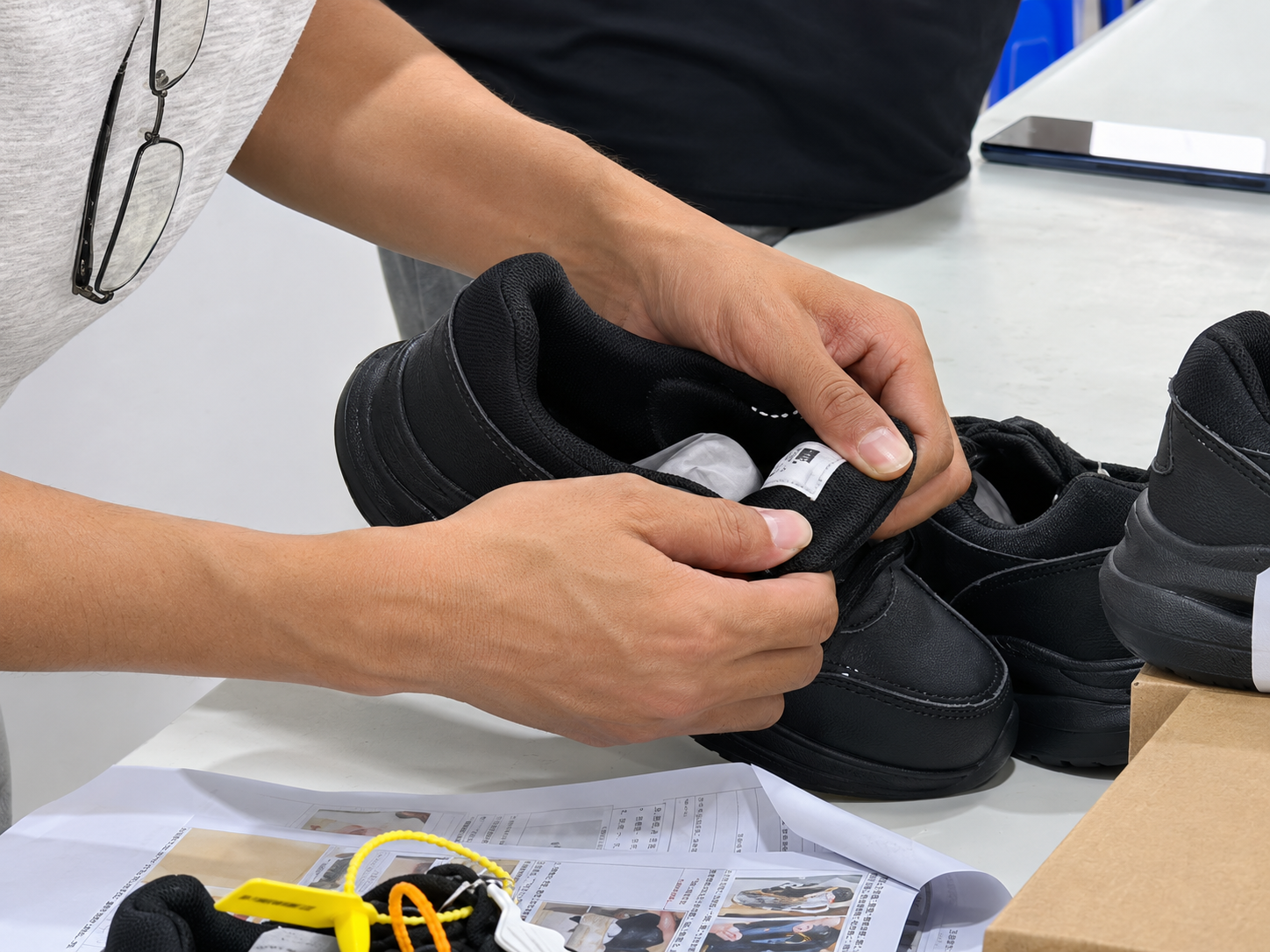
Once the sample and order requirements are approved, HEVA coordinates production follow-up with suitable partner-factory resources. Inspection checkpoints and methods are agreed for the selected shoe and order.
01
Materials and components: compare the agreed colors, materials, sole units, and trims with the approved references.
02
During production: check upper panel placement, stitching, upper-to-sole alignment, and visible finishing details.
03
Finished pairs: review appearance, left-right consistency, sizing, labels, and branding against the order requirements.
04
Before shipment: check quantities, the size breakdown, packaging, carton markings, and the documents agreed for the order.
Share your market and testing requirements early. We’ll review the applicable checks, documentation, and available testing arrangements for the project. Traction, waterproofing, and other performance requirements need relevant testing beyond appearance and dimensional checks.
Questions About Your Trail Running Shoe Project
What is the minimum order quantity for custom trail running shoes?
MOQ depends on the selected construction, materials, colors, size plan, and tooling needs. Send your estimated quantity and product direction so we can review the requirements and confirm the order conditions.
How long do sampling and production take?
Sampling time depends on how much development is needed, material availability, tooling, and revisions. Production timing also depends on when the sample is approved, the order quantity, and the factory’s production schedule. We’ll discuss your target date and confirm project-specific timing after reviewing these details.
Can waterproofing or other performance requirements be included in the brief?
Yes. Let us know whether you need a water-repellent surface treatment or a waterproof construction, along with the intended conditions and any test criteria. We’ll assess feasibility and the verification needed before agreeing on specifications or performance claims.
Can we discuss a different fit or size range?
Yes. Share the sizes, width requirements, or fit feedback you want us to review. We’ll assess how these relate to the available last and shoe construction, including whether further development or tooling is needed. Confirm the proposed fit through sample evaluation.
Can I ask about wholesale supply or available styles?
Yes. Tell us the trail shoe type, target market, quantity, and size mix you need. We’ll check the available options and supply conditions for your inquiry. Stock availability and delivery arrangements need to be confirmed for the specific style.
How are designs and dedicated molds handled?
Before development, we discuss confidentiality and clarify the rights to existing designs, new development work, and dedicated tooling. Any exclusive-use arrangement is agreed separately in the project terms. If your files are confidential, ask us to review an NDA before you send them.
Tell Us About Your Trail Running Shoe Project
Share your design or reference, intended terrain, target market, and estimated quantity. Add your priorities for fit, materials, branding, or testing, along with a target price if available.
An early idea is enough to start the conversation. We’ll help you work out what information is needed to plan the next step.