Request Quote
01BAREFOOT FOOTWEAR / OEM & ODM

Barefoot Shoes Manufacturer

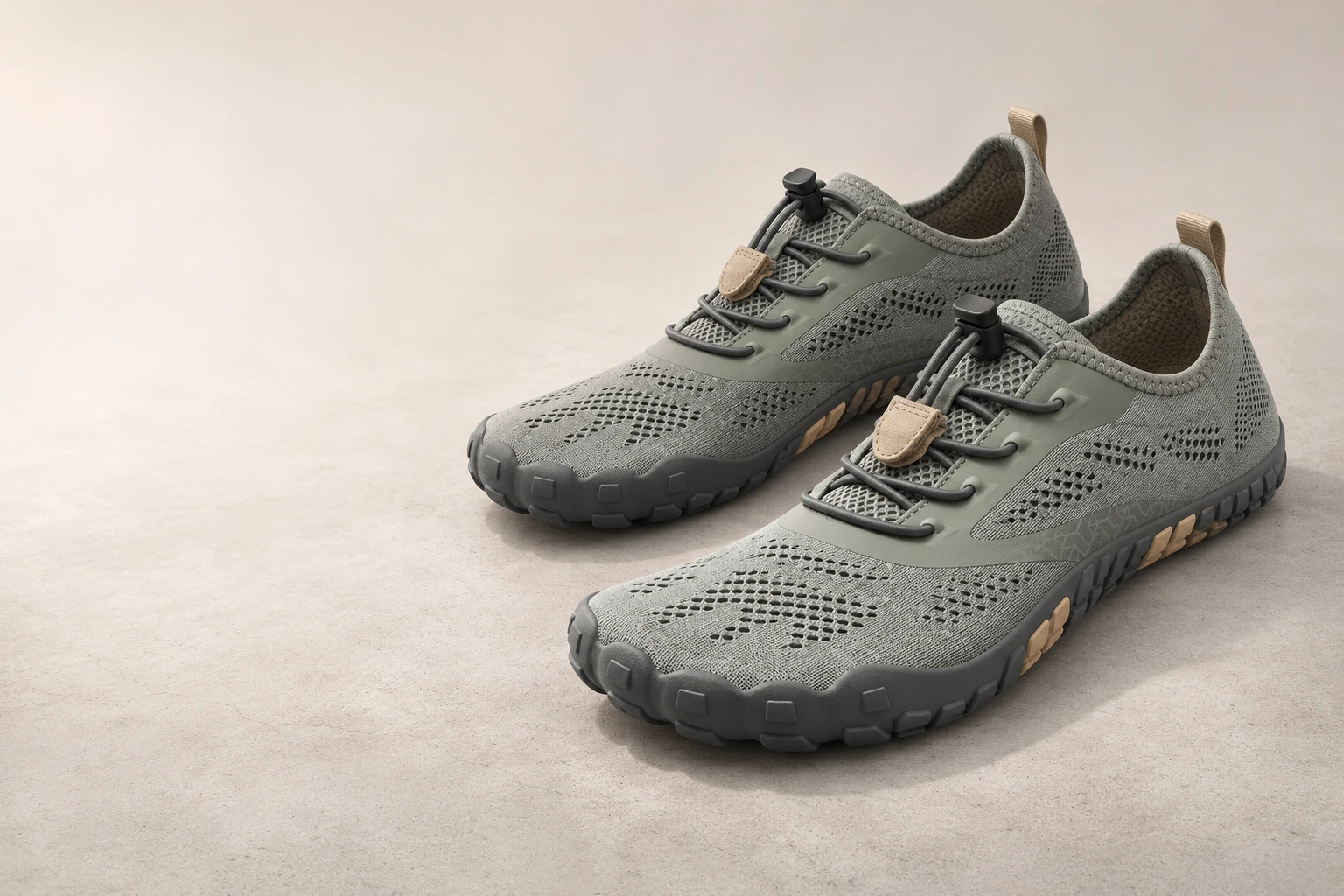
Build a barefoot shoe collection around the activities, fits, and styles you want to offer. HEVA is a barefoot shoe manufacturer with its own factory. We support OEM and ODM development and production, from adult running and training shoes to outdoor, everyday, and children’s ranges.

Bring your design, reference sample, sketch, or product direction. We’ll work through the materials, last, sole construction, size range, and branding with you, then confirm the development scope, quotation, and sample plan.

YOUR FITYOUR COLLECTIONYOUR BRAND
AI development concept · not an available SKU
02ONE CATEGORY. DIFFERENT DIRECTIONS.

Build Your Barefoot Shoe Range

You may be developing a dedicated running shoe or building a collection that spans the gym, the trail, and everyday wear. Start with how each style will be used so its fit and construction have a clear purpose.

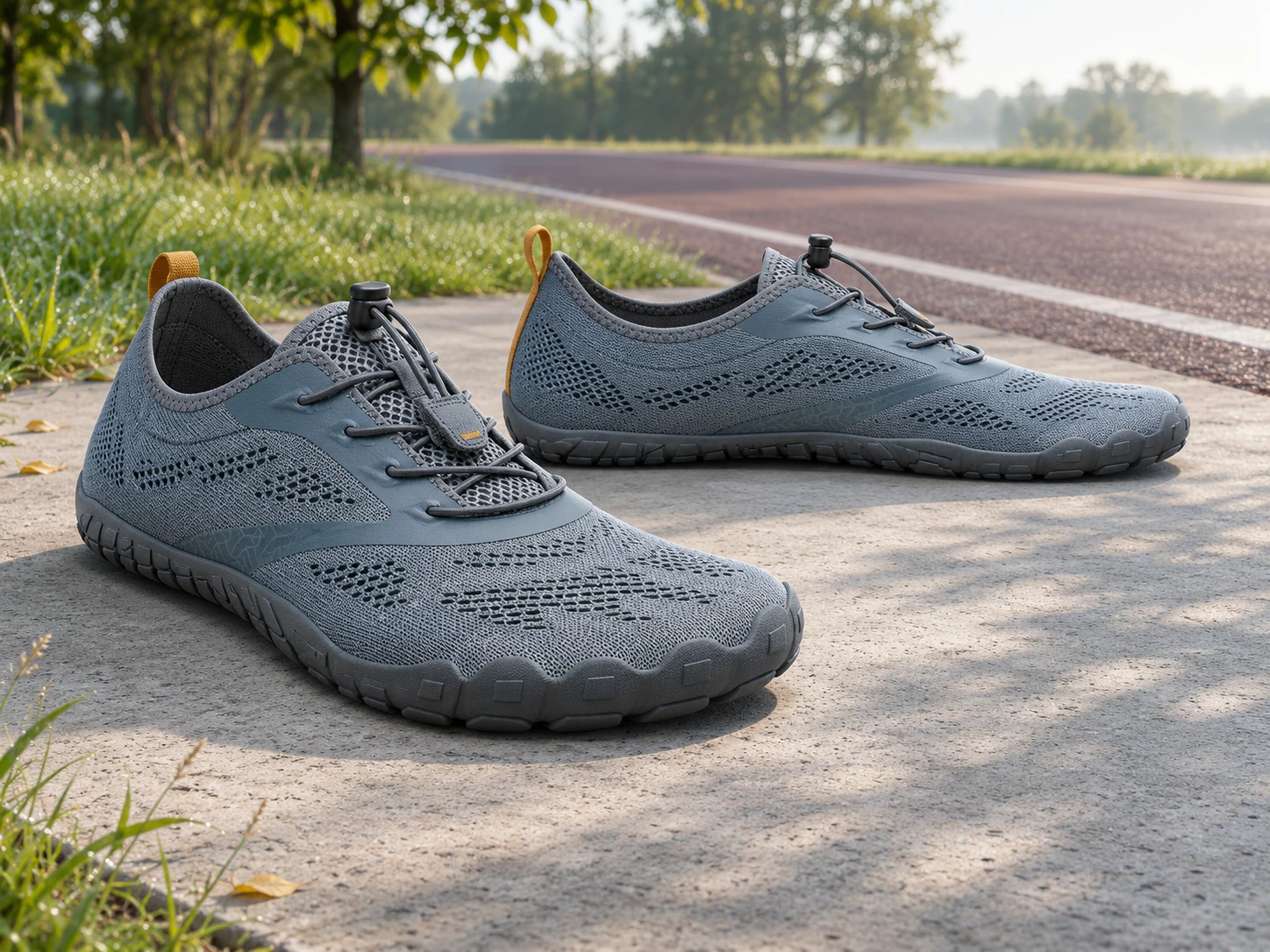
Barefoot Running Shoes — original design concept
AI development concept · not an available SKU
01 / RUN

Barefoot Running Shoes

For barefoot running shoes, tell us whether you’re planning for road running, trail running, or a combination of surfaces. Define the fit, flexibility, and underfoot protection you’re looking for, along with how you want the upper to hold the foot. If a lightweight build is a priority, include that in the brief alongside the materials and construction you want to explore.

Discuss This Direction
Barefoot Gym and Training Shoes — original design concept
AI development concept · not an available SKU
02 / TRAIN

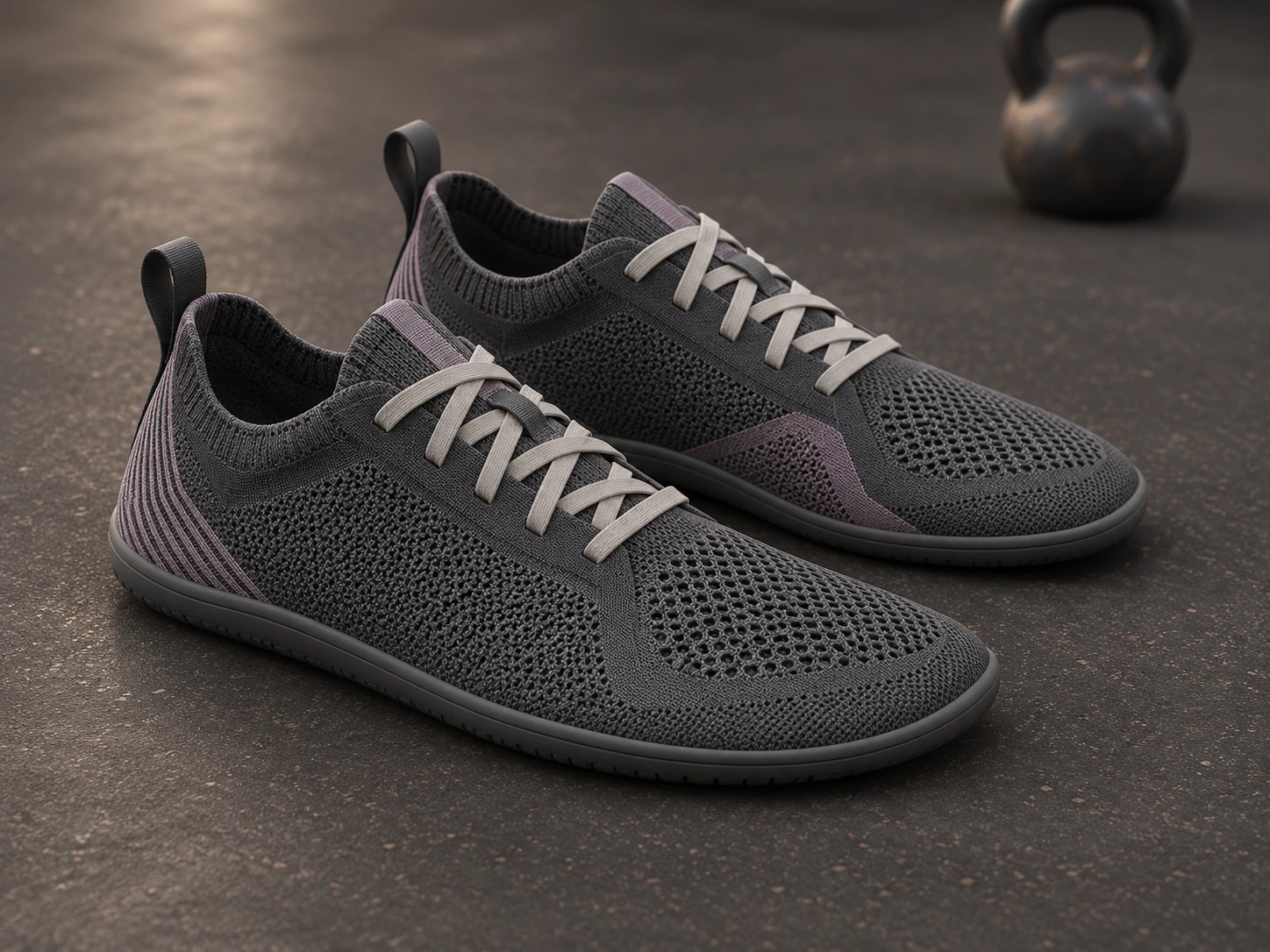
Barefoot Gym and Training Shoes

Develop barefoot gym shoes for mixed workouts, cross-training, or a strength-focused range. Describe the main movements and training environment, including how you want the upper to hold the foot and where the sole should flex. A mixed-workout shoe and a design intended primarily for weightlifting or powerlifting need different development briefs.

Discuss This Direction
Barefoot Hiking Shoes and Boots — original design concept
AI development concept · not an available SKU
03 / EXPLORE

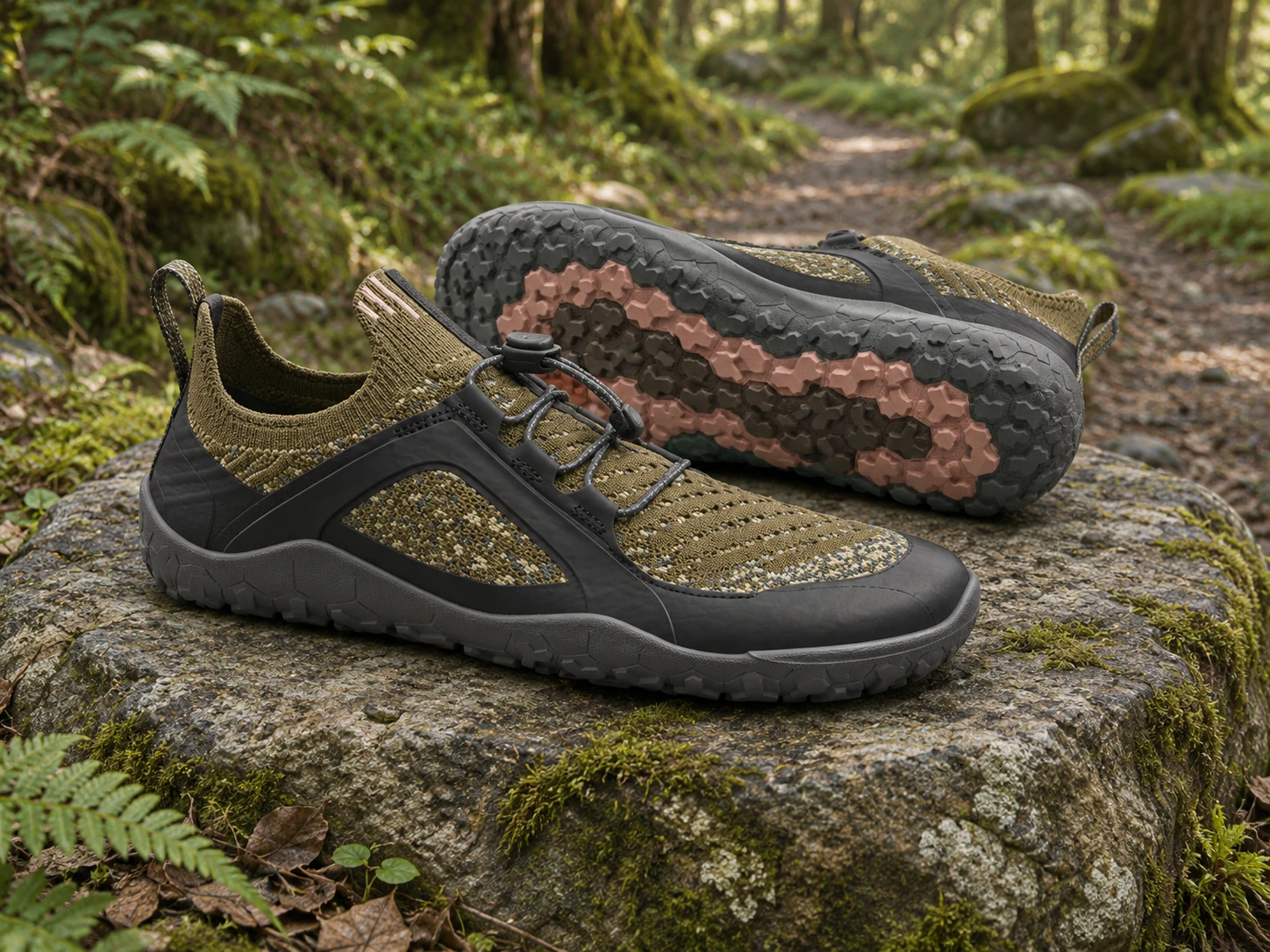
Barefoot Hiking Shoes and Boots

For barefoot hiking shoes and boots, consider the terrain, weather, and level of coverage your collection needs. We can develop low-cut outdoor styles and boots around your requirements. Discuss outsole tread, toe protection, upper coverage, and the balance you want between ground feel and protection.

Discuss This Direction
Barefoot Casual and Walking Shoes — original design concept
AI development concept · not an available SKU
04 / EVERYDAY

Barefoot Casual and Walking Shoes

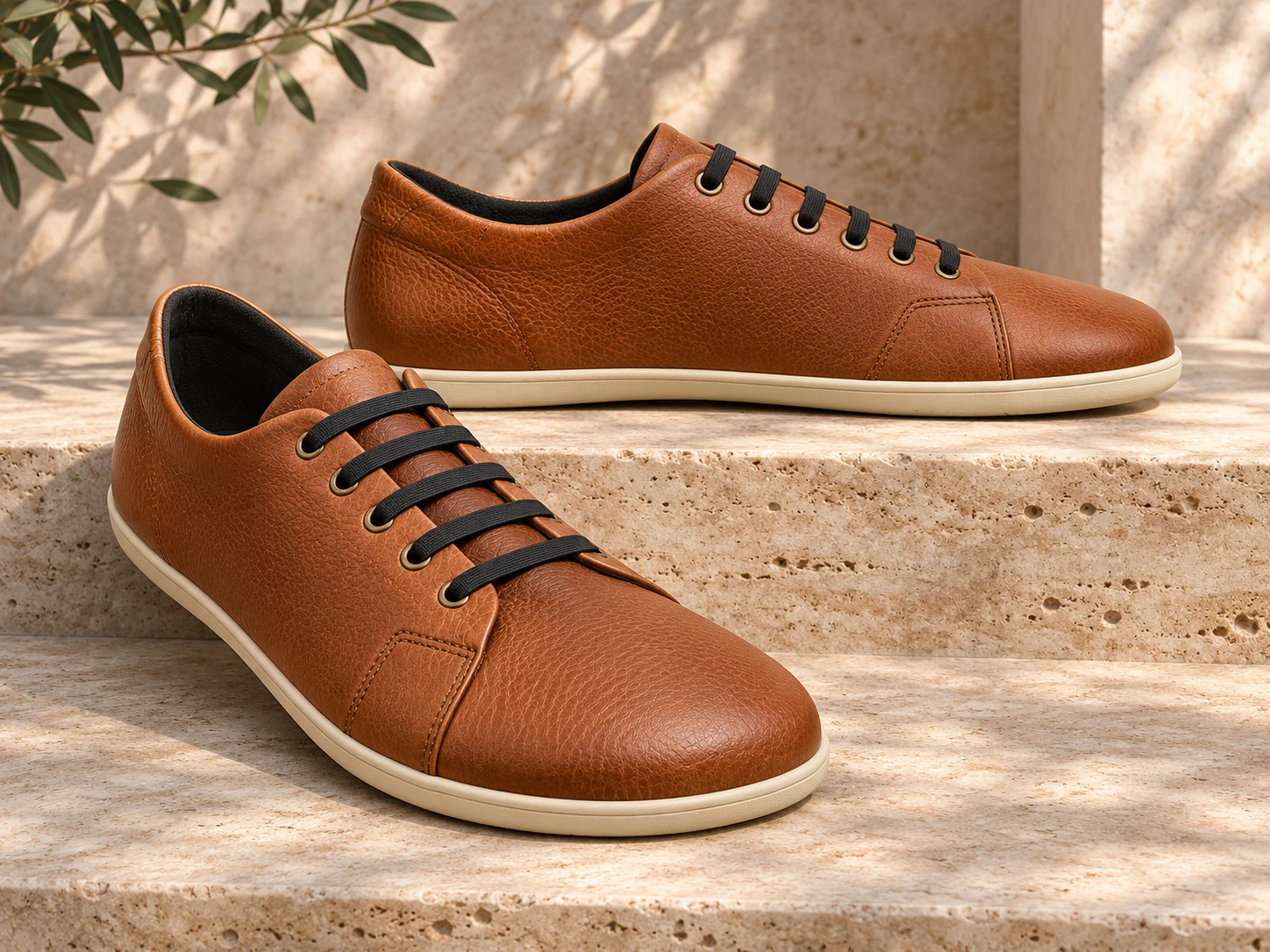
Build your casual barefoot shoes around everyday walking, commuting, or travel. Share the shape, closure, materials, and overall appearance you want. A simple lace-up, an easy-on style, and an everyday boot each bring different questions about fit and construction.

Discuss This Direction
Barefoot Shoes for Kids, Toddlers, and Babies — original design concept
AI development concept · not an available SKU
05 / GROWING COLLECTIONS

Barefoot Shoes for Kids, Toddlers, and Babies

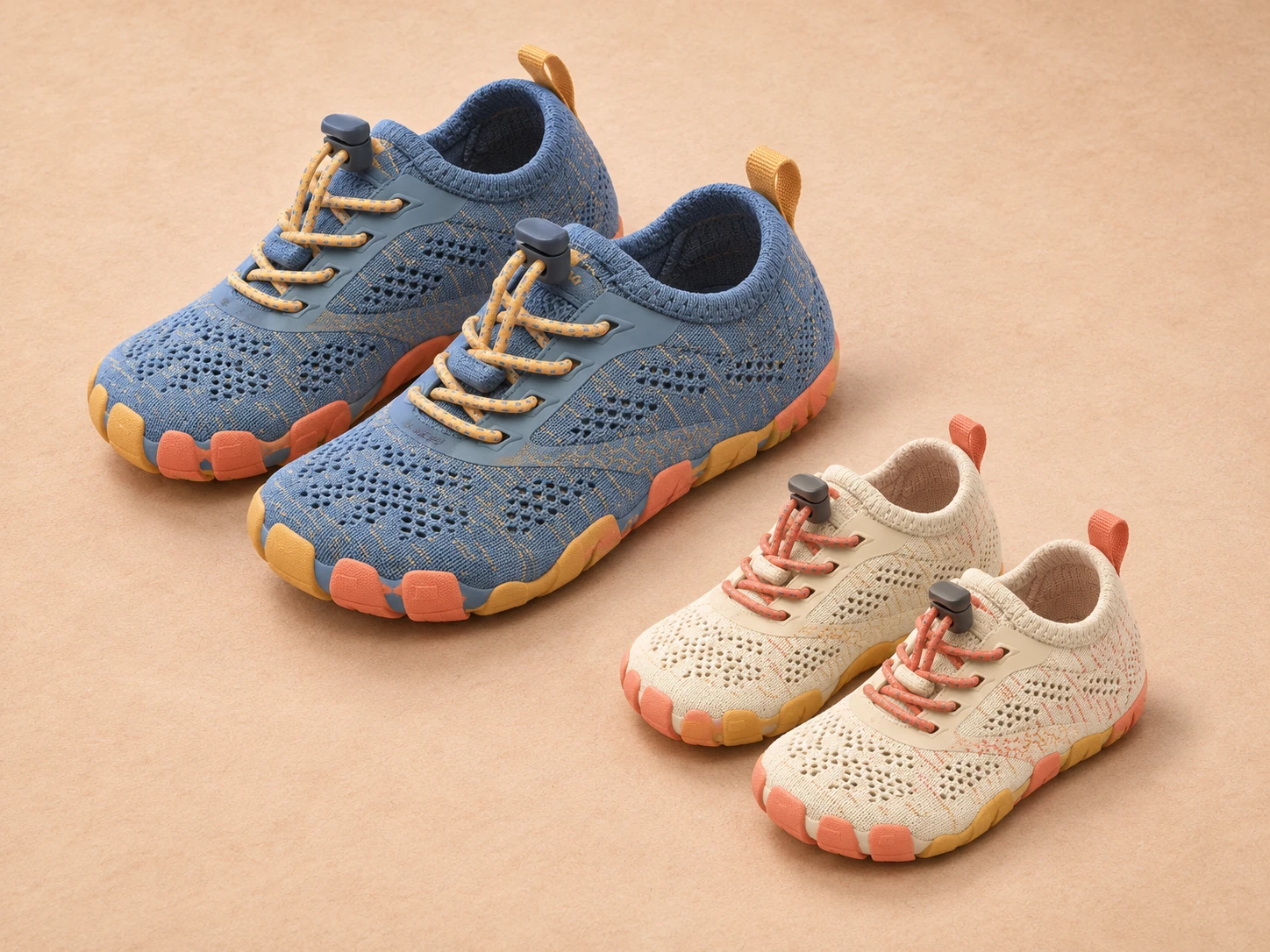
We also develop barefoot shoes for kids, toddlers, and babies, including children’s running styles and everyday footwear. Tell us the intended age group, use, size range, and closure preferences. These details help define the fit, opening, and fastening requirements for the sample.

Discuss This Direction

Develop Barefoot Shoes for Men, Women, and Kids

Your collection can serve several groups without treating every style as the same shoe in another color. We develop men’s, women’s, unisex, and children’s barefoot footwear around your intended fit and size plan.

Men’s and Women’s Barefoot Shoes

Whether you’re planning women’s barefoot running shoes, men’s gym styles, or a coordinated everyday collection, define the last shape and size range for each. Discuss toe room, midfoot volume, heel hold, and any fit feedback you want us to consider during sampling.

Unisex Barefoot Shoes

For unisex barefoot shoes, agree on the underlying fit as well as the size labels. Confirm the measurements, size system, and conversions you plan to use, then evaluate the samples against those references.

03START WITH THE SHAPE

Define the Fit and Sole Construction

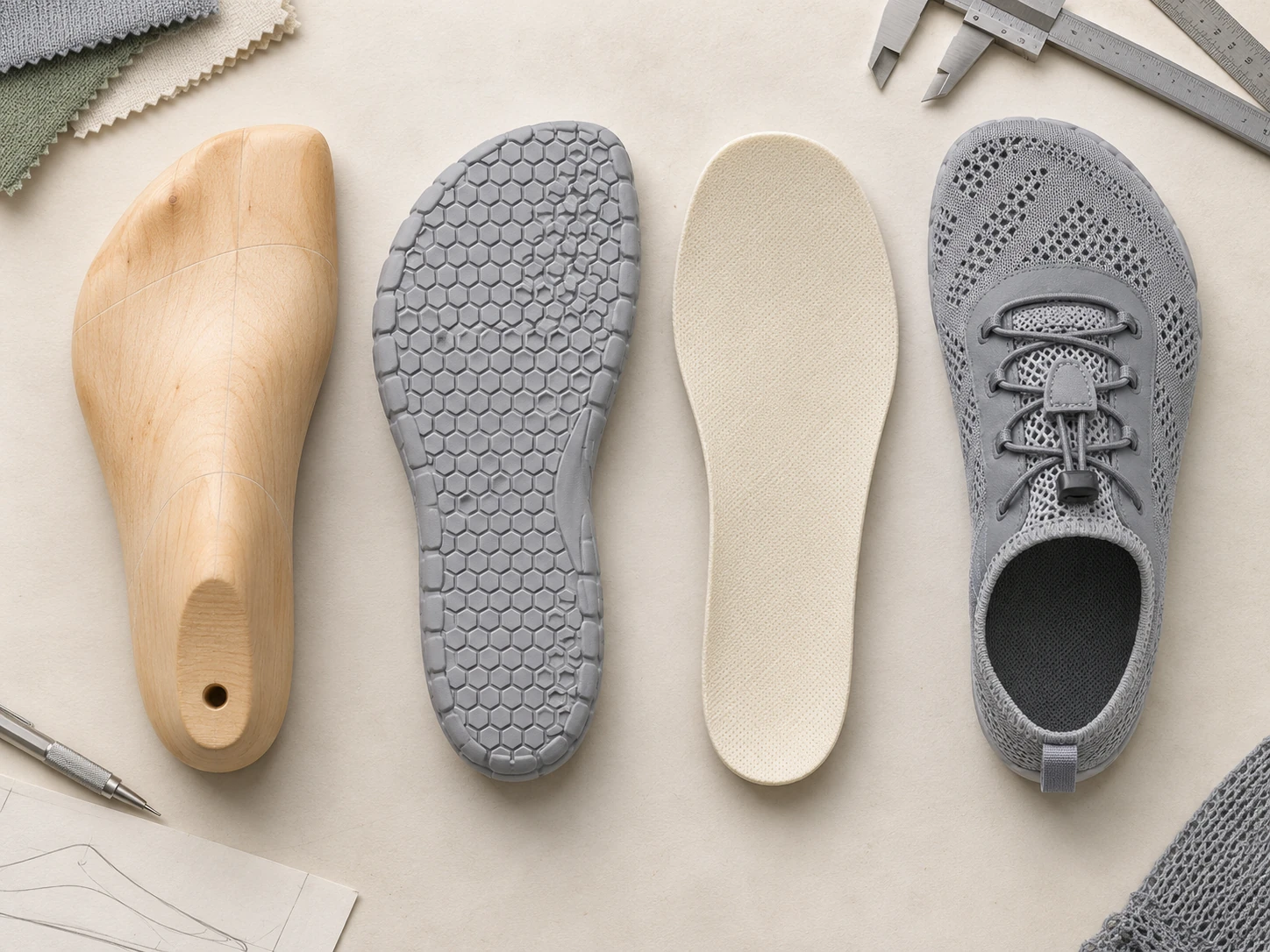
A barefoot design needs more than a toe box that looks wide. Define the space and shape you want throughout the last, together with the sole profile and flexibility. Use the sample to evaluate how those choices work together in the finished shoe.

  • Toe room and how the shoe holds your foot: Specify the forefoot shape and toe space alongside midfoot volume and heel fit.
  • Drop and sole thickness: Define your heel-to-toe drop and total underfoot thickness, or stack height, and agree on whether the measurements include a removable insole. Zero drop describes the relationship between heel and forefoot height; it doesn’t describe every feature of the shoe.
  • Flexibility and weight: Set priorities for bending, twisting, and overall weight, then review the assembled sample with its intended insole.
  • Width and sizing: We support wide and extra-wide barefoot shoe development, including special size requirements. If your range needs a size such as US men’s 15, include the size system and target measurements in the brief.

We’ll review the last and outsole requirements with you and assess whether adaptation or new tooling is needed. Confirm the fit through sampling before approving the production specifications.

Discuss Fit & Construction
Broad shoe last, flat outsole, removable insole and a mesh upper arranged for development
AI construction reference · specifications to confirm
04MATERIALS. SEASON. IDENTITY.

Choose Materials for Your Use and Season

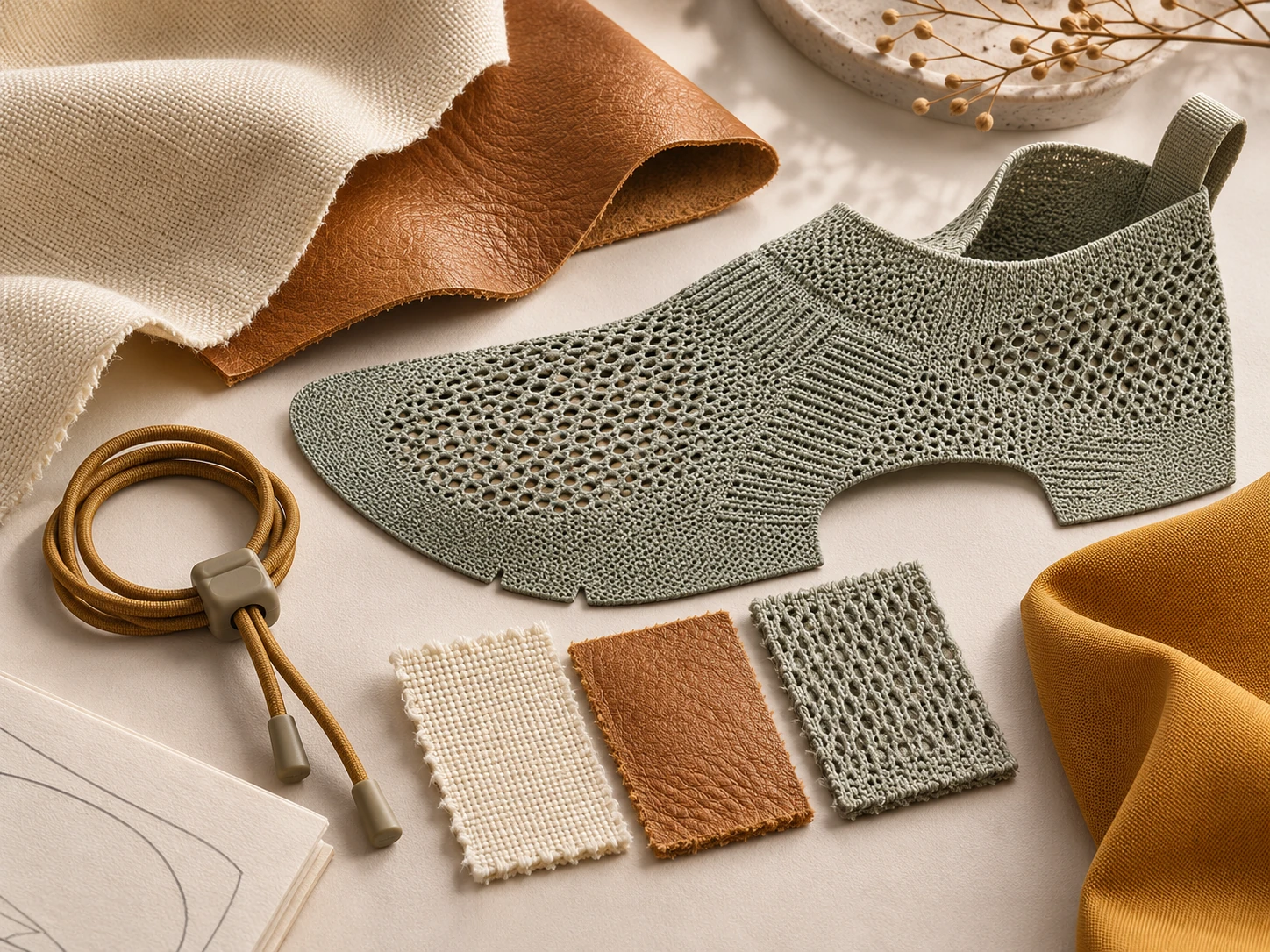
Leather, canvas, mesh and lining swatches for footwear upper development
AI material reference · selection confirmed per project

Leather, Canvas, and Textile Uppers

Explore leather, canvas, and other textile uppers for your barefoot shoe collection. Along with appearance, discuss flexibility, lining, seam placement, and the feel you want around the foot. For running and training styles, include your expectations for ventilation and how the upper holds the foot.

Review materials as part of the assembled shoe. The upper, lining, insole, and sole all belong in the sample specification, even when you’re starting from a reference that mainly shows the exterior.

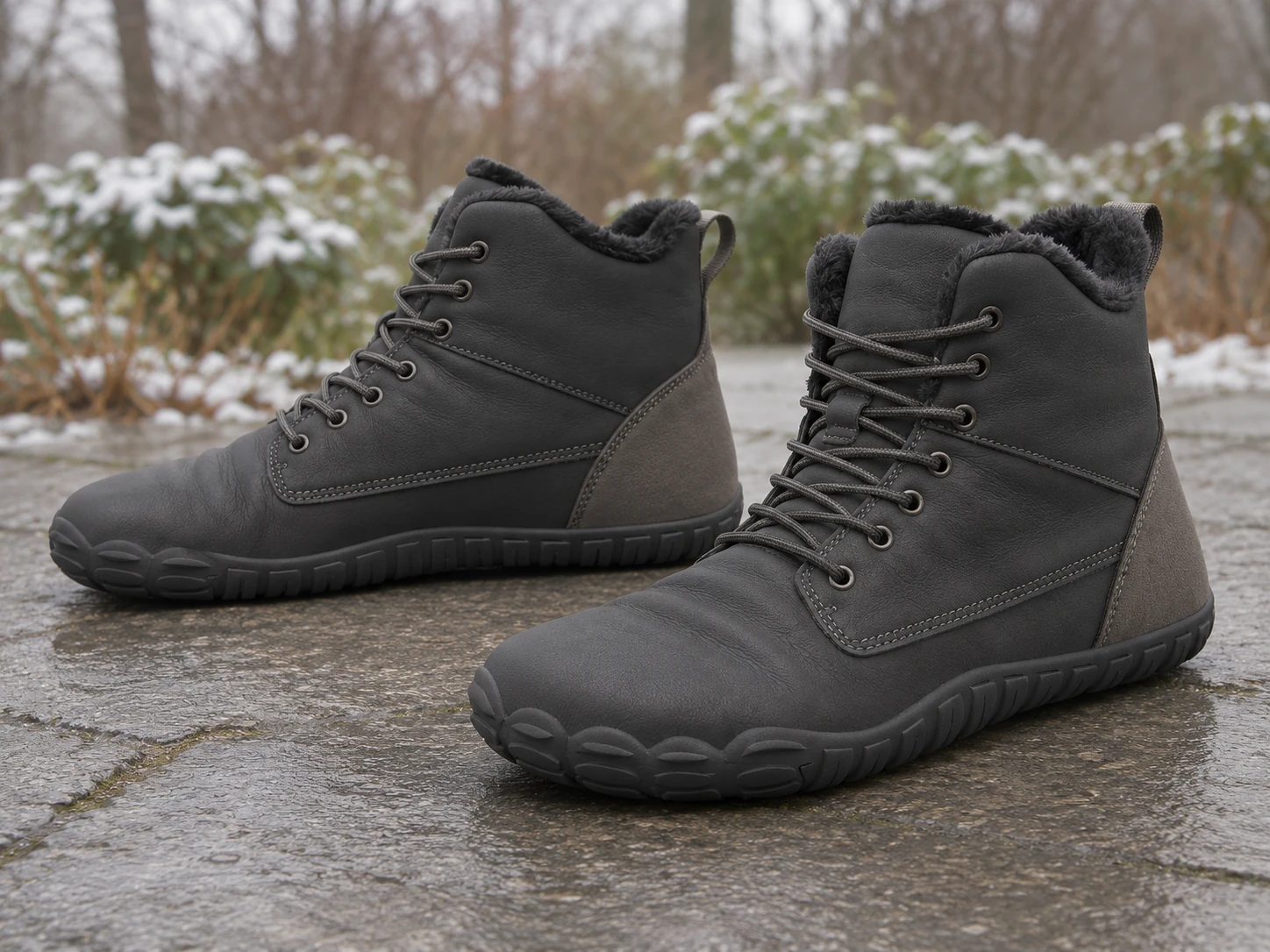
Original charcoal lace-up winter barefoot ankle boot concept with a broad forefoot, stitched panels and fleece collar
AI seasonal concept · not a waterproof test

Waterproof Barefoot Shoes and Winter Styles

We develop waterproof barefoot shoes and winter styles, including waterproof footwear for children. Tell us whether the project is an everyday shoe, a winter running style, or a hiking boot, and describe the weather and exposure it is intended for.

We’ll discuss the upper, lining, closure, and sole construction based on those requirements. Agree on the waterproofing or insulation targets, the intended exposure, and how the finished shoe will be evaluated alongside any material checks. Review the sample before production approval.

Customize the Details for Your Brand

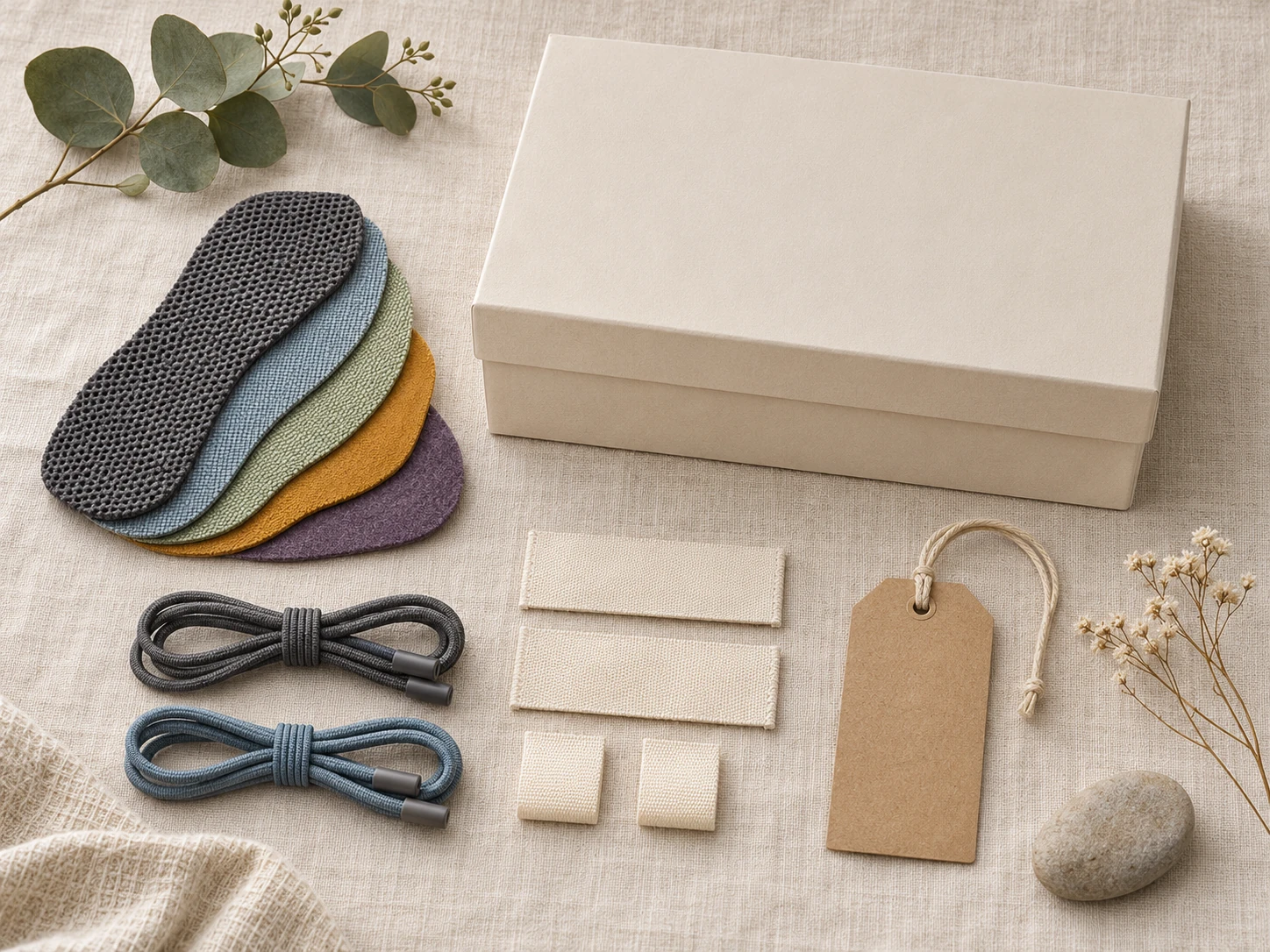
Carry your brand through the shoe and its packaging. Define your color palette, logo placement, labels, insole details, and presentation requirements. You might want white barefoot shoes with restrained branding, or orange and purple accents across a more colorful range.

Share artwork and placement references so we can review the details with the selected materials and construction. Record the approved colors, branding, and packaging with the sample specifications for your private label barefoot shoes.

Discuss Your Brand Details
Unprinted packaging, blank labels, laces and a selection of material swatches
AI brand-planning reference · artwork to confirm
05DEFINE. SAMPLE. REFINE. APPROVE.

From Your Brief to an Approved Sample

Requirements→Quotation & planning→Sampling & approval→Production & QC→Packing & delivery
01

Share Your Requirements

Send your tech pack, sketch, reference sample, or initial idea. Include the intended use, target market, age group, size range, estimated quantity, and an initial budget. If some decisions are still open, identify what you want help developing.

02

Confirm the Development Scope

We’ll review the proposed construction, materials, last, outsole, and customization needs. This includes assessing tooling requirements and the scope of any new development. We’ll confirm the quotation, MOQ, development fees, and proposed sample plan with you before the agreed work begins.

03

Review and Refine the Sample

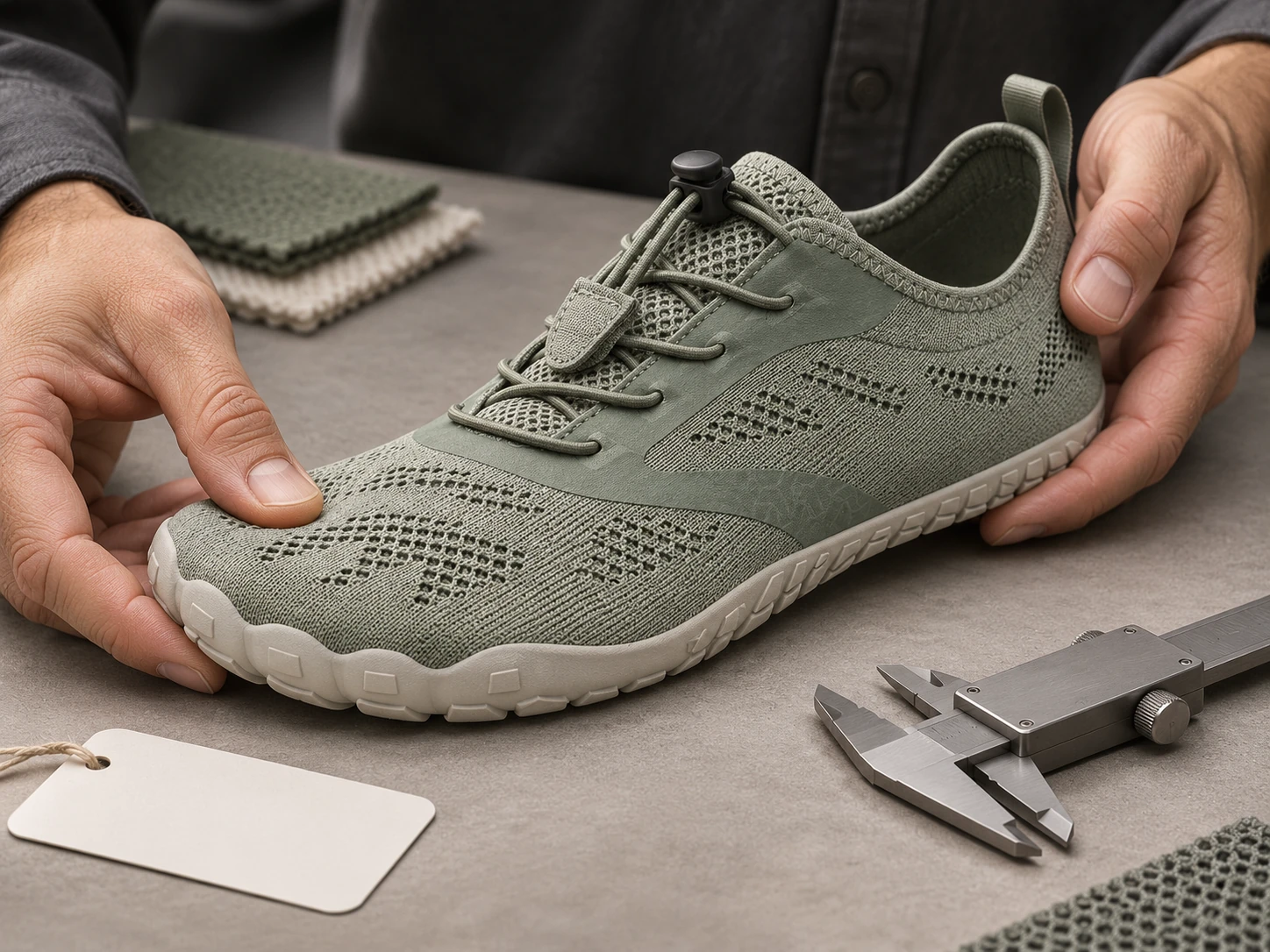
Give specific feedback on fit and construction: where you need more toe room, how the heel feels, whether the upper holds as intended, and how the sole moves. Review the colors and brand details too. We’ll work through the agreed revisions with you.

04

Approve the Production Reference

Approve the sample together with the written requirements for materials, construction, sizing, colors, branding, and packaging. Agree on the size chart and which sizes need fit and measurement checks before production. Clearly identify the approved sample and specification version so you can review later changes against the same reference.

Hands reviewing the width of a barefoot shoe concept with a measuring tool
AI sample-review illustration · not an inspection record
06A SHARED PRODUCTION REFERENCE

Bulk Production, Quality Checks, and Delivery

We manufacture your footwear in our own factory and follow the approved sample and order specifications through production. The quality plan focuses on the requirements agreed for your shoe:

  • Materials and components: The selected materials, parts, and color references.
  • Construction and assembly: The agreed upper construction, sole alignment, and joining method.
  • Finished pairs: Size identification, left-right consistency, appearance, and brand details, reviewed against the approved references.
  • Packing and shipment: Quantities, size breakdowns, labels, shoe boxes, and carton markings.

Before production, agree on how fit, dimensions, flexibility, and any specified performance will be checked. We’ll also confirm the documentation, shipping information, and handover details needed for your order.

07HEVA / DEVELOPMENT & MANUFACTURING

Built around your project.

Own factoryManufacturingOEM & ODMDevelopment supportAgreed specificationsSample to production
08BEFORE YOUR FIRST CONVERSATION

Barefoot Shoe Development FAQs

Your design. Your requirements.
A clearer next step.

Can you develop barefoot shoes from our design or reference sample?

Yes. You can start with a developed design, a physical reference, or an early product idea. Point out what you want to retain or change, and we’ll identify the specifications and development work needed to move toward a sample.

Can you develop waterproof barefoot shoes for children?

Yes. Children’s waterproof barefoot shoes are within our OEM/ODM development scope. Share the intended age group, size range, weather conditions, and design direction so we can work through the construction and agree on the performance requirements to validate.

Can we customize the last, width, and size range?

Yes. We can develop around your requirements for toe room, width, and sizing, including extra-wide and special-size projects. We’ll review the proposed last and outsole, assess tooling needs, and use sample feedback to confirm the fit.

What determines MOQ, development costs, and lead times?

The main factors include construction, material availability, tooling, colors, size range, quantity, sample revisions, and production scheduling. We review these together when preparing your quotation. We’ll confirm the timing for sampling and bulk production with you based on the agreed project scope.

How are quality checks and testing agreed?

Start with the intended use, destination market, and product requirements. For a U.S. project, share any testing and documentation requirements early. We’ll agree with you on what needs to be checked, which methods to use, and the scope of inspection and testing for your shoe, rather than assume every order needs the same checks.

Are zero-drop and wide toe box shoes always barefoot shoes?

Not necessarily. Zero drop describes heel-to-toe geometry, while a wide toe box describes part of the fit. Sole thickness, flexibility, weight, and support structures also matter when defining your barefoot or minimalist design. Specify the combination you want rather than relying on one feature.

Can you develop barefoot footwear for a specific sport?

Yes—start with a specific brief. A request for barefoot tennis shoes, basketball footwear, or climbing shoes needs a review of the actual activity and performance requirements. We’ll discuss construction, sampling, and the validation needed before agreeing on a production specification.

Can a barefoot design include cushioning or arch support?

We can discuss cushioning, removable insoles, and arch support requirements as part of your design. These choices affect its construction and positioning, so define them alongside the sole profile, flexibility, and intended use. We don’t present those features as treatments for flat feet, plantar fasciitis, or overpronation.

09LET’S DEVELOP YOUR NEXT COLLECTION

Start Your Barefoot Shoe Project

Tell us what you want to develop, from a single running style to a barefoot collection spanning several uses and age groups. Send your design or reference, intended use, size range, estimated quantity, target market, and timing.

You don’t need every detail settled before contacting us. Share what you have, and we’ll discuss the next development decisions, sample scope, and quotation with you.

Discuss Your Barefoot Project
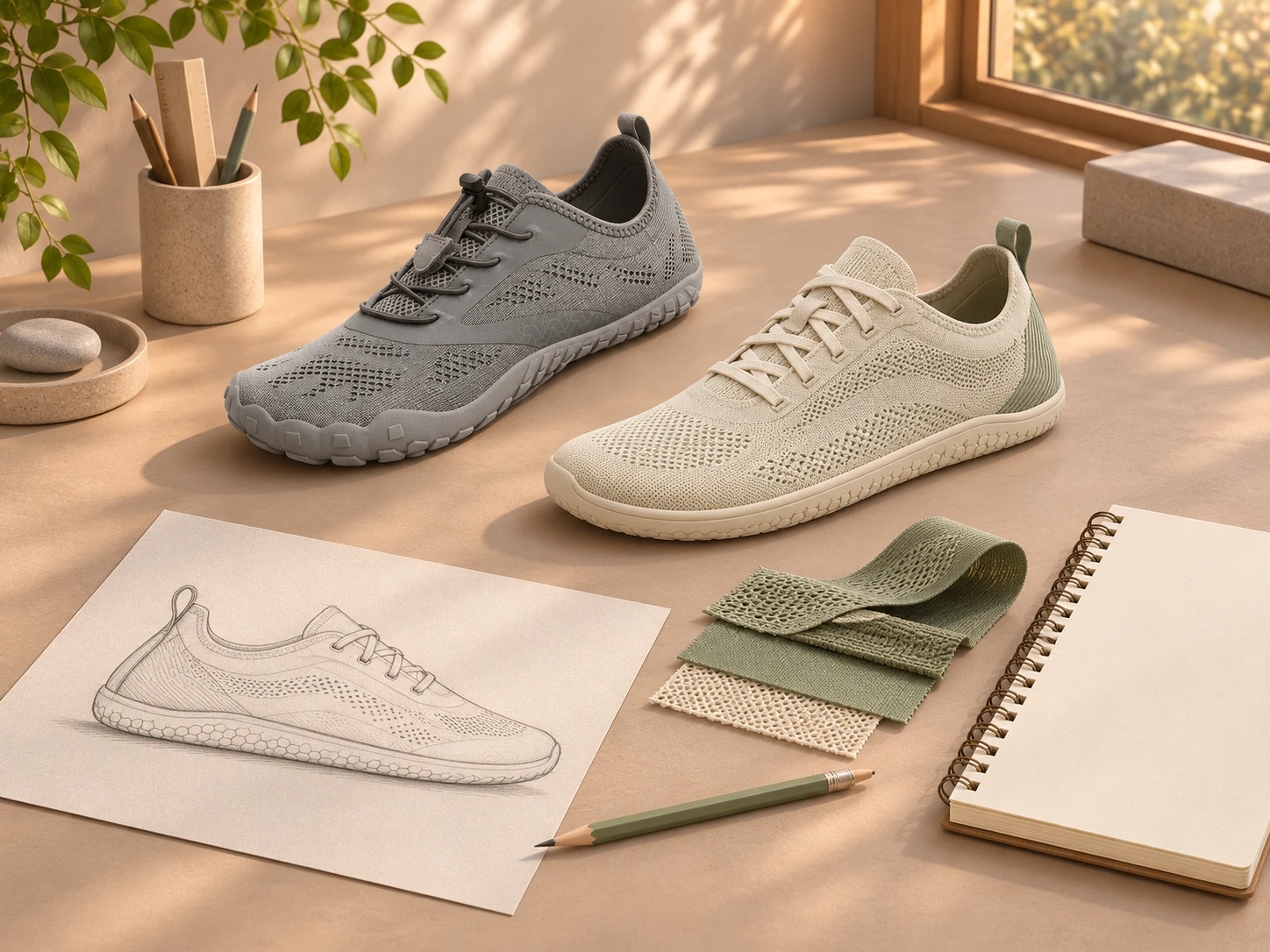
Barefoot footwear concept, a graphite design sketch and material references at a project desk
AI project-planning concept · not a customer project